
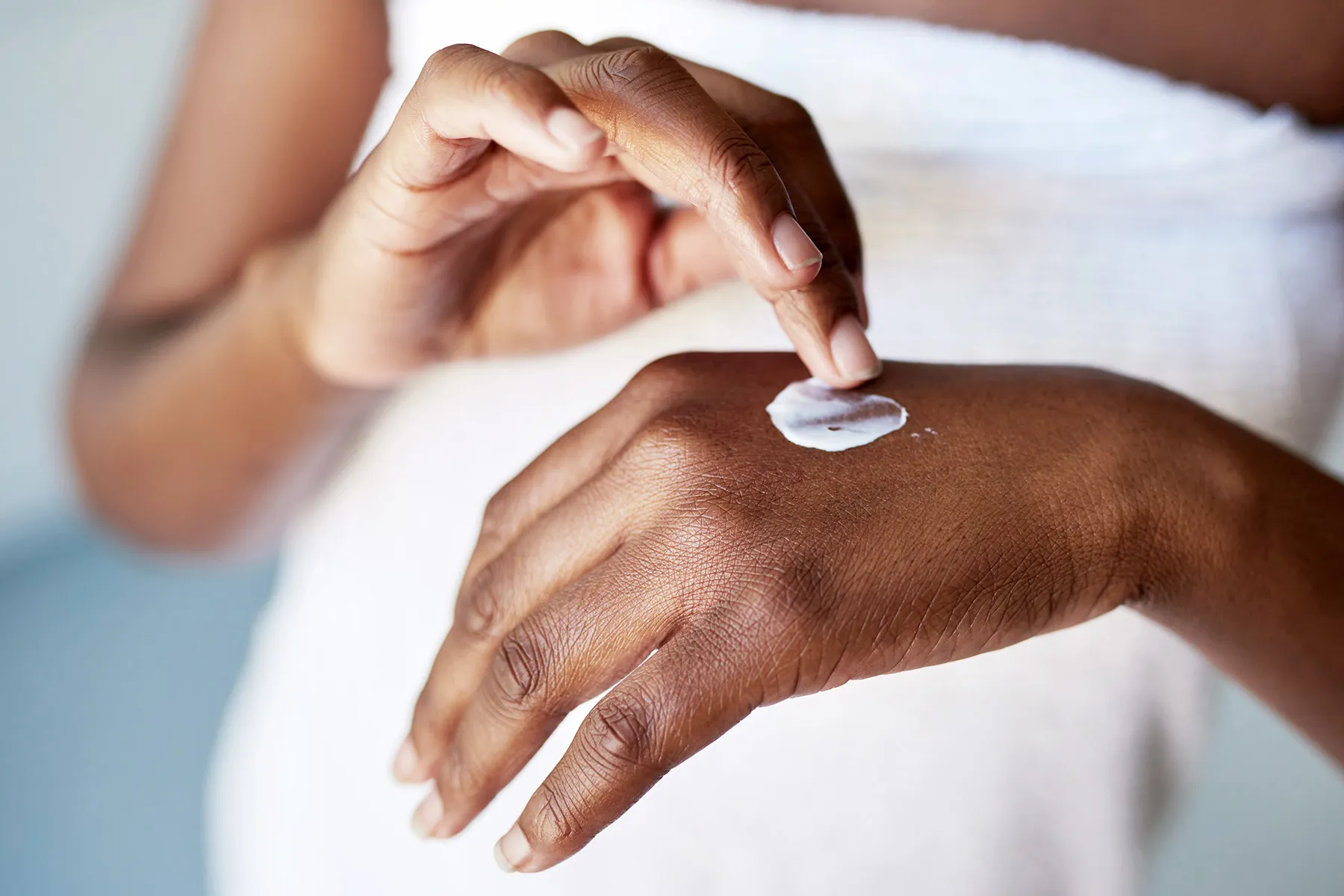
Atopic dermatitis can be a drama queen. One week your skin behaves like a calm houseplant; the next, it decides to become a red, itchy, sleep-stealing fire alarm. The frustrating part is that atopic dermatitis, often called eczema, is not usually a “one cream and done” condition. It is a chronic inflammatory skin disease that requires consistent care, smart treatment choices, and a realistic routine people can actually follow when life gets busy.
That is where treatment adherence comes in. In plain English, adherence means using your treatment the way it was prescribed or recommended: the right product, the right amount, the right place, and the right timing. It sounds simple. So does “drink more water” and “go to bed early,” yet here we are, scrolling at midnight with a half-empty water bottle nearby. For people with atopic dermatitis, sticking to treatment can be the difference between calmer skin and a flare that moves in, pays no rent, and ruins everyone’s mood.
This article explains why treatment adherence matters, why many people struggle with it, and how patients, caregivers, and clinicians can build an eczema care routine that is effective, safe, and realistic.
What Is Atopic Dermatitis?
Atopic dermatitis is a long-lasting skin condition that causes dryness, inflammation, itching, redness, scaling, cracking, and sometimes oozing or crusting. It often begins in childhood, but adults can develop it too. The condition is not contagious, so no, you cannot “catch” eczema from someone’s elbow, towel, or suspiciously dramatic-looking rash.
The disease is linked to a mix of skin barrier dysfunction, immune system activity, genetics, and environmental triggers. In many people, the skin barrier does not hold moisture well. When that protective barrier becomes leaky, irritants and allergens can get in more easily, water escapes more quickly, and inflammation follows. The result is the classic itch-scratch cycle: skin itches, scratching damages the barrier, damaged skin becomes more inflamed, and the itching gets worse. It is less a cycle and more a tiny skin tornado.
Why Treatment Adherence Is So Important
Atopic dermatitis treatment is not just about stopping a flare after it arrives. Good care aims to repair the skin barrier, reduce inflammation, relieve itching, prevent infection, improve sleep, and reduce future flares. Adherence matters because most eczema therapies work best when used consistently, not only when symptoms become unbearable.
1. Consistency Protects the Skin Barrier
Moisturizers are not glamorous. They do not arrive with fireworks, a celebrity endorsement, or a dramatic movie soundtrack. But for atopic dermatitis, they are foundational. Regular use of bland, fragrance-free moisturizers helps reduce dryness and supports the skin barrier. When patients moisturize only during a flare, they miss the preventive power of daily barrier care.
Think of moisturizer like brushing your teeth. You do not wait until your tooth hurts to introduce your mouth to a toothbrush. In the same way, eczema-prone skin benefits from regular maintenance before the itching starts waving a red flag.
2. Anti-Inflammatory Medicines Need Proper Timing
Topical corticosteroids, topical calcineurin inhibitors, PDE-4 inhibitors, JAK inhibitors, and newer nonsteroidal creams may be used depending on age, severity, location, and medical history. These treatments are designed to calm inflammation, but they need to be applied as directed. Underusing them may leave inflammation simmering under the surface. Overusing certain medicines, especially stronger topical steroids, can increase the risk of side effects.
The goal is not to fear medication or worship it like a magic potion. The goal is to use it correctly. That usually means understanding how much to apply, where to apply it, how long to use it, and what to do when symptoms improve.
3. Better Adherence Can Reduce Flares
Many people stop treatment as soon as the rash looks better. This is understandable. Nobody wants to keep thinking about eczema when the skin finally stops auditioning for a volcano documentary. But stopping too early can allow inflammation to return. Some patients benefit from proactive maintenance therapy, such as applying prescribed anti-inflammatory medication intermittently to common flare areas, along with daily moisturizing.
Following the treatment plan helps keep the skin calmer between flares, which can mean fewer emergency “Where did I put that cream?” moments.
Common Reasons People Do Not Stick With Treatment
Poor adherence is rarely about laziness. More often, it is about confusion, fear, cost, inconvenience, unrealistic routines, or treatments that feel unpleasant. A good eczema plan must work in real life, not just on a perfectly organized clinic handout.
Confusing Instructions
Many people leave appointments with multiple products: one for the face, one for the body, one for flares, one for maintenance, one for itching, and one mystery tube that somehow appears in the bathroom cabinet with no clear purpose. When instructions are unclear, adherence drops.
Patients should ask for a written eczema action plan that explains what to use during mild symptoms, moderate flares, severe flares, and maintenance periods. A clear plan reduces guesswork and prevents the classic “Is this the Monday cream or the scary cream?” problem.
Steroid Fear
Topical corticosteroids have been used for decades and can be very effective when prescribed appropriately. However, many patients and parents worry about skin thinning, discoloration, dependency, or long-term harm. These concerns should not be dismissed. Instead, they should be discussed openly with a clinician.
Steroid fear can lead people to apply too little medication, stop too soon, or avoid treatment entirely. The result may be ongoing inflammation, more scratching, and more severe flares. A dermatologist can explain potency, duration, body-site safety, fingertip-unit dosing, and when to step down treatment.
Messy or Unpleasant Products
Some ointments are effective but greasy enough to make a doorknob fear for its life. Children may hate the texture. Adults may dislike applying thick products before work. If a treatment feels unbearable, people will quietly abandon it, often with guilt.
Texture matters. Creams, ointments, lotions, gels, and foams feel different. The “best” product is not only the one with strong evidence; it is also the one the patient will actually use. A slightly less greasy moisturizer used twice daily may outperform a perfect ointment that sits untouched like a museum artifact.
Cost and Access
Atopic dermatitis treatment can become expensive, especially when prescriptions, moisturizers, specialty visits, and newer therapies are involved. Cost is a real adherence barrier. Patients should tell their clinician if a medication is too expensive. There may be alternatives, coupons, samples, generics, prior authorization support, or step-therapy options.
Slow Results
Eczema does not always improve overnight. Some treatments require days or weeks to show full benefit. When people expect instant results, they may quit early. Setting realistic expectations helps: less itching may come first, redness may fade later, and thickened skin can take longer to soften.
Building an Atopic Dermatitis Treatment Routine That Works
The most successful eczema routine is simple enough to survive Monday mornings, school drop-offs, business trips, and the occasional “I forgot everything except my phone charger” weekend.
Start With Daily Moisturizing
Use a fragrance-free moisturizer at least once daily, and often more often if the skin is very dry. Many people do best applying moisturizer shortly after bathing, while the skin is still slightly damp. This “soak and seal” approach helps trap moisture in the skin.
Look for products that are gentle, bland, and designed for sensitive skin. Helpful ingredients may include petrolatum, glycerin, ceramides, dimethicone, hyaluronic acid, or colloidal oatmeal. Avoid fragrance, harsh exfoliants, drying alcohols, and unnecessary botanical ingredients that can irritate sensitive skin. Natural does not always mean gentle; poison ivy is natural and nobody is inviting it to skincare brunch.
Use Medication Exactly as Directed
Prescription creams and ointments should be used according to the plan from a healthcare professional. For topical steroids, this includes using the correct strength for the correct body area. The face, eyelids, neck, folds, and groin usually need extra caution because the skin is thinner. Hands, feet, and thick plaques may require different strategies.
If the plan is unclear, ask questions such as:
- How much should I apply?
- Should this go before or after moisturizer?
- How many days should I use it during a flare?
- What should I do when the rash improves?
- Which areas should avoid this medicine?
Track Triggers Without Becoming a Detective in a Trench Coat
Common triggers include harsh soaps, fragrances, wool, sweating, dry air, stress, allergens, and long hot showers. Some people also notice flares with certain detergents, climates, or workplace exposures. Tracking triggers can help, but it should not become an exhausting full-time investigation.
A simple symptom diary can identify patterns. Note sleep, stress, weather, skincare products, sweating, new clothing, and flare location. If food allergy is suspected, especially in children, discuss testing with a clinician before starting restrictive diets. Random food elimination can create nutritional problems and may not improve eczema.
Make the Routine Visible
Adherence improves when treatment fits into existing habits. Keep moisturizer near the sink, bed, shower, diaper-changing area, or work bag. Use phone reminders. Place a small travel-size moisturizer in a backpack or purse. For children, use sticker charts or make treatment part of brushing teeth. For adults, habit stacking can help: shower, pat dry, apply medicine, moisturize, then coffee. The coffee is not medically required, but emotionally, let’s be honest.
Special Considerations for Children
Children with atopic dermatitis often need caregiver support. Parents may struggle with applying medication to a squirming toddler who treats pajamas like a competitive sport. The key is to keep routines short, predictable, and calm.
Use gentle baths, soft towels, fragrance-free products, and comfortable cotton clothing. Keep nails short to reduce damage from scratching. If nighttime itching is severe, talk with a pediatrician or dermatologist. Sleep loss affects the whole family and can influence mood, school performance, and quality of life.
Caregivers should also receive clear instructions about when to seek medical care. Warning signs may include increasing pain, warmth, swelling, pus, honey-colored crusting, fever, rapidly spreading rash, or painful blisters. Because eczema-damaged skin is more vulnerable, infections need prompt attention.
When Topical Treatment Is Not Enough
Some people have moderate to severe atopic dermatitis that does not respond adequately to basic skincare and topical medicines. In those cases, clinicians may consider phototherapy, biologic injections, oral JAK inhibitors, or other systemic treatments. These options can be life-changing for appropriate patients, but adherence still matters.
For biologics, patients must follow injection schedules. For oral medicines, they may need lab monitoring, attention to side effects, and consistent dosing. For phototherapy, appointments require time and transportation. Even advanced treatments are not “set it and forget it” solutions; they are partnerships between patient, clinician, calendar, and occasionally a very patient insurance department.
The Role of Shared Decision-Making
Adherence improves when patients understand and agree with the plan. Shared decision-making means the clinician brings medical expertise, while the patient brings real-world context: budget, schedule, preferences, fears, lifestyle, and goals.
For example, a college student may prefer a fast routine that fits dorm life. A parent may need a child-friendly plan that works before school. A nurse who washes hands constantly may need special strategies for hand dermatitis. A person with darker skin may need guidance on post-inflammatory hyperpigmentation or hypopigmentation after flares. Good treatment is personal.
Practical Example: A Simple Flare Plan
A practical eczema action plan might look like this:
Maintenance Days
Use a fragrance-free moisturizer every morning and evening. Avoid known irritants. Use gentle cleanser only where needed. Keep showers lukewarm and short.
Mild Flare Days
Increase moisturizer use. Apply the prescribed anti-inflammatory medicine to itchy or red areas as directed. Avoid scratching by using cold compresses, soft clothing, and distraction techniques.
Moderate to Severe Flare Days
Follow the clinician’s flare instructions carefully. This may include a stronger topical medicine for a limited time, wet wraps, or a follow-up visit. Watch for infection signs.
After Improvement
Do not vanish from the plan like a magician in a glittery cape. Step down treatment as directed, continue moisturizer, and use maintenance therapy if prescribed.
How to Improve Treatment Adherence Without Making Life Miserable
Improving adherence is not about scolding people. It is about removing friction. Here are practical strategies that work in everyday life:
- Ask for written instructions: A simple chart can prevent confusion.
- Use fewer products when possible: A routine with 12 steps may look fancy online but collapse by Wednesday.
- Choose acceptable textures: The best moisturizer is one you will use consistently.
- Set reminders: Phone alarms, bathroom notes, and habit stacking can help.
- Schedule follow-ups: Early check-ins allow adjustments before frustration builds.
- Discuss fears honestly: Medication anxiety is common and deserves clear answers.
- Plan for travel: Keep small containers ready so treatment does not take a vacation too.
Experiences Related to Atopic Dermatitis Treatment Adherence
Real-world experience with atopic dermatitis often shows the same pattern: people do not fail treatment as much as treatment routines fail people. A plan that looks perfect in the clinic can become difficult at home, especially when the patient is tired, the child is crying, the prescription label is vague, and the moisturizer feels like spreading frosting on a moving squirrel.
One common experience is the “almost better” trap. A patient uses medication for three days, the redness fades, and the itching becomes tolerable. Naturally, they stop. Two days later, the rash returns, sometimes angrier than before. This does not always mean the medicine failed. It may mean the inflammation was not fully controlled or that maintenance care was not continued. Patients often feel discouraged at this point, but education can turn the cycle around. When they understand that eczema management has flare treatment and prevention phases, they are more likely to keep moisturizing and follow step-down instructions.
Another frequent experience involves parents who are nervous about topical steroids. They may apply a rice-grain amount to an area that needs much more coverage, then conclude that the medication “does not work.” Once a clinician demonstrates fingertip-unit dosing or shows exactly how much to apply to each body area, results often improve. The lesson is simple: adherence is not just remembering treatment; it is knowing how to do treatment correctly.
Adults often face different barriers. A construction worker with hand eczema may wash frequently, sweat in gloves, and handle irritating materials. A standard “apply twice daily” plan might not be enough unless it includes protective gloves, workplace-friendly moisturizers, and a nighttime repair routine. A teacher may avoid greasy ointment during the day because it gets on papers, screens, and everything except dignity. For that person, a lighter daytime cream and thicker nighttime ointment may be more realistic.
Teenagers may struggle because eczema treatment feels embarrassing or annoying. They may skip medication during sleepovers, sports, or school trips. Instead of lecturing, caregivers can help by offering discreet packaging, travel sizes, and routines that protect independence. The same applies to college students and busy professionals. Nobody wants their entire identity to become “person with a tube of cream.” Good adherence respects privacy and lifestyle.
Patients also report that follow-up visits can be surprisingly important. When a clinician checks progress after two to six weeks, small issues can be fixed: the medication burns, the cream is too expensive, the instructions were misunderstood, or the trigger was not obvious. Without follow-up, patients may quietly stop treatment and assume nothing can help. With follow-up, the plan becomes adjustable rather than abandoned.
The most encouraging experience is that small, consistent actions add up. A person who moisturizes every evening, avoids fragrance, uses medication early during flares, and asks questions when confused may not eliminate atopic dermatitis completely, but they can often reduce the intensity and frequency of flares. Adherence is not perfection. It is repetition, flexibility, and teamwork. In eczema care, boring consistency is not boring at all; it is the quiet hero wearing cotton pajamas.
Conclusion
Atopic dermatitis is chronic, complex, and sometimes deeply frustrating, but it is manageable with the right plan. Treatment adherence is one of the most important parts of success because eczema care depends on consistency: moisturizing regularly, using prescribed medication correctly, avoiding known triggers, and adjusting treatment before flares spiral out of control.
The best routine is not the fanciest one. It is the one that fits real life. Patients should feel comfortable asking questions, discussing concerns, and requesting alternatives when cost, texture, timing, or fear gets in the way. Clinicians can improve outcomes by giving clear written plans, demonstrating application amounts, and building treatment around patient preferences.
Atopic dermatitis may be persistent, but patients are not powerless. With steady adherence, practical routines, and good medical guidance, calmer skin is a realistic goal.













