
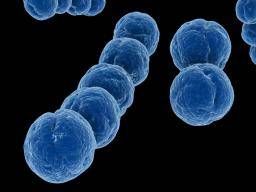
If you could shrink down to microscopic size and take a walk through the world, you’d realize something slightly unsettling: you are wildly outnumbered. Bacteria are everywhere – on your skin, in your mouth, in the soil, on your phone screen, even quietly hanging out on that “clean” dish towel. Some are essential for life, some make delicious yogurt, and some really want to ruin your vacation.
Understanding bacteria – what they are, the different types, where they live, and the hazards they pose – helps you make smarter choices about hygiene, food safety, and when to see a doctor. Let’s zoom in on these tiny powerhouses and troublemakers at the same time.
What Exactly Are Bacteria?
Bacteria are single-celled microorganisms. They’re part of a group called prokaryotes, which means they don’t have a true nucleus or the complex internal compartments that human cells do. Instead, their genetic material floats in the cell, and they run a surprisingly efficient one-room operation.
A typical bacterial cell has:
- Cell wall: A tough outer layer that helps maintain shape and protect the cell.
- Cell membrane: A thin barrier just inside the wall that controls what goes in and out.
- Cytoplasm: The gel-like interior where all the chemical reactions happen.
- DNA: Usually a single circular chromosome containing the instructions for life.
- Ribosomes: Tiny structures that build proteins.
- Extras (optional): Some have flagella (tails for movement) or capsules (slimy coats that help them stick to surfaces and dodge the immune system).
Bacteria multiply mainly by binary fission – one cell copies its DNA and splits into two identical “daughter” cells. Under good conditions, this can happen very quickly, which is great when the bacteria are helpful, and a big problem when they’re harmful.
Major Types of Bacteria: Shapes, Lifestyles, and Roles
By Shape: Cocci, Bacilli, and Spirals
One of the simplest ways to classify bacteria is by their shape:
- Cocci: Spherical or round bacteria. Examples include Streptococcus (strep throat) and Staphylococcus (many skin infections).
- Bacilli: Rod-shaped bacteria, such as Escherichia coli (E. coli) and Bacillus species.
- Spirals: Spiral or corkscrew-shaped bacteria, like Spirillum and spirochetes (a group that includes the bacteria causing Lyme disease and syphilis).
These shapes aren’t just about aesthetics. They influence how bacteria move, how they attach to surfaces, and how they interact with their environment.
Gram-Positive vs. Gram-Negative Bacteria
Another classic way to categorize bacteria is the Gram stain, a lab test that colors bacteria differently based on their cell wall structure:
- Gram-positive: Thick cell walls that hold onto the violet stain. Many skin bacteria and some pneumonia-causing species fall in this group.
- Gram-negative: Thinner cell walls plus an outer membrane. These bacteria often cause more serious infections and are more likely to show antibiotic resistance, including some hospital-acquired infections.
By Oxygen Needs
Bacteria also differ in their relationship with oxygen:
- Aerobic bacteria: Need oxygen to live (like us).
- Anaerobic bacteria: Can thrive without oxygen and may even be harmed by it.
- Facultative anaerobes: Flexible types that can switch between using oxygen and living without it.
By How They Relate to Us
- Commensal bacteria: Live on or in us without causing problems. Many normal skin and gut bacteria fit here.
- Beneficial bacteria: Actively help us, for example by aiding digestion or making vitamins.
- Pathogenic bacteria: Cause disease. These are the ones behind illnesses like strep throat, tuberculosis, and some types of food poisoning.
- Opportunistic bacteria: Usually harmless, but can cause disease when our immune system is weak or the bacteria get into places they don’t belong.
Where Do Bacteria Live?
Short answer: almost everywhere. Bacteria are some of the most adaptable life forms on the planet. They’re found in environments that would be a hard “nope” for humans.
On and Inside the Human Body
Your body is home to trillions of bacteria, especially in the microbiome – the community of microorganisms living in and on you. Major hotspots include:
- Skin: Bacteria live on virtually every inch. Many help crowd out harmful germs and maintain a healthy skin barrier.
- Gut: The intestines are a bacterial superhighway. Species like E. coli and various Lactobacillus and Bifidobacterium species help digest food, produce vitamins, and support the immune system.
- Mouth and nose: Bacteria help form dental plaque, influence oral health, and interact with respiratory defenses.
- Vagina: Healthy levels of Lactobacillus help keep the environment slightly acidic, which discourages harmful bacteria.
In the Environment
Beyond humans, bacteria thrive in:
- Soil: Bacteria help break down organic matter and recycle nutrients. Some “fix” nitrogen, making it usable for plants.
- Water: Freshwater, oceans, and even ice are full of bacteria that drive global nutrient cycles.
- Food: Some bacteria spoil food; others are intentionally added to create yogurt, cheese, sauerkraut, and many fermented goodies.
- Extreme environments: Certain bacteria love hot springs, deep-sea vents, or ultra-salty lakes. They’re called extremophiles and make our definition of “too much” look weak.
The Good Side of Bacteria: Why We Need Them
Yes, bacteria can be dangerous. But if all bacteria disappeared overnight, life as we know it would collapse. Here’s the bright side:
- Digestion and nutrition: Gut bacteria help break down complex carbohydrates, produce vitamins like vitamin K and some B vitamins, and support healthy metabolism.
- Immune training: Early and ongoing exposure to bacteria helps the immune system learn the difference between friend and foe.
- Protection from harmful germs: “Good” bacteria compete with pathogens for space and food, making it harder for harmful species to take over.
- Food and flavor: Bacteria are behind yogurt, cheese, kefir, kimchi, and other fermented foods that many people enjoy daily.
- Medicine and biotechnology: Bacteria are used to produce insulin, vaccines, enzymes, and other important medications in the lab.
In other words, not all germs are villains. Some are more like essential coworkers you rarely notice until they’re gone.
The Dark Side: Harmful Bacteria and Common Infections
When bacteria invade tissues, multiply, and start damaging cells or releasing toxins, an infection can occur. That’s when we move from quiet coexistence to sore throats, fevers, and sometimes serious illness.
Infection vs. Colonization
You can have bacteria living on or in you without being sick. This is called colonization. Trouble starts when bacteria cross barriers or multiply out of control, triggering inflammation and symptoms like pain, swelling, or fever.
Examples of Bacterial Infections
- Strep throat: Caused by Streptococcus pyogenes. Symptoms often include a sore throat, fever, and swollen glands.
- Urinary tract infections (UTIs): Often caused by E. coli from the gut finding its way into the urinary tract, leading to burning urination and frequent urges to go.
- Skin infections: Staph bacteria on the skin can cause boils, impetigo, and more serious infections if they get deeper into tissues.
- Foodborne illness: Bacteria like Salmonella, Campylobacter, Listeria, and certain E. coli strains cause diarrhea, vomiting, and stomach cramps.
- Serious systemic infections: Bacteria entering the bloodstream or deep organs can lead to pneumonia, meningitis, or sepsis, which is a medical emergency.
How Bacterial Infections Spread
Different bacteria travel in different ways, but common routes include:
- Person to person: Through droplets (coughing, sneezing), close contact, or contact with contaminated hands and surfaces.
- Food and water: Under-cooked meat, unpasteurized dairy, unwashed produce, or contaminated water can carry harmful bacteria.
- Environment and surfaces: High-touch surfaces – doorknobs, faucets, phones, desks – can harbor bacteria.
- Animals and insects: Some bacteria spread via animal bites, ticks, or other vectors.
Whether or not exposure leads to illness depends on the type and dose of bacteria, your immune system, and how quickly the germs are cleared or treated.
How We Diagnose and Treat Bacterial Infections
Diagnosing Bacterial Infections
Healthcare professionals use symptoms, exam findings, and sometimes lab tests to figure out whether bacteria are to blame. Common tests include:
- Cultures: Samples of blood, urine, throat swabs, sputum, or other fluids are placed in special conditions to see what bacteria grow. This helps identify the exact type.
- Sensitivity testing: Once a bacteria is identified, labs can test which antibiotics work best against it.
- Rapid tests and molecular tests: Some infections can be detected quickly by looking for bacterial DNA or specific antigens.
Only a healthcare professional can diagnose a bacterial infection properly. Many symptoms, like cough or diarrhea, can also be caused by viruses or other germs, which need different treatment.
Antibiotics: Powerful but Not Magic
Antibiotics are medicines that either kill bacteria or stop them from multiplying. They transformed modern medicine by turning once-deadly infections into treatable problems.
However, antibiotics:
- Work against bacteria, not viruses such as the common cold, flu, or most cases of COVID-19.
- Must be taken as prescribed and completed fully, even if you feel better before the bottle’s empty.
- Can have side effects, including diarrhea, allergic reactions, and disruption of normal gut bacteria.
Antibiotic Resistance
When bacteria are repeatedly exposed to antibiotics – especially when they’re used incorrectly or unnecessarily – some can survive and adapt. Over time, this leads to antibiotic-resistant bacteria, which are much harder to treat.
To slow resistance, experts recommend:
- Using antibiotics only when truly needed and prescribed by a professional.
- Never sharing antibiotics or using leftover pills.
- Focusing on prevention (like vaccines and hygiene) so fewer infections require treatment in the first place.
Everyday Ways to Protect Yourself from Harmful Bacteria
Good news: you don’t need to live in a sterile bubble to stay healthy. Simple daily habits go a long way toward preventing bacterial infections.
1. Wash Your Hands Like You Mean It
Proper handwashing with soap and water for at least 20 seconds is one of the easiest, most effective ways to remove harmful bacteria. Focus on:
- Before eating or preparing food
- After using the restroom
- After handling raw meat or cleaning up after pets
- After coughing, sneezing, or blowing your nose
2. Practice Smart Food Safety
- Cook: Make sure meats, poultry, and eggs are cooked to safe internal temperatures.
- Chill: Refrigerate leftovers promptly – within about 2 hours, sooner if it’s hot.
- Clean: Wash hands, cutting boards, and utensils after handling raw foods.
- Separate: Keep raw meat, poultry, and seafood away from ready-to-eat foods to avoid cross-contamination.
3. Clean and Disinfect High-Touch Surfaces
Regular cleaning with soap or detergent removes most bacteria from surfaces. Disinfectants may be used for areas that come into contact with raw meat, bodily fluids, or when someone in the home is sick. Always follow product instructions and avoid mixing cleaning chemicals.
4. Stay Up to Date on Vaccines
Some vaccines protect directly against bacterial infections (like tetanus, whooping cough, and certain types of pneumonia and meningitis). Others target viruses but still reduce your overall risk of severe illness and complications. Your healthcare provider can help you decide which vaccines are recommended for your age and health status.
5. Take Care of Wounds
Even small cuts can be an entry point for bacteria. Clean cuts with mild soap and water, apply an appropriate dressing, and watch for signs of infection such as spreading redness, increasing pain, warmth, or pus. Seek medical care if you’re concerned.
When to Seek Medical Help
Because many infections start with similar symptoms, you should see a healthcare professional promptly if you notice:
- High fever or a fever that doesn’t improve
- Severe pain, especially at a specific site
- Shortness of breath, chest pain, confusion, or extreme fatigue
- Signs of dehydration (very dry mouth, dizziness, not urinating much)
- Symptoms that suddenly get much worse instead of better
This isn’t a complete list, but it’s a reminder that serious bacterial infections should never be ignored. When in doubt, get checked out.
Real-Life Experiences: Living in a World Full of Bacteria
Facts and bullet points are helpful, but bacteria show up most clearly in everyday life. Here are some relatable experiences that highlight how these microbes affect us – and what we learn from them.
The Undercooked Chicken Lesson
Imagine someone hosting their first big dinner party. The chicken looks “about right,” so it comes off the grill a few minutes early. Everyone eats, everyone compliments the seasoning, and everything seems great – until a handful of guests wake up later with cramps, diarrhea, and the sudden realization that foodborne bacteria like Salmonella do not care about your social calendar.
From that one night, a few lifelong habits can form: using a food thermometer, washing cutting boards right after raw meat touches them, and never letting leftovers lounge on the counter for hours. The experience is miserable, but it permanently upgrades the host’s relationship with bacteria and food safety.
The Traveler’s Tummy Wake-Up Call
Many people learn about E. coli and other gut bacteria the hard way – while traveling. One adventurous drink of untreated water or a salad rinsed in contaminated water can lead to several days of “I never want to leave the bathroom again.”
That experience quickly drives home the reality that bacteria are highly local. The water that’s safe for residents who grew up with it may be a shock to an unprepared traveler’s microbiome. After a bout of traveler’s diarrhea, people often become very loyal to bottled water, boiled drinks, thoroughly cooked food, and simple hygiene habits that can dramatically reduce risk.
The Parent’s Daycare Reality Check
Parents of toddlers quickly learn that daycare centers are basically networking events for bacteria. One child arrives with a mild runny nose and, like clockwork, the entire class passes around a cascade of bugs. Some are viral, some are bacterial, and it often feels like an endless cycle of tissues and tiny coughs.
On the upside, parents see the immune system in action. Over time, as kids encounter different bacteria and viruses, they tend to build stronger immune defenses. Parents also become pros at handwashing routines, disinfecting high-touch surfaces, and spotting early signs of infection that need medical attention.
Learning Not to Over-Sanitize Skin
Another common experience: someone with acne or oily skin decides the answer must be to blast their face with harsh cleansers and antibacterial wipes. At first, it might feel satisfying. But soon, the skin becomes dry, irritated, and sometimes even more breakout-prone.
That’s a crash course in the skin microbiome. When you strip away too many of the “normal” bacteria, you can disrupt the balance that helps keep harmful microbes in check. Many people eventually find a middle path: gentle cleansing, avoiding overuse of strong antibacterial products, and working with healthcare providers when needed.
The Hospital Reminder About Resistance
For anyone who’s had a loved one end up in the hospital with a serious bacterial infection, the idea of antibiotic resistance stops being abstract. You see doctors choosing treatments carefully, sometimes changing antibiotics based on culture results, and talking about bacteria that are difficult to kill.
These experiences highlight why using antibiotics wisely in everyday life matters. That “just in case” prescription used for a viral cold years ago doesn’t seem so harmless when you understand how resistance builds over time and affects real people in real hospital beds.
The Bottom Line
Bacteria are not just the villains in disinfectant commercials. They’re ancient, adaptable, and essential – and some of them are also genuinely dangerous. Knowing the main types of bacteria, where they live, how they help us, and how they can harm us gives you a huge advantage in staying healthy.
By practicing good hygiene, respecting food safety rules, using antibiotics wisely, and paying attention to warning signs of infection, you can live comfortably in a world that’s absolutely crawling with bacteria – mostly in ways you never notice.













