
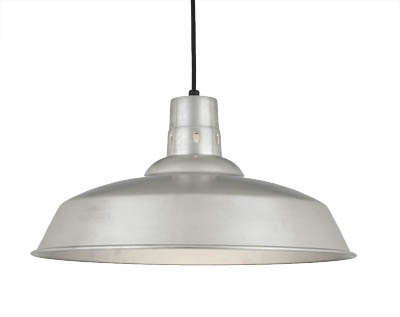
If a standard pendant light is the polite guest at the party, the barn light warehouse pendant is the one with character, good stories, and excellent taste in boots. This fixture has become a favorite in American homes because it blends vintage utility with modern style. It looks right at home over a kitchen island, in a mudroom, above a farmhouse table, in a coffee bar corner, or even in a covered outdoor entry where you want something tougher than a delicate glass shade.
At its core, a barn light warehouse pendant is a downward-facing hanging light inspired by the metal shades once used in early factories, barns, workshops, and warehouses. That history gives it practical roots, but its staying power comes from versatility. It can lean industrial, farmhouse, rustic, coastal, modern, or even minimalist depending on the finish, cord, size, and bulb you pair with it. In other words, it is one of those rare fixtures that can wear work boots or loafers and still look perfectly comfortable.
What Is a Barn Light Warehouse Pendant?
A barn light warehouse pendant is typically a metal pendant with a broad dome or flared shade that pushes light downward onto a table, counter, or work surface. Many versions trace their look to classic RLM-style shades. The letters “RLM” are often associated with reflector-style industrial lighting, and that explains why these pendants are so good at one job: putting light where people actually need it.
That practical shape is the secret sauce. The shade directs illumination below rather than scattering it everywhere. So instead of getting a room full of vague brightness and disappointment, you get focused task light on the kitchen island, breakfast table, entry bench, sink area, or workshop counter. Some versions are simple and smooth. Others include wire guards, vented tops, guard-and-glass details, galvanized finishes, or long cloth-wrapped cords for extra personality.
The look may be rooted in utility, but today’s barn pendants are much more refined. You will find options in black, white, green, rust, brass, copper, nickel, and galvanized finishes. Some are minimalist and sleek. Others proudly lean into the old-school factory vibe. Either way, the silhouette remains the star.
Why Homeowners Keep Coming Back to This Style
There is a reason the barn light warehouse pendant refuses to go out of style. Actually, there are several.
1. It delivers serious function
These fixtures are built for downlighting. That makes them especially useful in kitchens, dining areas, laundry rooms, mudrooms, and work spaces where overhead light needs to do more than just exist.
2. It works with a shocking number of design styles
Yes, it is a natural fit for farmhouse interiors. But it also looks great in industrial lofts, transitional kitchens, modern rustic homes, cottage spaces, and even cleaner contemporary rooms that need one grounded, textural element to keep things from feeling too slick.
3. It gives you scale choices
Small warehouse pendants can be tucked above a sink or entry nook. Medium sizes work beautifully over islands and breakfast tables. Oversized shades can become a major focal point in a dining room, loft, or open-plan kitchen. This style is unusually flexible that way.
4. It usually ages well
Metal shades tend to feel sturdier and less trend-sensitive than many highly decorative fixtures. A well-chosen barn pendant can survive cabinet paint changes, backsplash updates, new bar stools, and your sudden belief that you are “totally a brass person now.”
Where a Barn Light Warehouse Pendant Works Best
Kitchen islands
This is probably the most popular place for the style, and for good reason. A row of two or three barn pendants above an island creates strong task lighting while giving the kitchen a sense of rhythm and structure. The shape also feels substantial enough to anchor the island visually, especially in open-concept homes where the kitchen blends into living and dining spaces.
Dining tables
Over a dining table, a warehouse pendant feels warm, casual, and inviting. It is less formal than a crystal chandelier but has far more presence than a basic flush mount. If you want a room that says “come in, sit down, have another taco,” this fixture gets the message across.
Breakfast nooks and coffee stations
A single pendant can turn a small corner into a destination. Add one over a breakfast banquette, a café table, or a dedicated coffee bar, and suddenly the space feels intentional instead of accidental.
Mudrooms and laundry rooms
These hardworking rooms benefit from hardworking lighting. A barn light warehouse pendant adds charm without becoming precious. It can make a functional space look more designed while still feeling practical.
Covered outdoor entries
If you choose a damp-rated version, this style can work beautifully in a covered porch or entry. It brings a friendly, classic American feel to the exterior and offers focused light where guests actually need it.
How to Choose the Right Barn Light Warehouse Pendant
Start with size, not finish
It is tempting to pick a color first because matte black and galvanized metal are easy to fall for. But size is the decision that will make or break the fixture. Too small, and it looks timid. Too large, and it dominates the room like an overconfident dinner guest.
In the broader pendant market, sizes vary widely, but warehouse-style pendants commonly show up in useful real-world sizes like 12 inches, 16 inches, 17 inches, 18 inches, and larger statement sizes into the upper 20-inch range. A 12-inch shade can work well over a sink, side table, or small nook. Mid-size options around 16 to 18 inches often feel right over islands, prep zones, and breakfast tables. Larger shades make sense when you need visual weight in bigger rooms with tall ceilings.
Pick the right mounting style
Most barn warehouse pendants are cord-hung or stem-mounted. Cord-hung fixtures usually feel a little more relaxed and flexible, especially in farmhouse, cottage, or casual industrial spaces. Stem-mounted versions often look more tailored and architectural. If your room skews more polished than rustic, a stem may be your friend.
Think carefully about material
Metal is the hallmark here, but not all metals behave the same way. Aluminum is popular because it is lightweight and generally more weather-resistant than steel. Galvanized finishes bring a more rugged, industrial feel. Brass and copper lean warmer and more decorative. Powder-coated finishes in black, white, green, or rust can swing the style in a more farmhouse or heritage direction.
Choose the finish based on the room’s other metals
If your kitchen already has black hardware, a black pendant will look intentional. If your room needs warmth, a copper or brass-toned version can soften the industrial vibe. If you want a more authentic workshop look, galvanized metal has plenty of charm.
Do not ignore the bulb
The fixture gets the glory, but the bulb does the work. In more relaxed spaces like dining rooms and living areas, warm light usually feels best. In task-heavy spaces like kitchens, a slightly cooler or brighter bulb can be useful. Also pay attention to lumens rather than assuming wattage tells the whole story. Brightness matters, especially under a metal shade that aims light downward.
Placement Tips That Save You From Regret
Good lighting is not just about buying the right fixture. It is about hanging it where it actually works.
Over a kitchen island
A common guideline is to hang pendants about 24 to 36 inches above the counter. That range usually gives you useful task light without blocking sightlines. If you are using multiple pendants, keeping them at least 24 inches apart is a smart starting point. In practical design terms, that means the pendants should feel evenly spaced, not jammed together like nervous airline passengers.
Over a dining table
A general rule is to hang the bottom of the fixture about 30 to 36 inches above the tabletop. That helps the light feel intimate and centered without forcing people to play peekaboo across dinner.
In open rooms
If the pendant is hanging in open space rather than above furniture, many pros suggest keeping it high enough for comfortable clearance. A common guideline is to allow roughly 12 to 20 inches of drop below an 8-foot ceiling, then add about 3 inches for each additional foot of ceiling height. In entry areas, maintaining at least 7 feet of clearance below the fixture is a safe rule of thumb.
At the ends of islands or tables
Leave visual breathing room. Pendants should look centered over the surface below, not as if they wandered off mid-installation. The best layouts look balanced before anyone even flips the switch.
Features Worth Paying Extra For
- Damp rating: Important for covered outdoor areas, kitchens near sinks, or other moisture-prone spots.
- Sloped ceiling adaptability: Very handy in older homes, lofts, and converted spaces where ceilings refuse to be straightforward.
- Long adjustable cord: Useful for taller ceilings and custom drops.
- Wire guard or guard-and-glass options: Great if you want a more industrial or vintage work-light appearance.
- Dimming compatibility: A dimmer gives you flexibility, better mood control, and fewer harsh-light regrets at dinner time.
- LED compatibility or integrated LED: Helpful if you want energy efficiency without sacrificing style.
Mistakes to Avoid
Choosing a fixture that is too small
This is the classic lighting mistake. People fear going too big, so they go too tiny. The result is a pendant that looks apologetic. Warehouse pendants are supposed to have presence.
Using only one light source in the room
A barn light warehouse pendant is excellent, but it should not have to solve every lighting problem by itself. Pair it with recessed lights, under-cabinet lighting, sconces, or lamps so the room has layers.
Skipping the dimmer
A metal pendant can create strong, focused light. That is wonderful when you are chopping vegetables, but maybe not when you are drinking tea and pretending to answer emails. A dimmer gives the fixture a second personality, and that is always a plus.
Ignoring color temperature
A beautiful pendant with the wrong bulb can feel icy, dull, or strangely clinical. Match the bulb to the mood and function of the space.
Real-Life Experiences With a Barn Light Warehouse Pendant
Living with a barn light warehouse pendant is one of those small home upgrades that tends to punch above its weight. At first, people install it because they like the look. Then a few weeks pass, and they realize the bigger win is how the room behaves. A kitchen island becomes easier to use. A breakfast nook feels more finished. A once-forgotten mudroom suddenly has style instead of just shoes and passive-aggressive clutter.
One of the most common experiences homeowners talk about is how much more grounded a room feels once the right pendant is in place. Before the fixture goes up, a kitchen can feel a little too wide open, especially in newer homes with large ceilings and broad sightlines. After installation, the pendant visually “lands” the island. It tells the eye where to look. It defines a zone. It makes the island feel like a destination instead of a giant rectangle in the middle of the room.
Another frequent reaction is surprise at how warm an industrial-style light can feel. On paper, a metal shade sounds a little stern. In practice, the right finish and bulb make it welcoming. A black warehouse pendant can look crisp and modern over white cabinets. A galvanized version can add texture to a farmhouse kitchen without feeling corny. A dark green or rust finish can bring just enough color to make the room memorable. Suddenly the light is not only functional. It is part of the personality of the house.
People also tend to appreciate how easy this style is to live with day to day. Glass fixtures can show dust, fingerprints, and every little smudge as if they are training for a forensic drama. A painted or galvanized metal shade is usually more forgiving. It does not beg for constant polishing, which is wonderful news for anyone who already has enough chores and exactly zero interest in dusting a chandelier before breakfast.
There is also the mood factor. During the day, a warehouse pendant can feel practical and bright, especially over a prep surface or dining table. At night, when it is on a dimmer, the same fixture can completely change the atmosphere. Dinner feels cozier. The kitchen looks calmer. The light pools downward in a way that makes the room feel intentional rather than overlit. That shift from work mode to unwind mode is a big reason this style stays popular.
In smaller spaces, the experience is often about transformation. A tiny breakfast corner can go from “temporary folding-chair energy” to “cute café moment” with a single pendant. In larger homes, the experience is more about cohesion. Matching barn pendants can connect the kitchen to the pantry, mudroom, or back entry without making everything look copy-and-paste. They create continuity while still leaving room for personality elsewhere.
Perhaps the best thing about the barn light warehouse pendant is that it rarely feels fussy. It does its job. It looks good doing it. And years later, it still tends to make sense in the room. That kind of staying power is harder to find than most people think, which is exactly why this fixture keeps earning a place in American homes.
Final Thoughts
The barn light warehouse pendant succeeds because it balances form and function almost perfectly. It is rooted in utility, but it never feels stuck in the past. It can look classic, industrial, farmhouse, modern rustic, or quietly contemporary depending on how you style it. More importantly, it provides focused, useful light in the places where real life happens: kitchens, tables, entryways, mudrooms, and work zones.
If you want lighting that feels timeless without feeling boring, practical without feeling plain, and stylish without screaming for attention, this fixture deserves a serious look. Choose the right size, hang it at the right height, pair it with the right bulb, and let it do what it has always done best: make everyday spaces work harder and look better.













