
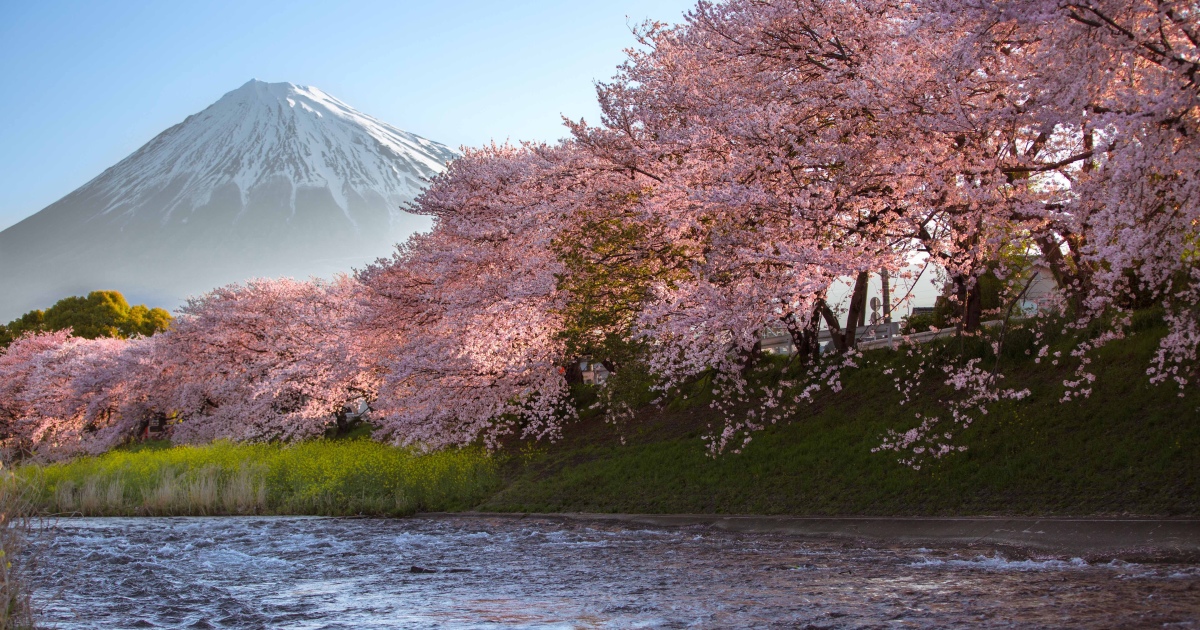
For a few dazzling days each spring, sakura trees seem to rewrite the landscape. Ordinary sidewalks become pink tunnels, ponds turn into mirrors for drifting petals, and gray city blocks suddenly look as though someone adjusted the world’s saturation slider. Then, almost as quickly as the blossoms arrive, wind and rain scatter them.
That fleeting beauty is precisely what makes cherry blossom photography so captivating. The finest sakura pictures do more than document pretty flowers. They capture atmosphere, movement, cultural meaning, seasonal change, and the quiet excitement of people who know the show will not last forever.
Why Blooming Sakura Pictures Feel Almost Magical
Sakura is the Japanese word commonly used for ornamental cherry blossoms. These trees belong to the genus Prunus, but most celebrated varieties are grown for their flowers rather than fruit. Their visual power begins with abundance. One blossom is delicate; thousands covering arching branches become a cloud that can transform an entire park, street, or garden.
A Color Palette Beyond Basic Pink
Cherry blossoms are not limited to one shade of bubble-gum pink. Yoshino cherry buds often begin rosy before opening into pale pink or nearly white flowers. Kanzan cherries produce dense clusters of deep pink double blooms, frequently containing 20 to 30 petals. Shirotae cherries are known for large white flowers, while Ukon blossoms can open greenish yellow before gradually shifting toward cream and pink.
Light alters those colors again. Morning shade may create lavender undertones, midday sun emphasizes white petals against blue skies, and late-afternoon light turns the scene peach and gold. Illuminated at night, the same branches can appear mysterious and almost theatricallike spring has opened a temporary nightclub.
Beauty Made Stronger by Brevity
Cherry blossom season is famously short. The exact duration depends on the variety, temperature, wind, and rain, but a peak display may remain at its best for only about a week. Warm weather accelerates flowering, while heavy rain and strong wind can quickly remove the petals. Cooler, calm conditions generally help the display last longer.
This limited window gives sakura photographs emotional weight. A picture becomes evidence of a moment that could not be postponed. The flowers look fragile because they genuinely are, and viewers understand that the glowing canopy will soon become a pale carpet on the ground.
The Visual Stories Hidden Inside Gorgeous Sakura Pictures
The most memorable cherry blossom photographs are rarely just “tree plus sky.” They use scale, movement, reflections, architecture, and human presence to tell a story. A wide landscape communicates wonder, while a close-up reveals the veins in a petal, the texture of dark bark, or the golden stamens at the center of a flower.
The Grand Sakura Canopy
Wide photographs work beautifully when trees form an avenue, surround a lawn, or frame a recognizable landmark. A low camera angle makes the branches stretch overhead, giving viewers the sensation of standing beneath them. Paths, canals, fences, and rows of trunks become leading lines that pull the eye through the scene.
Symmetry is especially effective in formal gardens and campus quadrangles. Around Washington, D.C.’s Tidal Basin, pale branches frame the Jefferson Memorial and Washington Monument. At the University of Washington in Seattle, mature Yoshino cherries soften the Gothic architecture surrounding the Quad. Natural delicacy and human geometry share the frame without fighting over who gets top billing.
The Intimate Blossom Portrait
A close-up turns individual flowers into portrait subjects. Photographers often isolate a small cluster against a distant background, using a wide aperture to create creamy blur, or bokeh. Dew, raindrops, bees, and small birds can add detail without overwhelming the blossoms.
Backlighting is another popular technique. When sunlight passes through the thin petals, their edges glow and subtle veins appear. Slightly lowering the exposure helps protect highlights, preventing pale flowers from becoming featureless white patches.
Reflections and Falling Sakura Snow
Water can double the spectacle. A pond, canal, or even a rain puddle may reflect flowering branches while floating petals create texture across the surface. Calm water produces symmetry; ripples turn the reflection into an impressionistic painting.
After peak bloom, falling petals create what is sometimes called “sakura snow.” A fast shutter speed can freeze petals in midair, while a slower exposure records soft streaks of movement. Including a person walking beneath the trees gives the image scale and a sense of time passing.
People Bring Emotion to the Frame
A lone figure beneath a huge canopy shows how enveloping the trees feel. Families picnicking, couples strolling, friends laughing, and children chasing petals communicate the communal spirit of blossom viewing. Human subjects work best when they appear naturally connected to the environment rather than arranged like contestants in an outdoor fashion show.
Sakura, Hanami, and the Meaning Behind the Beauty
In Japan, the tradition of appreciating blossoms is known as hanami, which literally means “flower viewing.” Although the term can apply to other flowers, it is now closely associated with cherry blossoms. Friends, relatives, and coworkers gather beneath flowering trees to eat, talk, and welcome spring.
Sakura commonly represents renewal, beauty, and impermanence. The flowers arrive in overwhelming numbers but remain for only a short period. That contrast has inspired poetry, paintings, woodblock prints, decorative arts, historical photographs, and countless modern social media posts. A branch against an empty sky may look simple, yet culturally it can express an entire philosophy: pay attention because the moment is already changing.
In the United States, cherry blossoms also symbolize friendship between Japan and America. In 1912, Tokyo presented Washington, D.C., with 3,000 cherry trees. First Lady Helen Herron Taft and Viscountess Chinda planted two Yoshino trees on March 27 near the Tidal Basin. More than a century later, the annual bloom remains one of the most photographed signs of spring in the nation’s capital.
Picture-Perfect Sakura Scenes Around the World
Japan: Temples, Rivers, Castles, and Mount Fuji
Japan offers an extraordinary variety of cherry blossom settings. Tokyo’s parks and riverside walks show how nature can transform a dense metropolis. Kyoto combines sakura with temple roofs, stone pathways, traditional gardens, and narrow waterways. Castle grounds add white walls, dark timber, and reflective moats that contrast dramatically with pastel flowers.
Mount Fuji framed by blooming cherry trees is one of the world’s most recognizable spring compositions. Capturing it well requires clear visibility, suitable light, correct bloom timing, and considerable patience. When the conditions cooperate, the photograph brings together two powerful symbols: a mountain that appears permanent and blossoms that emphasize how little is.
Washington, D.C.: Blossoms and Monumental Architecture
The Tidal Basin offers classic views of Yoshino cherries curving around the water. Early morning provides softer light, fewer visitors, and calmer reflections. The National Park Service defines peak bloom as the point when 70 percent of the Yoshino blossoms are open, although beautiful pictures can be created before and after that milestone.
Before peak bloom, dark pink buds add contrast. During peak bloom, the branches form continuous pale clouds. Afterward, drifting petals create movement and a more reflective mood. Photographers who chase only one officially “perfect” day may miss the richer story unfolding on either side of it.
Seattle and Brooklyn: Two Distinctive American Displays
The University of Washington Quad contains 29 signature Yoshino cherry trees, many approximately 90 years old. Moved to their current location in 1962, the trees create a near-continuous ceiling of blossoms surrounded by historic university buildings. Sunrise is especially rewarding because the grounds are quieter and the light is softer.
Brooklyn Botanic Garden offers a different experience through its diverse flowering cherry collection. Early weeping cherries, midseason Yoshinos, late double-flowering Kanzans, and unusual cultivars extend the visual season. Rather than presenting one single peak day, the garden changes in chapters throughout spring.
How to Photograph Cherry Blossoms Beautifully
Arrive Early and Watch the Weather
Dawn is usually the easiest time to find uncluttered compositions. Wind is often lighter, popular locations are less crowded, and low-angle light gives petals depth. Overcast weather is also excellent because clouds soften shadows and help pale flowers retain detail.
Do not automatically cancel because of drizzle. Raindrops create texture, wet bark becomes darker, and reflective pavement can add depth. Protect the camera, use a lens hood, and carry a cloth for the front element. A soaked photographer is not automatically an artistic photographer, but occasionally the overlap is useful.
Shoot Wide, Medium, and Tight
Create a complete visual story by changing scale. Begin with an establishing picture of the entire grove. Move closer for a branch framed by architecture or water. Finish with details such as flower clusters, raindrops, buds, or fallen petals. Professional photography guidance commonly recommends combining wide views, close compositions, and macro-style details rather than repeating the same angle.
Choose Backgrounds Deliberately
Before pressing the shutter, scan the edges of the frame. Trash cans, road signs, parked vehicles, and wandering elbows can compete with delicate blossoms. A small step left or right may replace clutter with sky, water, dark foliage, or a simple wall.
With a smartphone, tap the blossom to set focus and slightly reduce exposure if the petals appear too bright. Portrait mode may create pleasing background blur, although thin branches can sometimes confuse the software and produce strangely melted twigs.
Respect the Trees and Other Visitors
Never climb a cherry tree, shake a branch to manufacture falling petals, or pull flowers closer for a photograph. Mature ornamental cherries can be vulnerable to broken limbs and compacted soil. Remain on permitted paths, follow local photography rules, and avoid blocking narrow walkways with tripods or elaborate portrait equipment.
A Changing Climate Complicates Bloom Timing
Cherry trees respond to temperature in more complex ways than “warm weather equals earlier flowers.” They require sufficient winter chilling as well as spring warmth. Long-term warming can shift bloom periods, while unusually mild winters may delay the chilling needed by certain cultivars in some climates.
Researchers increasingly combine historical records, weather models, and direct bud observations to predict flowering. The University of Washington has even used decades of records and student observations to study changes in its Yoshino cherries. For travelers and photographers, official bloom reports, webcams, recent photographs, and flexible schedules are now more useful than relying on the same calendar date every year.
The Lasting Beauty of a Brief Spring
Gorgeous sakura pictures endure because they contain a contradiction. They make a temporary event feel permanent while reminding us that it was never permanent at all. A canopy in full bloom, a child watching petals fall, or a white flower glowing against an evening sky can hold botanical detail, cultural history, and personal memory in one frame.
The secret is not necessarily expensive equipment or an empty location. It is attention. Notice how light moves through the petals, how wind changes a branch, and how yesterday’s blossoms become today’s pink pathway. Sakura rewards anyone willing to look carefullyand punishes procrastination with a lawn full of petals.
An Immersive Sakura Experience: From First Light to Falling Petals
Imagine arriving at a blossom garden shortly before sunrise. The entrance is quiet, the air is cool, and the trees appear almost colorless in the blue light. Famous photographs may have trained you to expect an immediate wall of pink, but the first impression is subtler: dark trunks, tangled branches, and pale flowers gradually emerging from shadow.
As the sky brightens, individual blossoms begin separating from the canopy. Pink buds become visible among white petals, and the texture of the trees changes from misty to intricate. A small bird lands on a branch and immediately becomes the most photographed creature within 100 yards. It appears completely unimpressed by its new career.
Walking beneath the trees feels different from viewing them outside the grove. Overlapping branches divide the sky into small blue fragments. The scent may be faint, yet the visual abundance creates the impression that the blossoms must be perfuming everything. People naturally lower their voices. Even visitors carrying enormous cameras pause before beginning their technical rituals.
When sunlight finally reaches the canopy, the atmosphere changes quickly. Backlit petals become translucent and their edges glow. The most famous viewpoint is not always the most memorable. A reflection in a puddle, a bicycle parked beneath a branch, or an older couple sharing coffee may feel more personal than the widest postcard composition.
You begin photographing less and observing more. That is usually when the strongest picture appears. Perhaps a child reaches for a falling petal, a gust of wind shakes a branch, or sunlight briefly illuminates one cluster while the background remains in shadow. The moment lasts only seconds, but it contains more life than a perfectly arranged scene.
By midmorning, the quiet garden becomes a gathering place. Families spread picnic blankets, friends pose for pictures, and portrait photographers negotiate tiny territories of flattering light. Somewhere, someone is attempting to direct the wind. The blossoms connect strangers because everyone has arrived for the same brief event, and everyone is silently hoping the weather will behave for another hour.
Then a breeze lifts. At first, only a few petals move. A branch trembles, and a soft shower drifts across the pathway. Phones rise almost in unison. Falling petals are difficult to photograph perfectly, but perfection suddenly matters less. The movement explains the entire appeal of sakura: beauty is happening, beauty is leaving, and both parts belong to the experience.
Later, while reviewing the pictures, the technically sharpest frame may not be the favorite. You might prefer the photograph with a blurred petal crossing the lens, an unexpected flare of sunlight, or a stranger looking upward. It preserves the feeling of being present rather than merely proving that the flowers existed.
That is the deeper gift of blooming sakuras captured in gorgeous pictures. The images preserve color and composition, but they also preserve attention. They remind us that spring did not simply arrive; for one unforgettable morning, we noticed it.














