
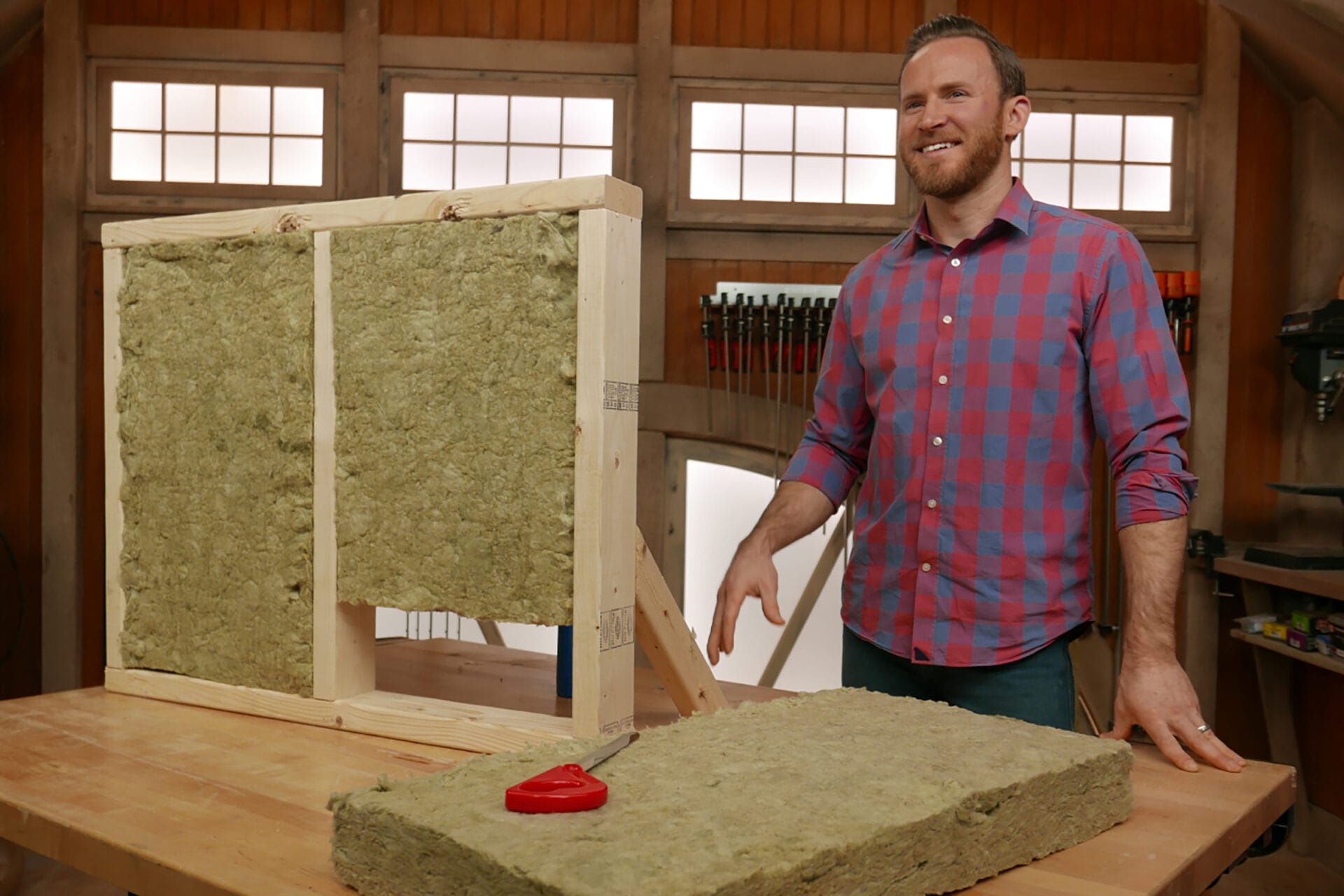
Stone wool insulation is one of those building materials that does not make a dramatic entrance. It does not sparkle, beep, connect to Wi-Fi, or come with an app that sends motivational quotes to your attic. Yet quietly, behind drywall, above ceilings, inside exterior walls, and around mechanical spaces, it does serious work: keeping homes comfortable, reducing noise, improving fire safety, and helping buildings perform better for decades.
Also called rock wool or mineral wool insulation, stone wool is made by melting volcanic rock, often basalt, and sometimes recycled slag, then spinning the molten material into fine fibers. Think cotton candy, but instead of sugar at a county fair, it starts with rock at extremely high temperatures. The result is a dense, fibrous insulation product available as batts, boards, blankets, and specialty products for homes, commercial buildings, industrial systems, and exterior wall assemblies.
The benefits of stone wool insulation go beyond basic R-value. It offers a rare combination of thermal performance, sound control, fire resistance, moisture resilience, dimensional stability, and long-term durability. In plain English: it helps your building stay warmer in winter, cooler in summer, quieter all year, and better prepared for the “oops” moments life occasionally throws at walls and ceilings.
What Is Stone Wool Insulation?
Stone wool insulation belongs to the broader mineral wool family. While fiberglass is made from glass fibers and cellulose is made from recycled paper products, stone wool is made primarily from natural rock and recycled mineral materials. During manufacturing, these raw materials are heated until molten, spun into fibers, treated with binders and water-repellent agents, then formed into insulation products with different densities and thicknesses.
Because of its mineral-based composition, stone wool has performance characteristics that many homeowners, builders, architects, and energy-conscious renovators find attractive. It is naturally noncombustible, resists moisture, absorbs sound, and maintains its shape well when properly installed. That mix makes it useful in exterior walls, interior partitions, basements, attics, ceilings, multifamily buildings, home theaters, mechanical rooms, and high-performance wall systems.
It is important to understand one thing early: stone wool is not magic. It still needs proper installation, air sealing, moisture control, correct detailing, and the right product for the right application. But when used wisely, it can be a very smart upgrade over basic insulation choices.
Top Benefits of Stone Wool Insulation
1. Strong Thermal Performance for Year-Round Comfort
The most obvious reason to install insulation is thermal control. Stone wool slows heat transfer through walls, roofs, floors, and ceilings, helping indoor spaces stay more stable. In winter, it helps keep heated air from escaping too quickly. In summer, it helps slow outdoor heat from marching into your home like it owns the place.
Stone wool products often provide competitive R-values per inch, with many residential batts commonly landing around the R-4-per-inch range depending on the product. That makes it especially useful where wall cavity depth is limited but performance matters. A typical 2×4 wall cavity, for example, can often accommodate stone wool batts with a higher R-value than many standard fiberglass options.
Better thermal performance can reduce heating and cooling loads, improve comfort near exterior walls, and help HVAC systems work less aggressively. Your furnace and air conditioner may not send a thank-you card, but lower strain is generally good news for energy use and equipment life.
2. Excellent Fire Resistance
One of the biggest benefits of stone wool insulation is fire performance. Because it is made from mineral fibers, stone wool is noncombustible and can withstand very high temperatures. This makes it valuable in fire-rated assemblies, garage walls, multifamily construction, mechanical rooms, commercial buildings, and areas where passive fire protection matters.
Stone wool does not replace proper firestopping, code-compliant assemblies, smoke alarms, sprinklers, or safe electrical work. However, it can support safer building design by helping slow heat transfer and contributing to fire-resistant wall, floor, and ceiling systems. In practical terms, it gives the building assembly one more layer of resilience.
That fire resistance is one reason builders often consider stone wool for garage-to-house walls, basement ceilings, apartment separations, and exterior continuous insulation systems where noncombustible materials are preferred or required. It is insulation with a calm personality under pressure, which is exactly what you want when things get hot.
3. Impressive Sound Control
If you have ever heard a blender roaring from the kitchen, footsteps above a basement ceiling, or a teenager gaming online with the emotional intensity of a sports commentator, you already understand why acoustic insulation matters.
Stone wool’s dense, fibrous structure helps absorb sound energy. This makes it an excellent choice for interior walls, media rooms, bedrooms, bathrooms, home offices, laundry rooms, mechanical rooms, and shared walls in multifamily housing. It does not make a room completely soundproof by itself, because true soundproofing also requires air sealing, decoupling, mass, and careful detailing. But as part of a good wall or ceiling assembly, stone wool can noticeably reduce noise transfer.
For example, installing stone wool batts in the wall between a bedroom and a bathroom can reduce the awkward “everyone can hear everything” effect. Adding it between floor joists under a busy upstairs room can help soften airborne noise. In a home office, it can make calls feel more private and less like a public broadcast from your drywall.
4. Moisture Resistance and Drying Potential
Moisture is one of the great villains of building performance. It sneaks in through leaks, condensation, humid air, and poor drainage. Once moisture hangs around, it can contribute to mold growth, material damage, unpleasant smells, and general homeowner sadness.
Stone wool insulation is typically water-repellent, meaning it resists absorbing liquid water. At the same time, many stone wool products are vapor-permeable, allowing assemblies to dry under the right conditions. That combination can be especially useful in exterior wall systems where designers want moisture tolerance and drying potential.
This does not mean stone wool should be treated like a sponge at a pool party. Insulation materials should still be kept dry during storage and installation. Wall assemblies still need flashing, drainage planes, air barriers, and smart vapor control. But compared with materials that trap or absorb more moisture, stone wool can be forgiving in well-designed systems.
5. Mold and Pest Resistance
Stone wool is inorganic, so it does not provide the same food source that organic materials can. That helps make it resistant to mold growth when used correctly. Since mold problems usually depend on moisture, warmth, and food, removing one of those ingredients is helpful. The key is still moisture control: fix leaks, manage humidity, and do not let building materials stay wet.
Stone wool is also not appealing to many pests as nesting or food material in the same way some softer or organic products can be. No insulation is a complete pest-control strategy, of course. Gaps, cracks, and entry points still need to be sealed. But stone wool’s density and mineral composition give it a durability advantage in many applications.
6. Long-Term Shape and Dimensional Stability
Insulation only works well when it stays where it belongs. If it slumps, compresses, gaps, or pulls away from framing, thermal performance drops. Stone wool batts are typically semi-rigid, which means they can friction-fit between studs, joists, and rafters. That firmness helps installers achieve full cavity contact when cuts are accurate.
This is one of the practical advantages contractors and skilled DIYers often appreciate. A batt that holds its shape is easier to cut cleanly around outlets, pipes, wires, and odd framing. It can also be less prone to sagging in vertical cavities when installed properly.
For exterior continuous insulation, rigid stone wool boards can provide a stable insulating layer outside the sheathing. This helps reduce thermal bridging through studs and supports better whole-wall performance. In other words, it helps cover the “wood studs are sneaky heat highways” problem.
7. Better Energy Efficiency Through Continuous Insulation
Traditional wall insulation is often placed between studs. The problem is that studs themselves conduct heat. This is called thermal bridging, and it can reduce the actual performance of the wall compared with the labeled R-value of the cavity insulation.
Stone wool boards can be used as continuous exterior insulation, helping wrap the building in a more consistent thermal layer. This approach is common in high-performance homes, commercial construction, rainscreen assemblies, and energy-code-driven projects. It improves comfort, reduces heat loss, and can help control condensation risk when designed correctly for the climate.
Continuous insulation is like putting a proper jacket on a building instead of stuffing insulation only between its ribs. The building still needs good air sealing and water management, but the thermal layer becomes much more complete.
8. Acoustic Comfort in Modern Living Spaces
Modern homes ask a lot from walls. One room may be a gym at 7 a.m., an office at 10 a.m., a gaming zone at 6 p.m., and a guest room by Friday. Open floor plans, hard surfaces, and powerful appliances can make noise travel faster than gossip in a small town.
Stone wool insulation helps create quieter interiors. It is especially useful in bedrooms, nurseries, bathrooms, laundry rooms, home theaters, podcast rooms, music practice spaces, and accessory dwelling units. In multifamily buildings, it can improve privacy between units and reduce everyday noise complaints.
For best results, stone wool should be combined with sealed gaps, quality drywall installation, resilient channels where appropriate, solid-core doors, and careful attention to penetrations. Sound is sneaky; it will use any crack as a VIP entrance.
9. Sustainability and Recycled Content
Stone wool insulation often contains significant recycled mineral content, including post-industrial recycled materials. Its long service life also matters because insulation that performs for decades can reduce operational energy demand over time. In building sustainability, the cleanest energy is often the energy a building never needs to use.
Many manufacturers now publish environmental product declarations, recycled-content information, and transparency documentation. For architects, builders, and property owners pursuing green building goals, this can make stone wool easier to evaluate within broader sustainability plans.
It is fair to mention that producing stone wool requires high-temperature manufacturing, so embodied carbon should be considered. But the material’s durability, fire resistance, energy-saving potential, and recycled content can make it a strong candidate in many projects, especially when compared on a full life-cycle basis.
10. Versatility Across Residential and Commercial Projects
Stone wool insulation is not limited to one corner of the building world. It can be used in exterior walls, interior partitions, attics, crawl spaces, basement walls, ceilings, floors, curtain wall systems, rainscreens, HVAC applications, and fire-rated assemblies. Different products are engineered for different uses, so selection matters.
For homeowners, common applications include exterior wall cavities, basement remodeling, home offices, media rooms, bathrooms, laundry rooms, and attic kneewalls. For commercial projects, stone wool is frequently used where fire safety, sound control, and moisture-aware assemblies are important.
The right product depends on density, thickness, facing, code requirements, exposure conditions, and the overall wall or roof design. This is not a “grab whatever looks fluffy” situation. Always match the insulation to the application.
Stone Wool vs. Fiberglass: What Makes It Different?
Fiberglass remains popular because it is widely available, affordable, and familiar. Stone wool usually costs more, but it can offer advantages in fire resistance, sound absorption, moisture behavior, density, and ease of friction-fitting. In spaces where those benefits matter, the extra cost can be justified.
For a basic attic where budget is the main concern, fiberglass or blown cellulose may be perfectly reasonable. But for a basement ceiling under a noisy room, a garage separation wall, a home theater, or an exterior wall system where fire and moisture performance matter, stone wool becomes much more attractive.
The best insulation is not always the most expensive one. The best insulation is the one that fits the assembly, climate, budget, code requirements, and performance goals. Stone wool simply happens to check a lot of boxes at once.
Installation Tips for Better Performance
Stone wool performs best when installed with care. Batts should completely fill cavities without compression, gaps, or voids. Cuts should be snug around electrical boxes, pipes, wires, and framing irregularities. For boards used as exterior insulation, fasteners, cladding attachment, drainage gaps, and water-resistive barriers must be properly detailed.
Protect the material from weather before installation. Wear gloves, long sleeves, eye protection, and a dust mask or respirator as recommended by the manufacturer. Like many fibrous insulation products, stone wool can irritate skin and lungs during handling. Your future self will appreciate not turning installation day into an itchy opera.
Most importantly, remember that insulation is only one part of building performance. Air sealing is critical. A wall with excellent insulation but poor air sealing is like wearing a winter coat with the zipper wide open. You are technically wearing the coat, but the results will be disappointing.
Real-World Experiences With Stone Wool Insulation
In practical remodeling and construction scenarios, stone wool often wins people over after installation. On paper, the benefits sound technical: R-value, density, vapor permeability, noncombustibility, acoustic absorption. In real life, the benefits are easier to feel. A basement office becomes less chilly. A bedroom wall blocks more bathroom noise. A garage wall feels more robust. A home theater stops sharing every explosion scene with the rest of the house.
One common experience comes from homeowners finishing basements. Basements are naturally challenging because they are below grade, cooler, and more moisture-sensitive. When stone wool is used in appropriate wall or ceiling assemblies, people often notice better comfort and improved sound separation from upstairs spaces. It is not unusual for a basement family room to feel less like an afterthought and more like actual living space. Add proper air sealing, flooring, and ventilation, and suddenly the basement stops acting like a cave with outlets.
Another useful example is the home office. Since remote work became more common, many people discovered that standard interior walls are not exactly built for privacy. A hollow wall between an office and kitchen can turn every coffee grinder, dishwasher cycle, and snack hunt into background audio. Stone wool in the partition cavity can soften those sounds. It will not create a recording studio by itself, but it can make meetings feel more professional and less like they are sponsored by household chaos.
Home theater and music-room projects are another place where stone wool shines. Sound control is not only about keeping noise in; it is also about improving the quality of sound inside the room. Stone wool panels and insulated wall cavities can help reduce echo and sound transfer when used with other acoustic strategies. For homeowners who love movies, music, podcasts, or gaming, the difference can feel surprisingly luxurious. You may still argue about who controls the remote, but at least the walls are doing their part.
Contractors often appreciate the semi-rigid feel of stone wool batts. Compared with very floppy insulation, stone wool can be easier to cut accurately and fit snugly between framing members. A serrated insulation knife usually slices it cleanly. Around wires and boxes, the material can be split and tucked neatly instead of mashed into place. That matters because sloppy installation reduces performance. Good insulation is not just about what is printed on the package; it is about how well the material actually fills the cavity.
Exterior wall projects offer another important lesson. Stone wool boards are popular in rainscreen and continuous insulation systems because they combine thermal control with vapor openness and noncombustibility. Builders working on high-performance envelopes often like that the wall can dry outward while still gaining exterior R-value. This can be especially valuable in climates where moisture management is as important as energy performance.
The biggest downside people mention is cost. Stone wool is usually more expensive than standard fiberglass, and availability can vary by region. It also requires protective gear during installation because the fibers can be irritating. However, many homeowners decide the added cost is worthwhile in targeted areas: bedrooms, bathrooms, offices, garage walls, basement ceilings, and exterior walls where comfort, quiet, and safety matter most.
A smart approach is to use stone wool strategically. You do not always need it everywhere. Use it where the benefits stack up: sound-sensitive rooms, fire-conscious assemblies, moisture-aware designs, and places where long-term durability is a priority. That way, the budget works harder, and the building gets better where it counts.
Conclusion: Is Stone Wool Insulation Worth It?
Stone wool insulation is worth serious consideration for anyone who wants more than basic thermal performance. It helps improve comfort, reduce noise, resist fire, manage moisture, and support durable wall and ceiling assemblies. It is especially useful in homes and buildings where quiet rooms, safer assemblies, and long-term performance matter.
It is not always the cheapest insulation option, and it must be installed correctly. But when you look at the full packagethermal efficiency, acoustic comfort, noncombustibility, moisture resistance, dimensional stability, recycled content, and versatilitystone wool earns its reputation as one of the most capable insulation materials available today.
In short, stone wool insulation is the quiet overachiever of the building world. It does not brag. It just sits inside the walls doing six jobs at once. Honestly, if your walls had a résumé, stone wool would be the part printed in bold.













