
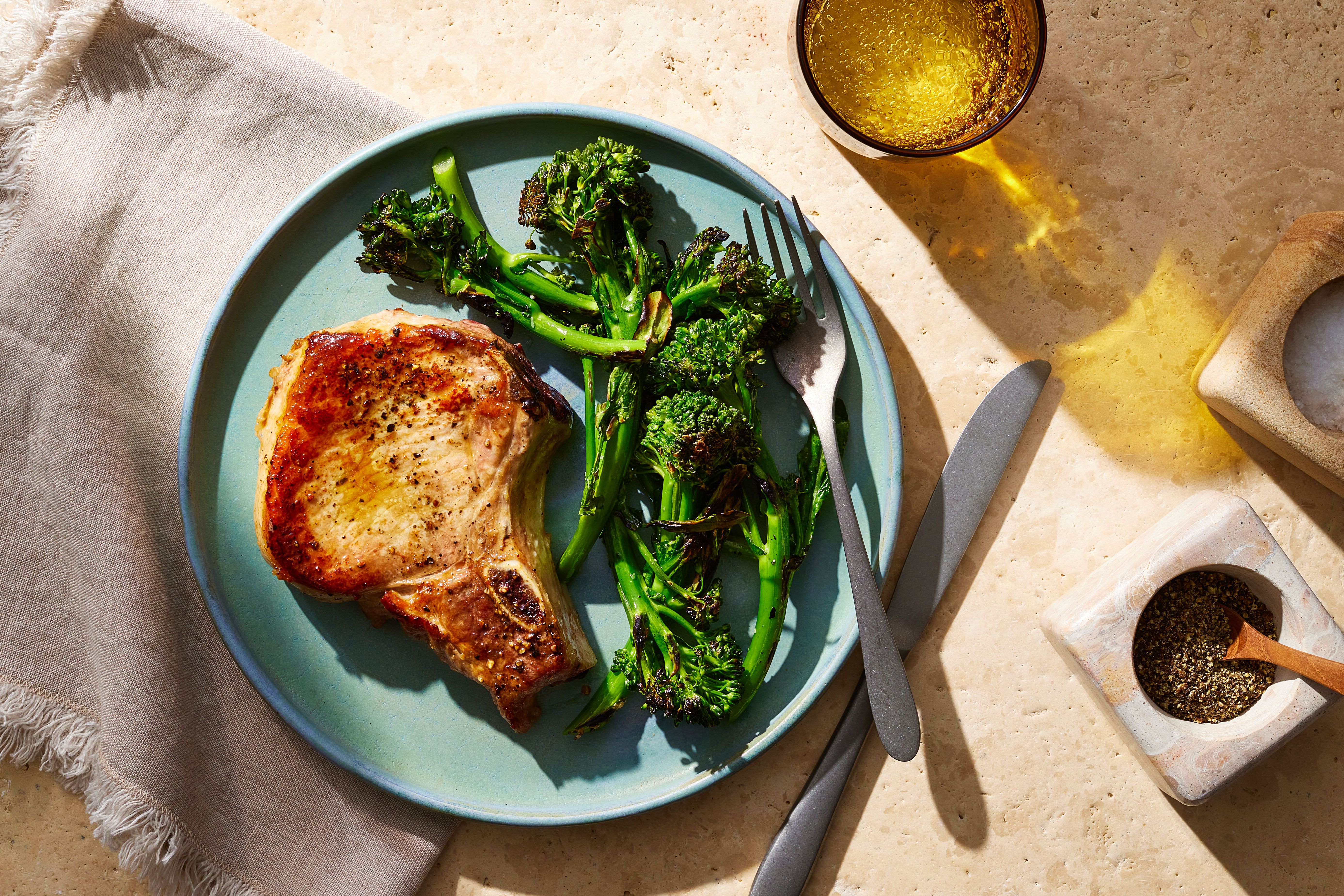
There are two kinds of pork chops in this world: the juicy, golden, dinner-table-hero kind, and the sad, dry, “please pass the applesauce immediately” kind. This recipe is proudly the first kind. The best baked pork chops recipe does not need a culinary degree, a dramatic kitchen montage, or a smoke alarm cameo. It needs thick chops, bold seasoning, the right oven temperature, and one tiny kitchen superhero: an instant-read thermometer.
Baked pork chops are a weeknight classic because they cook quickly, pair with almost any side dish, and feel comforting without requiring you to hover over a skillet like a nervous parent at a school play. The trick is understanding that pork chops are lean. That means they can go from tender to tough faster than someone saying, “I’ll just check one email.” This guide gives you a practical, flavorful method for oven baked pork chops that stay juicy, well-seasoned, and beautifully browned.
Why This Is the Best Baked Pork Chops Recipe
The best baked pork chops recipe balances three things: moisture, flavor, and timing. You want a chop that is seasoned all the way through, lightly caramelized on the outside, and cooked to a safe internal temperature without overshooting into shoe-leather territory. A simple spice rub with brown sugar, paprika, garlic powder, onion powder, salt, pepper, and a touch of dried herbs gives the meat a savory-sweet crust that tastes like you worked harder than you did. This is always a good kitchen strategy.
Unlike fried pork chops, baked pork chops do not require a bubbling pan of oil or a countertop that looks like it lost a fight with breadcrumbs. Unlike slow-cooked pork chops, they do not need hours to become dinner. With the right thickness and method, you can have juicy baked pork chops on the table in about 30 minutes, including prep time.
Ingredients for Juicy Baked Pork Chops
This recipe uses everyday pantry ingredients, which is excellent news for anyone who has ever opened the spice cabinet and discovered six bottles of cinnamon but no dinner plan.
Main Ingredients
- 4 pork chops, bone-in or boneless, about 1 inch thick
- 2 tablespoons olive oil
- 1 tablespoon brown sugar
- 1 teaspoon smoked paprika or sweet paprika
- 1 teaspoon garlic powder
- 1 teaspoon onion powder
- 1 teaspoon kosher salt
- 1/2 teaspoon black pepper
- 1/2 teaspoon dried thyme or Italian seasoning
- 1/4 teaspoon cayenne pepper, optional
- 1 tablespoon butter, optional for finishing
- Fresh parsley or lemon wedges, optional for serving
Best Pork Chops to Use
For the juiciest oven baked pork chops, choose chops that are at least 1 inch thick. Thin pork chops cook very quickly and can dry out before the seasoning has time to develop a good crust. Bone-in pork chops usually have a little more flavor and are more forgiving because the bone slows the cooking slightly. Boneless pork chops are convenient and lean, but they need close attention because they cook faster.
Center-cut pork chops are a reliable option. Look for meat that is pale pink with a little marbling. Avoid chops that look gray, watery, or extremely thin unless you are planning a very quick cooking method. The oven can do many wonderful things, but it cannot magically turn a paper-thin pork chop into a steakhouse masterpiece. Even ovens have boundaries.
How to Make Baked Pork Chops in the Oven
This method uses a hot oven, a flavorful rub, and a short rest after baking. The result is tender baked pork chops with a savory crust and juicy center.
Step 1: Preheat the Oven
Preheat the oven to 400°F. This temperature is hot enough to help the outside of the pork chops brown while still cooking the inside evenly. Line a rimmed baking sheet with parchment paper or foil for easier cleanup. If you have a wire rack, place it over the baking sheet. The rack allows air to circulate around the chops, helping them cook more evenly. If you do not have one, do not panic. A regular baking sheet still works.
Step 2: Pat the Pork Chops Dry
Use paper towels to pat the pork chops dry on all sides. This small step matters. Moisture on the surface can prevent browning, and browning is where flavor puts on its fancy shoes. Dry pork chops hold the oil and seasoning better, creating a more flavorful crust.
Step 3: Mix the Seasoning Rub
In a small bowl, stir together brown sugar, paprika, garlic powder, onion powder, salt, black pepper, thyme, and cayenne if using. The brown sugar helps the seasoning caramelize slightly in the oven, while paprika adds color and warmth. Garlic and onion powder bring the classic savory flavor that makes the kitchen smell like dinner is about to be very popular.
Step 4: Season the Pork Chops
Rub the pork chops with olive oil on both sides. Sprinkle the seasoning mixture evenly over the meat, pressing it gently so it sticks. Be generous. Pork chops are mild, so they welcome bold seasoning. If time allows, let the seasoned chops sit for 15 to 20 minutes while the oven finishes preheating. This short rest helps the salt start working into the meat.
Step 5: Bake Until Just Done
Arrange the pork chops on the prepared baking sheet in a single layer. Bake for 15 to 22 minutes, depending on thickness and whether the chops are boneless or bone-in. Start checking around 14 minutes for boneless chops and around 18 minutes for bone-in chops. The goal is an internal temperature of 145°F in the thickest part of the meat, followed by a 3-minute rest.
Do not rely only on the clock. Oven temperatures vary, pork chop thickness varies, and sometimes dinner likes to keep us humble. An instant-read thermometer is the most dependable way to know when pork chops are done.
Step 6: Rest Before Serving
Remove the pork chops from the oven and let them rest for at least 3 minutes. Resting allows the juices to redistribute instead of rushing onto the cutting board the moment you slice. For extra richness, add a small pat of butter to each hot pork chop while it rests. The butter melts into the spice crust and makes the whole situation feel restaurant-worthy.
How Long to Bake Pork Chops
Baking time depends on thickness, oven temperature, and the type of chop. At 400°F, 1-inch boneless pork chops usually take about 15 to 18 minutes. Bone-in pork chops of the same thickness often take about 18 to 22 minutes. Thicker chops may need a few more minutes, while thinner chops may finish much faster.
Here is a practical guide:
- 1/2-inch boneless pork chops: 8 to 12 minutes
- 1-inch boneless pork chops: 15 to 18 minutes
- 1-inch bone-in pork chops: 18 to 22 minutes
- 1 1/2-inch thick pork chops: 22 to 28 minutes
These times are helpful, but temperature is king. For safe, juicy pork chops, cook to 145°F and rest for at least 3 minutes. Pork may still have a slight blush of pink at that temperature, and that is normal. The old habit of cooking pork until it becomes pale, dry, and emotionally unavailable is no longer necessary.
Should You Brine Pork Chops?
Brining is optional, but it can make baked pork chops extra juicy. A quick brine gives the meat more seasoning and a little protection against overcooking. If you have 30 minutes, dissolve 3 tablespoons kosher salt and 1 tablespoon brown sugar in 4 cups of water. Add the pork chops and refrigerate for 30 minutes to 2 hours. After brining, rinse lightly if desired, pat completely dry, and reduce the salt in the seasoning rub.
If you do not have time to brine, this recipe still works beautifully. The oil-based spice rub adds flavor fast, and careful temperature control keeps the meat tender. Think of brining as the bonus round, not the entrance exam.
Tips for Tender Baked Pork Chops
Use Thick Chops
Thicker pork chops are easier to cook well because they give the outside time to brown before the inside overcooks. If your chops are very thin, reduce the baking time and check early.
Do Not Skip the Thermometer
A thermometer prevents guessing. Guessing is fine for birthday presents, not for lean meat. Pull the chops when they reach 145°F in the thickest part, avoiding the bone when checking bone-in chops.
Let the Meat Rest
Resting is not a decorative step. It helps the pork stay juicy when sliced. Give the chops at least 3 minutes, or up to 5 minutes for thicker cuts.
Add Moisture With a Pan Sauce
If you want to go one step further, make a quick pan sauce. After baking, spoon any juices from the baking sheet into a small saucepan with a splash of chicken broth, a teaspoon of Dijon mustard, and a squeeze of lemon juice. Simmer for a minute or two, then spoon over the chops. Congratulations: you just became the person who “makes sauces.” Very fancy.
Flavor Variations
Once you master the basic baked pork chops recipe, you can change the flavor profile without changing the method.
Honey Mustard Baked Pork Chops
Mix 1 tablespoon Dijon mustard with 1 tablespoon honey and brush it over the pork chops during the last 5 minutes of baking. The glaze becomes tangy, sweet, and slightly sticky.
Italian Herb Pork Chops
Use Italian seasoning, garlic powder, grated Parmesan, and a touch of lemon zest. Serve with roasted zucchini, pasta, or a green salad.
BBQ Baked Pork Chops
Season the chops with paprika, garlic, onion powder, and black pepper. Brush with barbecue sauce during the last 5 minutes of baking so the sauce thickens without burning.
Garlic Butter Pork Chops
Top each baked chop with garlic butter made from softened butter, minced garlic, parsley, and a squeeze of lemon juice. It is simple, rich, and dangerously good with mashed potatoes.
What to Serve With Baked Pork Chops
Baked pork chops are flexible enough for cozy comfort food or lighter weeknight meals. For a classic dinner, serve them with mashed potatoes, roasted green beans, and applesauce. The sweetness of apples pairs naturally with pork, which is why that combination has survived generations of dinner tables and probably several family arguments about who makes the best gravy.
For a lighter plate, try roasted broccoli, a crisp cabbage slaw, sautéed spinach, or a cucumber salad. If you want a full sheet pan meal, add quick-cooking vegetables like asparagus, zucchini, bell peppers, or halved Brussels sprouts around the chops. Just make sure the vegetables are cut small enough to cook in the same time as the pork.
Rice, buttered noodles, cornbread, baked sweet potatoes, and macaroni and cheese also work well. Basically, if it tastes good with a savory, juicy main dish, it belongs next to these pork chops.
How to Store and Reheat Leftovers
Store leftover baked pork chops in an airtight container in the refrigerator for up to 3 to 4 days. To reheat, place them in a covered baking dish with a splash of broth or water and warm in a 300°F oven until heated through. The added liquid helps prevent dryness.
You can also slice leftover pork chops and use them in sandwiches, rice bowls, salads, wraps, or quick fried rice. Reheat gently because cooked pork chops can dry out when blasted with too much heat. The microwave works in a hurry, but use short intervals and cover the meat with a damp paper towel.
Common Mistakes to Avoid
Overcooking the Pork
This is the biggest mistake. Pork chops are lean, so even a few extra minutes can make them dry. Use a thermometer and remove them from the oven at 145°F.
Using Chops That Are Too Thin
Thin chops cook quickly and can dry out before they develop much flavor. Choose 1-inch chops whenever possible.
Forgetting to Season Both Sides
Pork needs seasoning. Coat both sides and the edges so every bite tastes complete.
Cutting Too Soon
If you slice immediately, the juices run out. Let the chops rest first. Yes, waiting is hard. So is eating dry pork. Choose your struggle.
Experience Notes: What Makes This Baked Pork Chops Recipe Work in Real Kitchens
The most useful lesson from making baked pork chops repeatedly is that the recipe is less about complicated ingredients and more about respecting the meat. Pork chops look sturdy, but they behave like lean chicken breast: delicious when handled well, disappointing when ignored for five minutes too long. The first time many home cooks overbake pork chops, they assume pork is naturally dry. It is not. It just has a very small window between perfect and “where is the gravy boat?”
One practical experience is that thick chops are worth buying. A 1-inch pork chop gives you more control. It can take a hot oven, develop color, and still stay juicy inside. Thin chops can be tasty, but they demand speed and attention. If you are cooking dinner while helping with homework, answering texts, or negotiating with a dog who believes the kitchen is a shared workspace, thicker chops are more forgiving.
Another real-life tip is to season earlier when possible. Even 15 minutes makes a difference. The salt begins to draw out moisture, then that moisture mixes with the seasoning and moves back into the surface of the meat. This creates better flavor and a nicer crust. If you can season the pork chops in the morning and refrigerate them until dinner, even better. Just pat them dry before baking so they brown instead of steam.
The baking setup also matters. A wire rack over a sheet pan helps heat circulate, but it is not mandatory. When using only a baking dish, leave space between the chops. Crowding traps steam, and steam is the sworn enemy of a good crust. If the pan is too small, use two pans. Your pork chops deserve personal space, just like people in an elevator.
In testing different flavor styles, the brown sugar and paprika combination is one of the most reliable. It gives color, mild sweetness, and a savory barbecue-like flavor without requiring sauce. However, the sugar can darken quickly under a broiler, so broil only briefly if you want extra browning. Watch closely. The line between caramelized and “well, that happened” is thin.
Finally, the thermometer changes everything. Once you start checking temperature instead of cutting into the meat or guessing by time, baked pork chops become predictable. The 145°F target followed by a short rest gives pork that is juicy, tender, and flavorful. After that, the recipe becomes easy to adapt. Add mustard, lemon, herbs, barbecue sauce, or garlic butter. Serve it with potatoes, rice, vegetables, or salad. The method stays the same, and dinner keeps showing up like it has its life together.
Conclusion
The best baked pork chops recipe is simple, fast, and dependable. Start with thick pork chops, season them boldly, bake at 400°F, and use an instant-read thermometer to hit 145°F without overcooking. Let the chops rest, add butter or sauce if you like, and serve them with your favorite sides. The result is juicy baked pork chops that taste like comfort food but fit easily into a busy weeknight.
Whether you choose bone-in or boneless pork chops, the key is not to complicate the process. Good seasoning, proper temperature, and a little patience after baking are enough to turn a basic cut of pork into a meal people actually look forward to. And if anyone asks for seconds, just nod modestly like you did not spend half the time scrolling while the oven did the work.













