
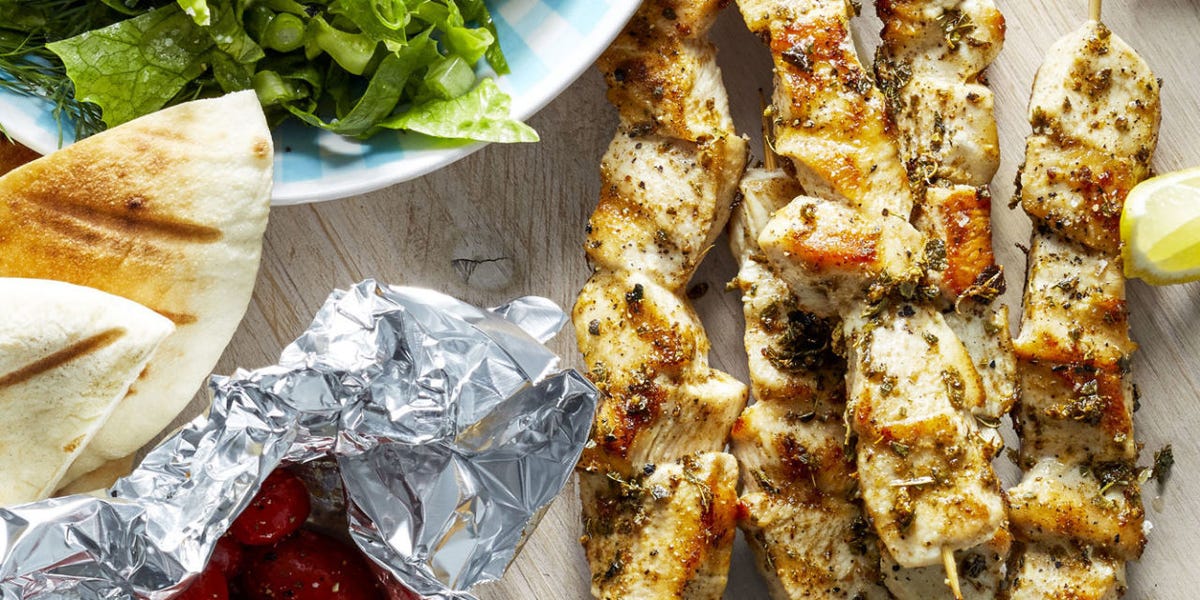
Chicken souvlaki skewers are proof that dinner does not need a cape, a culinary degree, or twelve tiny bowls of mystery spices to be heroic. Give chicken a bright Greek-inspired marinade of lemon, garlic, oregano, olive oil, and a little yogurt, thread it onto skewers, and let heat do the rest. The result is juicy grilled chicken with crispy edges, a sunny Mediterranean flavor, and the kind of aroma that makes neighbors suddenly remember they “forgot” to return your garden hose.
This best chicken souvlaki skewers recipe is designed for home cooks who want big flavor without fuss. It works on an outdoor grill, grill pan, broiler, or even in the oven. Serve the skewers with warm pita, tzatziki, cucumber-tomato salad, rice, roasted potatoes, or a pile of crisp lettuce. Whether you call them chicken souvlaki, Greek chicken skewers, chicken kabobs, or “those lemony sticks of happiness,” this recipe belongs in your weeknight rotation.
What Is Chicken Souvlaki?
Souvlaki is a classic Greek street-food style dish made with small pieces of marinated meat cooked on skewers. Pork is traditional in many versions, but chicken souvlaki has become a favorite because it cooks quickly, absorbs marinade beautifully, and pairs with just about everything. The word is connected to the idea of a skewer, which is also why souvlaki feels casual, portable, and picnic-ready.
The soul of chicken souvlaki is the marinade. Lemon brings brightness, garlic adds punch, oregano gives that unmistakable Greek-style aroma, olive oil helps the meat brown, and yogurt adds a creamy tang while helping the chicken stay tender. A little red wine vinegar or Dijon mustard can also sharpen the flavor. The goal is not to bury the chicken under spice; it is to make every bite taste like sunshine took a vacation in Athens.
Why This Is the Best Chicken Souvlaki Skewers Recipe
The best chicken souvlaki skewers are juicy inside, lightly charred outside, and balanced in flavor. Too much lemon can turn the chicken mealy if it sits for too long. Too little seasoning makes it taste like plain chicken wearing a Greek costume. This recipe finds the middle ground: bold enough to taste exciting, simple enough to make on a Tuesday, and flexible enough for meal prep.
It also uses chicken thighs or breasts, depending on your preference. Chicken thighs are more forgiving because they contain more fat and stay moist over high heat. Chicken breasts are leaner and cook faster, but they need careful timing. Either way, cutting the chicken into even 1-inch to 1 1/2-inch pieces helps everything cook at the same speed.
Ingredients for Chicken Souvlaki Skewers
For the Chicken
- 2 pounds boneless, skinless chicken thighs or chicken breasts, cut into 1-inch to 1 1/2-inch pieces
- 3 tablespoons extra-virgin olive oil
- 3 tablespoons fresh lemon juice
- 1 tablespoon lemon zest
- 3 garlic cloves, finely minced or grated
- 1/4 cup plain Greek yogurt
- 1 tablespoon red wine vinegar
- 2 teaspoons dried oregano
- 1 teaspoon kosher salt
- 1/2 teaspoon black pepper
- 1/2 teaspoon smoked paprika, optional
- 1/4 teaspoon crushed red pepper flakes, optional
- Wooden or metal skewers
For Serving
- Warm pita bread or flatbread
- Tzatziki sauce
- Chopped cucumbers
- Cherry tomatoes or sliced tomatoes
- Thinly sliced red onion
- Fresh parsley or dill
- Lemon wedges
- Feta cheese, optional
How to Make Chicken Souvlaki Skewers
Step 1: Cut the Chicken Evenly
Start by cutting the chicken into pieces that are roughly the same size. This sounds small, but it is the secret handshake of good skewer cooking. If one piece is tiny and another looks like it came from a dinosaur, the small one will dry out before the large one finishes. Aim for sturdy, bite-size chunks that can sit securely on the skewer.
Step 2: Make the Greek Marinade
In a large bowl, whisk together olive oil, lemon juice, lemon zest, garlic, Greek yogurt, red wine vinegar, oregano, salt, pepper, smoked paprika, and red pepper flakes. The marinade should smell bright, savory, and slightly tangy. If it makes you want to dip bread into it immediately, you are on the right path.
Step 3: Marinate the Chicken
Add the chicken pieces and toss until every piece is coated. Cover and refrigerate for at least 30 minutes. For deeper flavor, marinate for 2 to 4 hours. If you are using chicken thighs, you can go up to overnight. If you are using chicken breasts, avoid marinating much longer than 6 hours because the acid in lemon juice can affect the texture.
Step 4: Prepare the Skewers
If using wooden skewers, soak them in water for at least 30 minutes before grilling. This helps reduce scorching. Metal skewers are reusable, heat efficiently, and require no soaking, which makes them perfect for cooks who do not enjoy playing “Did I remember the skewers?” thirty minutes before dinner.
Step 5: Thread the Chicken
Thread the chicken onto skewers, leaving a tiny bit of space between pieces so heat can circulate. Do not pack the chicken too tightly. Crowded skewers steam instead of char, and while steamed chicken has its place, that place is not at the souvlaki party.
Step 6: Grill the Skewers
Preheat the grill to medium-high heat, about 400°F to 450°F. Oil the grates lightly. Grill the chicken skewers for 10 to 14 minutes total, turning every few minutes, until the outside is lightly charred and the center reaches 165°F. A meat thermometer is the easiest way to avoid both undercooked chicken and dry, sad chicken.
Step 7: Rest and Serve
Transfer the skewers to a platter and let them rest for 5 minutes. Resting allows juices to settle back into the meat instead of running onto the plate. Serve with pita, tzatziki, vegetables, herbs, and lemon wedges.
Oven, Broiler, and Grill Pan Methods
Oven Method
Preheat the oven to 425°F. Place the skewers on a foil-lined sheet pan fitted with a rack, or arrange them directly on a lightly oiled baking sheet. Bake for 16 to 20 minutes, turning once halfway through. For more color, broil for 1 to 2 minutes at the end, watching carefully so the edges char without burning.
Broiler Method
Set the oven rack about 6 inches from the broiler. Place skewers on a broiler-safe pan and broil for 10 to 12 minutes, turning once or twice, until cooked through and browned. The broiler gives you grill-like edges without making you stand outside in questionable weather arguing with charcoal.
Grill Pan Method
Heat a grill pan over medium-high heat and brush lightly with oil. Cook the skewers for 10 to 14 minutes, turning occasionally. Work in batches if needed. Overcrowding the pan lowers the heat and prevents browning.
Tips for Juicy Chicken Souvlaki
Use Fresh Lemon, Not Bottled Lemon Juice
Fresh lemon juice tastes cleaner and brighter. Bottled lemon juice can taste flat or slightly bitter, and chicken souvlaki depends on that fresh citrus lift.
Do Not Skip the Yogurt
Greek yogurt helps the marinade cling to the chicken and adds gentle tenderness. It also encourages browning, giving the skewers a beautiful golden crust.
Season Enough
Chicken needs salt. The marinade should taste slightly strong before it goes on the chicken because some of that flavor will mellow during cooking.
Turn, But Not Constantly
Give each side time to brown. If you flip the skewers every seven seconds like you are defusing a culinary bomb, the chicken will cook but never develop those delicious charred edges.
Use a Thermometer
Chicken should reach an internal temperature of 165°F. This is the safest and most reliable way to know it is done. Color alone is not enough because marinades and grill marks can be dramatic little liars.
What to Serve With Chicken Souvlaki Skewers
The classic choice is warm pita and tzatziki. Tzatziki, made with Greek yogurt, cucumber, garlic, lemon, and herbs, cools the smoky grilled chicken beautifully. Add tomatoes, cucumbers, red onion, and feta for a complete plate.
For a heartier meal, serve chicken souvlaki skewers over lemon rice, couscous, roasted potatoes, or a Greek salad. They also make excellent meal-prep bowls with hummus, quinoa, chopped greens, olives, and a drizzle of olive oil. If you want a low-carb option, skip the pita and make lettuce wraps with extra cucumber and herbs.
Common Mistakes to Avoid
Marinating Too Long
A longer marinade is not always better. Lemon juice is acidic, and too much time can make the chicken texture soft or chalky. For chicken breasts, 30 minutes to 4 hours is ideal. For thighs, 2 hours to overnight works well.
Using Uneven Pieces
Uneven chicken pieces cook unevenly. Some will dry out while others lag behind. Take one extra minute to cut carefully, and dinner will reward you.
Cooking Over Flames Instead of Heat
Flames can burn the outside before the inside is safe. Cook over steady medium-high heat and move skewers away from flare-ups when needed.
Skipping the Rest
Resting is not fancy. It is practical. Five minutes gives the chicken time to stay juicy when you bite into it.
Make-Ahead and Storage Tips
You can prepare the marinade up to 2 days in advance and keep it refrigerated. You can also cut the chicken a day ahead and store it separately. Once cooked, chicken souvlaki skewers keep well in an airtight container in the refrigerator for 3 to 4 days.
To reheat, warm gently in a skillet over medium-low heat or in a 325°F oven until heated through. Avoid microwaving too long, especially if using chicken breasts, because they can become rubbery. Leftover chicken souvlaki is excellent in pita wraps, salads, rice bowls, omelets, and even quick lunch quesadillas. Is it traditional? No. Is it delicious? Absolutely.
Recipe Variations
Spicy Chicken Souvlaki
Add extra red pepper flakes or a pinch of cayenne to the marinade. Serve with cooling tzatziki to keep everything balanced.
Herby Chicken Souvlaki
Add chopped fresh parsley, dill, or mint after grilling. Fresh herbs brighten the skewers and make the plate look restaurant-ready.
Vegetable Chicken Souvlaki Skewers
Add bell peppers, red onion, or zucchini between the chicken pieces. Cut vegetables slightly larger than the chicken so they do not overcook too quickly.
Chicken Souvlaki Bowls
Serve the grilled chicken over rice, quinoa, or greens with cucumber, tomatoes, olives, feta, and tzatziki. This is one of the easiest ways to turn skewers into a full meal.
Personal Cooking Experience: What Makes These Skewers Truly Work
The first time you make chicken souvlaki skewers, the temptation is to treat them like any other grilled chicken. Toss everything in a bowl, stab the pieces onto skewers, and hope for the best. That approach can work, but the difference between decent skewers and unforgettable skewers is in the small details. Chicken souvlaki rewards patience, but not the kind of patience that requires a meditation app and a silent retreat. It just asks you to respect the marinade, the heat, and the size of the chicken pieces.
One of the biggest lessons is that the marinade should be bold but balanced. Lemon is essential, but lemon alone can become sharp. Garlic is wonderful, but too much raw garlic can bully the rest of the ingredients. Oregano gives the skewers their Greek-inspired character, while olive oil rounds everything out. Greek yogurt is the quiet hero. It helps the marinade cling to the chicken and gives the cooked pieces a tender, lightly tangy finish. When the chicken hits the grill, the yogurt and oil help create those golden edges that make people reach for “just one more” skewer before dinner is officially served.
Another useful experience is learning not to overcrowd the skewers. It feels efficient to pack every piece tightly together, but that makes the chicken steam in the middle. Leaving a little breathing room allows heat to circulate and gives each piece more surface area for browning. The same idea applies to the grill. If the grates are crowded, the temperature drops, and the chicken cooks slowly instead of searing. A little space creates better texture.
Chicken thighs are the most forgiving choice for beginners because they stay juicy even if you cook them a minute or two longer. Chicken breasts can be fantastic too, especially when cut evenly and cooked just to 165°F. The thermometer is not optional if you want consistent results. Guessing by color can fool you, especially when the chicken is marinated. A quick temperature check saves dinner from both food-safety risk and dryness.
Serving also matters. Chicken souvlaki skewers taste best when paired with something creamy, something crisp, and something acidic. Tzatziki brings creaminess, cucumbers add crunch, tomatoes add sweetness, and lemon wedges wake everything up. Warm pita turns the skewers into a meal you can hold in your hand, which is always a victory. If you are cooking for guests, set everything out family-style and let people build their own plates. It feels relaxed, colorful, and generous.
The best part is that this recipe gets easier every time. After one or two tries, you will know how much char you like, how long your grill takes, and whether your household prefers pita wraps, rice bowls, or salad plates. That is when chicken souvlaki becomes more than a recipe. It becomes a reliable dinner strategy: bright, fast, flexible, and guaranteed to make the kitchen smell like you did something much more complicated than you actually did.
Conclusion
The best chicken souvlaki skewers recipe is simple, bright, and deeply satisfying. With lemon, garlic, oregano, olive oil, and Greek yogurt, basic chicken becomes juicy, flavorful, and ready for the grill. The secret is not complicated: cut the chicken evenly, marinate it long enough for flavor, cook it over steady heat, and use a thermometer to reach 165°F. Serve with warm pita, tzatziki, crisp vegetables, and lemon wedges, and you have a meal that feels fresh, fun, and worthy of repeat requests.
Whether you grill outdoors, use a grill pan, or bake the skewers in the oven, chicken souvlaki is one of the easiest ways to bring Mediterranean flavor to your table. It is casual enough for a weeknight, festive enough for guests, and flexible enough for leftovers. In other words, it is the kind of recipe that quietly becomes a household favoriteand then loudly disappears from the platter.














