
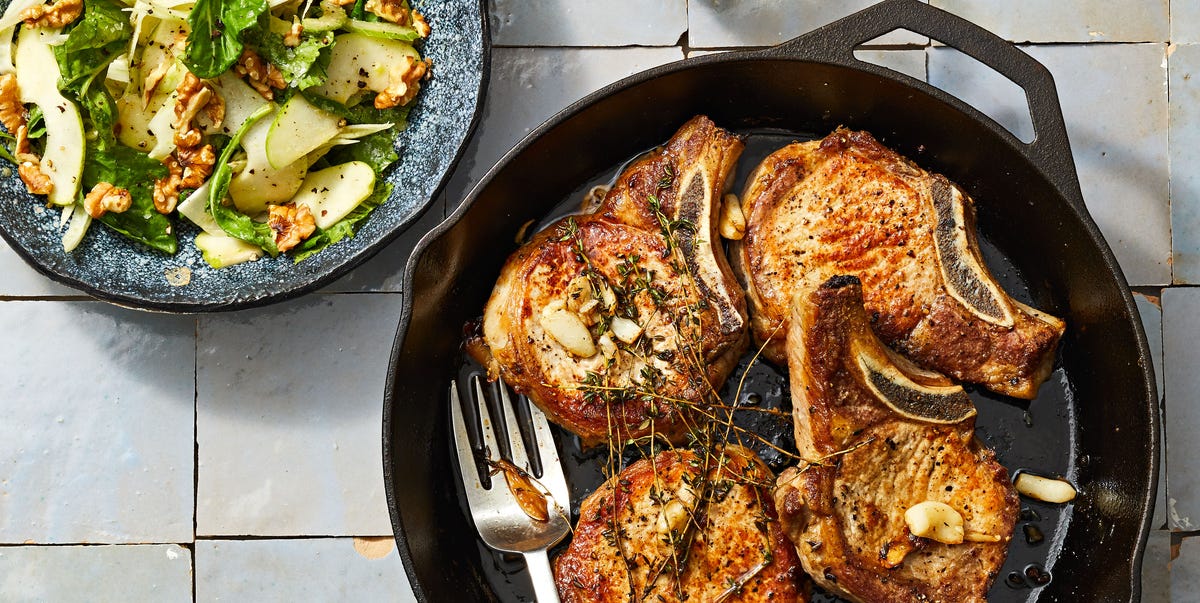
If dinner had a secret handshake, it would be pork chops with pear salad. The pork chops bring the savory, juicy, golden-brown confidence. The pear salad walks in with crisp sweetness, peppery greens, lemony Dijon dressing, and just enough crunch to make every bite feel like you hired a tiny restaurant chef to stand in your kitchen and whisper, “Excellent choice.”
This Best Pork Chops with Pear Salad Recipe is designed for real weeknights, not imaginary cooking-show weeknights where everyone has pre-chopped fennel and a spotless apron. You can make it in about 35 minutes, it uses familiar ingredients, and it tastes like something that should come with linen napkins. The balance is the magic: tender pan-seared pork chops, juicy pears, fresh arugula, shaved fennel, toasted walnuts, and a bright mustard vinaigrette that cuts through the richness beautifully.
Whether you are searching for how to make pork chops with pear salad, a healthy pork dinner, or a dinner-party recipe that will not require a motivational speech halfway through, this guide gives you the full method, helpful cooking tips, easy substitutions, and a few hard-earned kitchen notes from someone who has absolutely overcooked a pork chop before and lived to warn others.
Why Pork Chops and Pear Salad Work So Well Together
Pork and fruit have been best friends for a long time. Apples get most of the attention, but pears deserve their moment in the skillet-adjacent spotlight. Pears are sweet without being loud, juicy without being watery, and tender while still offering enough structure for a salad. When paired with pork chops, pears add freshness that keeps the meal from feeling heavy.
The salad in this recipe is not just a pile of greens trying to look useful. It is built with intention. Arugula adds peppery bite, fennel brings a cool licorice-like crunch, celery keeps things snappy, walnuts add richness, and a lemon-Dijon vinaigrette ties everything together. The pork chops are seasoned simply so their savory crust can shine beside the crisp pear salad.
Recipe Overview
| Recipe Name | Pork Chops with Pear Salad |
|---|---|
| Servings | 4 servings |
| Prep Time | 15 minutes |
| Cook Time | 15 to 18 minutes |
| Total Time | About 35 minutes |
| Best For | Weeknight dinner, fall meals, casual entertaining, healthy pork recipes |
Ingredients for Pork Chops with Pear Salad
For the Pork Chops
- 4 bone-in pork chops, about 1 inch thick
- 1 1/4 teaspoons kosher salt, plus more as needed
- 1/2 teaspoon freshly ground black pepper
- 1 teaspoon light brown sugar or maple sugar, optional
- 1 tablespoon olive oil
- 1 tablespoon unsalted butter
- 2 garlic cloves, lightly smashed
- 2 sprigs fresh thyme or rosemary
- 1 teaspoon Dijon mustard
- 1 tablespoon apple cider vinegar
- 1 tablespoon maple syrup or honey
For the Pear Salad
- 2 ripe but firm pears, thinly sliced
- 5 ounces baby arugula or mixed greens
- 1 small fennel bulb, very thinly sliced
- 2 celery stalks, thinly sliced
- 2 scallions, sliced
- 1/3 cup toasted walnuts or pecans, roughly chopped
- 1/4 cup shaved Parmesan, crumbled blue cheese, or goat cheese, optional
For the Lemon-Dijon Dressing
- 2 tablespoons fresh lemon juice
- 1 tablespoon apple cider vinegar
- 1 teaspoon Dijon mustard
- 1 teaspoon maple syrup or honey
- 3 tablespoons extra-virgin olive oil
- 1/4 teaspoon kosher salt
- Freshly ground black pepper, to taste
How To Make Pork Chops with Pear Salad
Step 1: Season the Pork Chops
Pat the pork chops dry with paper towels. This is not a glamorous step, but it is one of the most important. Moisture on the surface of the meat creates steam, and steam is the enemy of a crisp, golden crust. Season both sides with kosher salt, black pepper, and a small pinch of brown sugar or maple sugar if you want extra browning.
Let the pork chops rest at room temperature for 15 to 20 minutes while you prepare the salad ingredients. If you have more time, season them and refrigerate uncovered for up to 24 hours. This quick dry-brine style method helps the chops taste seasoned all the way through instead of only on the surface.
Step 2: Make the Dressing
In a large bowl, whisk together lemon juice, apple cider vinegar, Dijon mustard, maple syrup, salt, and pepper. Slowly whisk in the olive oil until the dressing looks glossy and slightly thickened. Taste it. It should be bright, lightly sweet, and a little sharp. If it tastes flat, add a pinch more salt or a squeeze of lemon.
Step 3: Prep the Pear Salad
Thinly slice the pears, fennel, celery, and scallions. Add the fennel, celery, and scallions to the bowl with the dressing, but wait to add the arugula until just before serving. This keeps the greens from wilting into sad green confetti. If your pears are very ripe, add them at the end as well so they keep their shape.
Step 4: Sear the Pork Chops
Heat olive oil in a large cast-iron or stainless-steel skillet over medium-high heat. When the oil shimmers, add the pork chops. Cook for 3 to 4 minutes on the first side without poking, scooting, or repeatedly asking them how they are doing. A good sear needs confidence and a little personal space.
Flip the chops and cook for another 3 minutes. Reduce the heat to medium. Add butter, smashed garlic, and thyme or rosemary to the skillet. Tilt the pan slightly and spoon the melted herb butter over the pork chops for 1 to 2 minutes. This adds flavor and helps the surface become deeply golden.
Step 5: Add the Quick Glaze
In a small bowl, stir together Dijon mustard, apple cider vinegar, and maple syrup. Brush or spoon the glaze over the pork chops during the last minute of cooking. Let it bubble gently in the pan, turning glossy and fragrant. Do not crank the heat too high here; maple syrup can go from charming to scorched faster than a group chat argument.
Step 6: Check the Temperature and Rest
Use an instant-read thermometer to check the thickest part of each pork chop, away from the bone. Cook until the internal temperature reaches 145°F, then transfer the chops to a plate and let them rest for at least 3 minutes. Resting allows the juices to settle, giving you pork that is tender and juicy rather than dry and dramatic.
Step 7: Finish the Salad and Serve
Add the arugula, sliced pears, toasted walnuts, and cheese, if using, to the dressed fennel mixture. Toss gently until everything is lightly coated. Place a pork chop on each plate and serve with a generous mound of pear salad. Spoon any pan juices over the chops because those juices are flavor, and flavor should never be abandoned.
Tips for the Juiciest Pork Chops
Choose Thick Pork Chops
Thin pork chops cook quickly, but they also dry out quickly. For this recipe, 1-inch bone-in pork chops are ideal because they give you enough time to build a crust before the inside overcooks. Boneless chops work too, but watch them carefully and start checking the temperature early.
Do Not Skip the Thermometer
A meat thermometer is the difference between juicy pork and pork that tastes like it filed a complaint. Pork chops are safe and delicious when cooked to 145°F with a short rest. The center may still have a blush of pink, and that is fine. Color is not as reliable as temperature.
Let the Pork Rest Before Slicing
Resting is not optional unless you enjoy watching all the juices run across the cutting board like they are escaping a tiny meat prison. Give the chops at least 3 minutes before serving. For thicker chops, 5 minutes is even better.
Toast the Nuts
Toasting walnuts or pecans makes them crunchier, nuttier, and more aromatic. Place them in a dry skillet over medium heat for 3 to 5 minutes, stirring often, until fragrant. Do not walk away. Nuts burn quietly, like culinary ninjas.
How To Pick the Best Pears for Salad
For pear salad, you want pears that are ripe but still firm. A pear that is too hard will taste bland and crunchy in a not-fun way. A pear that is too soft will collapse into the salad and make everything feel like dessert took a wrong turn. To check ripeness, gently press near the stem. If the neck gives slightly, the pear is ready.
Bosc pears are excellent because they hold their shape and have a honeyed flavor. Anjou pears are juicy and mild, while Bartlett pears are sweeter and softer, so use them when they are just barely ripe. Red pears look beautiful in the salad and add a nice color contrast, which is helpful if you want dinner to look like you tried harder than you did.
Best Variations for Pork Chops with Pear Salad
Add Blue Cheese
If you like bold flavors, crumble a little blue cheese into the salad. The salty, tangy cheese plays beautifully with sweet pears and rich pork. A little goes a long way, so do not bury the salad under a blue cheese avalanche.
Use Apples Instead of Pears
No pears? Use crisp apples such as Honeycrisp, Pink Lady, or Fuji. Apples bring a brighter crunch and make the recipe feel slightly more classic. The same lemon-Dijon dressing works perfectly.
Make It More Filling
For a heartier meal, serve the pork chops and pear salad with roasted sweet potatoes, creamy mashed potatoes, wild rice, or crusty bread. The salad keeps the plate fresh, while the starch turns it into a comfort-food situation.
Grill the Pork Chops
This recipe works on the grill too. Oil the grates, preheat to medium-high, and grill the chops for about 4 to 5 minutes per side, depending on thickness. Brush with the maple-Dijon glaze near the end so it caramelizes without burning.
What To Serve with Pork Chops and Pear Salad
This dish already has protein, greens, fruit, and crunch, so it can stand alone as a complete dinner. Still, a simple side can make it feel more generous. Try roasted fingerling potatoes, buttered farro, garlic bread, creamy polenta, or a bowl of butternut squash soup. For drinks, sparkling water with lemon, chilled apple cider, or a crisp white wine pairs nicely with the sweet-savory flavors.
Storage and Make-Ahead Tips
Cooked pork chops can be stored in an airtight container in the refrigerator for up to 3 days. Reheat them gently in a covered skillet over low heat with a splash of broth or water. Avoid microwaving too long, or the pork may become tough.
The salad is best served fresh, but you can prep the components ahead. Slice the fennel, celery, and scallions up to a day in advance and store them in the refrigerator. Make the dressing up to 3 days ahead. Slice the pears just before serving, or toss them with a little lemon juice to slow browning.
Common Mistakes to Avoid
Overcooking the Pork
The biggest pork chop mistake is cooking by guesswork. Use the thermometer. Pull the chops at 145°F, rest them, and enjoy the juicy reward.
Using Overripe Pears
Soft pears may taste sweet, but they can make the salad mushy. Choose pears with gentle give near the stem but firm flesh through the body.
Dressing the Greens Too Early
Arugula wilts quickly. Toss the greens right before serving so the salad stays fresh and crisp.
Forgetting Acid
Pork chops love acidity. Lemon juice, apple cider vinegar, and Dijon mustard brighten the entire plate and keep the meal from tasting too rich.
Personal Experience: What This Recipe Taught Me About Better Pork Chops
The first time I made pork chops with pear salad, I had one goal: avoid creating the kind of pork chop that requires a steak knife, emotional support, and possibly a glass of water nearby. Pork chops have a reputation for being fussy because they are leaner than many other cuts, and once they pass the juicy zone, they do not politely return. They become dry, stubborn, and a little judgmental.
The turning point was learning to treat pork chops less like a background protein and more like the main character. Patting them dry, seasoning early, using a hot skillet, and checking the temperature changed everything. The crust became golden instead of gray. The inside stayed juicy. The pan smelled like butter, garlic, herbs, and victory. It felt like the dinner equivalent of finally assembling furniture without having extra screws left over.
The pear salad surprised me even more. I expected it to be “nice.” Instead, it became the reason the whole dish worked. The sweet pear slices softened the savory edge of the pork. The fennel and celery added crunch, the arugula brought peppery bite, and the lemon-Dijon dressing made every forkful taste awake. It reminded me that a great salad is not punishment food. A great salad is contrast, texture, and brightness. It is the friend at the party who introduces everyone and somehow makes the room more fun.
I have made this recipe for regular Tuesday dinners and for guests who arrived hungry enough to look directly at the oven with hope in their eyes. It works in both situations. For a weeknight, I keep it simple with walnuts and Parmesan. For company, I add blue cheese, extra herbs, and a side of roasted potatoes. People always comment on the pears, partly because pears feel a little elegant and partly because most of us forget they can do more than sit in a fruit bowl waiting for their five-minute ripeness window.
One practical lesson: do not rush the salad. Slice the pears thinly, toss the greens gently, and add the nuts at the end. This keeps the salad lively instead of soggy. Another lesson: always make a little extra dressing. Someone will want more. That someone may be you, standing at the counter after dinner, dipping a stray pear slice into the bowl and pretending it is quality control.
What I love most about pork chops with pear salad is that it feels balanced without being boring. It is hearty but fresh, simple but special, familiar but not predictable. It gives you the comfort of a seared pork chop and the brightness of a restaurant-style salad in one plate. And unlike some “easy elegant” recipes, it does not require a culinary degree, a specialty grocery store, or a pep talk from a French grandmother. Just good pork chops, ripe pears, a sharp dressing, and the courage to use a meat thermometer.
Conclusion
This Pork Chops with Pear Salad Recipe is the kind of dinner that makes simple ingredients feel polished. The pork chops are juicy, savory, and beautifully seared, while the pear salad adds freshness, crunch, sweetness, and brightness. Together, they create a meal that works for busy nights, cozy fall dinners, or casual entertaining.
The key is balance: season the pork well, cook it to the right temperature, let it rest, and pair it with a salad that has enough acid and texture to stand up to the meat. Once you master the method, you can customize it with apples, blue cheese, pecans, grilled pork, or your favorite greens. It is easy, flexible, and impressive without acting like it needs its own dressing room.














