
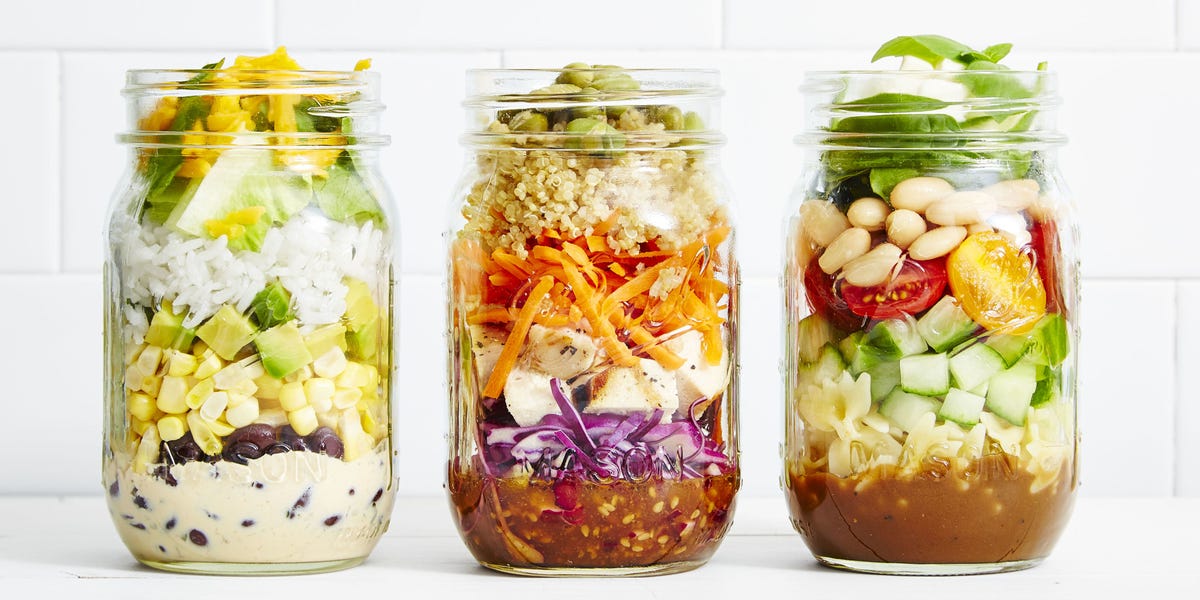
lad turns a handful of practical ingredients into the kind of lunch that makes the office refrigerator look unusually glamorous. Crisp cabbage, tender chicken, fluffy quinoa, sweet carrots, edamame, and a gingery sesame dressing are layered so every component stays lively until you are ready to shake, pour, and eat.
A Crunchy Lunch That Understands the Assignment
Some meal-prep salads begin with optimism and end as a container of damp leaves. This one has better career prospects. A slaw-based mason jar salad uses sturdy cabbage rather than delicate lettuce, so it can stand near the dressing without immediately surrendering its crunch. Add cooked chicken for substance, quinoa for a pleasantly chewy base, edamame for color and texture, and a homemade sesame-ginger dressing that is savory, tangy, lightly sweet, and just spicy enough to keep lunch interesting.
The original Good Housekeeping idea is appealing because it is compact and sensible: dressing first, crunchy vegetables and chicken in the middle, and dry ingredients toward the top. Broader mason jar guidance from extension educators and established recipe publishers follows the same principlewet ingredients stay low, sturdy ingredients create a buffer, and anything that should remain dry goes upstairs. Think of it as edible apartment planning. his expanded version makes four generous lunches and includes a from-scratch dressing. It is not a copy of the original recipe; it is a fresh, independently developed variation built around the same useful meal-prep method.
Why This Sesame Chicken Slaw Mason Jar Salad Works
Cabbage Is the Crunch Insurance
Red and green cabbage hold their shape far longer than tender salad greens. They also welcome bold dressings. Rice vinegar softens the raw edge, soy sauce adds savoriness, and toasted sesame oil gives the entire jar a warm, nutty aroma. Cabbage-and-chicken salads published by EatingWell and Bon Appétit use similar flavor familiesvinegar, soy or tamari, ginger, citrus, sesame oil, herbs, and crunchy toppingsbecause those ingredients balance one another instead of competing for microphone time. >Each Layer Has a Job
The cabbage and carrots can tolerate contact with dressing. Edamame and snap peas form another moisture-resistant layer. Chicken and quinoa sit higher so they stay flavorful without becoming saturated. Herbs, toasted seeds, and nuts belong near the top, where they keep their fragrance and crunch. The result is a salad that tastes freshly mixed at lunchtime rather than one that has been slowly marinating into submission since Sunday night.
It Is Flexible Without Becoming Chaotic
Rotisserie chicken, home-roasted chicken breast, grilled thighs, or leftover poached chicken all work. Quinoa can become brown rice, farro, or soba noodles. Snap peas can become bell pepper. Cilantro can be replaced with mint, basil, or nothing at all if cilantro tastes like a scented candle to you.
Bagged slaw mix is also a legitimate shortcut. Allrecipes highlights packaged broccoli slaw as a versatile base for fast meals, while EatingWell pairs prepared cabbage mixes with cooked chicken and sesame dressing for speedy lunches. ion>
Sesame Chicken Slaw Mason Jar Salad Recipe
Yield: 4 generous lunch salads
Prep time: 25 minutes
Total time: 25 minutes, plus cooling time if the chicken or quinoa is freshly cooked
Equipment: Four clean, dry, wide-mouth 32-ounce mason jars with tight-fitting lids
Ingredients for the Sesame-Ginger Dressing
- 1/4 cup unseasoned rice vinegar
- 3 tablespoons low-sodium soy sauce or tamari
- 2 tablespoons honey or pure maple syrup
- 1 tablespoon toasted sesame oil
- 1 tablespoon neutral oil, such as avocado or canola oil
- 2 teaspoons finely grated fresh ginger
- 1 small garlic clove, finely grated
- 1 teaspoon sriracha or chili-garlic sauce, optional
- 1 teaspoon fresh lime juice
Ingredients for the Salad Jars
- 3 cups finely shredded cabbage, preferably a mix of red and green
- 1 cup shredded carrots
- 1 cup thinly sliced sugar snap peas or red bell pepper
- 1 cup cooked shelled edamame, cooled and patted dry
- 2 cups chopped or shredded cooked chicken, completely cooled
- 1 1/2 cups cooked quinoa, completely cooled
- 1/2 cup thinly sliced scallions
- 1/3 cup chopped fresh cilantro, mint, or a combination
- 1/3 cup roasted cashews or sliced almonds
- 2 tablespoons toasted sesame seeds
- Lime wedges, optional, for serving
Step 1: Make the Dressing
Add the rice vinegar, soy sauce, honey, toasted sesame oil, neutral oil, ginger, garlic, sriracha, and lime juice to a small jar. Secure the lid and shake until the mixture looks unified and glossy.
Taste the dressing before assembling the salads. Add a splash of water if it seems too salty or intense, more lime juice for brightness, or another touch of honey if your vinegar has arrived wearing boxing gloves.
Step 2: Prepare the Ingredients
Make sure the chicken, quinoa, and edamame are cold before they enter the jars. Pat especially wet vegetables dry. Toss the cabbage and carrots together in a bowl so each jar receives an even mixture.
Combine the cashews and sesame seeds separately. Keeping them away from the wet layers preserves their crunch and prevents them from softening during storage.
Step 3: Build the Jars in the Correct Order
- Pour about 2 tablespoons of dressing into the bottom of each jar.
- Add the cabbage and carrot mixture, pressing it down lightly so it forms a barrier above the dressing.
- Add the snap peas or bell pepper.
- Add the edamame.
- Add the cooked chicken.
- Add the cooled quinoa.
- Finish with scallions, herbs, cashews, and sesame seeds.
Leave a little headspace at the top. A jar filled with the determination of a moving-day suitcase will not shake properly.
Step 4: Seal, Chill, and Serve
Screw on the lids and refrigerate the jars upright. At lunchtime, shake the jar firmly to distribute the dressing, then pour the salad into a roomy bowl and toss.
Eating directly from the jar is possible, but a bowl gives the ingredients space to mingle instead of requiring you to excavate lunch with a fork. Finish with a squeeze of lime if the salad needs extra brightness.
Expert Tips for Better Mason Jar Salads
Use a Wide-Mouth Quart Jar
A 16-ounce jar works for a small side salad, but a 32-ounce wide-mouth jar is more practical for a full lunch. It provides room for generous vegetable layers and makes pouring easier. Do not pack the ingredients so tightly that the dressing cannot travel when the jar is shaken.
Cool Cooked Ingredients Completely
Warm chicken or quinoa creates condensation, and condensation is the tiny weather system responsible for many soggy meal-prep disasters. Spread freshly cooked quinoa on a plate or shallow pan so it cools faster. Refrigerate cooked chicken promptly rather than leaving it on the counter while you reorganize the spice cabinet.
Keep the Jars Cold
Cook poultry to an internal temperature of 165°F, measured with a food thermometer. USDA guidance also recommends keeping cooked chicken at 40°F or below and using it within three to four days. For that reason, make four jars rather than seven, refrigerate them promptly, and use an insulated lunch bag with an ice pack when a refrigerator is unavailable. >Store Crunchy Toppings Strategically
Cashews and sesame seeds can stay in the top layer for a few days, but maximum-crunch enthusiasts may prefer to carry them in a tiny separate container. The same rule applies to crispy wonton strips, ramen crumbs, or fried onions. These ingredients are delicious, but they possess the moisture tolerance of a paper umbrella.
Check Allergen Needs Before Sharing
This recipe contains sesame and soy, and it may contain tree nuts depending on the topping. Sesame is recognized as the ninth major food allergen under U.S. law, with packaged-food labeling requirements in effect since January 1, 2023. When serving coworkers, guests, or children, verify ingredient labels and avoid casual substitutions that could introduce an allergen. ion>
Easy Sesame Chicken Slaw Variations
Spicy Peanut Chicken Slaw
Whisk one tablespoon of smooth peanut butter into the dressing and thin it with warm water. Add extra lime juice and sriracha, then use roasted peanuts at the top, provided allergies are not a concern.
Orange-Sesame Chicken Salad
Add one teaspoon of finely grated orange zest and replace the honey with orange marmalade. Mandarin orange segments can be placed near the top on the morning you plan to eat the salad.
Vegetarian Sesame Edamame Jar
Skip the chicken and double the edamame. Baked tofu also works, especially when pressed well, cubed, browned, and cooled before assembly. Chickpeas are less traditional with the sesame profile, but they are sturdy, affordable, and willing to cooperate.
Lower-Effort Grocery-Store Version
Use bagged coleslaw mix, precooked quinoa, refrigerated shelled edamame, rotisserie chicken, and bottled sesame-ginger dressing. Homemade dressing offers more control, but strategic convenience is still cooking. It is simply cooking with excellent delegation skills.
Common Mistakes and How to Fix Them
Mistake: Putting Quinoa Directly Into the Dressing
Quinoa absorbs liquid efficiently. That is useful in a grain bowl and less useful when the jar needs to survive several days. Keep cabbage and other firm vegetables between the dressing and the quinoa.
Mistake: Adding Hot Chicken
Hot ingredients produce steam, steam becomes water, and water migrates. Let the chicken cool fully before assembly. The same rule applies to toasted nuts and freshly cooked edamame.
Mistake: Using Too Much Toasted Sesame Oil
Toasted sesame oil is a finishing oil with a concentrated flavor. A little makes the dressing rich and nutty; too much can make the salad taste like it fell into a sesame-scented swimming pool. Balance it with neutral oil, vinegar, citrus, and a modest sweetener.
Mistake: Expecting the Jar to Mix Itself Politely
Shake with confidence, then pour the salad into a bowl. If the dressing has thickened in the refrigerator, let the closed jar stand at room temperature for about five minutes before shaking. Do not leave the chicken salad unrefrigerated for an extended period.
A Realistic Meal-Prep Experience: What You Will Notice Over Four Days
The first surprise with this sesame chicken slaw mason jar salad is how organized lunch feels once the jars are lined up in the refrigerator. The colors help: purple cabbage, orange carrots, bright green edamame, pale quinoa, and toasted toppings form neat stripes. It looks ambitious, even when the hardest part of the process was shaking dressing in a jar and resisting the urge to eat all the cashews during assembly.
On day one, the salad is at peak crispness. The cabbage tastes fresh and sharp, the snap peas have a clean bite, and the sesame-ginger dressing is especially aromatic. When the jar is poured into a bowl, the dressing lands last and coats everything. This is the moment the layering method makes sense. Instead of dressing sitting on top and sliding sadly to the bottom of a conventional container, it arrives with momentum and spreads through the salad as you toss.
Day two is often even better for the sturdy vegetables. The bottom cabbage layer has lightly marinated, losing a little raw harshness while remaining crunchy. Ginger and garlic become more integrated with the vinegar and soy sauce. The chicken picks up flavor without turning soft because it was protected by the vegetables below it. The quinoa remains separate rather than swelling into a paste, assuming it was fully cooled and placed above the wetter layers.
By day three, small preparation choices become obvious. A jar made with carefully dried edamame and cooled ingredients still feels fresh. A jar assembled with warm quinoa may show droplets on the glass and a softer texture. This is not a culinary tragedy, but it is a useful lesson: temperature and surface moisture matter more than fancy equipment. A clean jar and the correct order outperform an expensive lunch container filled carelessly.
Day four is the practical finish line when cooked chicken is involved. The slaw itself may remain sturdy beyond that point, but USDA storage guidance for cooked chicken makes a four-day batch the sensible plan. The last jar can still be excellent, particularly when the nuts and seeds were stored separately. A squeeze of lime wakes up the dressing, and a few fresh herbs added just before serving make the salad feel newly assembled rather than merely retrieved.
The most common real-life adjustment is dressing quantity. Two tablespoons per quart jar creates a lightly dressed salad. People who prefer a glossy, restaurant-style coating may want another tablespoon, but adding it at serving time is better for texture than flooding the jar in advance.
Another useful adjustment is chicken size. Thin shreds distribute more evenly, while large cubes tend to gather in one corner of the bowl like coworkers avoiding a team-building exercise. Removing the skin from rotisserie chicken creates a lighter texture, while leaving a small amount adds savory richness.
Transport also teaches a lesson. The jar should remain upright in a lunch bag so the dressing stays at the bottom. A tight lid prevents leaks, but it cannot negotiate with gravity forever. At the office, a broad bowl is worth bringing. Shaking mixes the obvious layers, while pouring and tossing finishes the job. A fork can technically reach every ingredient inside a quart jar, but the process has the elegance of retrieving keys from a storm drain.
The recipe handles household preferences well. One jar can receive extra sriracha, another can skip cilantro, and a third can use tofu instead of chicken. Because each portion is assembled separately, customization does not require three different mixing bowls or a family summit. Label the lids, especially when allergens or strong spice preferences are involved.
Most importantly, the jars reduce the lunchtime decision burden. A prepared salad does not demand creativity at 12:17 p.m. It simply asks to be shaken. The combination of crunchy slaw, savory chicken, hearty quinoa, and sesame dressing feels substantial without becoming heavy.
After several days, the lasting appeal is not just that the jars look attractive. It is that they turn sensible ingredients into a lunch you are genuinely pleased to find waiting. That is the real victory of meal prep: not merely having food in the refrigerator, but having food you still want to eat when lunchtime arrives.
Conclusion
The best sesame chicken slaw mason jar salad is less about decorative glassware and more about smart ingredient placement. Put the dressing at the bottom, let cabbage and carrots guard the middle, keep chicken and quinoa cool, and save delicate herbs and crunchy toppings for the top.
The result is portable, colorful, customizable, and far less likely to become the dreaded desk-lunch swamp. Once the basic layering method becomes familiar, it can be adapted with different grains, vegetables, dressings, and proteins without sacrificing freshness.
Research for this independently written guide synthesized established recipe techniques and food-safety guidance from Good Housekeeping, USDA FSIS, FDA, Clemson Cooperative Extension, Real Simple, Food Network, EatingWell, Allrecipes, Bon Appétit, Minute Rice, FoodShare South Carolina, and a registered-dietitian meal-prep guide. lass=”editor-note”>Note: This is an original recipe article inspired by the general sesame chicken slaw mason jar salad concept. Adjust seasoning to taste, follow current food-safety guidance, and check packaged ingredients carefully when cooking for anyone with food allergies.













