
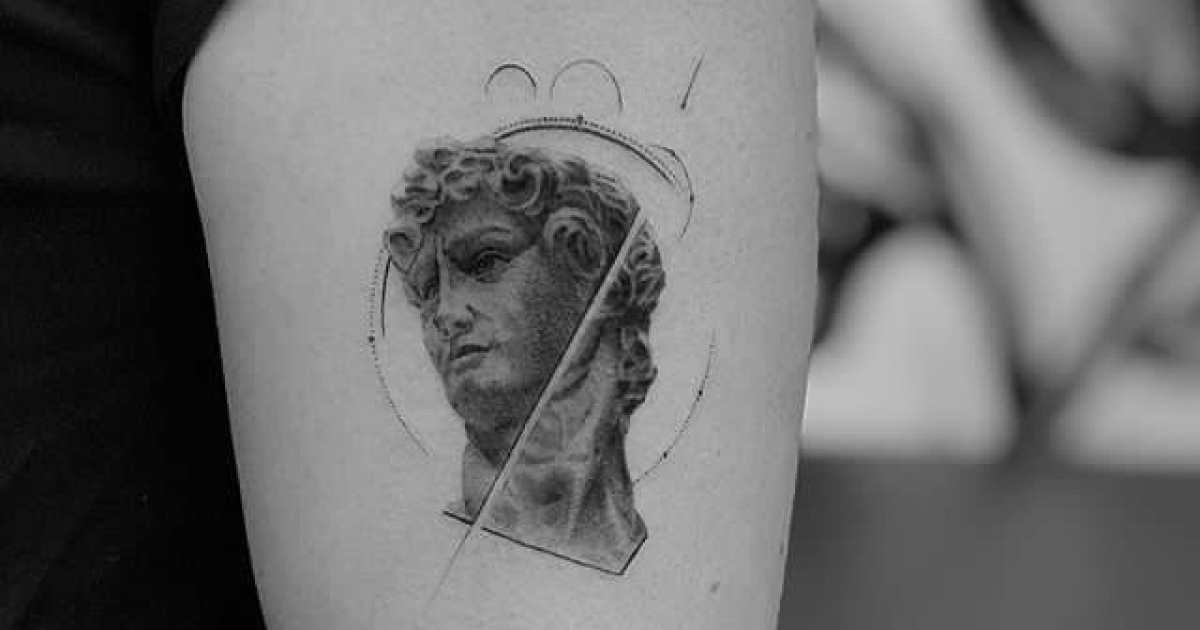
If color tattoos are the loud extroverts of the ink world, black and grey tattoos are the mysterious people in leather jackets who somehow look cooler without trying. There is something timeless about a piece built with soft shading, deep contrast, and zero rainbow chaos. A great black and grey tattoo artist does not just “draw in black.” They sculpt with light, shadow, texture, and restraint. That is what makes this style so seductive, so difficult, and so easy to mess up in the wrong hands.
Black and grey tattooing has become one of the most respected styles in modern body art. From portraits and religious imagery to roses, skulls, script, wildlife, surrealism, and full sleeves, the style offers enormous range. It can feel dramatic, elegant, cinematic, spiritual, or gritty depending on the design and the artist’s technique. But make no mistake: a beautiful black and grey tattoo is not an accident. It is the result of planning, technical control, safe studio practices, and an artist who understands how tattoos age on real skin, not just how they look five minutes after the final wipe.
If you are searching for the right black and grey tattoo artist, this guide will help you understand what the style is, why it remains so popular, how to evaluate an artist, what to expect during the process, and how to care for your tattoo afterward so it heals like a legend instead of a cautionary tale.
What Is a Black and Grey Tattoo Artist?
A black and grey tattoo artist specializes in designs built primarily with black ink and varying tones of grey. Those shades are typically created through dilution, layering, shading technique, and contrast control. Instead of relying on bright pigments to separate visual elements, the artist uses depth, softness, highlights, and dark saturation to make the image feel alive.
This sounds simple until you realize how unforgiving it is. In color work, an artist can create separation with blue, red, green, and yellow. In black and grey, there is nowhere to hide. If the gradients are muddy, the tattoo looks flat. If the darkest areas are weak, the design loses drama. If the composition lacks readable contrast, the piece can blur into visual soup over time. In other words, black and grey tattooing is minimal in palette but maximal in skill.
That is why a strong black and grey tattoo artist usually has a portfolio filled with healed examples, smooth transitions, crisp edges where needed, and smart design choices that still read clearly from a few feet away. Fresh tattoos can look great under ring lights and strategic angles. Healed tattoos tell the truth.
The History Behind Black and Grey Tattooing
Black and grey tattooing is not just a trend; it has deep cultural roots. In the United States, the style is closely connected to Chicanx tattoo traditions and East Los Angeles, where black and grey realism gained cultural significance and visual identity. Artists including Freddy Negrete helped bring the style into wider tattoo culture, transforming a look associated with limited materials and underground practice into a respected art form with global influence.
That history matters because it explains why black and grey tattoos carry so much emotional and visual weight. The style was shaped by ingenuity, identity, and storytelling. Even today, many of the most iconic black and grey themesreligious imagery, family tributes, portraits, script, roses, clocks, memorial pieces, and realismstill reflect that sense of memory and meaning.
Over time, the style expanded far beyond one aesthetic lane. Now you will find black and grey realism, Chicano-inspired work, fine-line black and grey, surrealism, neo-traditional hybrids, dark ornamental pieces, and large-scale body compositions that feel more like murals than tattoos. The palette stays narrow; the imagination does not.
Why People Love Black and Grey Tattoos
They Feel Timeless
Black and grey tattoos have a classic quality that rarely looks dated. Trends change. Tiny mustaches, infinity symbols, and mysterious 2012 Pinterest decisions come and go. But a well-executed black and grey tattoo tends to age with grace because the design relies on form and contrast more than trendy color palettes.
They Work Beautifully for Detail
Portraits, animal faces, folds in fabric, smoke effects, stone textures, religious iconography, and realistic eyes all benefit from nuanced shading. A skilled black and grey tattoo artist can make skin look like velvet, metal look reflective, and clouds look soft enough to drift off the arm.
They Often Read Better on Smaller Pieces
Many black and grey designs hold detail well because they do not have multiple colors competing in a tight space. That does not mean every small tattoo is a good idea, of course. A six-inch lion portrait with 400 whiskers is still a terrible idea if you want it on one finger. But black and grey often allows for cleaner readability in compact designs.
They Pair Well With Many Styles and Skin Tones
Black and grey can be adapted across a wide range of styles and complexions. A good artist knows how to adjust contrast, saturation, and design scale to suit the individual rather than forcing one template onto every client. This is where experience really shows.
How to Choose the Right Black and Grey Tattoo Artist
Choosing a tattoo artist is not like choosing a sandwich. You do not recover from a weak decision by ordering fries. This is permanent art, so your standards should be high.
Study the Portfolio Like a Detective
Look for black and grey work specifically, not just tattoos in general. An artist may be excellent at bold traditional color pieces and still be the wrong person for a realistic black and grey portrait. Focus on the type of design you want. If you want realism, review their realism. If you want script and roses, do not get distracted by their incredible dragon back pieces unless you secretly plan to become a dragon person.
Look for these signs of quality:
- Smooth gradients instead of patchy shading
- Solid blacks that create strong anchors in the design
- Readable contrast from near and far
- Clean edges and structure where the design needs definition
- Healed photos, not only fresh tattoos
Check Whether the Artist Truly Specializes
Some artists are versatile. Others are specialists. For black and grey, specialization matters. If an artist repeatedly posts black and grey sleeves, portraits, fine-line work, or Chicano-inspired pieces, that is a good sign. Repetition in a portfolio does not mean lack of creativity; it often means experience.
Read Reviews and Pay Attention to Patterns
Reviews can reveal a lot: communication, professionalism, studio cleanliness, punctuality, and whether clients felt listened to. One grumpy review about parking is not the end of the world. Ten reviews saying the artist rushed, ignored references, or ghosted clients? That is your cue to moonwalk away.
Visit or Ask About the Studio
A reputable black and grey tattoo artist should work in a clean, licensed, professional environment. Health departments in many U.S. jurisdictions require permits, visible licensing, and bloodborne pathogen training or similar safety standards. If the studio seems careless about hygiene, paperwork, or setup, do not convince yourself that the art is worth the risk. Your immune system did not sign up for improv night.
Questions to Ask Before Booking
- Do you specialize in black and grey tattoo work?
- Can I see healed examples similar to my idea?
- How would you adapt this design for placement and longevity?
- How many sessions will this likely take?
- What is your aftercare recommendation?
- How do you price larger black and grey pieces?
A good artist will answer clearly, set expectations honestly, and explain when an idea needs to be resized, simplified, or redesigned. That is not them crushing your dream. That is them saving your future self from wearing a blurry haunted potato on your forearm.
Popular Black and Grey Tattoo Ideas
Portraits
Portrait work is one of the signature strengths of black and grey realism. Family tributes, historical figures, musicians, saints, or cinematic faces all benefit from careful shadow work and subtle tonal shifts.
Roses, Clocks, and Script
Yes, they are common. No, common does not mean bad. In the hands of the right artist, these motifs can still feel elegant and personal. Composition is everything.
Religious and Spiritual Imagery
Crosses, praying hands, angels, sacred hearts, and saint portraits remain staples of black and grey tattooing. The style’s dramatic shading naturally supports emotional and symbolic themes.
Animals and Nature
Wolves, lions, ravens, tigers, snakes, forests, mountains, and stormy skies all look especially striking in black and grey. The lack of color can actually increase mood and atmosphere.
Surreal and Dark Art
Faces dissolving into smoke, skulls emerging from statues, dream imagery, and layered symbolic scenes thrive in black and grey because contrast does so much storytelling work.
The Technical Side: Why Great Black and Grey Work Lasts
Longevity is one of the biggest reasons people seek a black and grey tattoo artist. But lasting power is not magic. It comes from good fundamentals. The artist has to understand machine control, saturation, wash consistency, contrast placement, skin trauma management, and design flow. Put simply, they need to know when to go soft, when to go dark, and when to stop before the skin gets overworked.
Strong black anchors help a design stay readable as it ages. Smart spacing helps detail breathe. Good placement matters too. A tiny hyper-detailed masterpiece squeezed into a high-friction area is not “bold.” It is optimism with consequences.
Sun exposure, skin care, and healing habits also influence long-term results. Even the best tattoo cannot win a fair fight against poor aftercare, constant UV exposure, and a client who treats instructions like optional poetry.
Aftercare: Protecting Your Investment
Once the tattoo is done, the responsibility shifts from the artist to you. Proper aftercare is essential for both appearance and health. Most reputable guidance agrees on the basics: follow your artist’s instructions, keep the tattoo clean, use gentle products, moisturize appropriately, avoid soaking the tattoo, and keep it out of direct sun while it heals.
Do not pick at flakes. Do not scratch the area. Do not decide that a fresh tattoo is the perfect excuse for a hot tub marathon. Healing skin is vulnerable skin.
You should also know the warning signs of trouble. Persistent redness, unusual warmth, swelling, pus, increasing pain, or fever may signal infection or another adverse reaction. If something seems wrong, contact a medical professional promptly rather than crowdsourcing your diagnosis from strangers who also think energy crystals can fix Wi-Fi.
What Sets a Great Black and Grey Tattoo Artist Apart?
The best black and grey tattoo artists combine technical precision with artistic judgment. They know how to edit an idea without losing its soul. They understand skin, not just paper. They think in terms of years, not just the fresh final photo. They build tattoos that look intentional from every angle and still make sense after healing.
They also listen. A talented artist should care about your story, your reference points, your placement goals, and your tolerance for detail, scale, and session time. Good consultation is part of good tattooing. If the artist cannot communicate well before the appointment, do not expect telepathy once the machine starts buzzing.
Experiences People Commonly Have With a Black and Grey Tattoo Artist
One of the most common experiences clients describe is surpriseusually the good kind. They arrive thinking black and grey tattoos are “simpler” than color work, and then they watch an experienced artist build dimension out of almost nothing but shadow. Up close, the tattoo may begin as a strange collection of soft tones, dark patches, and barely visible guidelines. Then, little by little, the image locks together. A face suddenly has expression. A rose starts to curl. A cloud gains depth. It feels a bit like watching a photograph develop in slow motion, except there is also a buzzing machine involved and you are trying very hard to act brave.
Another common experience is realizing how much consultation matters. Clients often come in with ten reference images, three conflicting ideas, and a sentence like, “I want it to be realistic, but also soft, bold, spiritual, masculine, delicate, modern, timeless, and not too big.” A seasoned black and grey tattoo artist knows how to untangle that chaos. They may change the size, simplify the background, strengthen certain shadows, or suggest better placement so the tattoo ages well. Many clients later say that the best part of the process was being guided by someone who could turn a vague mood into a design that actually works on skin.
There is also the emotional side. Black and grey tattoos are often chosen for memorials, family tributes, faith-based imagery, or personal symbolism. Because the palette feels serious and timeless, many people pick this style for tattoos that mean a lot. The experience can be surprisingly intimate. Even in a busy studio, the session may feel quiet and focused. A good artist understands that not every appointment is just another booking. Sometimes it is a milestone. Sometimes it is closure. Sometimes it is a celebration. Sometimes it is simply a person finally getting the tattoo they have imagined for seven years and changing their mind about the placement twice in the parking lot.
Clients also tend to remember how different healed black and grey work looks from fresh work. Fresh tattoos are darker, shinier, and often more dramatic in the moment. Once healed, the piece softens slightly and settles into the skin. That is why experienced collectors become almost obsessed with healed photos. They learn that a great black and grey tattoo artist is not selling a one-day performance. They are building something that should still look strong months and years later.
Finally, many people describe a shift in how they see the style after getting one solid piece. Before the appointment, they might think black and grey is limited because it uses fewer colors. Afterward, they start noticing how much variety exists inside that limitation: velvet-smooth portraits, smoky surrealism, delicate fine-line florals, dramatic religious imagery, architectural detail, script that breathes, and sleeves that look like old films wrapped around the arm. That is usually the moment trouble beginsbecause one black and grey tattoo has a sneaky habit of becoming three.
Conclusion
A black and grey tattoo artist does far more than work without color. The best artists use contrast, shading, composition, and long-term thinking to create tattoos that feel rich, readable, and timeless. Whether you want a portrait, memorial piece, sleeve, script, or surreal custom design, your success depends on finding an artist whose healed work proves they understand the craft. Study the portfolio, ask smart questions, check the studio, respect aftercare, and choose skill over impulse. Your future tattoo will thank you quietly, in perfect shades of grey.













