
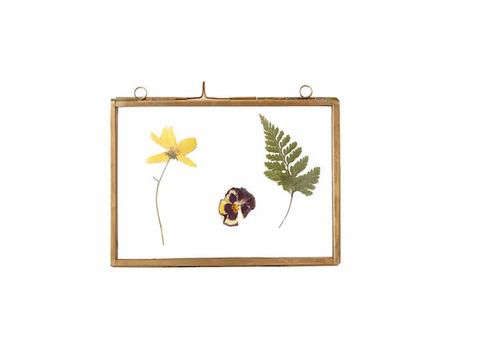
A brass specimen frame sounds like something a very stylish botanist would whisper about while labeling fern leaves with a fountain pen. In real life, it is far more approachable: a slim brass or brass-finished frame, often paired with glass panels, used to display pressed flowers, leaves, feathers, sketches, photographs, postcards, small textiles, or other flat keepsakes. It gives ordinary objects the “tiny museum exhibit” treatmentwithout requiring velvet ropes or a security guard named Gary.
The appeal is simple. Brass brings warmth. Glass creates lightness. The specimen-style layout turns small natural objects into intentional decor. A pressed wildflower no longer looks like something forgotten in a book from 2019; it looks curated, poetic, and very likely to receive compliments from people who usually only comment on snacks.
Whether you are decorating a living room, styling a gallery wall, preserving wedding flowers, or adding character to a desk nook, a brass specimen frame offers a beautiful balance of vintage charm and modern restraint. It is decorative, personal, and surprisingly versatilethree qualities every home accessory wishes it had on its résumé.
What Is a Brass Specimen Frame?
A brass specimen frame is a decorative frame designed to showcase flat or nearly flat objects between glass or within a slim display structure. The term “specimen” comes from the tradition of collecting, pressing, labeling, and preserving botanical or natural-history samples. In home decor, the idea has softened into something warmer and more personal: displaying pieces of nature, memory, or art in a way that feels thoughtful and elevated.
Most brass specimen frames feature a metal frame in polished brass, antique brass, brushed brass, or brass-tone finishes. Many designs use double glass panels so the object appears to float inside the frame. Some hang from chains, some mount directly to the wall, and others stand on tabletops. Shapes vary from simple rectangles to arches, circles, ovals, and geometric forms like hexagons or octagons.
The frame can be used for pressed flowers, dried leaves, small botanical clippings, vintage stamps, handwritten notes, black-and-white photos, butterfly illustrations, seed packets, travel tickets, calligraphy samples, or minimalist artwork. The best displays usually have one thing in common: they leave enough negative space around the object so the frame feels airy rather than crowded.
Why Brass Works So Well for Specimen Display
Brass has a natural warmth that makes it softer than chrome and more timeless than trendy gold paint. Technically, brass is an alloy made primarily from copper and zinc, but in interior design terms, brass is best described as “the metal that makes everything look more intentional.” It pairs beautifully with botanical materials because it echoes natural tones: dried stems, golden leaves, brown seed pods, parchment paper, and aged wood.
A brass specimen frame also bridges several decorating styles. In a traditional room, it can feel antique and collected. In a modern space, it adds warmth to clean lines. In a cottage-style room, it highlights flowers and foliage. In a bohemian interior, it looks right at home beside woven baskets, ceramic vases, and books you may or may not have actually finished.
The finish matters. Polished brass looks brighter and more formal. Brushed brass feels softer and more contemporary. Antique brass adds vintage depth and reduces glare. Unlacquered brass develops patina over time, which some people love because it tells a story. Lacquered brass stays more consistent and requires less maintenance. Neither is automatically better; the right choice depends on whether you want “freshly shined heirloom” or “beautifully aging treasure found in an old cabinet.”
Popular Uses for a Brass Specimen Frame
Pressed Flowers and Leaves
The classic use for a brass specimen frame is displaying pressed botanicals. Flat-faced flowers such as violets, pansies, cosmos, daisies, and small roses often press well. Ferns, eucalyptus leaves, maple leaves, herbs, and delicate grasses can also create striking displays. A single pressed stem centered in a brass frame can look more sophisticated than a crowded bouquet.
Wedding and Event Keepsakes
A brass specimen frame is a charming way to preserve sentimental flowers from weddings, anniversaries, birthdays, graduations, or memorial arrangements. Instead of letting an important bouquet disappear into the compost bin of history, a few carefully dried pieces can become a lasting display. Add a small date card or handwritten label for a more personal touch.
Travel Memories
Specimen frames are excellent for flat souvenirs: metro tickets, museum passes, pressed leaves collected legally from a park, postcards, maps, or small sketches. A brass frame can turn a paper scrap into a memory capsule. Suddenly that coffee receipt from a rainy morning in Portland looks less like clutter and more like narrative design.
Minimalist Art Displays
Not every brass specimen frame has to hold a plant. Use it for ink drawings, handmade paper, pressed fabric, old book pages, calligraphy, monochrome photos, or abstract watercolor studies. The transparent or floating effect gives even simple art a gallery-like presence.
Seasonal Decor
Because many specimen frames open easily, they can be refreshed throughout the year. In spring, display pale flowers. In summer, use herbs or grasses. In fall, press colorful leaves. In winter, try evergreen sprigs, handmade paper snowflakes, or a small holiday card. It is seasonal decorating without the need to store six plastic bins labeled “miscellaneous sparkle.”
How to Choose the Best Brass Specimen Frame
1. Pick the Right Size
Small frames, such as 4×6 or 5×7 inches, work well for single flowers, small leaves, stamps, or tiny notes. Medium frames, such as 8×10 inches, are better for botanical compositions or paired items. Larger frames can hold more dramatic arrangements, but they also require stronger visual planning. A giant frame with one tiny leaf can look poeticor like the leaf missed the meeting.
2. Check the Glass Style
Double glass floating frames are ideal for pressed specimens because they show both the object and the wall behind it. This creates a light, elegant effect. However, transparent framing can also reveal dust, fingerprints, and uneven placement. If you prefer a cleaner background, choose a frame with a mat or backing paper.
3. Consider the Hanging Mechanism
Some brass specimen frames hang from a chain, while others use standard hooks, D-rings, easel backs, or hinged tabletop supports. A chain adds vintage character, but it may swing or tilt if placed in a busy hallway. Wall-mounted frames look cleaner and more stable. Tabletop frames are perfect for desks, mantels, and bookshelves.
4. Look at the Frame Finish
Antique brass is forgiving and blends easily with wood, linen, cream walls, and vintage pieces. Brushed brass works well in modern rooms because it has a muted sheen. Bright polished brass makes a statement but can show fingerprints more easily. Brass-tone finishes on aluminum or iron can be attractive and affordable, though they will not age like solid brass.
5. Think About Preservation
If the item is truly valuablean original artwork, an irreplaceable letter, or a historical documentuse archival framing methods. Avoid direct sunlight, choose acid-free materials when backing paper is involved, and consider UV-protective glazing for sensitive paper or photographs. For everyday pressed flowers and decorative projects, basic care is usually enough, but sunlight and humidity are still the villains in this story.
How to Prepare Pressed Flowers for a Brass Specimen Frame
Start with fresh, dry flowers or leaves. Avoid collecting plants when they are wet with rain or dew because extra moisture can lead to mold. Choose specimens that are naturally flat or easy to flatten. Thick flowers can be pressed, but they may require trimming, separating petals, or longer drying time.
Place the flowers between absorbent paper, then press them inside a heavy book or a simple plant press. Add weight and leave them undisturbed until completely dry. Depending on the plant and the method, drying can take several days to several weeks. The specimen should feel papery, not cool or damp. If it still feels moist, it is not ready for framing, no matter how impatient your inner decorator becomes.
Once dry, handle the specimen with tweezers or very clean hands. Pressed flowers can be brittle. Arrange the pieces on one glass panel or on backing paper before closing the frame. Use tiny dots of acid-free adhesive only when necessary. For a floating glass frame, friction may hold very flat pieces in place, but heavier stems often need gentle support.
Styling Ideas for Brass Specimen Frames
Create a Botanical Gallery Wall
Group three, five, or seven brass specimen frames together for a collected botanical wall. Keep spacing consistent so the arrangement looks intentional. A gap of a few inches between frames usually gives the display room to breathe. For a calm look, use similar frame sizes. For a more eclectic wall, mix shapes but repeat the brass finish to keep the collection unified.
Pair Brass with Natural Materials
Brass specimen frames look especially good near wood furniture, stoneware, linen curtains, rattan baskets, leather chairs, and warm neutral paint colors. The frame should feel like part of a material story, not a random shiny rectangle that wandered in from another apartment.
Use Labels for a Museum Effect
A tiny handwritten or printed label can make a simple pressed leaf feel special. Include the plant name, date, location, or memory attached to it. For example: “Japanese maple, October walk, Asheville.” It is a small detail, but it adds narrative value and makes the display feel curated.
Keep It Minimal
One of the biggest mistakes with specimen frames is overfilling them. The beauty often comes from restraint. A single stem, one feather, or three small leaves can be stronger than twenty items fighting for attention. Negative space is not empty; it is where the design takes a deep breath.
Where to Use Brass Specimen Frames at Home
In an entryway, a brass specimen frame creates a graceful first impression. In a living room, it can soften shelves or add texture to a gallery wall. In a bedroom, pressed flowers bring quiet romance without becoming overly sweet. In a home office, a framed leaf or sketch can add a natural pause between screens, emails, and the suspicious number of coffee cups on your desk.
Bathrooms can be tricky because humidity may damage dried botanicals and paper. If you use a specimen frame there, choose a well-ventilated bathroom and avoid placing the frame near the shower. Kitchens can also expose frames to moisture, grease, and temperature changes, so hang them away from the stove and sink.
Hallways are excellent places for a series of specimen frames. They turn transitional space into a small gallery. Just make sure the frames are secure, especially if they hang from chains or sit where bags and shoulders may bump them.
Cleaning and Caring for a Brass Specimen Frame
Care depends on the type of brass finish. For lacquered brass or brass-finished metal, dust with a soft cloth and clean gently with mild soap and water when needed. Dry the surface thoroughly. Avoid abrasive cleaners, rough pads, and aggressive polishing, which can damage protective coatings.
For unlacquered brass, expect patina. This living finish darkens and changes with exposure to air, moisture, and handling. Many designers love that aged look. If you prefer shine, polish sparingly with a brass-safe cleaner and test in a small area first. Always avoid soaking the frame or letting moisture sit near seams and hinges.
Glass panels should be cleaned with a lint-free cloth. Spray cleaner onto the cloth, not directly onto the frame, to prevent liquid from seeping inside. If your frame holds pressed flowers, be careful when opening it; dried botanicals can shift or break easily.
Common Mistakes to Avoid
Using Damp Botanicals
Moisture is the fastest way to ruin a specimen display. Damp flowers can mold, stain the glass, or discolor quickly. Wait until the plant material is fully dry before framing.
Hanging in Direct Sunlight
Sunlight can fade pressed flowers, paper, photographs, and inks. A brass specimen frame may look beautiful in a bright window, but the contents may suffer. Choose indirect light whenever possible.
Overcrowding the Frame
Specimen frames work best when the object has space around it. Too many pieces can make the frame look messy instead of curated. When in doubt, remove one item. Then maybe remove one more. Editing is design’s secret superpower.
Ignoring Scale
A tiny frame on a large blank wall can look lost. A large frame on a small shelf can feel heavy. Match the frame size to the surrounding area, and consider using multiple frames if one piece feels too small.
Is a Brass Specimen Frame Worth It?
Yes, especially if you like decor that feels personal rather than mass-produced. A brass specimen frame is not just another wall accessory. It is a way to preserve small memories, highlight natural beauty, and add warmth to a room. It can be inexpensive or investment-worthy, depending on the materials, but even a simple frame can look refined when styled well.
The best part is flexibility. You can change the contents over time, create seasonal displays, or build a whole collection. A brass specimen frame works for homeowners, renters, plant lovers, crafters, newlyweds, vintage collectors, and anyone who has ever picked up a pretty leaf and thought, “This deserves a better career path.”
Experience Notes: Living With a Brass Specimen Frame
The first thing you notice after using a brass specimen frame is how quickly it changes the mood of a room. A plain wall becomes softer. A shelf feels more layered. A small pressed flower suddenly looks like it has a biography. That is the quiet magic of this kind of frame: it makes small things feel important.
One practical experience is that placement matters more than expected. A brass specimen frame near a window may look gorgeous at 9 a.m., when the light hits the glass and the brass glows warmly. But after a few weeks, direct sun can begin fading delicate petals. The better spot is usually nearby but not directly in the sunclose enough to catch ambient light, far enough to protect the contents. Think “sun-adjacent,” not “sun-baked.”
Another lesson is that simple arrangements usually win. It is tempting to fill the frame with every flower from a bouquet, especially when the bouquet has sentimental value. But the most elegant results often come from one strong stem, two leaves, or a small cluster arranged with breathing room. A brass frame already has visual presence, so the specimen does not need to shout. It can simply clear its throat politely and still be noticed.
Handling the pressed material is also a learning curve. Dried flowers are fragile, and some petals behave like they are made of decorative dust. Tweezers help. So does patience. The first attempt may involve a crooked stem, a smudge on the glass, and a small emotional negotiation with gravity. That is normal. Open the frame, adjust slowly, clean the glass again, and try not to sneeze near the fern.
In a gallery wall, brass specimen frames are excellent supporting characters. They pair nicely with black frames, wood frames, mirrors, and small paintings. The trick is repetition. If one brass frame looks random, three brass accents look intentional. A set of botanical frames in different sizes can create rhythm, especially in a hallway or above a console table.
On a desk or mantel, a tabletop brass specimen frame feels more intimate. It is the kind of object people lean toward. Guests may ask where the flower came from, when the leaf was collected, or whether you made it yourself. That makes the frame more than decor; it becomes a conversation starter. And unlike many conversation starters, it does not require explaining cryptocurrency, sourdough maintenance, or why your cat has its own chair.
Care becomes part of the experience, too. A quick dusting keeps the brass looking warm and the glass clear. If the brass develops patina, it may actually become more beautiful, especially in rooms with vintage or natural textures. The frame slowly shifts from shiny accessory to familiar object, which is exactly what good home decor should do. It should age into the room, not hover awkwardly above it.
Overall, the brass specimen frame is one of those small design pieces that feels bigger than its size. It preserves a moment, adds texture, and brings a little museum-like charm into everyday life. It is practical enough for DIY projects, refined enough for styled interiors, and personal enough to keep around long after trendier decor has retired to the closet.
Conclusion
A brass specimen frame is a beautiful blend of memory, nature, and design. It can display pressed flowers, leaves, photos, notes, artwork, or travel keepsakes with warmth and elegance. The brass finish adds character, while the glass presentation keeps the overall look light and refined. Choose the right size, avoid direct sunlight, use dry specimens, and style with restraint for the best result.
Whether you are creating a botanical gallery wall, preserving wedding flowers, or giving a single autumn leaf the glamorous second act it deserves, a brass specimen frame is a small decor choice with a surprisingly large emotional payoff.













