
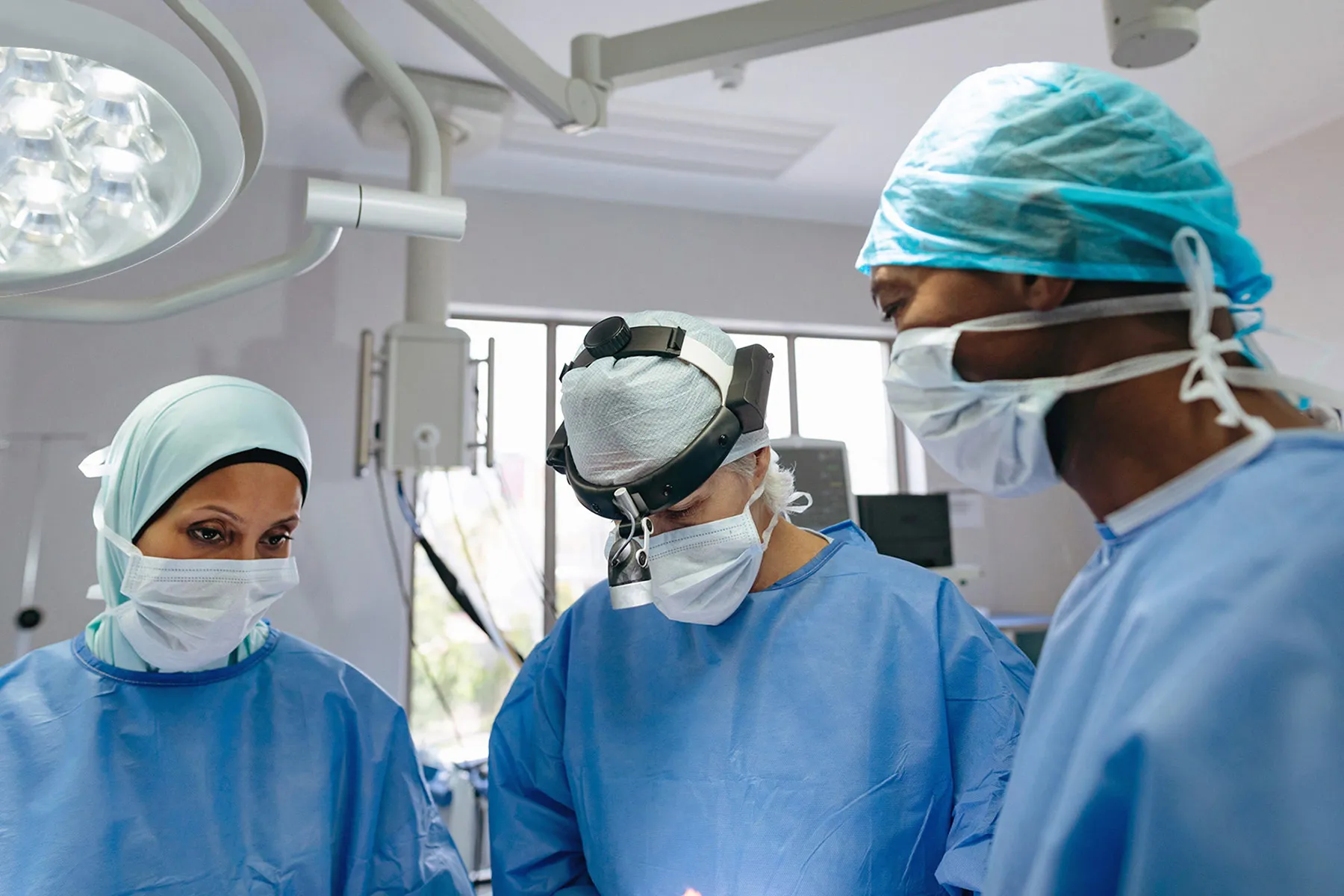
Breast cancer surgery is one of the main ways doctors remove cancer from the breast, check whether it has reached nearby lymph nodes, and help plan the next steps in treatment. It can sound intimidatingbecause, yes, “surgery” is not exactly the word anyone wants to see on their calendarbut understanding the options can make the path feel less like a maze and more like a map.
The most common surgical options for breast cancer removal are lumpectomy, also called breast-conserving surgery, and mastectomy, which removes the entire breast. Many people also have some form of lymph node surgery, such as a sentinel lymph node biopsy, to see whether cancer has spread beyond the breast. Depending on the diagnosis, personal goals, genetics, tumor size, breast size, and treatment plan, breast reconstruction may be done at the same time or later.
This guide explains the major breast cancer surgery options in clear, patient-friendly American English. No medical fog machine. No “you need a dictionary and three coffees” situation. Just practical information to help readers understand what breast cancer surgery may involve and what questions to ask before making decisions with their care team.
What Is Breast Cancer Surgery?
Breast cancer surgery is an operation to remove cancer from the breast. In many treatment plans, surgery is considered local therapy because it treats the tumor in the breast and, when needed, nearby lymph nodes. Other treatmentssuch as radiation therapy, chemotherapy, hormone therapy, HER2-targeted therapy, or immunotherapymay be used before or after surgery depending on the cancer type and stage.
The goal is not simply “cut it out and call it a day.” Modern breast cancer surgery is carefully planned. Surgeons consider the tumor’s size, location, biology, imaging results, biopsy findings, breast shape, lymph node status, and the patient’s preferences. That is why two people with breast cancer may receive very different surgical recommendationsand both plans can be completely appropriate.
Main Surgical Options for Breast Cancer Removal
The two major categories of surgery for breast cancer removal are lumpectomy and mastectomy. Both can be effective, but they differ in how much breast tissue is removed and what follow-up treatment is usually needed.
1. Lumpectomy: Breast-Conserving Surgery
A lumpectomy removes the breast cancer tumor along with a small rim of normal-looking tissue around it, called the margin. Because most of the breast remains, lumpectomy is also known as breast-conserving surgery, partial mastectomy, or wide local excision.
Lumpectomy is often used for early-stage breast cancer when the tumor can be removed with a good cosmetic result. For example, a person with a small tumor in one area of the breast may be a strong candidate. However, the decision also depends on breast size, tumor location, whether there are multiple tumors, genetic risk, and whether radiation therapy is possible afterward.
Most patients who have a lumpectomy also receive radiation therapy to the remaining breast tissue. Radiation helps reduce the risk of cancer returning in the breast. Think of lumpectomy as removing the main “weed,” while radiation helps clean up microscopic “seeds” that may be too small to see.
What Are Surgical Margins?
After a lumpectomy, the removed tissue is sent to a pathology lab. A pathologist checks whether cancer cells are present at the edges of the specimen. These edges are called margins.
If the margin is clear, it means no cancer cells are seen at the edge of the removed tissue. If the margin is positive, cancer cells are found at the edge, and another surgery may be needed to remove more tissue. This second operation is called re-excision. Nobody throws confetti for a second surgery, but it can be important for lowering recurrence risk.
Benefits of Lumpectomy
Lumpectomy allows many people to keep most of their natural breast. Recovery is often shorter than with mastectomy, especially when only a small amount of tissue is removed. It can also preserve body image and sensation better than more extensive surgery, although every person’s experience is different.
For many early-stage breast cancers, lumpectomy followed by radiation can provide survival outcomes similar to mastectomy. This is one reason doctors often discuss both options when a patient is medically eligible for either.
Possible Drawbacks of Lumpectomy
The biggest trade-off is that radiation therapy is usually part of the plan. Radiation may require several treatment visits, depending on the schedule recommended. Lumpectomy may also change the breast’s shape, especially if the tumor is large compared with breast size. Some people need re-excision if margins are not clear.
2. Mastectomy: Removing the Entire Breast
A mastectomy removes the entire breast. It may be recommended when cancer is large compared with breast size, when there are multiple cancer areas in the breast, when radiation is not possible, when a patient has a high-risk inherited gene mutation, or when the patient strongly prefers mastectomy after discussing options with the care team.
Mastectomy does not always mean the same surgery for everyone. There are several types, and the best choice depends on the cancer, anatomy, reconstruction plans, and safety.
Total or Simple Mastectomy
A total mastectomy, also called a simple mastectomy, removes the whole breast, including breast tissue, nipple, areola, and much of the overlying skin. Some lymph node surgery may be done at the same time, but the chest muscles are usually left in place.
Skin-Sparing Mastectomy
A skin-sparing mastectomy removes the breast tissue, nipple, and areola while preserving most of the breast skin. This can make reconstruction look more natural because the skin envelope remains. It is often used when immediate breast reconstruction is planned.
Nipple-Sparing Mastectomy
A nipple-sparing mastectomy removes breast tissue while preserving the nipple, areola, and skin. It can offer a more natural appearance after reconstruction, but it is not right for everyone. Surgeons must consider tumor location, nipple involvement risk, breast anatomy, and safety.
Modified Radical Mastectomy
A modified radical mastectomy removes the entire breast plus many underarm lymph nodes. It may be used when cancer has spread to lymph nodes or when more extensive lymph node removal is needed.
Radical Mastectomy
A radical mastectomy removes the breast, underarm lymph nodes, and chest wall muscles under the breast. This surgery was common decades ago but is rarely performed today because less extensive surgeries can usually treat breast cancer effectively with fewer long-term side effects.
Lymph Node Surgery: Checking Whether Cancer Has Spread
Breast cancer can spread first to nearby lymph nodes under the arm, called axillary lymph nodes. Checking these nodes helps doctors determine the stage of the cancer and plan treatment.
Sentinel Lymph Node Biopsy
A sentinel lymph node biopsy removes the first few lymph nodes that drain fluid from the breast. These are the nodes where cancer would most likely spread first. A tracer dye or radioactive substance may be used to help the surgeon identify them.
If the sentinel nodes do not contain cancer, more lymph nodes usually do not need to be removed. This is good news because removing fewer lymph nodes can reduce the risk of side effects such as arm swelling, stiffness, numbness, and lymphedema.
Axillary Lymph Node Dissection
An axillary lymph node dissection removes more lymph nodes from the underarm area, often when cancer is known or strongly suspected to have spread there. This procedure provides more information and may help control disease in the underarm, but it carries a higher risk of lymphedema and shoulder mobility problems than sentinel node biopsy.
Breast Reconstruction After Surgery
Breast reconstruction rebuilds the shape of the breast after mastectomy or, in some cases, after lumpectomy. Reconstruction is optional. Some people choose it, some choose not to have it, and some choose a flat closure. All are valid choices. There is no gold medal for picking one path over another.
Implant-Based Reconstruction
Implant reconstruction uses saline or silicone implants to create a breast shape. Sometimes a temporary tissue expander is placed first to stretch the skin and muscle before the final implant is inserted. Implant reconstruction usually involves a shorter initial operation than flap reconstruction, but implants may need future replacement or revision.
Flap Reconstruction
Flap reconstruction uses tissue from another part of the body, such as the abdomen, back, thighs, or buttocks, to rebuild the breast. This approach can feel more natural and may last longer than implants, but it is a bigger surgery with a longer recovery because there is also a donor site to heal.
Immediate vs. Delayed Reconstruction
Immediate reconstruction happens during the same operation as mastectomy. Delayed reconstruction happens months or years later. Delayed reconstruction may be recommended when radiation therapy is planned or when a patient wants more time to decide.
Choosing Between Lumpectomy and Mastectomy
Choosing breast cancer surgery is not like choosing between two coffee sizes. It is a medical decision mixed with personal values, risk tolerance, body image, lifestyle, recovery time, and future treatment plans.
Some people prefer lumpectomy because it keeps most of the breast and often has a shorter recovery. Others prefer mastectomy because they want to remove as much breast tissue as possible, avoid radiation when medically appropriate, or reduce future breast cancer risk in certain high-risk situations. However, mastectomy does not guarantee cancer will never return, and more extensive surgery is not automatically better.
Factors That Influence the Surgical Plan
- Tumor size compared with breast size
- Number of tumors and whether they are in one area or several areas
- Type of breast cancer and tumor biology
- Lymph node involvement
- Genetic mutation status, such as BRCA1 or BRCA2
- Previous radiation to the breast or chest
- Ability and willingness to have radiation after lumpectomy
- Personal preferences about appearance, sensation, and recovery
- Interest in reconstruction or flat closure
What Happens Before Breast Cancer Surgery?
Before surgery, patients usually meet with a breast surgeon and may also meet with a medical oncologist, radiation oncologist, plastic surgeon, genetic counselor, or physical therapist. The care team may order imaging tests such as mammogram, ultrasound, breast MRI, or scans when needed.
Some patients receive treatment before surgery, called neoadjuvant therapy. This may include chemotherapy, hormone therapy, HER2-targeted therapy, or immunotherapy. The goal may be to shrink the tumor, make lumpectomy possible, or treat aggressive cancer early. It is basically asking the tumor to downsize before eviction.
What Is Recovery Like?
Recovery depends on the type of surgery. Lumpectomy recovery is often shorter, while mastectomy with reconstruction may take longer. Patients may experience soreness, swelling, bruising, numbness, tightness, fatigue, or limited arm movement. Drains may be placed after mastectomy or reconstruction to remove fluid while healing begins.
Many care teams provide arm and shoulder exercises to help restore motion. Patients are usually advised to avoid heavy lifting until cleared by their surgeon. It is important to call the care team for fever, increasing redness, worsening swelling, drainage, severe pain, shortness of breath, or signs of infection.
Possible Risks and Side Effects
All surgeries have risks. Breast cancer surgery may cause bleeding, infection, fluid buildup, scarring, pain, numbness, changes in breast shape, shoulder stiffness, and emotional distress. Lymph node surgery can increase the risk of lymphedema, a chronic swelling of the arm, hand, chest, or breast area.
Reconstruction has its own risks. Implant reconstruction can involve implant rupture, capsular contracture, infection, asymmetry, pain, and future revision surgery. Rarely, certain textured implants have been associated with breast implant-associated anaplastic large cell lymphoma, a cancer of the immune system rather than breast tissue. Patients considering implants should discuss risks, benefits, and long-term monitoring with their plastic surgeon.
Questions to Ask Your Surgeon
Good questions can turn a frightening appointment into a useful conversation. Patients may want to ask:
- Am I a candidate for lumpectomy?
- Will I need radiation after surgery?
- What type of mastectomy is safest for my case?
- Do I need sentinel lymph node biopsy or axillary lymph node dissection?
- What are the chances I will need a second surgery?
- How will surgery affect breast shape, sensation, and scars?
- What reconstruction options are available?
- Can I choose flat closure?
- How long is recovery?
- What symptoms after surgery should make me call the office?
Real-Life Experience: What Breast Cancer Surgery Can Feel Like
Every breast cancer surgery story is personal. One patient may describe lumpectomy as surprisingly manageable, while another may feel emotionally shaken by even a small incision. One person may choose mastectomy with reconstruction and feel relieved. Another may choose no reconstruction and feel equally confident. The “right” experience is not a performance. It is simply the reality of the person living it.
A common experience before surgery is decision fatigue. Patients may feel as if they are suddenly expected to become experts in pathology reports, surgical margins, lymph nodes, radiation schedules, genetics, and insurance paperworkall while pretending to be calm enough to remember where they left their phone. This is normal. Bringing a trusted person to appointments, recording questions in a notebook, and asking the surgeon to repeat key points can help.
After lumpectomy, some patients are surprised by how small the incision looks compared with the emotional weight of the diagnosis. Others notice swelling, firmness, or changes in breast shape that take time to settle. Radiation planning may begin after healing, and the treatment schedule can become part of daily life for a while. Comfortable bras, soft shirts, and patience become small but mighty tools.
After mastectomy, the first look at the chest can be emotional. Some people want to look right away; others need time. Both reactions are completely human. Surgical drains can be annoyingtiny plastic sidekicks nobody invitedbut they help prevent fluid buildup. Patients often learn drain care quickly, even if they grumble about it. A button-front shirt, a drain belt, and a pillow for the ride home can make recovery easier.
For people who choose reconstruction, the process may involve stages. Tissue expanders can feel tight. Implants may require future monitoring. Flap reconstruction can bring a longer healing period because two areas of the body are recovering. Still, many patients find reconstruction helps them feel more comfortable in clothing and more connected to their body after cancer treatment.
For people who choose flat closure, the experience can also be empowering. Some patients prefer fewer surgeries, no implants, and a clean chest contour. The key is clear communication before surgery. Patients should tell the surgeon exactly what they want, ask to see photos if available, and confirm that “flat closure” means an intentional smooth resultnot simply skipping reconstruction.
Emotionally, breast cancer surgery can bring relief, grief, anger, gratitude, fear, and even humorsometimes all before breakfast. A patient may cry over a scar one day and joke about hospital socks the next. Support groups, oncology social workers, therapists, patient navigators, and survivorship programs can help patients process the changes.
One practical lesson many patients share is this: accept help early. Let someone cook, drive, clean, manage messages, or sit quietly nearby. Healing is not the moment to prove superhero status. Capes get caught in hospital doors anyway.
Another lesson is to watch for small wins. The first comfortable shower. The first walk around the block. The first day without needing strong pain medicine. The first time reaching a cabinet shelf again. Recovery often happens in ordinary moments, not dramatic movie scenes.
Most importantly, patients should remember that breast cancer surgery is not just about removing cancer. It is also about preserving health, dignity, function, identity, and quality of life. The best surgical plan is one that is medically sound and personally respectful.
Conclusion
Breast cancer surgery includes several options, from lumpectomy to mastectomy, lymph node surgery, reconstruction, and flat closure. The best choice depends on the cancer’s stage and biology, the size and location of the tumor, lymph node status, genetic risk, radiation plans, overall health, and personal preferences.
For many people, lumpectomy followed by radiation is an effective breast-conserving option. For others, mastectomy may be medically recommended or personally preferred. Sentinel lymph node biopsy helps stage breast cancer while often avoiding more extensive lymph node removal. Reconstruction can rebuild breast shape, but it is optional, and choosing no reconstruction is also a valid path.
The most important takeaway is simple: breast cancer surgery is not one-size-fits-all. Patients should work closely with a multidisciplinary cancer care team, ask questions, get a second opinion when needed, and choose a plan that treats the cancer while honoring the person behind the diagnosis.













