
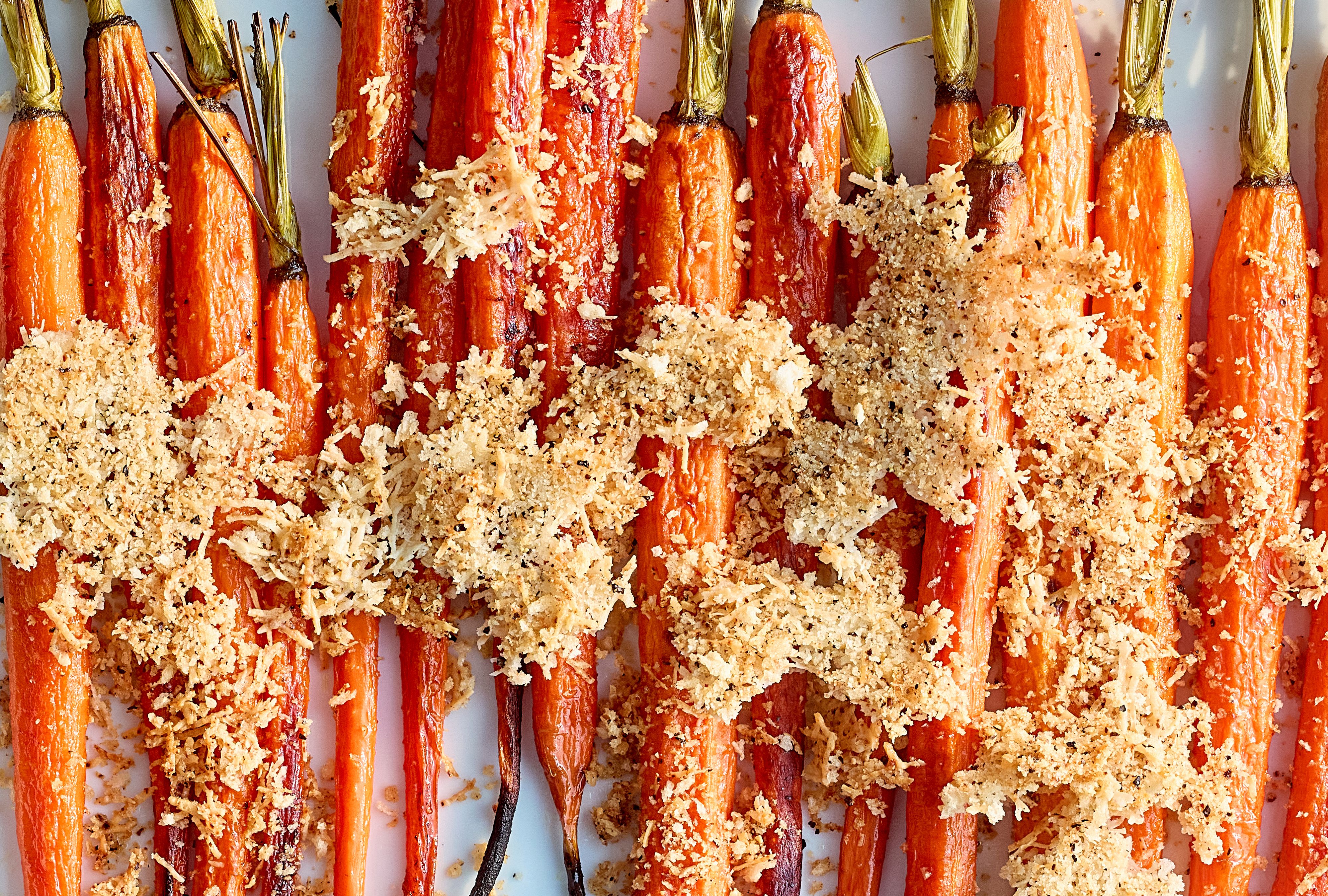
Cacio e Pepe Crispies are what happens when the soul of a Roman pasta dish takes a vacation from noodles and decides to become the crunchiest, cheesiest little topping in your kitchen. Inspired by the classic combination of Pecorino Romano and black pepper, these golden crispies are made with panko breadcrumbs, sharp cheese, and a confident amount of pepper. The result is a savory, crunchy, wildly useful mixture you can sprinkle over pasta, soup, salad, roasted vegetables, eggs, casseroles, or, let’s be honest, directly into your mouth while pretending you are “testing for seasoning.”
The beauty of this Cacio e Pepe Crispies recipe is that it keeps the original flavor idea simple: cheese plus pepper equals magic. Traditional cacio e pepe relies on Pecorino Romano, black pepper, pasta, and starchy cooking water. This crispies version borrows the bold, salty, peppery personality and turns it into a fast oven-baked crunch. It is vegetarian, pantry-friendly, party-ready, and finished in less time than it takes to convince everyone that yes, crunchy cheese crumbs absolutely count as a recipe.
What Are Cacio e Pepe Crispies?
Cacio e Pepe Crispies are a crispy, cheesy breadcrumb topping inspired by cacio e pepe, the famous Roman pasta dish whose name translates to “cheese and pepper.” Instead of making a creamy pasta sauce, this recipe combines panko breadcrumbs, grated Pecorino Romano, and freshly ground black pepper, then bakes the mixture until the cheese melts, browns, and clings to the crumbs.
Think of them as fancy crouton dust with better manners. They deliver the savory crunch of toasted breadcrumbs, the salty tang of aged sheep’s milk cheese, and the warm bite of black pepper. They are not quite croutons, not quite cheese crisps, and not quite breadcrumbs. They live in the delicious middle, which is usually where all the good snacks hide.
Why You’ll Love This Cacio e Pepe Crispies Recipe
It Uses Only a Few Ingredients
This recipe needs just three core ingredients: panko breadcrumbs, Pecorino Romano cheese, and black pepper. A tiny drizzle of olive oil is optional if you want a richer, more deeply toasted texture, but the cheese already brings plenty of fat and flavor.
It Adds Instant Crunch
Soft foods love a crispy topping. Creamy pasta, tomato soup, mashed potatoes, roasted cauliflower, Caesar salad, baked mac and cheese, and scrambled eggs all become more exciting with a spoonful of these crispies. Texture is the difference between “nice dinner” and “why is everyone suddenly quiet at the table?”
It Tastes Fancy Without Being Fussy
Cacio e Pepe Crispies sound restaurant-level, but the method is simple: mix, spread, bake, cool, crumble. No sauce breaking, no pasta water gymnastics, no frantic whisking while whispering motivational quotes to a pan of cheese.
Recipe Overview
- Prep time: 5 minutes
- Cook time: 10 to 12 minutes
- Total time: About 18 minutes
- Yield: About 2 cups
- Difficulty: Easy
- Best for: Pasta topping, salad crunch, soup garnish, appetizers, snack boards
Ingredients
- 1 cup panko breadcrumbs: Panko is lighter and flakier than regular breadcrumbs, which helps the crispies bake up airy instead of sandy.
- 1 cup finely grated Pecorino Romano: Pecorino Romano is salty, sharp, and traditional to the cacio e pepe flavor profile. Freshly grated cheese melts better than pre-grated cheese.
- 1 1/2 teaspoons freshly ground black pepper: Use coarse or medium-fine pepper for bold flavor. Freshly cracked pepper is far more aromatic than the dusty jar that has been living in the cabinet since the last calendar year had emotional stability.
- 1 teaspoon olive oil, optional: This helps the breadcrumbs brown more evenly, but it is not required.
- A pinch of kosher salt, optional: Add only if your Pecorino is mild. Many Pecorino cheeses are already salty enough.
How to Make Cacio e Pepe Crispies
Step 1: Heat the Oven
Preheat your oven to 400°F. Line a rimmed baking sheet with parchment paper. Parchment keeps the melted cheese from bonding with the pan like it is signing a long-term lease.
Step 2: Mix the Dry Ingredients
In a medium bowl, combine the panko breadcrumbs, grated Pecorino Romano, and freshly ground black pepper. Toss everything with a fork or your fingers until the pepper is evenly distributed and the cheese is mixed throughout the breadcrumbs.
Step 3: Add Olive Oil If Using
If you want a slightly richer crunch, drizzle in 1 teaspoon of olive oil and toss again. The mixture should still look loose and crumbly, not wet or clumpy. If it looks heavy, add another tablespoon of panko to lighten it up.
Step 4: Spread Thinly
Scatter the mixture onto the prepared baking sheet in a thin, even layer. Avoid piling it too high. A thin layer gives the cheese room to melt and crisp while the breadcrumbs toast evenly.
Step 5: Bake Until Golden
Bake for 10 to 12 minutes, stirring once around the halfway mark. The crispies are done when the crumbs are golden, the cheese looks lightly browned, and the kitchen smells like an Italian snack bar just opened next to your oven.
Step 6: Cool and Crumble
Let the mixture cool on the baking sheet for 5 to 10 minutes. It will crisp more as it cools. Break up any larger cheesy clusters with your fingers or a spoon, then transfer the crispies to a bowl or airtight container.
Best Tips for Perfect Crispies
Use Freshly Grated Cheese
Freshly grated Pecorino Romano melts and browns better than pre-grated cheese. Bagged grated cheese often contains anti-caking ingredients that can make it melt unevenly. For the best flavor, buy a wedge and grate it yourself. Yes, it takes an extra minute. No, your biceps will not file a complaint.
Do Not Over-Salt
Pecorino Romano is naturally salty. Taste a tiny pinch of the grated cheese before adding extra salt. If the cheese already makes your eyebrows stand at attention, skip the salt entirely.
Use Enough Pepper
Pepper is not a background singer in this recipe. It is half the act. Use freshly ground black pepper and do not be shy. The heat should be warm and fragrant, not punishing. You want “pleasant Roman drama,” not “why is my tongue doing push-ups?”
Watch the Last Few Minutes
Cheese can go from golden to overdone quickly. Start checking at 9 minutes, especially if your oven runs hot. The crispies should be deeply fragrant and golden, not dark brown and bitter.
How to Serve Cacio e Pepe Crispies
The most obvious use is over pasta. Sprinkle Cacio e Pepe Crispies on spaghetti, rigatoni, fettuccine, or any creamy pasta that needs a crunchy finish. They are especially good on Alfredo-style sauces, simple buttered noodles, lemon pasta, and baked pasta dishes.
They are also excellent on salads. Use them instead of croutons on Caesar salad, arugula salad, wedge salad, or a chopped Italian salad. The Pecorino adds salt and umami, while the pepper gives the greens a little spark.
For soup, try them over tomato soup, potato leek soup, minestrone, creamy cauliflower soup, or roasted red pepper soup. A spoonful on top makes a bowl of soup feel more complete, like it finally found the right accessory.
For vegetables, scatter the crispies over roasted broccoli, Brussels sprouts, green beans, asparagus, carrots, or potatoes. They add the kind of salty crunch that can make even vegetable skeptics stop negotiating with dinner.
Flavor Variations
Parmesan-Pecorino Crispies
Use half Pecorino Romano and half Parmesan for a slightly nuttier, less salty version. Parmesan melts beautifully and softens the sharper edge of Pecorino. This is a good variation if you are serving kids or guests who prefer milder flavors.
Lemon Pepper Cacio e Pepe Crispies
Add 1 teaspoon of finely grated lemon zest before baking. The citrus brightens the cheese and makes the topping especially good on fish, chicken, asparagus, and spring pasta dishes.
Garlic Cacio e Pepe Crispies
Add 1/4 teaspoon garlic powder to the mixture. Keep it light; too much garlic can overpower the classic cheese-and-pepper balance. This version is fantastic on roasted potatoes and baked pasta.
Spicy Cacio e Pepe Crispies
Add a pinch of crushed red pepper flakes or cayenne. This gives the crispies a subtle kick without turning them into a dare.
Herby Cacio e Pepe Crispies
After baking and cooling, toss the crispies with 1 tablespoon of finely chopped parsley or chives. Add fresh herbs after baking, not before, so they stay bright and do not burn.
Storage and Make-Ahead Tips
Let the crispies cool completely before storing. If you trap steam in the container, the crispies can soften. Once cool, place them in an airtight container and keep them at room temperature for up to 2 days for the best texture.
If your kitchen is warm or humid, store them in the refrigerator and re-crisp them in a 350°F oven for 3 to 5 minutes before serving. For food safety, avoid leaving cheese-based foods out for long periods during parties. If the crispies are served as part of a buffet with other perishable foods, follow the two-hour room-temperature rule.
Common Mistakes to Avoid
Using Powdery Breadcrumbs
Regular fine breadcrumbs can work, but panko gives a better crunch. Fine breadcrumbs tend to become dense, especially when mixed with melting cheese.
Using Too Much Oil
More oil does not mean more crisp. Too much oil makes the topping greasy and heavy. Keep the oil optional and minimal.
Baking in a Thick Layer
If the mixture is piled too high, the bottom may steam while the top browns. Spread it thinly and stir once during baking for even crispiness.
Skipping the Cooling Time
The crispies firm up as they cool. If they seem slightly soft right out of the oven, give them a few minutes before judging. Cheese needs a short dramatic pause.
What to Eat With Cacio e Pepe Crispies
Serve these crispies with creamy pasta, risotto, tomato-based pasta, roasted vegetables, soups, salads, or baked casseroles. They are also excellent on avocado toast, fried eggs, grain bowls, and roasted chickpeas. For a party snack, place them in a small bowl beside olives, crackers, cherry tomatoes, and marinated vegetables.
You can also use them as a finishing touch for homemade mac and cheese. Sprinkle the crispies over the top just before serving for maximum crunch. If you add them before baking a casserole, they may brown too much, so it is usually better to add them near the end or after baking.
Nutrition Notes
Cacio e Pepe Crispies are rich, salty, and flavorful, so a little goes a long way. Pecorino Romano adds protein and calcium, while panko provides light crunch. This is not a low-sodium topping, so use a modest spoonful if you are watching salt intake. The upside is that the flavor is concentrated, meaning you do not need much to make a dish taste exciting.
Experience Notes: What I Learned Making Cacio e Pepe Crispies
The first time you make Cacio e Pepe Crispies, you may be tempted to treat them like ordinary toasted breadcrumbs. That is understandable, but this recipe behaves a little differently because the cheese is doing half the structural work. As Pecorino Romano melts, it grabs onto the panko and creates tiny golden clusters. When the mixture cools, those clusters become crisp, salty, and snackable. The cooling stage matters more than it seems. Straight from the oven, the crispies may feel delicate or slightly chewy. Five minutes later, they become noticeably crunchier. Ten minutes later, you may find yourself standing over the tray “evening out the edges,” which is kitchen code for eating the evidence.
One useful lesson is that pepper quality really matters. In a sauce-heavy recipe, weak pepper can hide behind butter, cream, or tomato. Here, there is nowhere for tired pepper to disappear. Freshly cracked pepper brings floral, spicy, almost citrusy notes that make the crispies taste alive. If you only have pre-ground pepper, the recipe will still work, but the flavor will be flatter. For the best version, crack whole peppercorns right before mixing. A pepper mill is perfect, but a zip-top bag and rolling pin also work if you need to release a little weekday stress.
Another experience-based tip: grate the cheese finely, but not into dust. Finely grated Pecorino melts into the panko more evenly, while slightly larger shreds can create dramatic cheesy webs. Both are delicious, but they produce different textures. If you want a more even topping for pasta or soup, use finely grated cheese. If you want snackable clusters for a board or salad, use a slightly coarser grate. Either way, avoid the shelf-stable powdered cheese in a shaker. It has its place in life, but this is not its stage debut.
The best pairing I tested was tomato soup. The crispies sit on top like tiny savory rafts, softening just enough at the bottom while staying crunchy on top. They also shine on Caesar salad, where they replace croutons with something sharper and more interesting. On roasted broccoli, they are almost unfairly good. The bitterness of the broccoli, the saltiness of the cheese, and the peppery heat all work together. It is the kind of vegetable side dish that disappears before the main course, which is suspicious but welcome.
For entertaining, make the crispies earlier in the day and store them uncovered until completely cool, then transfer them to an airtight container. Right before guests arrive, warm them briefly in the oven to wake up the aroma. Put them in a small bowl with a spoon and label them if needed, because someone will absolutely ask, “What is this crunchy cheese stuff?” That is your moment. Say “Cacio e Pepe Crispies” casually, as if you have always lived this elegantly. Then accept compliments with grace and maybe hide a backup container in the pantry.
Conclusion
Cacio e Pepe Crispies are proof that a simple idea can be ridiculously useful. With panko, Pecorino Romano, and black pepper, you get a crunchy topping that brings instant personality to pasta, soup, salad, vegetables, eggs, and snacks. The recipe is quick, flexible, and easy enough for a weeknight, but flavorful enough for a dinner party. It captures the spirit of cacio e pepe without requiring perfect pasta sauce technique, which means less stress and more crunch. Honestly, that feels like a win for civilization.













