
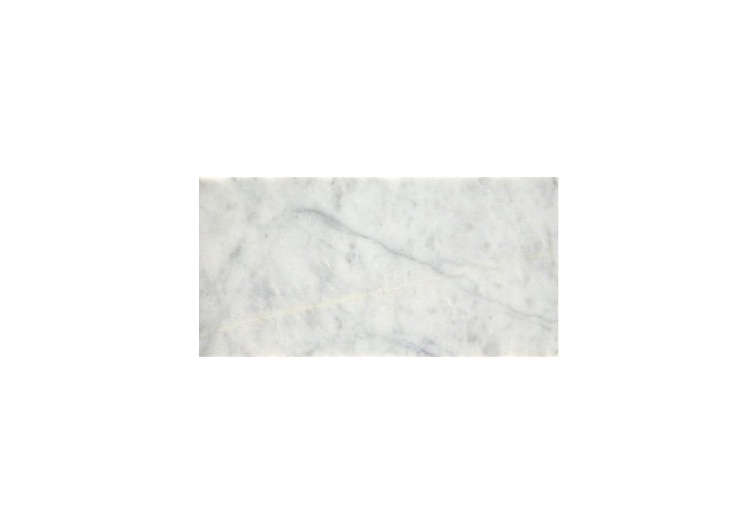
Calacatta honed marble is the kind of material that can make an ordinary room look as though it has been quietly preparing for its close-up since 1928. With a creamy white background, dramatic gray or warm gold veining, and a velvety matte surface, it delivers luxury without the glare of a mirror-polished slab.
It is also a natural stone, which means it has opinions. It may develop etching, pick up a stain if spills linger, and remind you that lemon juice is excellent in salad dressing but not especially polite to calcium-based surfaces. For homeowners who appreciate authentic materials, though, those small signs of life can become part of the appeal.
Whether you are planning a kitchen island, bathroom vanity, fireplace surround, shower wall, or statement floor, this guide explains what Calacatta honed marble is, how it differs from polished marble, where it works best, and how to keep it looking beautiful for years.
Note: Natural stone varies from slab to slab. Always view and approve the exact Calacatta marble before fabrication, because samples are helpful but cannot predict every vein, shade shift, fissure, or bit of geological drama.
What Is Calacatta Honed Marble?
Calacatta marble is a premium white marble associated with Italy’s famous Carrara region. It is often recognized by its bright white or soft ivory background and larger, more expressive veining than many other white marbles. Depending on the selection, those veins may be gray, charcoal, taupe, beige, or warm gold.
The word honed refers to the finish, not the stone variety. A honed marble surface is ground smooth but left with a low-sheen, matte appearance instead of being polished to a glossy reflection. It feels refined, soft, and slightly more relaxed than polished marble.
Think of polished marble as a tuxedo at a formal gala. Honed marble is that same tuxedo with the jacket off, sleeves rolled up, and much better stories by the end of the evening.
Calacatta Marble vs. Carrara Marble
Calacatta and Carrara are frequently confused because both are white Italian marbles with gray veining. The difference usually comes down to contrast and movement. Carrara commonly has a cooler gray background with softer, finer, more frequent veins. Calacatta tends to have a whiter field and bolder, more dramatic veining.
Calacatta often feels more decorative and high-impact, especially when used in large slabs. Carrara can look more understated and classic. Neither is automatically “better”; the right choice depends on the room, the cabinetry, the lighting, and whether you want your stone to whisper or politely take over the conversation.
Why the Honed Finish Changes the Look
Honing softens marble’s visual contrast. The lack of shine diffuses light, making the stone feel warmer and less formal. This can be especially useful in rooms with strong sunlight, recessed lighting, or lots of reflective surfaces such as glass, chrome, and glossy cabinetry.
A honed finish also tends to hide small scratches and light etching more gracefully than a highly polished finish. However, it can be more absorbent at the surface level, so prompt cleanup and proper sealing matter. Honed does not mean maintenance-free. It simply means the marble wears its personality with a little more subtlety.
Why Homeowners Choose Calacatta Honed Marble
Calacatta honed marble is popular because it combines high contrast with a calm surface. Its natural movement gives a room visual depth without requiring busy wallpaper, patterned cabinets, or a dozen competing finishes. One well-chosen slab can do a surprising amount of decorating work.
Its most compelling qualities include:
- One-of-a-kind veining: Every slab has a different pattern, making the finished installation truly individual.
- Soft luxury: The honed finish feels less flashy than polished stone while still looking elevated.
- Timeless appeal: White marble works in traditional, transitional, modern, farmhouse, coastal, and European-inspired interiors.
- Design flexibility: It pairs easily with white, black, green, navy, natural oak, walnut, brass, nickel, and matte black finishes.
- Natural patina: Over time, minor marks and soft etching can give the surface a lived-in, collected character.
The key word is natural. Calacatta marble is not printed with a repeating pattern. It is not engineered for sameness. That is exactly why it feels special, but it also means buyers should never order it as though they are selecting a paint color from a tiny cardboard chip.
Best Places to Use Calacatta Honed Marble
Kitchen Countertops and Islands
A honed Calacatta marble countertop can create a breathtaking kitchen, especially when used on a large island with a waterfall edge or a thick mitered profile. The matte finish reduces glare and gives the room a softer, more architectural feel.
For a kitchen that sees heavy tomato sauce, citrus cocktails, messy baking projects, and children who treat countertops like an unofficial science lab, marble requires a realistic mindset. Use cutting boards, wipe acidic spills quickly, place hot cookware on trivets, and accept that the stone may develop small signs of use.
Many homeowners reserve Calacatta honed marble for an island while using a tougher surface around the perimeter. This approach keeps the visual drama while giving the primary prep zone a little more day-to-day resilience.
Bathroom Vanities
Bathrooms are one of the most forgiving places to use Calacatta honed marble. A vanity top, backsplash, shower wall, or tub surround can feel luxurious without facing the same amount of food acids, cookware, and sharp utensils found in a kitchen.
Pair honed Calacatta marble with warm brass hardware for a classic hotel-inspired look, polished nickel for a traditional aesthetic, or black fixtures for crisp modern contrast. Because the surface is matte, it can also soften a bathroom filled with glossy tile and glass.
Fireplace Surrounds and Feature Walls
Calacatta honed marble is excellent for fireplaces, accent walls, and decorative cladding. These locations allow the stone’s veining to become the star without exposing it to constant food spills or abrasive cleaning.
Bookmatched slabs are particularly striking on fireplace surrounds and full-height walls. In a bookmatched installation, two adjacent slab pieces are mirrored so the veining opens outward like a giant stone butterfly. It can look extraordinary when planned well, but it requires careful slab selection and an experienced fabricator.
Floors and Shower Applications
Honed marble tile can work beautifully on bathroom floors, shower walls, entryways, and low-traffic interior floors. The matte finish generally provides a more understated look than polished tile and may be a better visual choice where glare or slipperiness is a concern.
Still, do not assume any marble surface is automatically slip-proof. Floor performance depends on the exact tile, texture, installation method, grout joints, water exposure, footwear, and maintenance routine. A knowledgeable tile professional can help match the stone format to the room.
How to Design With Calacatta Honed Marble
The best Calacatta installations do not try to make everything match perfectly. Instead, they let the marble establish the visual direction and use the rest of the room to support it.
Cabinet Colors That Work Beautifully
White cabinets create a bright, seamless look, especially when the cabinet paint leans warm enough to connect with the marble’s ivory background. This combination feels airy but can become flat if every element is white, so add contrast through hardware, lighting, wood flooring, or a darker island.
Natural oak and walnut cabinets bring warmth to Calacatta honed marble. Wood tones keep the room from feeling too icy and make the veining appear more organic. This pairing works especially well in modern organic, Scandinavian, Mediterranean, and transitional interiors.
Deep green, navy, charcoal, or black cabinetry creates a more dramatic look. The marble’s white field becomes brighter by comparison, while dark cabinets help anchor the room. This is a strong option for homeowners who want an elegant kitchen without turning it into a white-on-white snowstorm.
Backsplash Ideas
For a quiet and luxurious design, continue the Calacatta honed marble from the countertop up the backsplash. Using the same slab creates a continuous look and lets the veining travel naturally across the wall.
For a more budget-conscious project, use the marble only on the countertop and choose a simple ceramic subway tile, handmade-look tile, or large-format porcelain backsplash. The stone still gets its moment without requiring every square inch of the kitchen to attend finishing school in Italy.
Hardware and Fixtures
Warm brass can highlight gold veining in Calacatta Gold selections. Satin nickel works well with cooler gray veins. Matte black creates sharp contrast and helps a white marble surface feel contemporary. The safest approach is to bring a slab sample into the lighting conditions of the actual room before choosing final hardware.
Choosing the Right Calacatta Honed Marble Slab
Shopping for Calacatta marble is not a “click add to cart and hope for the best” situation. Visit the stone yard whenever possible. View full slabs vertically and from several feet away, then inspect them up close.
Pay attention to the following details:
- Overall background color: bright white, soft white, creamy ivory, or cooler gray-white.
- Vein color: gray, gold, taupe, brown, charcoal, or a combination.
- Vein intensity: delicate, medium, bold, or wildly dramatic.
- Movement direction: flowing veins, cloud-like patterns, diagonal lines, or concentrated sections.
- Natural features: fissures, pits, filled areas, mineral deposits, and tonal variation.
- Slab layout: where seams, sink cutouts, edges, and waterfall panels will fall.
Ask the fabricator to create a layout before cutting. This is especially important for islands, backsplashes, bookmatched walls, and waterfall edges. A beautiful slab can become an awkward installation if the best veining disappears into a sink cutout or gets sliced into tiny pieces without a plan.
It is also wise to test a sample with everyday substances. Place a few drops of water, olive oil, coffee, lemon juice, or wine on an offcut or sample, then observe what happens. This does not give a perfect prediction of long-term performance, but it can help set realistic expectations before thousands of dollars and several emotional emails enter the project.
Calacatta Honed Marble Care and Maintenance
Proper care does not require a laboratory coat or a daily ceremonial cleansing ritual. It does require consistency. Marble is calcium-based and porous, so acids, abrasive cleaners, and neglected spills can damage the surface.
Daily Cleaning
For everyday cleanup, use a soft microfiber cloth with warm water or a pH-neutral cleaner made for natural stone. A small amount of mild dish soap can be useful for grease, followed by a clean damp cloth and a dry towel to remove residue.
Blot spills rather than aggressively rubbing them across the surface. This is especially important with coffee, wine, citrus juice, tomato sauce, vinegar, berries, oil, and strongly colored foods.
What to Avoid
Keep acidic and abrasive products away from Calacatta honed marble. Avoid vinegar, lemon-based cleaners, bathroom descalers, rust removers, scouring powders, rough scrub pads, and harsh all-purpose cleaners.
Do not cut directly on the marble. Not only can knives scratch the surface, but the countertop is not interested in becoming a cutting board simply because it looks expensive enough to have an opinion about cheese.
Sealing Marble
A penetrating stone sealer can help slow liquid absorption and reduce staining risk. However, sealers do not make marble invincible. They do not stop acid etching, prevent every scratch, or turn the surface into engineered quartz.
The right resealing schedule depends on the stone, finish, location, cleaner used, and amount of traffic. Rather than relying only on a calendar, perform a simple water test according to your fabricator’s guidance. If water quickly darkens the stone instead of beading on the surface, it may be time to discuss resealing.
Handling Etching, Stains, and Chips
Etching and staining are not the same. Etching is a dull or lighter mark caused by acid reacting with the marble. Staining occurs when a substance absorbs into the stone and leaves discoloration. A sealer can help with staining but cannot prevent etching.
Minor marks may blend into the honed surface over time. For stubborn stains, deep etching, cracks, or chips, contact a stone restoration professional. DIY repairs are tempting, but marble is remarkably good at making a tiny mistake look like a much larger one.
What Affects the Cost of Calacatta Honed Marble?
Calacatta honed marble is generally considered a premium material, and costs can vary widely. The final price depends on more than the slab itself. Factors include rarity, vein pattern, slab grade, thickness, country of origin, shipping, fabrication complexity, edge profile, sink cutouts, installation access, and waste from the layout.
A simple bathroom vanity may use a relatively small amount of material, while a large island with waterfall edges, full-height backsplash panels, and carefully aligned veining can require multiple slabs and significant fabrication labor.
To keep a project under control, ask for a detailed quote that separates slab costs, fabrication, installation, edge details, sealing, backsplash pieces, demolition, and delivery. A vague “all-in” number can be convenient until the extras arrive wearing tiny price tags and enormous confidence.
Is Calacatta Honed Marble Right for You?
Calacatta honed marble is a wonderful choice for homeowners who value character, natural variation, and timeless design more than factory-perfect uniformity. It is especially appealing when you want a surface that feels warm, tactile, and sophisticated rather than glossy and formal.
It may not be the ideal choice for someone who wants a countertop to remain visually identical after years of heavy cooking, frequent acidic spills, and zero maintenance. In that case, marble-look porcelain, quartz, or quartzite may offer a more practical fit.
But for those who can appreciate a little patina, Calacatta honed marble offers something synthetic surfaces struggle to reproduce: depth, softness, variation, and a sense that the room has been there longer than the rest of the house.
Real-World Experiences With Calacatta Honed Marble
Living with Calacatta honed marble is often less about keeping it flawless and more about adjusting your expectations from “perfect showroom surface” to “beautiful material with a memory.” In real homes, the first few weeks can feel slightly nerve-racking. Owners tend to notice every splash near the sink, every coffee ring, every dropped spoon, and every guest who confidently places a glass of lemonade directly on the counter as though they are auditioning for a disaster movie.
Then something changes. Once the initial fear fades, many people begin to understand why natural stone remains so popular. The surface feels different from manufactured materials. It is cool under the hands, softly matte in daylight, and visually layered in a way that printed patterns cannot quite duplicate. Even when the room is quiet, the stone gives it movement.
Kitchen users often say that honed marble feels more forgiving than polished marble because it does not reflect every fingerprint, streak, or tiny scratch. A polished surface can make a small etch look like a spotlight has been aimed directly at it. Honed marble tends to soften those visual imperfections. The mark may still exist, but it becomes less of an emergency and more of a tiny chapter in the countertop’s biography.
That does not mean honed marble is carefree. People who are happiest with it usually build a few simple habits into their routines. They keep a cutting board near the prep area, use trivets without drama, wipe up wine and tomato sauce reasonably quickly, and avoid leaving wet metal cans or bottles sitting in one spot for days. These habits become automatic, much like putting a phone on a charger at night or pretending the dishwasher will unload itself.
Bathroom installations are often easier to live with than kitchen countertops. A Calacatta honed vanity can look luxurious for years with basic care because it faces fewer acidic foods and less abrasive activity. Water spots, toothpaste drips, and cosmetic products still deserve attention, but the overall maintenance pressure is usually lower. In a bathroom, the marble often feels like a reward rather than a responsibility.
Another common experience is surprise at how much lighting affects the stone. In the morning, honed Calacatta may look creamy and quiet. At noon, gray veins can become sharper. In the evening, under warm pendant lighting, gold notes may appear that were almost invisible during the day. This is one reason slab approval should happen under varied lighting whenever possible.
Homeowners also learn that seams are not automatically a failure. Marble slabs have size limits, and large counters often require seams. A skilled fabricator can place them thoughtfully, align the veining as closely as possible, and keep the finished work looking intentional. The same goes for natural fissures and filled areas. These are not necessarily defects; they are part of the geological story. The important question is whether the slab’s features are acceptable to you before cutting begins.
The most satisfied Calacatta honed marble owners are usually not the people chasing a pristine, laboratory-clean surface. They are the people who wanted a material with warmth and character. They understand that a small etch from a lemon slice is not the end of civilization. It is simply evidence that the kitchen is being used for something better than storing unopened mail.
Ultimately, Calacatta honed marble rewards thoughtful ownership. It asks for attention, but it gives back atmosphere, texture, and a timeless kind of beauty that looks just as convincing on day one as it does after a few years of real life.
Conclusion
Calacatta honed marble brings together bold veining, soft texture, and unmistakable natural beauty. Its matte finish offers a relaxed alternative to glossy marble, making it a standout choice for kitchens, bathrooms, fireplaces, walls, and selected floor applications.
The best results come from choosing the exact slab carefully, working with an experienced fabricator, planning seams and veining before cutting, and embracing a realistic maintenance routine. Treat it well, accept a little patina, and Calacatta honed marble can make a room feel not just expensive, but genuinely unforgettable.










