
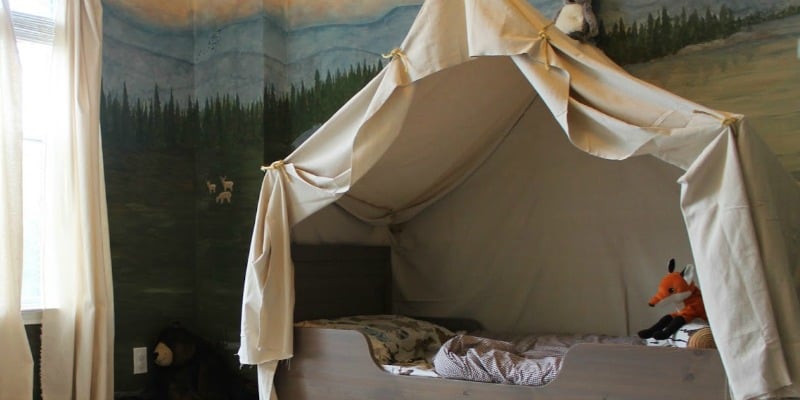
A camping tent bed in a kid’s woodland bedroom is the kind of design idea that makes adults pause and say, “Why did nobody build me one of those when I was six?” It combines the cozy magic of a blanket fort, the adventurous feeling of sleeping under the stars, and the practical comfort of an actual bed that does not collapse when someone sneezes. Done well, it becomes more than cute decor. It becomes a sleep zone, reading nook, imaginative play area, and tiny forest headquarters all in one.
The charm is obvious: soft greens, warm wood, forest animals, starry lights, leafy patterns, and a bed shaped like a little campsite. But the best woodland kids’ bedroom is not just a Pinterest moment wearing hiking boots. It should be safe, breathable, organized, age-appropriate, easy to clean, and flexible enough to grow with the child. Kids change interests faster than a raccoon can raid a snack bag, so the smartest design balances whimsy with long-term function.
This guide explores how to design a camping tent bed in a kid’s woodland bedroom with style, safety, comfort, and real-life parent sanity in mind.
Why a Camping Tent Bed Works So Well in a Woodland Bedroom
A camping tent bed instantly gives a child’s bedroom a story. A regular bed says, “Go to sleep.” A tent bed says, “Welcome to base camp, explorer.” That emotional shift matters because children’s rooms are not only places for sleeping. They are also places for reading, playing, calming down, hiding from imaginary dragons, and occasionally storing one sock in a completely impossible location.
The woodland bedroom theme works because it is naturally flexible. Forest-inspired decor can feel sweet for toddlers, adventurous for school-age kids, and still stylish enough for older children when the cartoon fox pillows are eventually retired. Unlike hyper-specific themes, such as one movie character or one very intense dinosaur phase, woodland design can mature through color, texture, and accessories.
The Emotional Appeal
Children often love enclosed spaces because they feel cozy and personal. A tent-style bed creates a sense of security without turning the room into a cluttered obstacle course. The canopy or frame defines the sleep area, making bedtime feel like entering a special hideaway. For kids who resist sleep, that sense of ownership can help. No, it will not magically make every child say, “Mother, I am ready for eight uninterrupted hours.” But it can make the routine more inviting.
The Design Appeal
From a decor perspective, a camping tent bed becomes the anchor of the room. It gives the bedroom a focal point, which makes the rest of the design easier. Once the bed sets the campsite mood, you can layer in forest wallpaper, natural fiber rugs, wooden storage, animal art, mountain murals, or cloud-soft bedding without overthinking every corner.
Choosing the Right Camping Tent Bed
Not all tent beds are created equal. Some are low Montessori-style beds with an A-frame roof. Some are canopy beds with fabric panels. Others resemble little cabins, house beds, or safari tents. The best option depends on the child’s age, room size, ceiling height, and how much climbing temptation the design creates.
Low Tent Beds and Floor Beds
A low camping tent bed is often a smart choice for younger children transitioning out of a crib or toddler bed. Because the sleep surface is close to the floor, getting in and out feels manageable. This setup can encourage independence while reducing the drama of a high bed. It also suits a woodland room beautifully because it feels like a little sleeping tent tucked among trees.
Parents should still treat the whole room as part of the sleep environment. A low bed gives freedom, but freedom plus an unsecured bookshelf is not a design philosophy; it is a warning label. Anchor heavy furniture, keep cords out of reach, choose stable nightstands, and avoid loose canopy fabric near a very young sleeper.
Raised Tent Beds, Loft Beds, and Bunk-Inspired Designs
Older children may love a raised tent bed or loft-style campsite bed. These can be wonderful in small rooms because they create usable space underneath for storage, reading, or play. However, elevated beds require more caution. Guardrails, mattress thickness, ladder stability, and ceiling clearance all matter. If the bed has an upper bunk or loft-like structure, follow the manufacturer’s age and safety guidance carefully.
For many families, the sweet spot is a low A-frame bed or a standard-height bed with a secure tent-style canopy. It delivers the woodland-camp feeling without turning bedtime into mountaineering practice.
Safety First: Cute Should Never Be Chaotic
A child’s woodland bedroom can be magical without being risky. In fact, the safest rooms often feel calmer because there is less clutter, fewer unstable pieces, and fewer “why is this hanging from the ceiling?” surprises.
Avoid Crib Tents and Unsafe Sleep Add-Ons
There is an important distinction between a decorative tent-style bed for an age-appropriate child and a crib tent used to keep a baby or toddler inside a crib. Crib tents have been associated with entrapment and strangulation risks, and safety experts have warned against using products that add unnecessary hazards to infant sleep spaces. For babies, a safe sleep setup should remain simple, firm, and free of loose objects.
For toddlers and older children, a tent bed should still be designed with airflow, visibility, and easy exit in mind. Avoid fully enclosed fabric that traps heat or makes it hard for a child to get out. The goal is “cozy campsite,” not “indoor nylon mystery cave.”
Anchor Furniture and Manage Climbing Risks
Woodland rooms often include dressers, bookcases, tree-shaped shelves, storage cubbies, and display ledges. Every tall or heavy piece should be anchored to the wall. Children climb furniture for reasons known only to children and mountain goats. Anchoring is one of the most important safety steps in any kid’s bedroom.
Place shelves away from the tent bed so the bed does not become a launchpad. Keep heavy decor low. Use soft storage bins instead of hard boxes when possible. If the bed includes rails, ladders, or roof framing, check them regularly for loose screws or wobbling.
Watch Cords, Lights, and Hanging Decor
String lights can make a woodland bedroom look like a fairy forest, but they should be used carefully. Choose child-safe lighting, keep cords secured and out of reach, and avoid draping lights inside the sleeping area where they can tangle with bedding. Battery-operated lanterns or wall-mounted sconces often create the same camping mood with fewer hazards.
Window blind cords should also be eliminated or kept completely inaccessible. Cordless window coverings are a better choice for children’s rooms. A woodland bedroom may look charming with curtains, but function matters too: blackout curtains can help support sleep, especially during bright summer evenings when the sun appears to be negotiating against bedtime.
Building the Woodland Look
The best woodland bedroom feels layered, not crowded. Think forest trail, not souvenir shop. Start with a simple palette, add natural textures, then bring in playful details through items that are easy to change.
Color Palette: Soft, Earthy, and Calm
Classic woodland colors include sage green, moss, pine, warm white, oatmeal, mushroom beige, soft brown, charcoal, clay, and muted blue. These shades feel natural and soothing. For a brighter child’s room, add small pops of mustard yellow, rust orange, berry red, or sky blue.
Painting all four walls dark forest green can be beautiful, but in a small bedroom it may feel heavy. A safer approach is one accent wall behind the camping tent bed, paired with lighter walls elsewhere. Peel-and-stick wallpaper with trees, mountains, ferns, or woodland animals can deliver big personality without committing the room to a permanent fox convention.
Natural Textures Make the Theme Feel Real
Texture is what keeps a woodland bedroom from feeling flat. Wood furniture, woven baskets, cotton bedding, linen curtains, wool-style rugs, rattan lampshades, and canvas tent panels all add warmth. These materials also help the room feel more timeless. A child may outgrow cartoon bears, but natural wood and cozy textiles can stay for years.
Choose washable fabrics wherever possible. Kids plus nature theme plus bedtime snacks can become an ecosystem. Removable covers, machine-washable bedding, and wipeable surfaces will save everyone from dramatic cleaning monologues.
Designing Around the Camping Tent Bed
Once the bed is selected, arrange the rest of the room around it. The layout should support three daily activities: sleeping, playing, and storing the evidence of playing.
Create a Sleep Zone
The tent bed should feel calm. Keep bedding comfortable but not overloaded. A fitted sheet, breathable blanket, and a few age-appropriate pillows are usually enough. If the tent frame has fabric panels, make sure they do not block airflow. A small reading light near the bed is useful, but avoid bright overhead lighting at bedtime.
A soft rug beside the bed gives little feet a warm landing in the morning. It also visually separates the sleep zone from the play zone. For children who roll out of bed occasionally, a low bed and cushioned rug can make the transition gentler.
Add a Reading Camp Corner
A woodland room practically begs for a reading nook. Add a low bookshelf, a beanbag or floor cushion, and a wall-mounted light. Display books with covers facing out so kids can choose easily. Nature books, camping stories, animal picture books, and star-themed bedtime stories all reinforce the theme without needing more decor.
For small rooms, the reading nook can live under a loft-style bed or beside the tent bed. A basket labeled “Trail Library” is optional, but delightful. Labels make everything feel official, including the basket of books that will absolutely migrate across the floor by Wednesday.
Plan Storage Like a Park Ranger
Storage is the difference between “woodland bedroom” and “toy landslide with leaves.” Use baskets for stuffed animals, under-bed drawers for seasonal bedding, wall hooks for backpacks, and low cubbies for toys. Keep the most-used items within the child’s reach so cleanup becomes possible, not theoretical.
Rotating toys can help maintain the peaceful feel. A few forest animals on display look charming. Forty-seven plush squirrels arranged in a defensive formation may be less restful.
Decor Ideas That Bring the Forest Indoors
The woodland theme works best when decor feels collected and playful. Mix practical items with imaginative details.
Wall Treatments
Try a mural of pine trees behind the bed, a mountain silhouette along the lower wall, or peel-and-stick decals of leaves and woodland animals. Woodsy wallpaper is especially effective in a child’s room because it creates atmosphere instantly. For a subtle look, choose small-scale prints in soft colors. For a bolder room, use a dramatic forest mural on one wall and keep the rest simple.
Lighting
Layered lighting is ideal. Use a ceiling fixture for general light, a lamp or sconce for reading, and a dim night-light for comfort. Star projectors and lantern-style lamps can be fun, but they should not make the room too stimulating at bedtime. Sleep-friendly rooms are generally cool, dark, and quiet, so lighting should be easy to dim as the routine winds down.
Bedding and Accessories
Choose bedding with forest motifs, plaid patterns, stars, trees, bears, deer, foxes, owls, or simple stripes. If the bed itself is already dramatic, keep bedding calmer. If the bed is simple, bedding can carry more of the theme. Add a faux camp blanket folded at the foot of the bed for that “tiny national park lodge” feeling.
Accessories can include a felt campfire play set, a wooden name sign, framed animal prints, a growth chart shaped like a tree, or a small map of national parks. These details make the room personal without requiring permanent renovation.
Indoor Air Quality and Material Choices
A beautiful bedroom should also be healthy. Children’s rooms often include paint, furniture, rugs, mattresses, adhesives, and textiles, all of which can affect indoor air quality. When decorating, look for low-VOC or zero-VOC paint, ventilate during and after painting, and give new furniture or rugs time to air out before heavy use.
Certifications such as GREENGUARD Gold can be helpful when selecting furniture, mattresses, and textiles designed with lower chemical emissions in mind. Natural materials are not automatically perfect, and synthetic materials are not automatically bad, but parents should pay attention to product information, odors, cleaning requirements, and durability.
Good ventilation matters too. Open windows when outdoor air quality allows, use a properly maintained HVAC system, and keep dust under control with regular vacuuming. A woodland room should smell like clean cotton and bedtime stories, not like fresh glue trying to introduce itself.
Making the Room Grow With the Child
One of the smartest strategies is to keep expensive pieces neutral and use accessories for the theme. A sturdy wood bed, simple dresser, and classic rug can last for years. The woodland personality can come from bedding, wall art, decals, pillows, and small decor that can be swapped when interests change.
For a toddler, the room may feature soft animals and a low tent bed. For a six-year-old, it can become an adventure camp with maps, lanterns, and nature books. For a preteen, the same room can shift toward cabin style with plaid bedding, warm lighting, and landscape art. This approach protects the budget and prevents the future sentence every parent dreads: “I do not like foxes anymore.”
Specific Design Example: A Cozy Forest Camp Room
Imagine a small bedroom with warm white walls and a sage green accent wall behind a low twin A-frame tent bed. The bed has a natural wood frame and a simple canvas canopy that can be tied open during sleep. Bedding includes cream sheets, a pine-green quilt, and one small bear pillow. Beside the bed is a washable wool-look rug in oatmeal beige.
On the opposite wall, a low bookcase holds bedtime books and nature puzzles. Above it are three framed prints: a fox, a mountain, and a moon. A woven basket stores stuffed animals. Blackout curtains in soft linen keep the room dark at night, while a small wall sconce gives enough light for reading. A dresser is anchored to the wall, and a few wooden hooks near the door hold a backpack and hoodie.
The room feels themed, but not overdone. It says “woodland camping adventure” without requiring anyone to install a fake tree, a waterfall, or a suspiciously expensive indoor boulder.
Common Mistakes to Avoid
Overcrowding the Theme
Too many trees, animals, lanterns, mushrooms, stars, and plaid patterns can make the room feel busy. Pick two or three main motifs and repeat them thoughtfully. For example: pine trees, stars, and warm wood. That is enough to create a strong design story.
Choosing Style Over Safety
A canopy that looks beautiful but hangs too low, blocks airflow, or tangles easily is not worth it. The same goes for unstable ladders, heavy wall decor above the bed, or shelves positioned where a child can climb from the mattress. Safety is not the boring part of design; it is the part that lets everyone sleep.
Ignoring Cleaning
Kids’ rooms need washable, durable materials. Choose bedding that can handle frequent laundering, rugs that can be vacuumed easily, and decor that does not collect dust like it is training for a competition.
500-Word Experience Section: Living With a Camping Tent Bed in a Kid’s Woodland Bedroom
The real magic of a camping tent bed shows up after the room is finished and daily life begins. At first, the child may treat the bed like a national landmark. They will invite stuffed animals, books, toy flashlights, three blankets, and possibly a plastic dinosaur who has no connection to woodland life but insists on attending. That is part of the charm. The bed becomes a personal world.
One of the most common experiences parents notice is that bedtime can feel less like a command and more like a ritual. Instead of saying, “Go to bed,” you can say, “Time to head back to camp.” That tiny language shift makes the room part of the story. A child may zip imaginary sleeping bags, check for pretend owls, turn on a soft lantern, and settle into the tent bed with a book. It gives the bedtime routine a beginning, middle, and end.
The reading experience also improves. A tent bed naturally creates a cozy corner, and children often enjoy reading in spaces that feel tucked away. Add a small book basket near the bed, and the child can choose two stories before lights out. In practice, this may become six stories plus a detailed conversation about whether foxes wear pajamas. Still, the reading habit is worth it.
During the day, the bed often becomes a pretend-play stage. It can be a ranger station, bear cave, mountain lodge, fairy cabin, explorer tent, or emergency meeting place for stuffed rabbits. This kind of imaginative play is one reason the camping tent bed works so well. It gives kids a defined setting without needing electronic entertainment. The room encourages them to invent, organize, negotiate, and narrate their own adventures.
Parents should expect some maintenance. Fabric panels may need washing. The tent frame may need occasional tightening. The bed may collect pinecone crafts, toy binoculars, and mysterious crumbs from snacks nobody admits eating. A simple weekly reset helps: strip the bedding, shake out the canopy if removable, vacuum around the frame, return books to the shelf, and reduce the stuffed animal population to a reasonable village.
Another real-life benefit is emotional comfort. Some children like having a small enclosed area when they feel overstimulated. A tent bed can become a calm retreat after school, after a busy party, or after a dramatic sibling debate over a blue marker. With soft lighting and a few favorite books, the space can support quiet time without feeling like punishment.
The key is balance. Keep the tent bed special, but do not let it become cluttered. Keep the woodland theme playful, but not overwhelming. Keep the room adventurous, but safe enough that parents are not lying awake imagining worst-case scenarios. When designed thoughtfully, a camping tent bed in a kid’s woodland bedroom becomes one of those rare decor ideas that looks adorable, functions well, and creates memories. It is a bedroom, yesbut also a tiny campsite where imagination gets the top bunk.
Conclusion
A camping tent bed in a kid’s woodland bedroom is a smart way to blend comfort, creativity, and practical design. The best rooms start with a safe, age-appropriate bed, then layer in calming colors, natural textures, flexible storage, soft lighting, and woodland details that can evolve over time. Parents should prioritize furniture anchoring, airflow, washable materials, low-VOC finishes, and a sleep-friendly environment. Kids get the magic of a forest hideaway. Adults get a room that is organized, durable, and not entirely controlled by stuffed animals. Everybody wins, including the fox pillow.
Note: This HTML body article is written for web publishing and is based on synthesized U.S. design, child-safety, sleep-environment, and indoor-air guidance.














