
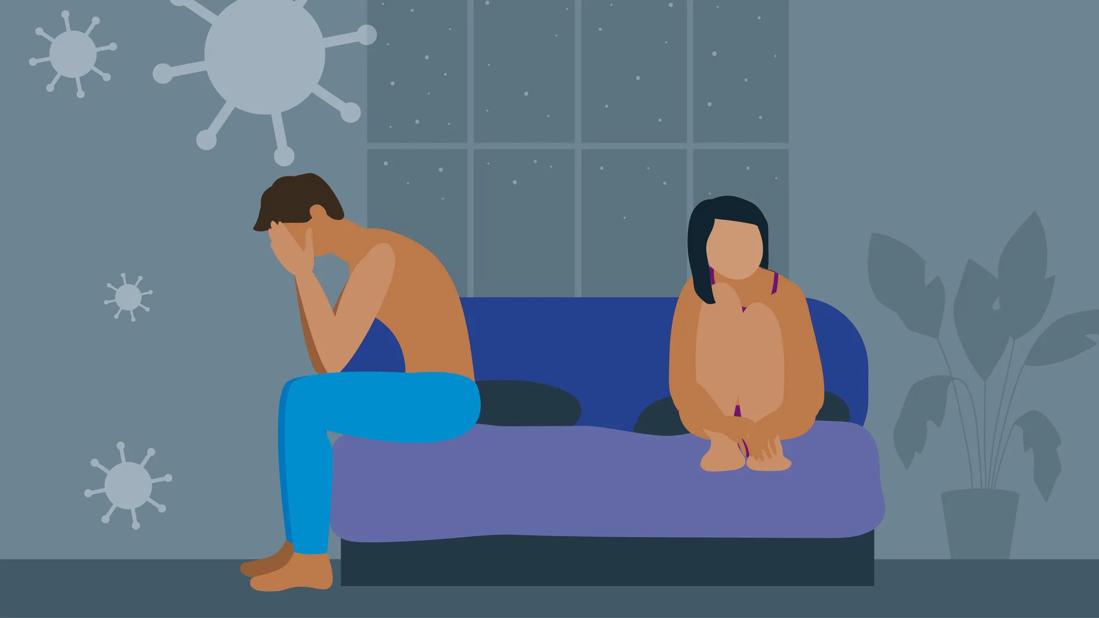
COVID-19 has been blamed for a lot of things: canceled vacations, awkward Zoom birthdays, and the sudden worldwide realization that sourdough starters have feelings. But one question has quietly bothered many men long after the fever, cough, and fatigue faded: Can COVID-19 cause erectile dysfunction?
The honest answer is: yes, COVID-19 may contribute to erectile dysfunction in some men. That does not mean every man who gets COVID-19 will develop ED, and it does not mean ED after COVID is always permanent. Erectile dysfunction is usually a team sport of causesblood flow, hormones, stress, sleep, medications, heart health, and mental health can all show up wearing the same jersey. COVID-19 may join that team by affecting the blood vessels, triggering inflammation, worsening fatigue, disrupting mood, and possibly influencing testosterone levels.
The good news? ED is common, treatable, and often a useful “check engine” light for overall health. The awkward conversation with a doctor may feel like trying to explain your browser history to your grandmother, but it can lead to answersand better health far beyond the bedroom.
What Is Erectile Dysfunction?
Erectile dysfunction, often shortened to ED, means having regular trouble getting or keeping an erection firm enough for satisfying sexual activity. It is not the same as one bad night. One bad night can happen because of stress, alcohol, exhaustion, relationship tension, or simply because the human body sometimes acts like a printer: perfectly fine yesterday, mysteriously offline today.
Doctors usually become more concerned when the problem is frequent, persistent, or new for a person. ED may be physical, psychological, or both. Blood flow is especially important because an erection depends on healthy arteries, relaxed blood vessels, nerve signals, and enough circulation to the penis. This is why ED often overlaps with conditions such as high blood pressure, diabetes, obesity, smoking, high cholesterol, depression, anxiety, and cardiovascular disease.
So, Can COVID-19 Cause Erectile Dysfunction?
Research increasingly suggests that COVID-19 infection can raise the risk of erectile dysfunction or worsen ED in men who already had it. Several studies have reported higher rates of ED after COVID-19 infection, including studies that found increased odds of newly diagnosed ED among men who previously had COVID. Other research has examined men months or even years after infection and found that ED may appear as part of a wider long-COVID picture.
Still, this topic needs careful wording. COVID-19 is not a magic switch that automatically turns normal sexual function off. Instead, it may create the right conditions for ED to develop, especially in men who already have risk factors such as age over 40, excess weight, diabetes, hypertension, smoking, depression, poor sleep, or cardiovascular problems. In other words, COVID may not always be the villain twirling the mustachebut it can be the storm that knocks over an already wobbly fence.
How COVID-19 May Lead to Erectile Dysfunction
1. Blood Vessel and Endothelial Damage
One of the strongest theories involves the endothelium, the thin lining inside blood vessels. Healthy endothelial function helps blood vessels relax and widen when the body needs more blood flow. Erectile function depends heavily on this process. If blood vessels cannot dilate properly, erections can become weaker or harder to maintain.
COVID-19 is known to affect the vascular system in some people. It can trigger inflammation, clotting problems, and endothelial dysfunction. Because the blood vessels in the penis are smaller than many other arteries, problems with circulation may show up there early. This is one reason urologists often treat ED as more than a bedroom issueit can be a clue about vascular and heart health.
2. Inflammation After Infection
COVID-19 can provoke an inflammatory response. For many people, inflammation settles down after recovery. For others, especially those with long COVID, inflammation-related symptoms can linger. Ongoing inflammation may interfere with circulation, energy levels, mood, and nerve signalingall of which matter for sexual function.
Think of inflammation as the body’s fire alarm. During an infection, the alarm is useful. But if it keeps blaring long after the smoke clears, everyday systems can become disrupted. Erections are not separate from the rest of the body; they are one of the many functions that can suffer when the body is busy dealing with lingering stress signals.
3. Long COVID Fatigue and Breathlessness
Long COVID can include fatigue, shortness of breath, brain fog, sleep problems, dizziness, chest discomfort, and reduced exercise tolerance. None of these are exactly mood lighting. If climbing stairs feels like summiting Mount Everest with a backpack full of bricks, sexual performance may understandably take a hit.
Sexual activity requires energy, confidence, breathing capacity, and a sense of physical readiness. Men recovering from COVID may notice that their desire is lower or that their erections are less reliable because their overall stamina has not returned. In these cases, ED may improve gradually as general recovery improves.
4. Mental Health Effects: Anxiety, Depression, and Stress
The pandemic created a perfect stress soup: health fears, isolation, job pressure, grief, financial strain, relationship tension, and nonstop news alerts. COVID infection itself can also be frightening, especially if symptoms were severe. Anxiety and depression are both strongly linked with erectile dysfunction.
Performance anxiety can become a loop. A man has one difficult experience, worries it will happen again, and that worry makes the next attempt harder. The body is not great at romance when the brain is waving a clipboard and shouting, “Let’s evaluate this performance in real time!” Treating anxiety, depression, and sleep problems can be just as important as treating blood flow.
5. Possible Hormonal Changes
Some research has explored how COVID-19 may affect testosterone and testicular function, especially after more severe illness. Testosterone influences libido, energy, mood, and aspects of sexual function. Low testosterone is not the only cause of ED, but it can contribute to low desire and reduced sexual confidence.
Men with symptoms such as low libido, persistent fatigue, reduced morning erections, depressed mood, or loss of muscle strength may benefit from discussing hormone testing with a clinician. The key is not to guess. Hormones are not a DIY guessing game, and random supplements promising “volcano-level masculinity” deserve a skeptical eyebrow.
Is Erectile Dysfunction After COVID Permanent?
In many cases, ED after COVID-19 may be temporary or improve with treatment. Recovery depends on the person, the severity of infection, underlying health, mental health, sleep, lifestyle, and whether there are hidden medical issues. Some men recover naturally over weeks or months. Others need medical evaluation and support.
Persistent ED should not be ignored, especially if it appears suddenly after COVID or comes with chest pain, shortness of breath, reduced exercise tolerance, high blood pressure, diabetes symptoms, or major fatigue. ED can be an early warning sign of cardiovascular problems. That does not mean panic; it means pay attention. Your body may be sending a memo, and unlike most office memos, this one is worth reading.
Who May Be at Higher Risk?
COVID-related erectile dysfunction may be more likely in men who already have risk factors for ED or vascular disease. These include:
- High blood pressure
- Diabetes or insulin resistance
- Obesity
- Smoking or vaping
- High cholesterol
- Heart disease or poor circulation
- Depression, anxiety, or chronic stress
- Poor sleep or sleep apnea
- Low testosterone
- Severe COVID-19 or long-COVID symptoms
Age also matters, but younger men are not immune. A younger man with sudden ED after COVID should not assume it is “just stress,” even though stress may be part of it. A basic medical checkup can identify blood pressure issues, blood sugar problems, medication side effects, hormonal concerns, or cardiovascular risk factors early.
Could the COVID Vaccine Cause Erectile Dysfunction?
Current evidence does not show that COVID-19 vaccination causes erectile dysfunction. Some studies have specifically looked at male sexual function and found no increased ED risk linked to vaccination. Infection, not vaccination, appears to be the bigger concern when discussing COVID and men’s sexual health.
This matters because misinformation spreads faster than a sneeze in an elevator. Avoiding vaccination out of fear of ED is not supported by current evidence. Since vaccination can reduce the risk of severe COVID-19, it may indirectly help protect overall vascular health by lowering the chance of serious infection and complications.
When Should You See a Doctor?
A man should consider seeing a healthcare professional if ED lasts longer than a few weeks, appears suddenly, causes distress, or happens along with other symptoms. It is especially important to seek medical care if ED is accompanied by chest discomfort, shortness of breath, dizziness, severe fatigue, leg swelling, uncontrolled blood pressure, or signs of diabetes.
A doctor may ask about medical history, COVID history, medications, mood, sleep, alcohol use, smoking, exercise, and relationship factors. Testing may include blood pressure measurement, blood sugar, cholesterol, testosterone, thyroid function, and other checks depending on the situation. This is not about embarrassment; it is about finding the real cause instead of blaming yourself or buying mystery pills from the internet with names like “Thunder Rhino 9000.” Please do not invite Thunder Rhino into your bloodstream.
Treatment Options for ED After COVID-19
Lifestyle Changes
The same habits that support heart health often support erectile health. Regular physical activity, weight management, nutritious food, quitting smoking, limiting alcohol, and improving sleep can all help circulation. Even modest improvements can make a difference. A walking routine may not sound as dramatic as a superhero origin story, but for blood vessels, it is basically a cape.
Medical Treatments
Doctors may prescribe oral ED medications known as PDE5 inhibitors, such as sildenafil or tadalafil, when appropriate. These medications improve the blood-flow response involved in erections. They are not safe for everyone, especially men taking nitrates for chest pain or certain heart conditions, so medical guidance is essential.
Other options may include vacuum erection devices, injectable medications, hormone treatment when low testosterone is confirmed, counseling, pelvic floor therapy, or specialist care from a urologist. The right treatment depends on the cause.
Mental Health Support
If anxiety, depression, grief, relationship stress, or performance worry is part of the picture, therapy can help. This is not “all in your head” in the dismissive sense. The brain is part of the sexual system. Treating mental health can improve physical function, confidence, and quality of life.
How to Talk About ED Without Making It Weird
ED can feel embarrassing, but silence usually makes it heavier. A simple, direct approach works best: “I’ve noticed changes since I had COVID, and I want to get checked.” That sentence is enough for a doctor. With a partner, honesty helps reduce pressure: “This has been stressing me out, and I’m going to look into it.”
Many couples handle ED better when they stop treating every intimate moment like a pass-or-fail exam. Pressure is not romantic. Curiosity, patience, humor, and medical support are much better teammates.
Experiences Related to COVID-19 and Erectile Dysfunction
Experiences with ED after COVID-19 vary widely. One common pattern is the “I recovered, but I don’t feel like myself” story. A man may test negative, return to work, and assume the illness is over. Then he notices fatigue, poor sleep, low desire, or weaker erections. At first, he may ignore it. Then he may panic, secretly search symptoms at 2 a.m., and convince himself he is either doomed or turning into a medical journal footnote. Neither is helpful.
Another experience involves men who had mild COVID but intense stress afterward. Maybe the infection was not severe, but the fear, isolation, or work pressure was. For them, the problem may be less about direct tissue damage and more about anxiety, sleep disruption, and loss of confidence. One unsuccessful attempt can become a mental replay reel. The body feels pressure, the mind starts monitoring, and the erection exits stage left like it remembered another appointment.
Some men describe ED alongside long-COVID symptoms. They may have breathlessness, fatigue, brain fog, headaches, or reduced exercise tolerance. In this situation, sexual function may feel like another system that has not fully rebooted. The practical approach is to treat the whole recovery process: pacing activity, improving sleep, addressing mood, checking cardiovascular risk, and working with a clinician instead of assuming the problem is purely sexual.
There are also men who already had mild ED before COVID-19, but infection made it more noticeable. This is common with many illnesses. A health event can expose vulnerabilities that were already developing. For example, someone with borderline blood pressure, extra weight, high stress, and poor sleep may function well enoughuntil COVID adds inflammation and fatigue. Suddenly, the body has less margin. ED becomes the signal that the system needs attention.
Partners may experience this too, though from a different angle. They may wonder whether the change means loss of attraction, relationship trouble, or secrecy. In many cases, it means none of those things. ED after illness is often a health issue, not a love referendum. Clear communication can prevent unnecessary emotional detective work. Nobody needs to turn the bedroom into a courtroom.
The most helpful experiences tend to share one theme: men improve when they stop treating ED as a personal failure and start treating it as a medical clue. The path forward may include a primary care visit, urology referral, blood tests, cardiovascular screening, mental health support, better sleep, exercise, and evidence-based treatment. Progress may be gradual, but gradual progress is still progress. The body is allowed to recover like a human body, not like a phone after a software update.
Final Thoughts: COVID, ED, and the Bigger Health Picture
COVID-19 can contribute to erectile dysfunction, especially through vascular problems, inflammation, long-COVID symptoms, stress, poor sleep, and possible hormonal changes. But ED after COVID is not a life sentence, and it is not something to hide in shame. It is a treatable health issue and sometimes an early sign that the heart, blood vessels, hormones, or mental health need attention.
If erectile dysfunction appears after COVID-19, the smartest move is not panicit is evaluation. A healthcare professional can help identify the cause and recommend safe treatment. In many cases, the same steps that improve erections also improve overall health: better sleep, movement, healthy food, stress care, smoking cessation, and managing blood pressure, cholesterol, and blood sugar.
The bottom line is simple: COVID may affect sexual health, but it does not get the final word. With the right care, honest conversations, and a little patience, many men can recover confidence, function, and peace of mind.














