
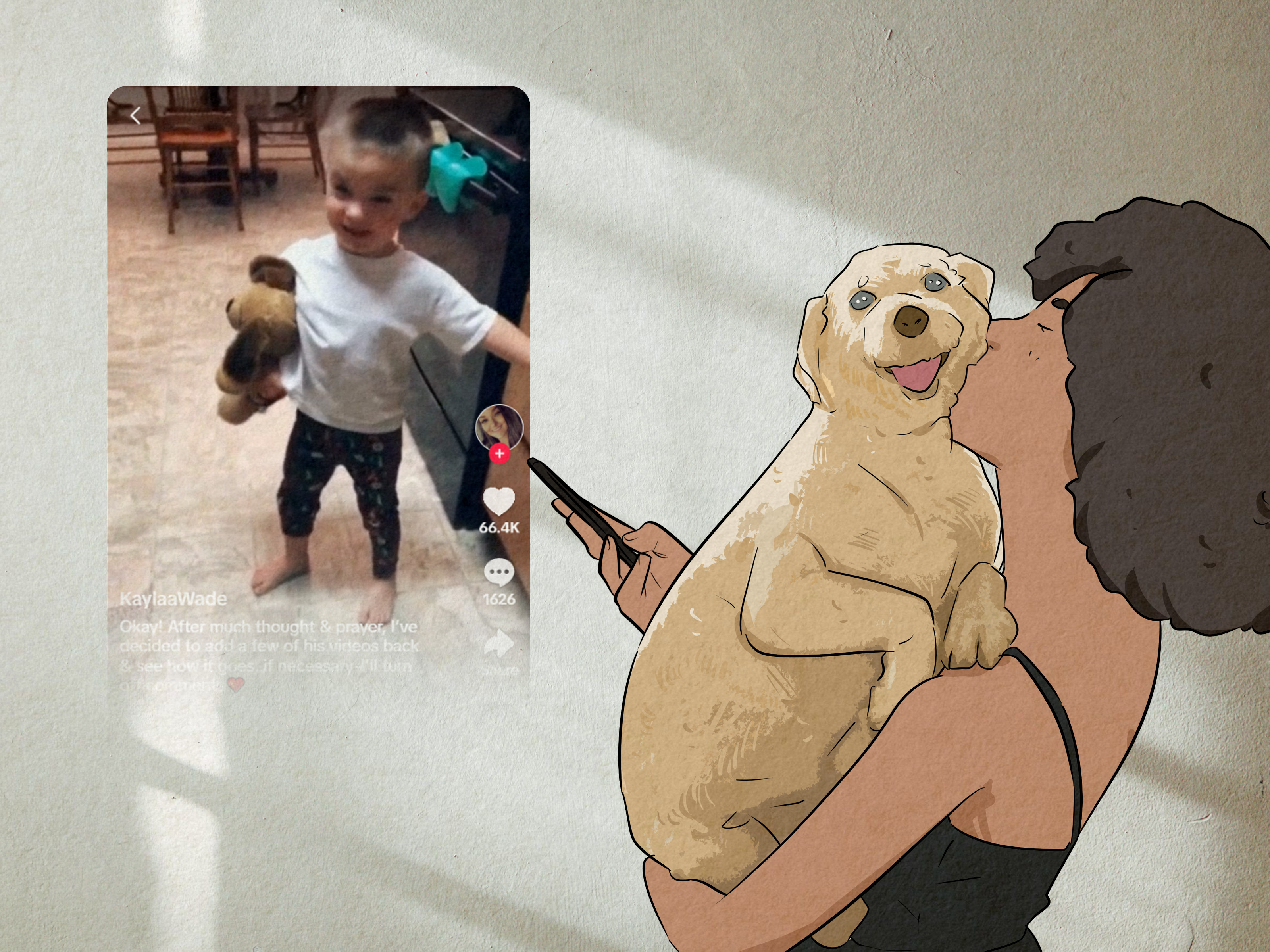
If you have spent more than seven minutes on TikTok, there is a good chance you have heard a tiny, determined voice asking the most urgent question in modern internet history: “Can I pet that dawg?” Sometimes the “dawg” is an actual dog. Sometimes it is a bear, a cow, a raccoon, a horse, a suspiciously dog-shaped statue, or an animal that absolutely should not be petted unless your life insurance paperwork is fully updated.
The phrase “Can I pet that dog?” became one of TikTok’s most lovable audio memes because it captures a universal feeling: seeing a cute animal and immediately losing access to common sense. The TikTok version is often spelled “Can I pet that dawg” because that exaggerated pronunciation is part of the joke. It is not just a question. It is a tiny emotional emergency.
But where did the meme come from? Why did it spread so far? And why are people still using it years after the original clip first appeared? Let’s unpack the meaning, origins, TikTok evolution, and internet charm behind “Can I Pet That Dawg.”
What Does “Can I Pet That Dawg” Mean?
“Can I Pet That Dawg” is a meme phrase used to express overwhelming excitement, curiosity, or impulsive affection toward an animal, object, or situation that looks irresistible. On TikTok, creators usually use the sound when someone desperately wants to touch, meet, approach, adopt, buy, hug, or otherwise interact with something cute, chaotic, or clearly off-limits.
At its simplest, the meme means: “I know I should probably be calm, but I need to pet that creature immediately.”
The humor comes from the contrast between innocent enthusiasm and questionable judgment. A puppy? Sure, ask politely. A sleeping dog? Maybe wait. A bear wandering near a porch? Absolutely not, tiny bestie. Yet the audio makes the urge feel hilariously relatable. Many viewers understand the feeling even when they know the correct answer is, “No, please do not pet the wildlife.”
Common Uses of the Meme
On TikTok, Instagram Reels, YouTube Shorts, and Facebook videos, the phrase is often paired with clips such as:
- A child spotting a dog and begging to pet it.
- A person seeing a fluffy animal at a park, farm, shelter, or pet store.
- A video of a wild animal that looks cute but is definitely not safe to approach.
- A pet owner showing a dog that is sleeping, grumpy, dramatic, or not in the mood.
- A parody where “the dog” is actually a bear, cow, goat, cat, capybara, or inflatable decoration.
- A non-animal joke, such as someone wanting to touch a fancy car, new gadget, plush toy, or forbidden snack.
The phrase became flexible because the internet loves taking one tiny piece of audio and applying it to every possible situation until the joke grows legs, puts on sunglasses, and starts paying rent in everyone’s brain.
The Origin of “Can I Pet That Dog?”
The widely cited origin of the meme comes from a viral TikTok video posted in 2020 by Kayla Holley, also associated online with the handle @kayholleyy. The clip featured her young son, Acesyn, a 6-year-old boy from Texas, refusing to settle down for bedtime because he desperately wanted to pet the family’s newly rescued Yorkie named Oliver.
In the video, Acesyn repeatedly asks, “Can I pet that dog?” while his mother tells him no. The dog was sleeping, bedtime had arrived, and like many parents know, bedtime is when children suddenly remember 47 urgent things they must do before closing their eyes. In this case, the emergency was dog-related.
The original moment was simple: a tired child, a sleeping dog, a patient mom, and a line delivered with so much emotion that it was basically Shakespeare in pajama form. The clip went viral because it felt genuine. There was no complicated setup, no overproduced punchline, and no one trying too hard to create a catchphrase. It was just a kid who really, really wanted to pet that dog.
That authenticity made the audio perfect for TikTok. Once users started reusing the sound, the phrase separated from its original bedtime context and became a reusable reaction. The moment was no longer only about Acesyn and Oliver. It became a soundtrack for every person who has ever seen a cute animal and immediately turned into a cartoon character with heart-shaped eyes.
Why Is It Spelled “Dawg” Instead of “Dog”?
The original phrase is usually written as “Can I pet that dog?” However, many meme captions spell it as “Can I pet that dawg?” because the pronunciation is a major part of the charm. “Dawg” visually captures the drawn-out, funny, pleading sound that people hear in the audio.
Spelling words phonetically is common in meme culture. Internet users often exaggerate how something sounds because it makes the joke easier to recognize in text form. In this case, “dawg” does two jobs at once. It signals the accent and emotional delivery of the original audio, and it gives the phrase a playful, meme-ready look.
That is why you will see variations like:
- “Can I pet that dog?”
- “Can I pet that dawg?”
- “Can I pet that dawggg?”
- “Can I pet dat dog?”
- “Can I pet that doggggg?”
None of these versions changes the meaning. They simply recreate the rhythm of the audio in a way that makes readers hear the line in their heads. Meme spelling is not here to impress your English teacher. It is here to make your brain giggle.
How the TikTok Meme Spread
TikTok is built for audio reuse. When a funny sound catches on, creators can attach it to new videos, remix it, duet it, stitch it, or use it as a punchline in an entirely different context. That is exactly what happened with “Can I Pet That Dog.”
After the original video gained attention, TikTok users began applying the sound to animal videos. The format was easy to understand within seconds: show something cute, questionable, or impossible to pet, then play the audio. The joke did not require a long caption or deep explanation. A viewer could understand it while standing in line for coffee, pretending not to watch TikTok at full brightness.
The Bear Version and the “Forbidden Dog” Joke
One of the most popular variations pairs the audio with footage of a bear. The joke is obvious and effective: the person in the audio wants to pet “that dog,” but the creature on screen is not a dog at all. It is a bear, also known as a large woodland no-thank-you wearing a fur coat.
This gave rise to a broader meme idea: the “forbidden dog.” A bear becomes a danger dog. A cow becomes a farm dog. A crocodile becomes a swamp dog. A raccoon becomes a trash dog. Anything with fur, eyes, and a vaguely huggable silhouette can become a “dawg” in meme logic.
The format works because it gently mocks the human tendency to find dangerous animals adorable. We know better. We really do. But then a bear scratches its back on a tree and suddenly half the internet is whispering, “Friend?”
Why the Meme Became So Popular
The success of “Can I Pet That Dawg” is not random. It combines several ingredients that make a meme sticky: a memorable sound, a simple emotional hook, animal content, repeatability, and wholesome absurdity.
1. The Audio Is Instantly Recognizable
Great TikTok sounds are easy to recognize in the first second or two. The voice in “Can I Pet That Dog” has a distinct tone: pleading, sincere, slightly dramatic, and deeply committed to the mission. Viewers do not need to hear the whole clip to know what joke is coming.
2. The Emotion Is Universal
Lots of people love dogs. Even people who do not have pets can understand the feeling of seeing something cute and wanting to interact with it. The meme turns that feeling into a catchphrase. It is not sarcastic or mean-spirited. It is joy with little shoes on.
3. Animals Dominate the Internet
Dog memes have been a core part of online culture for decades, from Doge and “doggo” slang to WeRateDogs-style wholesome humor. “Can I Pet That Dawg” fits neatly into this tradition. It celebrates the internet’s long-running belief that dogs are not merely pets; they are emotional support comedians with paws.
4. The Format Is Easy to Reuse
A meme spreads faster when anyone can participate. You do not need editing wizardry to use this trend. You just need a clip of an animal, a funny caption, and the audio. The simplicity made it accessible to pet owners, wildlife pages, parents, comedy accounts, and casual users alike.
5. It Is Mostly Wholesome
Many viral memes rely on embarrassment, outrage, or shock. This one is gentler. Yes, some versions are chaotic, especially when the “dog” is a bear or alligator, but the core emotion is sweet. It is about wanting to show affection. In an internet landscape full of arguments, a kid asking to pet a dog feels like a warm little snack for the soul.
The Meme Meaning in Everyday Conversation
Outside TikTok, people use “Can I pet that dawg?” as a funny reaction line. Someone might say it when they see a dog on the sidewalk, spot a friend’s new puppy, or come across a giant plush animal at a store. It can also be used ironically for anything desirable.
For example:
- Seeing a golden retriever in sunglasses: “Can I pet that dawg?”
- Watching a video of a bear cub: “Can I pet that dawg?”
- Looking at a shiny new sports car: “Can I pet that dawg?”
- Seeing a perfectly toasted sandwich: “Can I pet that dawg?”
- Admiring a friend’s fluffy cat who hates everyone: “Can I pet that dawg?”
The phrase has become a shorthand for affectionate temptation. It says, “I know this may not be appropriate, practical, or safe, but my heart has already made its decision.”
Is “Can I Pet That Dawg” Still Popular?
Yes, the meme still appears across short-form video platforms because it has become more than a one-week trend. While TikTok sounds often rise and fall quickly, some audio clips keep returning because they remain useful. “Can I Pet That Dawg” is one of those evergreen meme sounds.
It works especially well with pet videos, wildlife content, shelter adoption clips, and wholesome comedy. As long as people keep filming animals being adorable, dramatic, sleepy, chunky, fluffy, weird, or suspiciously friend-shaped, this meme has a reason to exist.
The Safety Lesson Hidden Inside the Joke
Here is the unexpectedly useful part: the meme is funny, but the question itself is actually the right question to ask. Before petting a dog you do not know, you should ask the owner for permission. You should also wait for the dog to show interest, approach calmly, avoid grabbing or hugging, and respect a “no.”
Dog experts often recommend letting the dog approach you instead of rushing toward it. A dog may be tired, scared, reactive, working as a service animal, recovering from injury, or simply not in the mood to become part of your emotional support side quest. Cute does not automatically mean available for petting.
That makes the meme funny in two directions. The delivery is hilarious, but the basic etiquette is solid. Ask first. Respect the answer. Pet gently if invited. Do not pet bears. That last one feels obvious, but the internet has taught us never to underestimate human confidence near wildlife.
How Brands and Creators Use the Meme
Pet brands, animal shelters, dog trainers, veterinarians, and lifestyle creators can use the “Can I Pet That Dawg” trend to create friendly, high-engagement content. The trick is to keep it natural. The meme works best when the animal or situation already has charm. Forced meme usage is like putting a bow tie on a toaster: technically possible, but emotionally confusing.
Good Content Ideas
- A shelter introducing an adoptable dog with a big personality.
- A groomer showing a fluffy before-and-after transformation.
- A dog trainer explaining how to greet unfamiliar dogs politely.
- A pet store highlighting enrichment toys for curious puppies.
- A wildlife educator using the sound to explain why wild animals should be admired from a distance.
For SEO and social media, the best approach is to pair humor with helpful information. A title like “Can I Pet That Dawg? How to Safely Greet a New Dog” can attract meme-aware readers while delivering genuinely useful advice.
Related Slang and Meme Terms
“Can I Pet That Dawg” belongs to a wider world of dog-related internet language. If you have seen words like “doggo,” “pupper,” “boop,” “floof,” “chonky,” or “good boi,” you have already met the extended family.
This language works because it mimics the affectionate, goofy way people talk to animals. It is intentionally silly. Nobody says “majestic domesticated canine companion” when a golden retriever trots by with a tennis ball. They say, “Look at that good boy,” and civilization improves by 3 percent.
“Dawg” also has a separate slang history in American English, often meaning friend, buddy, or dog in a stylized pronunciation. In this meme, though, the spelling is mainly about capturing the sound and comic emotion of the original audio.
Why the Meme Feels So Relatable
Part of the meme’s magic is that it makes adults admit they are not much more composed than children around cute animals. We may have jobs, taxes, calendars, and complicated opinions about coffee machines, but show us a corgi in a raincoat and the inner monologue becomes very simple: Can I pet that dawg?
The meme also captures the tiny heartbreak of being told no. In the original context, the answer was no because the dog needed rest and the child needed sleep. That is fair. But the delivery turns the refusal into comedy. The audience recognizes the conflict: the responsible answer is no, but the emotional answer is obviously yes, because there is a dog and it exists.
Examples of How to Use “Can I Pet That Dawg”
Example 1: The Literal Dog
You see a neighbor walking a fluffy Samoyed. You whisper to your friend, “Can I pet that dawg?” Then, because you are a civilized person and not a raccoon in sneakers, you ask the owner first.
Example 2: The Forbidden Dog
A video shows a bear cub rolling around in the grass. The caption says, “Me knowing it is not a dog but still asking: Can I pet that dawg?” The joke works because the bear is cute, but common sense is screaming into a pillow.
Example 3: The Non-Animal Remix
A creator films a luxury sports car, rare sneaker drop, or perfectly frosted cake and uses the sound. In that case, “dawg” simply means “thing I badly want to touch, own, taste, or admire from three inches away.”
Experience Section: What the Meme Teaches Us About Internet Humor
Spending time with the “Can I Pet That Dawg” meme is a reminder that the internet does not always need complex jokes to create a shared cultural moment. Sometimes one child, one sleepy dog, one patient parent, and one unforgettable line are enough. The best memes often feel accidental because they are not built like advertisements. They come from real life, where the timing is imperfect, the lighting is ordinary, and the emotion is completely believable.
Anyone who has watched the meme travel across platforms can see how online culture transforms a small family moment into a flexible language. At first, the clip is about a boy who wants to pet a dog. Then it becomes an audio trend. Then it becomes a reaction. Then it becomes a caption for bears, cats, cows, lizards, plush toys, and anything else the internet decides is “dawg-coded.” That evolution is the engine of meme culture: people recognize a feeling, repeat it, exaggerate it, and apply it to new situations until the phrase becomes part of everyday speech.
There is also something charming about how low-stakes the meme feels. In a social media environment that can be noisy, competitive, and occasionally as relaxing as a leaf blower at sunrise, this meme is refreshingly innocent. It does not require taking sides. It does not ask viewers to decode a complicated trend. It simply points at cuteness and says, “I would like to interact with that.” That is a tiny human truth wrapped in a funny voice.
For pet owners, the meme can be especially familiar. Dogs have a way of turning grown adults into narrators of nonsense. People invent voices for their pets, create dramatic backstories for their naps, and announce basic activities like the dog is a royal dignitary. “Can I Pet That Dawg” fits perfectly into that world because it reflects how intensely people respond to animals. A dog does not have to do much. It can blink, sneeze, or sit with one ear flipped inside out, and suddenly everyone nearby becomes emotionally invested.
The meme also opens the door to a real-life lesson without killing the fun. Wanting to pet a dog is natural. Asking first is important. Respecting the answer is even more important. Not every dog wants attention, and not every cute animal is safe to approach. In that sense, the meme is accidentally educational. It gives parents, teachers, trainers, and creators a humorous way to talk about boundaries, consent, and animal safety. That is rare for a viral sound. Usually, a meme gives us a laugh and leaves. This one can leave behind a useful habit: ask before you pet.
From an SEO and content perspective, the staying power of “Can I Pet That Dawg” shows why meme explainers remain valuable. People hear a phrase repeatedly, understand the vibe, but still want the backstory. They search for the origin, meaning, pronunciation, and examples because memes are now part of language. Explaining them is not just internet trivia; it is cultural translation.
And honestly, the phrase continues to work because it is fun to say. “Can I pet that dawg?” has rhythm. It has personality. It has the energy of someone trying to negotiate with bedtime, wildlife, and destiny all at once. Years after the original clip, people still recognize that feeling. We see the dog. We want to pet the dog. We ask the question. The internet laughs, nods, and probably opens another dog video.
Conclusion
“Can I Pet That Dawg” is more than a funny TikTok sound. It is a perfect little capsule of internet humor: sincere, repeatable, animal-friendly, and just absurd enough to stay memorable. The meme began with a real child asking to pet a real dog, then grew into a widely used audio format for everything cute, fluffy, forbidden, or dangerously friend-shaped.
Its meaning is simple: overwhelming desire to pet, touch, meet, or admire something adorable. Its origin is wholesome. Its spread is classic TikTok. And its lesson is surprisingly practical: ask first, respect boundaries, and please do not attempt to pet a bear just because it looks like a forest puppy.
In the end, the meme lasts because it says what many of us are thinking. Whether the creature is a Yorkie, golden retriever, capybara, cow, or suspiciously cuddly apex predator, the heart wants what it wants. The responsible adult says, “Let’s be careful.” The internet says, “Can I pet that dawg?”
Note: This article is an original, publish-ready explanation based on publicly available meme history, TikTok trend behavior, and responsible dog-greeting guidance.













