
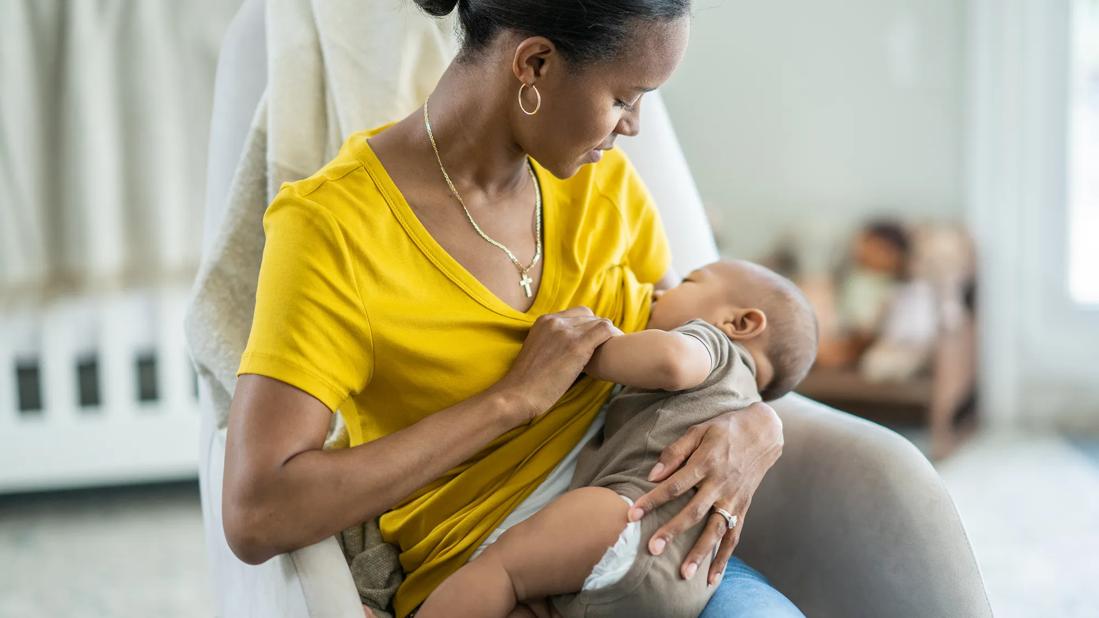
Breastfeeding is magical. It feeds your baby, boosts bonding, and gives you an excuse to sit down and demand snacks on a schedule.
It also can delay the return of fertilitysometimes. But here’s the headline that saves a lot of surprise Google searches at 2 a.m.:
Yes, you can get pregnant while breastfeeding. In fact, some people ovulate (release an egg) before their first postpartum period,
which means you can be fertile without any obvious “heads-up” from your cycle.
This article breaks down why breastfeeding affects ovulation, when it reliably prevents pregnancy (and when it doesn’t),
and what birth control options typically work well for breastfeeding parents. We’ll keep it real, science-based, and gently humorous
because postpartum life is intense, and you deserve both clarity and a tiny laugh.
So… can you get pregnant while breastfeeding?
Yes. Breastfeeding may lower the odds of ovulation, especially in the early months, but it does not guarantee you won’t ovulate.
Once ovulation happens, pregnancy is possiblewhether or not you’ve had a period yet. Medical organizations emphasize that ovulation can occur
before your first postpartum bleed, so waiting for your period to “confirm” fertility can backfire. (Your ovaries do not send calendar invites.)
Why breastfeeding can delay fertility (the hormone story, simplified)
Breastfeeding triggers the hormone prolactin, which supports milk production. Higher prolactin levels can suppress the hormones
that drive ovulation (think: the brain-ovary group chat gets quieter). When ovulation is suppressed, menstrual periods often pause, a state called
lactational amenorrhea.
The key word is “often.” People’s bodies vary. Some remain without periods for many months; others see fertility return soonerespecially if feedings
become less frequent, longer stretches of sleep happen (for the baby, at least), or formula/solid foods are introduced.
You can ovulate before your first postpartum period (yes, really)
One of the biggest postpartum misconceptions is: “No period = no pregnancy.” Unfortunately, biology is not that simple.
Ovulation typically occurs about two weeks before a period. So the first postpartum ovulation can happen “silently,” and the first sign
may be a missed periodor a positive pregnancy test.
A quick example
Imagine your period hasn’t returned, and you’re breastfeeding. You feel fine, assume fertility is “off,” and you don’t use contraception.
If your body ovulates for the first time postpartum, that egg has no idea you were busy folding tiny laundry. If sperm is present during the fertile window,
pregnancy can happenbefore you ever see a period.
The one situation where breastfeeding can work as birth control: LAM
There is a specific, evidence-based approach called the Lactational Amenorrhea Method (LAM).
When used correctly and consistently, LAM can be highly effective in the early postpartum months.
The 3 LAM rules (all must be true)
- Your baby is under 6 months old.
- You have not had your period return (no true menstrual bleeding).
-
You are exclusively breastfeeding (or near-exclusive), on demand, day and nightmeaning no regular supplementation with formula,
and no long, consistent gaps between feeds.
When these criteria are met, LAM is often cited as around 98% effective for pregnancy prevention during the first six months postpartum.
But the effectiveness depends on following the rules closelyLAM is not “breastfeeding in general,” it’s breastfeeding in a very specific pattern.
Why LAM fails in real life (and why it’s not your fault)
LAM is simple on paper and messier in a real home where people sleep (eventually), pumps exist, daycare happens, and babies change their feeding patterns
like they’re trying new personalities.
Common LAM “leaks”
- Baby starts sleeping longer stretches and nighttime feeds drop. (Congratulations… also: your hormones may notice.)
- Supplementing with formula becomes routine, or solids are introduced and breastfeeds decrease.
-
Pumping replaces many direct feeds. Pumping can absolutely support milk supply, but some people find it doesn’t suppress ovulation
as reliably as frequent nursing at the breastespecially if sessions become less frequent. - Periods return (even if the cycle is irregular). Once true menstrual bleeding returns, LAM is no longer considered reliable.
- Baby is older than 6 months. After this point, LAM is not recommended as primary contraception.
Bottom line: if you’d feel stressed or unhappy about an unplanned pregnancy right now, treat breastfeeding as a bonus fertility dampener,
not your only plan.
When does fertility return while breastfeeding?
There’s no single “normal.” Some people resume ovulation and periods within weeks to a couple months postpartum, especially if they are not exclusively breastfeeding.
Others may go many months without a period, particularly with frequent, day-and-night nursing. The range is wide because fertility return is influenced by:
feeding frequency, night feeds, supplementation, baby’s age, individual hormone sensitivity, and overall postpartum recovery.
General patterns many clinicians see
- Exclusive breastfeeding early on often delays ovulation more than partial breastfeeding.
- As feeds space out (return to work, sleep stretches, solids), fertility tends to creep back in.
- “No period for months” doesn’t guarantee “no ovulation for months.” Ovulation can return first.
How to tell if you’re becoming fertile again (without turning your bathroom into a lab)
Postpartum bodies can be unpredictable, and breastfeeding can blur typical cycle clues. Still, some signs that fertility may be returning include:
- Return of menstrual bleeding (not postpartum lochia, which is normal bleeding after delivery).
- More consistent hormonal patterns, such as mood or physical changes that feel cyclical.
- Notable shifts in discharge that seem to follow a pattern (though this is not reliable as birth control on its own).
If pregnancy prevention matters to you, the safest approach is to assume fertility could return before you can “detect” it and choose contraception accordingly.
Birth control options that typically fit breastfeeding
Good news: you usually have plenty of options while breastfeeding. The “best” method is the one you can use correctly and consistently,
and that matches your health history and preferences.
Non-hormonal options
-
Condoms: widely accessible, hormone-free, and also help reduce STI risk.
(A plus when your body is already doing enough.) - Copper IUD: long-acting, highly effective, hormone-free, and “set it and forget it.”
Progestin-only (often considered breastfeeding-friendly)
- Hormonal IUD (progestin): long-acting and very effective.
- Implant: long-acting and very effective.
-
Progestin-only pill (“mini-pill”): effective when taken consistently; timing matters.
If you’re already managing a newborn schedule, consider whether a daily pill fits your reality. - Depo shot: lasts about 3 months per injection (discuss pros/cons with your clinician).
Combined hormonal methods (contain estrogen + progestin)
Methods like the combined pill, patch, or ring may be options for some people later postpartum, but many guidelines recommend caution early after delivery
due to higher blood clot risk in the first weeks postpartum and potential effects on milk supply for some parents.
Your clinician can help time this appropriately based on your personal risk factors and breastfeeding goals.
What if you want to get pregnant while breastfeeding?
Some families plan close spacing; others are simply ready sooner than expected. If you’re trying to conceive while breastfeeding, here are practical,
reality-based steps:
1) Think in “feeds,” not months
Fertility often returns as breastfeeding frequency drops. If you’re nursing frequently day and night, ovulation may remain suppressed longer.
If your baby is older, feeds are shorter or less frequent, or solids are established, your chance of ovulation may increase.
2) Don’t wait for a period to start “trying”
Since ovulation can come first, you could conceive before a period ever returns. If your period has returned, timing intercourse may be simpler.
If it hasn’t, you may need more patience and a conversation with a healthcare professionalespecially if months go by without cycles and you’re actively trying.
3) Check in on birth spacing and recovery
Many organizations recommend waiting a certain amount of time between pregnancies for maternal and baby health. The “right” interval depends on your health,
your birth experience, age, and any complications. If you’re considering pregnancy soon postpartum, it’s worth discussing with your OB-GYN or midwife so you can
plan safelynot just quickly.
When to take a pregnancy test while breastfeeding
If you’ve had unprotected sex (or contraception failed) and you suspect pregnancy, a home test is reasonable. Breastfeeding does not “break” pregnancy tests.
Consider testing if:
- You notice new nausea, unusual fatigue, or changes that feel different than typical postpartum exhaustion.
- Your breasts/nipples suddenly feel more sensitive than usual, or nursing feels noticeably different.
- Your milk supply shifts dramatically without another clear reason (though supply changes can happen for many reasons).
- You get a period-like bleed and then nothingor your cycle becomes unexpectedly irregular.
If you get a positive test, contact your healthcare professional for next steps and prenatal guidance.
Big takeaways (the stuff worth remembering on three hours of sleep)
- Yes, pregnancy is possible while breastfeeding.
- Ovulation can happen before your first postpartum period.
- LAM can be effective only under strict conditions: baby under 6 months, no periods, and exclusive day-and-night breastfeeding.
- If avoiding pregnancy matters, choose a reliable contraception method rather than hoping breastfeeding “covers it.”
- If trying to conceive, fertility may return as feeds space outbut timing is unpredictable, so consider professional guidance.
Real-life experiences: what parents often report (and what they wish they’d known)
The science is helpful, but postpartum life is lived in the details: midnight feeds, half-drunk coffees, and the mysterious disappearance of time.
Here are common experiences many breastfeeding parents sharethink of these as patterns you might hear in postpartum groups or at pediatrician waiting rooms.
(Not medical advice, just the “human side” of how this plays out.)
“I thought breastfeeding was birth control… until it wasn’t.”
A lot of parents hear some version of, “If you’re breastfeeding, you can’t get pregnant.” What they often meant was LAMbut nobody said the part
about the rules. So someone breastfeeds, supplements occasionally, the baby starts sleeping longer, and everything seems fine… until they take a test “just to rule it out.”
The shock isn’t that biology worked; it’s that nobody explained the difference between breastfeeding and exclusive breastfeeding with no period in the first 6 months.
“My period didn’t come back for monthsso I assumed I was safe.”
This one is very common because it feels logical. No period means no cycle, right? But many parents learn the hard way that ovulation comes first.
People describe it as unfairlike your body reactivated fertility without giving you the courtesy of a warning sign.
If you’re reading this and thinking, “That’s exactly what I would assume,” you’re not alone. It’s a very normal assumption… just not a reliable plan.
“The moment we introduced formula/solids, my cycle showed up like it paid rent.”
Some parents notice a clear connection between fewer nursing sessions and the return of their period. It’s not always immediate, but it can feel sudden:
once regular supplementation starts, their hormones shift, and within weeks they see bleedingor at least symptoms that feel cyclical again.
It’s a good reminder that the body responds to the overall breastfeeding pattern, not the title of “breastfeeding parent.”
“I got pregnant while still nursing, and feeding felt different.”
Parents who become pregnant while breastfeeding sometimes report that nursing suddenly feels more uncomfortable, or that their baby becomes fussier at the breast.
Others notice changes in milk supply or that their child seems less interested for a while. Some experience no difference at all.
The big emotional theme tends to be uncertainty: “Is it okay to keep nursing?” “Will my supply drop?” “Do I have to wean?”
These are great questions for a clinician or lactation consultant, because the answers depend on your pregnancy, your health, and your baby’s age and nutrition needs.
“Choosing birth control postpartum felt weirdly overwhelming.”
Many parents describe postpartum contraception decisions as a mental load they didn’t expect. You’re recovering, learning a new routine, and suddenly you’re asked
to compare method effectiveness, side effects, and timingwhile you can’t even remember where you put your phone (it’s in your hand).
Some people prefer a “set it and forget it” option like an IUD or implant. Others want something non-hormonal. Some want to avoid procedures.
The most common “wish I’d known” is that you can talk through options early and pick something that matches your lifenot an idealized version of your life.
“We wanted another baby soon… and breastfeeding made timing unpredictable.”
On the flip side, parents who are actively trying for another pregnancy sometimes feel confused when cycles don’t return quickly.
They may wonder if they’re doing something wrong or if their body is “stuck.” Often, it’s just the normal hormone effect of frequent breastfeeding.
Some families decide to gently reduce feeds, especially at night, to encourage ovulation. Others keep breastfeeding and accept that conception may take longer.
What helps most is reframing: this isn’t a failureit’s a trade-off. Your body is prioritizing milk production, and fertility may return when it’s ready.
If there’s one universal experience, it’s this: postpartum fertility is unpredictable, and assumptions are expensive.
Whether you’re hoping to avoid pregnancy or hoping for one, a simple conversation with a healthcare professional can save you stressand surprise tests.
Conclusion
Breastfeeding can delay fertility, but it’s not a foolproof contraceptive unless you’re using LAM correctly and still meet every criterion.
Because ovulation may happen before your first postpartum period, you can become pregnant even when you haven’t seen bleeding yet.
The safest approach is to match your contraception (or conception plan) to your real life: your feeding pattern, your goals, and your health history.
If anything feels confusing or high-stakes, your OB-GYN, midwife, or a qualified clinician can help you pick a plan that protects your body, your choices, and your peace of mind.













