
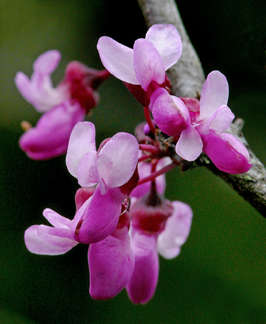
Cercis occidentalis, better known as Western redbud, is the kind of plant that refuses to enter the garden quietly. While many trees are still hitting the snooze button after winter, this California native shrub or small tree wakes up in a cloud of magenta-pink blossoms. No leaves yet. No apology. Just flowers clinging to bare branches like nature got impatient and decorated early.
For gardeners looking for a drought-tolerant flowering tree with four-season interest, wildlife value, and a personality bigger than its modest size, Western redbud deserves a front-row seat. It is compact enough for patios, native gardens, courtyard spaces, and slope plantings, yet dramatic enough to stop neighbors mid-walk. In spring, it blooms. In summer, it offers rounded heart-shaped foliage. In fall, the leaves turn yellow, red, or warm brown. In winter, seed pods and sculptural branching keep the plant from looking like a forgotten broomstick.
This guide covers what Western redbud is, how to grow it, where it fits best in the landscape, and why it has become a favorite among native plant lovers, pollinator gardeners, and anyone who wants a low-water garden that still knows how to throw a party.
What Is Cercis occidentalis?
Cercis occidentalis is a deciduous shrub or small tree in the pea family, Fabaceae. In landscapes, it typically grows about 10 to 20 feet tall and wide, although exact size depends on climate, soil, irrigation, pruning, and whether the plant is trained as a single-trunk tree or allowed to develop as a multi-stemmed shrub.
Western redbud is most closely associated with California foothills, chaparral, oak woodland edges, rocky slopes, and seasonal stream areas. Some botanical references also discuss related or historically overlapping names such as Cercis orbiculata or Cercis canadensis var. orbiculata. For gardeners, however, the plant is widely recognized and sold as Cercis occidentalis, Western redbud, or California redbud.
The plant’s signature feature is its early-spring bloom. Clusters of pea-shaped flowers appear directly along the branches before the leaves emerge. Depending on region and weather, flowering may begin in late winter or early spring. The color usually ranges from rosy pink to magenta or reddish purple. If your garden has been wearing beige all winter, Western redbud arrives like someone opened a tube of lipstick over the landscape.
Why Gardeners Love Western Redbud
Western redbud is beautiful, but it is not merely a pretty face with roots. It brings a useful mix of ornamental value and practical toughness. Once established, it is drought tolerant, especially in climates with dry summers and winter rainfall. It handles full sun in many locations, tolerates light shade, and adapts to a range of well-drained soils.
Unlike some ornamental flowering trees that demand constant attention, Western redbud can settle into a garden with relatively modest care. It does not need to be babied with daily watering or treated like a botanical diva. Give it a thoughtful planting site, protect it from soggy soil, water it deeply while young, and it generally rewards you with years of seasonal drama.
Four-Season Interest
Western redbud earns its keep across the calendar. In spring, the flowers steal the show. In summer, the rounded leaves create a soft, attractive texture. In fall, the foliage can shift into yellow, red, or bronze tones. In winter, the smooth gray branches and persistent pods create structure.
The pods are part of the plant’s charm, although gardeners disagree about them. Some people love the rustic look. Others see dry seed pods and reach for a broom. Both reactions are valid. Gardening is not a courtroom; you are allowed to admire a plant and still clean up after it.
Compact Size for Modern Landscapes
Many homeowners want trees, but not trees that eventually behave like they are applying to become a forest. Western redbud stays relatively small, making it useful near patios, paths, entries, small lawns, native plant borders, and mixed shrub plantings. It can be trained into a small tree with lower limbs removed over time, or left as a broad, multi-stemmed shrub for a more natural look.
Native Range and Natural Habitat
In the wild, Western redbud is often found in foothill habitats, rocky canyons, chaparral edges, oak woodlands, and seasonal watercourse areas. It is adapted to environments that may be dry for long stretches, especially after spring moisture disappears. That background explains why it performs so well in water-wise gardens.
The plant’s natural habitat also offers clues for home gardeners. Western redbud prefers good drainage. It can tolerate challenging soils, including rocky or lean soils, but it dislikes being planted where water sits around the roots. A garden bed that remains soggy after irrigation or rain is not a spa day for redbud roots; it is a problem waiting politely to become root rot.
How Western Redbud Looks Through the Seasons
Spring: The Main Event
Spring is when Western redbud becomes impossible to ignore. The flowers appear before the leaves, which makes the color look even more intense. Bare branches become lined with rosy clusters, giving the plant a glowing, sculptural effect. The flowers are especially striking against darker evergreen shrubs, gray foliage plants, boulders, fences, or a simple blue sky.
In a native or Mediterranean-style garden, Western redbud can act as a seasonal focal point. Pair it with California lilac, manzanita, coffeeberry, sage, buckwheat, or deer grass, and the planting feels layered rather than random. The redbud brings the spring fireworks; the companion plants keep the scene from going quiet afterward.
Summer: Cool Leaves and Gentle Shade
After bloom, the leaves emerge. They are rounded to heart-shaped, often bluish green or apple green when young, and they give the plant a pleasant, relaxed canopy. Western redbud is not usually planted as a heavy shade tree, but it can provide light shade near a seating area or walkway.
During hot summers, established plants usually need less water than many traditional ornamental trees. Occasional deep irrigation can encourage better growth, especially in inland heat, but frequent shallow watering is not the goal. Think deep drink, not constant sipping.
Fall: Color Without Fuss
In cooler areas, Western redbud can deliver attractive fall color. Leaves may turn yellow, red, copper, or brown before dropping. The color varies by climate, soil, exposure, and individual plant. A redbud in a mild coastal garden may behave differently from one in a colder foothill site, because plants enjoy keeping gardeners humble.
Winter: Branches, Pods, and Structure
After leaf drop, the plant reveals its branching pattern. Smooth gray stems, reddish-brown bark, and flat seed pods may remain visible. The pods start green or purplish and age to brown. They can persist into winter, sometimes in dense clusters. Some gardeners remove them for a tidier look, while others leave them for texture and seasonal character.
Best Growing Conditions for Cercis occidentalis
Sunlight
Western redbud usually performs best in full sun to light shade. In coastal or cooler locations, full sun helps produce strong flowering. In very hot inland gardens, a bit of afternoon shade can reduce stress, especially while the plant is young. The ideal location is bright, open, and not trapped in reflected heat from concrete walls on all sides.
Soil
Well-drained soil is essential. Western redbud can handle a range of soil textures, including clay, as long as water does not remain around the roots for too long. If your soil drains slowly, plant on a slight mound or slope and avoid overwatering. Compost can be used carefully, but do not turn the planting hole into a rich, wet bowl surrounded by compacted native soil.
Water
Water regularly during the first year or two so the root system can establish. After that, reduce irrigation and water deeply when needed. In many California-style gardens, established Western redbud can survive on low water, though occasional summer watering may improve appearance and growth. The plant is drought tolerant, not magic. Even native plants appreciate help during extreme heat or prolonged dry spells.
Climate
Western redbud is especially valuable in Mediterranean climates with wet winters and dry summers. It is commonly listed for mild to moderately cold regions of the western United States, with local hardiness depending on seed source, exposure, and site conditions. When buying one, choose nursery stock suited to your region whenever possible.
How to Plant Western Redbud
Choose a location with enough room for the mature size of the plant. A young redbud in a nursery container may look cute and harmless, but it wants elbow room. Give it space to spread 10 to 20 feet if you want a natural form.
Dig a hole about as deep as the root ball and wider than the container. Keep the root crown slightly above surrounding soil level rather than burying it. Backfill with native soil, water thoroughly, and apply mulch around the root zone. Keep mulch a few inches away from the trunk, because mulch piled against bark is basically an invitation to trouble wearing a decorative hat.
Stake only if needed, and remove stakes once the plant can stand securely. Overstaking can prevent the trunk from developing strength. A little movement in the wind helps young trees build resilience.
Pruning and Training
Western redbud can be grown as a shrub or small tree. If you want a tree form, choose a plant with a strong upright structure and gradually remove lower branches as it matures. Avoid aggressive pruning when the plant is young. The goal is to guide, not bully.
Prune after flowering if shaping is needed. Remove dead, damaged, crossing, or poorly placed branches. For a naturalistic garden, minimal pruning often looks best. Western redbud has graceful branching, and over-pruning can make it look stiff. Nobody plants a redbud hoping it will resemble a coat rack.
Wildlife and Pollinator Value
Western redbud supports spring pollinators when many gardens are still low on nectar and pollen. Bees are frequent visitors, and hummingbirds may also investigate the flowers. The plant’s value increases when it is used as part of a larger native planting that offers food, cover, and bloom succession throughout the year.
In habitat gardens, Western redbud works well with other California native plants that bloom before and after it. This creates a longer feeding season for pollinators and a more visually balanced garden for humans, who also need emotional support from flowers.
Landscape Design Ideas
Use It as a Spring Focal Point
Plant Western redbud where you can see it from a window, entry path, patio, or driveway. Its bloom season is short enough that you want to enjoy every minute. A redbud planted in a forgotten corner is like buying concert tickets and standing in the parking lot.
Pair It With Gray and Green Foliage
The magenta flowers look especially good with gray-leaved plants such as sages, artemisia, or California fuchsia. They also shine near dark green shrubs like coffeeberry or toyon. Boulders, decomposed granite, and natural mulch can reinforce the foothill-garden look.
Plant It on Slopes
Because Western redbud is adapted to slopes and well-drained sites, it can be useful in hillside gardens. Its roots help hold soil, and its seasonal show softens dry landscapes. Combine it with deep-rooted native shrubs and grasses for a layered, erosion-conscious design.
Grow It Near Outdoor Living Spaces
As a small tree, Western redbud can frame a seating area without overwhelming it. It provides light shade, seasonal color, and a sense of enclosure. Just remember that flowers, leaves, and pods drop at different times of year, so avoid placing it where absolute tidiness is required every day.
Common Problems to Watch For
Western redbud is generally tough, but no plant is invincible. Poor drainage is one of the biggest issues. Root and crown problems may occur if the plant sits in wet soil for extended periods. Scale insects, caterpillars, or other minor pests may appear, but healthy plants usually tolerate some insect activity without drama.
The best prevention is good siting: sun, drainage, correct watering, and enough space. Avoid overfertilizing. Too much nitrogen can encourage soft growth and reduce the naturally rugged character that makes the plant valuable in the first place.
Western Redbud vs. Eastern Redbud
Gardeners often compare Western redbud with Eastern redbud, Cercis canadensis. Both are spring-blooming ornamental trees with pink to purple flowers and heart-shaped leaves. The difference is adaptation. Eastern redbud is native to eastern North America and often prefers conditions that are more consistent with eastern woodland environments. Western redbud is better suited to many dry-summer western gardens.
In California and similar climates, Western redbud often handles summer drought, native soils, and Mediterranean conditions more gracefully. Eastern redbud may grow faster and offer more named cultivars, but faster is not always better. Sometimes the right plant is the one that does not require you to stand over it with a hose and a worried facial expression.
Cultural and Historical Uses
Western redbud has long-standing cultural significance among Native American basket makers in California, who valued young reddish stems for basketry. Straight new growth could be encouraged through careful cutting practices. This history reminds modern gardeners that native plants are not just decorative objects; they are part of living cultural landscapes.
Today, Western redbud remains popular in native plant gardens, public landscapes, restoration-minded projects, and residential designs. It brings together beauty, ecological value, and regional identity in a way few small trees can match.
Real-Garden Experiences With Western Redbud
In real gardens, Western redbud often teaches patience first and then pays in color. A newly planted specimen may spend its first year looking polite rather than spectacular. It may put energy into roots, adjust to the site, and bloom lightly. Gardeners sometimes wonder whether they bought the shy version. Then, after a season or two, spring arrives and the plant suddenly looks like it has hired a lighting crew.
One common experience is that bloom intensity improves with good sun exposure. A redbud tucked into too much shade may still grow, but flowering can be lighter. In brighter locations, the bare stems become more densely decorated. This is why many experienced native-plant gardeners place Western redbud where morning or full-day sun can reach the branches.
Another practical lesson is that watering habits matter. Young Western redbuds appreciate consistent deep watering during establishment. But once the plant is established, gardeners who continue watering too frequently may create weaker growth or drainage-related problems. The sweet spot is usually deep, occasional irrigation during dry months, especially inland, rather than shallow daily watering.
Gardeners also notice that Western redbud changes personality with pruning. Left alone, it can become a broad, graceful, multi-stemmed shrub. Trained upward, it becomes a small patio tree with sculptural branching. Neither form is wrong. The best choice depends on the space. In a natural slope or wildlife garden, the shrub form often looks more authentic. Near a walkway or seating area, a raised canopy may be more practical.
The seed pods create mixed reactions. Some people love them because they add winter interest and make the plant look wild in a good way. Others find them messy, especially near paving. If neatness matters, plant Western redbud where falling pods will land in mulch rather than on a spotless patio. A garden should be beautiful, but it should not require the emotional stamina of a museum curator.
Companion planting is another place where experience helps. Western redbud looks excellent with low-water natives that do not compete aggressively for irrigation. Deer grass, sages, manzanita, ceanothus, California buckwheat, and coffeeberry can create a balanced scene. The redbud brings height and seasonal color; the companions provide texture, evergreen presence, and extended bloom. Together, they create a garden that feels designed rather than assembled during a nursery sale panic.
Finally, Western redbud often becomes a sentimental plant. Because its bloom marks the shift from winter into spring, people remember it. They notice the first buds swelling. They watch bees arrive. They see the leaves unfold after the floral show. A good Western redbud does not merely sit in the landscape; it gives the year a rhythm. For gardeners who want a native plant with beauty, resilience, and a little theatrical timing, Cercis occidentalis is hard to beat.
Conclusion
Cercis occidentalis, or Western redbud, is one of the most rewarding small native trees for dry-summer landscapes. It offers vivid spring flowers, rounded leaves, fall color, wildlife value, and a size that fits modern gardens. It is especially useful for native plant designs, pollinator gardens, slopes, patios, and low-water landscapes that still need a strong visual moment.
The key to success is simple: plant it in sun to light shade, provide good drainage, water deeply while it establishes, and avoid smothering it with too much irrigation or fertilizer. Give Western redbud the right conditions, and it will return the favor with blossoms bright enough to make winter feel like old news.














