
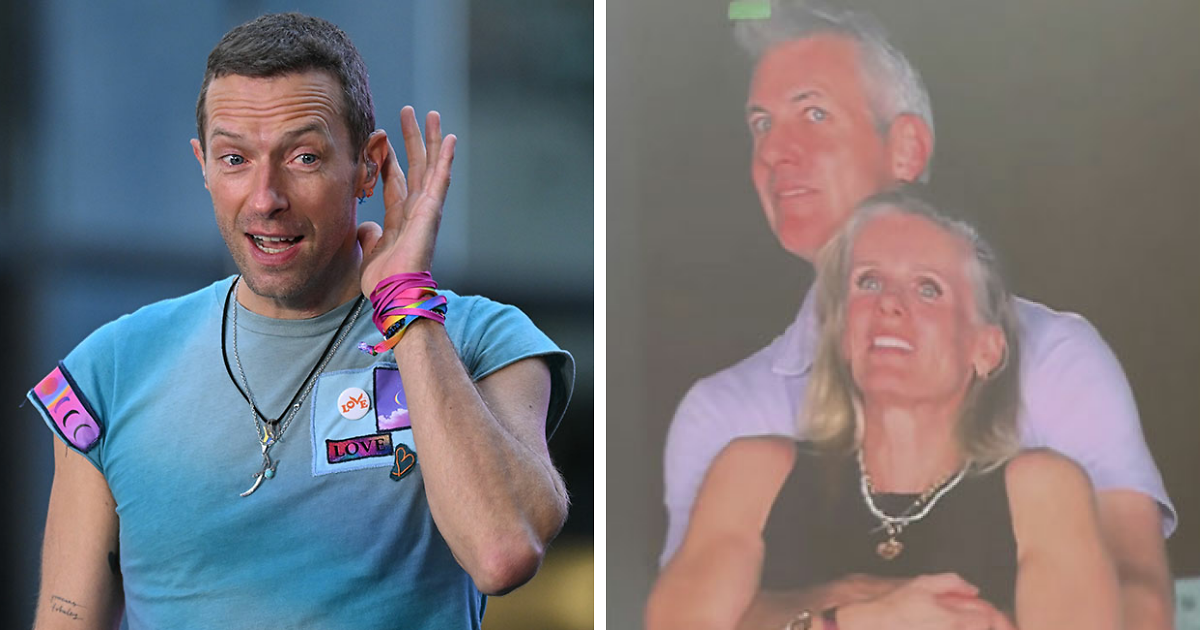
Some celebrity stories arrive with elegance. Others arrive like a confetti cannon aimed directly at the internet’s worst impulses. The Chris Martin cheating scandal controversy or, more accurately, the viral Coldplay kiss-cam mess that snowballed into a full-blown online frenzy definitely belongs in the second category. What started as a routine crowd interaction during a Coldplay concert in Foxborough, Massachusetts, quickly turned into one of those modern media moments that felt equal parts awkward, funny, chaotic, and strangely revealing.
The incident itself was short. The fallout was not. A couple appeared on the stadium’s big screen during Coldplay’s audience spotlight segment, reacted with immediate panic, and triggered a now-famous line from Martin: that they were “either having an affair or they’re just very shy.” From there, the clip went volcanic online. Sleuthing began, identities were widely circulated, corporate statements followed, and Astronomer the tech company at the center of the story soon launched a formal investigation. Then came resignations, think pieces, memes, fake statements, PR damage control, and a public debate over privacy in the smartphone age.
Weeks later, Martin finally addressed the controversy more directly, calling it a “debacle” during another show and making it clear that Coldplay was not about to retire the jumbotron gimmick. That brief comment may have sounded casual, but it gave the scandal a second life. Suddenly the story was not just about one viral concert moment. It became a window into how celebrity culture, workplace optics, public embarrassment, and internet humor now collide at the speed of Wi-Fi.
So what actually happened, what did Chris Martin mean by “debacle,” and why did this story stick around longer than most online scandals? Let’s unpack the whole mess carefully, because the internet is already doing the opposite.
How A Coldplay Concert Became A Global Headline
At first, the scene looked harmless enough. During Coldplay’s show at Gillette Stadium, cameras scanned the crowd for the band’s usual big-screen audience interaction. One couple appeared cuddled up. Then came the instant mood swing. As soon as they noticed they were on the jumbotron, the woman covered her face and turned away, while the man ducked out of view. It was the kind of reaction that practically begs the internet to put on reading glasses and start taking notes.
Martin, doing what frontmen do best when faced with a weird live moment, improvised. He joked that the pair were either having an affair or were simply very shy. The line got a laugh in the stadium. Online, it got a thousand aftershocks. Viewers began identifying the people in the clip as Andy Byron, then Astronomer’s CEO, and Kristin Cabot, the company’s chief people officer. What may have remained a fleeting concert oddity instead turned into a story about alleged workplace intimacy, executive accountability, and spectacularly bad luck.
Once the clip escaped the stadium and hit social media, the rest was classic 2025 internet behavior: rapid reposting, meme production at factory speed, amateur detective work, moral outrage, gossip inflation, and enough hot takes to power a small city. Within days, Astronomer confirmed it had opened a formal investigation. Byron later resigned. Cabot also resigned afterward. The company had gone from relatively niche tech name to unavoidable trending topic almost overnight.
In other words, this was no longer just a concert blooper. It was a reputation crisis wearing a stadium wristband.
What Chris Martin Said Later And Why “Debacle” Mattered
Chris Martin did not immediately launch into a grand public statement, nor did he turn the moment into a dramatic media apology tour. Very on-brand, he waited, then folded the subject back into concert banter. During a Coldplay stop in Hull, England, Martin read a fan sign referencing the Boston-area show and thanked the person for coming back “after that debacle.”
That single word did a lot of work. It acknowledged the scandal without pretending it hadn’t happened. It suggested Martin understood just how absurdly huge the story had become. And it framed the entire affair as a messy, unfortunate public episode rather than some carefully staged entertainment bit. He also reportedly told the crowd that Coldplay would keep using the jumbotron because the band wanted to continue connecting with fans. In other words: yes, the moment was a disaster; no, the cameras are not going into retirement.
Martin’s response landed because it was light but not clueless. He did not over-explain. He did not sound gleeful. He sounded like someone looking back at a bizarre live moment that spiraled far beyond the stage. His now-circulating “life throws you lemons and you’ve got to make lemonade” line added a dash of optimism to a story that had otherwise curdled into internet spectacle.
That matters because celebrity reactions often shape the second chapter of a scandal. Had Martin gone silent forever, people would have kept projecting motives onto him. Had he mocked the situation too aggressively, the backlash could have turned on him. By choosing “debacle,” he managed to sound aware, self-protective, and mildly amused a tricky three-step that many public figures attempt and few land.
Why This Controversy Exploded So Fast
Plenty of embarrassing concert clips go viral for a day and then vanish into the digital sock drawer. This one did not. Why? Because it had every ingredient the internet loves more than sleep: celebrity proximity, awkward body language, possible romance drama, workplace hierarchy, a big recognizable venue, and a frontman who accidentally narrated the whole thing in real time.
It also hit a cultural sweet spot. People were not just reacting to an allegedly compromising moment. They were reacting to the speed with which a private-looking interaction became public entertainment and then corporate fallout. In one clip, viewers could see modern life doing cartwheels: surveillance culture, social media virality, executive misconduct optics, and the brutal comedy of being perceived.
Then there was the meme factor. The pair’s sudden panic was visually perfect for looping, remixing, and captioning. Screenshots spread everywhere. Parodies followed. Fake statements popped up. Commentary mutated by the hour. Even people who did not care about Coldplay, Astronomer, or office gossip still cared about the sheer secondhand embarrassment of it all. Cringe, as always, remains one of the internet’s most renewable energy sources.
The story also benefited from contrast. Coldplay’s concerts are generally sold as joyful, communal, emotionally uplifting experiences. That warm atmosphere made the uncomfortable interruption feel even more dramatic. It was like finding a corporate HR seminar hidden inside a confetti-filled pop concert.
Beyond Gossip: The Workplace And PR Angle
This scandal did not stay in entertainment coverage because it was never purely entertainment. Once the individuals in the video were identified as senior executives from the same company, the conversation shifted. The issue became not just whether a personal relationship existed, but what that could imply inside a workplace especially when one person sat at the top of the company and the other led people operations.
That is where the phrase “cheating scandal controversy” broadened into something even more combustible. Online audiences may have been drawn in by the affair talk, but businesses, media outlets, and commentators were focused on governance, power dynamics, corporate conduct, and whether leaders are held to different standards when a scandal moves from rumor to viral evidence. Astronomer’s statements emphasized conduct and accountability, which signaled that the company understood the matter as bigger than embarrassing optics.
From a brand perspective, the whole thing was brutal and fascinating. Astronomer became famous for reasons no tech company wants: not for product innovation, not for a major funding round, not for a breakthrough in AI infrastructure, but for a jumbotron clip. Yet even that weird visibility had side effects. The company suddenly became a household name. Coldplay’s streaming numbers reportedly jumped in the days after the scandal. The internet, as always, managed to turn humiliation into traffic.
That uneasy mix of reputational harm and accidental publicity is part of what made the story feel so modern. Today, a scandal can damage careers, ignite public debate, create marketing opportunities, and fuel absurd jokes all at once. It is less a single narrative than a pileup of narratives happening simultaneously.
The Privacy Question Nobody Could Ignore
One reason this story stuck around is that it made ordinary people feel suddenly exposed too. Not because everyone is living a secret double life at a Coldplay concert, but because the incident raised an uncomfortable question: what does privacy even mean in a public venue anymore?
Concerts have featured kiss cams and crowd shots for years. That part is not new. What is new is the distribution system. A stadium moment is no longer trapped inside the stadium. Anyone can record it, upload it, caption it, and send it into the algorithmic wild where millions of strangers become judge, jury, meme artist, and amateur investigator. One awkward reaction can travel farther than the band itself.
The Coldplay clip became a vivid example of what happens when public visibility meets digital permanence. The original moment lasted seconds. The online afterlife lasted weeks and then resurfaced again when Martin used the word “debacle.” That gap between event and impact is exactly why the scandal felt bigger than celebrity gossip. It was also a case study in how quickly doxing, misidentification, harassment, and manufactured information can attach themselves to a real clip.
In that sense, Martin’s joke may have been spontaneous, but the machine that followed was anything but. Once social media grabbed hold, the story stopped belonging to the people on screen and started belonging to everyone with a phone and an opinion. Which, sadly, is most of us.
Chris Martin’s Role In The Scandal: Villain, Bystander, Or Reluctant Ringmaster?
Martin occupies a strange spot in this story. He was neither the center of the alleged misconduct nor completely separate from it. His original onstage comment undeniably helped turn the moment from awkward to unforgettable. At the same time, there is no sign he knew who the couple were in real time or intended to ignite a scandal with global reach.
That ambiguity explains why reactions to him were split. Some saw him as an innocent performer riffing through a weird live moment. Others argued that artists and venues should think harder about the power of big-screen crowd interactions in an era where any random shot can become evidence in the court of public opinion. His later “debacle” comment seemed to acknowledge that something far larger had happened than a throwaway concert joke.
Still, Martin’s instinct was not retreat. He defended continuing the jumbotron tradition, which suggests he sees the segment as fundamentally joyful, not dangerous. That is understandable. Most crowd-camera moments do not blow up careers. But this case proved they can, and once people saw that, the kiss-cam bit stopped feeling like harmless fluff and started feeling like a tiny reality show with stadium speakers.
In other words, Martin did not create the internet’s appetite for scandal. He just happened to feed it one unforgettable line at exactly the wrong or right time.
Experiences Related To The Chris Martin “Debacle” Why This Story Felt So Familiar
What made this story hit so hard was not just the celebrity angle. It was the lived experience packed inside it. Almost everyone watching could relate to at least one layer of the situation, even if they were nowhere near that concert. Some people recognized the feeling of being accidentally put on the spot in public. Others connected with the experience of watching a harmless moment turn serious in seconds. And many people, whether they admitted it or not, saw a modern nightmare playing out: one uncomfortable interaction becoming permanent internet history before you even get back to the parking lot.
There is also the deeply human experience of realizing that body language can tell a story before words ever do. That was part of the clip’s power. The reaction on screen looked immediate, unscripted, and impossible to polish. Viewers did not need a press release to understand that something had gone sideways. Anyone who has ever been caught off guard in a meeting, at a family event, or in an awkward social moment understands how revealing panic can be. The internet just happened to witness this version on a giant screen with Chris Martin narrating.
Then there is the workplace experience layered underneath the spectacle. Office culture already comes with gossip, blurred boundaries, and whispered speculation. This incident amplified those familiar dynamics to stadium volume. Suddenly, people were not just talking about a rumored relationship; they were talking about hierarchy, HR credibility, leadership accountability, and how fast trust can evaporate when executives become the story. For many workers, that part felt less like celebrity gossip and more like the world’s most public cautionary tale.
Fans had their own strange experience too. A Coldplay show is supposed to be emotional, escapist, even healing if you are the type who cries during the chorus and calls it self-care. Instead, one crowd interaction hijacked the emotional script. Audience members came for music and got a live-action corporate scandal. That weird collision between joy and discomfort is probably why people kept replaying it. It felt surreal because concerts are usually where people go to forget life’s mess, not watch it get beamed overhead in HD.
Finally, the scandal tapped into the internet-era experience of collective overreaction. One clip becomes a referendum on everything: marriage, morality, privacy, leadership, fame, surveillance, technology, even whether we should still trust jumbotrons. That is how online culture works now. Every moment is content, every reaction is evidence, and every scandal is also a group project. Chris Martin calling the whole thing a “debacle” resonated because the word was broad enough to cover all of it the embarrassment, the headlines, the memes, the resignations, and the eerie feeling that nobody is ever just having a private moment in public anymore.
That may be the strangest legacy of this story. It was specific, but it also felt universal. Underneath the celebrity coverage and office-politics drama was a simple, unsettling truth: in 2025, one accidental spotlight can change the script for everyone involved.
Final Take
Chris Martin’s “debacle” comment did not close the book on the scandal, but it did define it. With one word, he captured the weird blend of comedy, chaos, embarrassment, and consequence that made the Coldplay kiss-cam controversy so sticky. The story was never just about a frontman making a joke. It was about how fast a live moment can become a cultural event, how workplace issues can explode in public, and how impossible it now is to separate spectacle from accountability.
For Coldplay, the moment became an unlikely footnote in an otherwise celebratory tour. For Astronomer, it was a crash course in crisis management under global scrutiny. For the internet, it was irresistible. And for anyone attending a stadium show anytime soon, it was a gentle reminder to enjoy the music while also staying aware of where the camera might wander next.













