
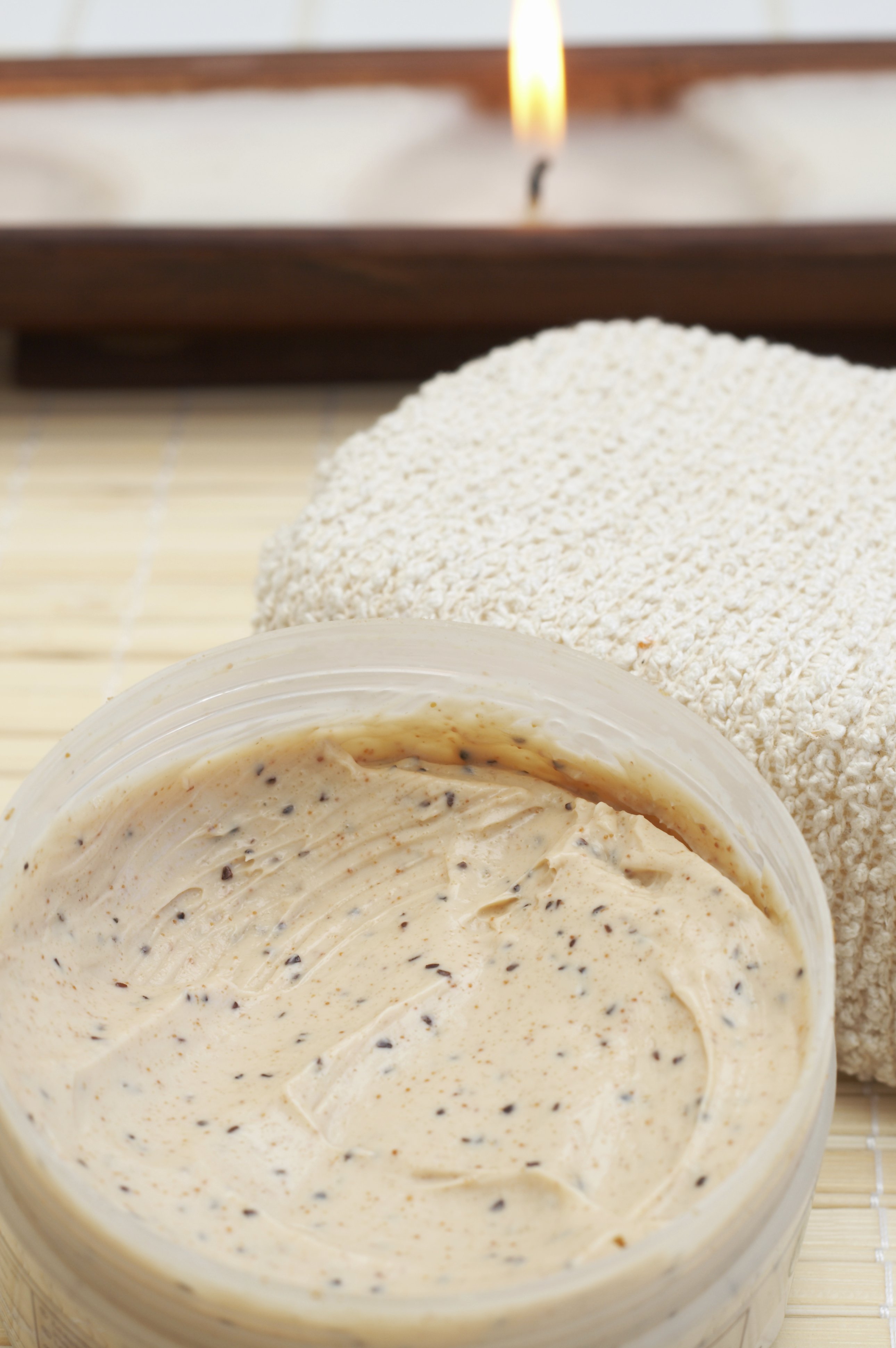
CocoPeppermint Foot Butter sounds like something a dessert chef and a spa therapist invented during a very productive lunch break. It has the cozy richness of cocoa and coconut, the cool wake-up call of peppermint, and the practical mission of rescuing dry, rough, overworked feet from feeling like they have been hiking across a gravel driveway barefoot.
Foot butter is not just a cute name for thick lotion. It is usually a richer, more concentrated moisturizer designed for the tougher skin on the heels, soles, and callused areas. While regular body lotion may disappear faster than your motivation to fold laundry, a good foot butter stays put longer, helps seal in moisture, and gives dry feet the deep-conditioning treatment they often need.
CocoPeppermint Foot Butter brings together a popular skin-care trio: coconut oil or coconut-derived emollients, cocoa butter or cacao butter, and peppermint essential oil or peppermint extract. The result is a dense, silky balm-like product that can soften dry heels, smooth rough patches, and leave feet feeling refreshed. It is especially appealing for people who stand all day, wear sandals, exercise often, or simply forget their feet exist until sandal season starts waving aggressively.
What Is CocoPeppermint Foot Butter?
CocoPeppermint Foot Butter is a rich foot moisturizer inspired by cocoa, coconut, and peppermint ingredients. Depending on the formula, “coco” may refer to coconut oil, cocoa butter, cacao butter, or a blend of these buttery ingredients. The “peppermint” part usually provides a cooling scent and a fresh, tingly feel.
Unlike watery lotions, foot butters tend to be thick because they often contain oils, plant butters, waxes, and occlusive ingredients. These ingredients help reduce water loss from the skin’s surface. That matters because the skin on the feet is naturally thicker and under constant pressure. Walking, standing, workouts, dry weather, hot showers, open-back shoes, and friction can all turn heels into tiny desert landscapes.
The best way to think of CocoPeppermint Foot Butter is this: it is a cozy blanket for your heels with a peppermint breeze built in. It does not replace medical treatment for severe cracks, infection, diabetes-related foot problems, or persistent pain, but for everyday dryness and roughness, it can be a satisfying part of a foot-care routine.
Why Feet Get So Dry in the First Place
Feet work hard and complain quietly. They carry body weight, absorb pressure, rub against socks and shoes, and often receive less skin care than the face, hands, or elbows. The soles also have fewer oil glands than many other areas of the body, which makes them more likely to become dry, thick, and rough.
Dry heels may become worse in cold weather, low humidity, or indoor heating. Long hot showers can strip natural oils. Sandals and flip-flops expose feet to air and friction. Going barefoot can increase pressure and dryness. Some people also develop calluses because the skin thickens in response to repeated rubbing or pressure. That thickened skin may split when it becomes too dry, leading to cracked heels or fissures.
Dermatology guidance commonly recommends thick moisturizers, creams, ointments, and ingredients such as urea, glycerin, shea butter, petrolatum, lactic acid, and other barrier-supporting agents for dry skin. CocoPeppermint Foot Butter fits into this larger idea: feet usually need richer care than a lightweight lotion can provide.
Key Ingredients in CocoPeppermint Foot Butter
Coconut Oil: The Melty Softener
Coconut oil is popular in body-care products because it melts easily on contact with warm skin and creates a smooth, glossy finish. In a foot butter, it helps improve spreadability and gives the product that satisfying “butter turning into silk” texture. It can be especially useful on rough heels, dry soles, and flaky patches.
However, coconut oil is not magic, and it is not ideal for every part of the body. It can feel heavy and may clog pores on acne-prone areas, especially the face, chest, or back. Feet are usually a better match because the skin is thicker and less prone to facial-style breakouts. Still, anyone with sensitive skin should patch test first. Your feet deserve luxury, not drama.
Cocoa Butter or Cacao Butter: The Rich Comfort Layer
Cocoa butter is a dense plant fat known for its creamy texture and mild chocolate-like aroma. In foot butter, it helps create a firm, nourishing base that melts slowly and leaves a protective layer on the skin. This makes it useful for dry heels and callused areas that need more than a quick splash of lotion.
Cocoa butter also gives CocoPeppermint Foot Butter its indulgent personality. It feels less like a chore and more like a tiny spa appointment, minus the awkward paper slippers. When combined with coconut oil, it balances firmness and slip: cocoa butter adds body, while coconut oil helps the formula glide.
Peppermint: The Cooling Wake-Up Call
Peppermint is the ingredient that gives this foot butter its fresh, cooling character. Many people enjoy peppermint in foot products because tired feet can feel warm, heavy, or dull after a long day. A peppermint-scented formula makes the routine feel more energizing and clean.
That said, peppermint essential oil must be used carefully. Essential oils can irritate skin when used too strongly, and natural does not automatically mean gentle. A well-formulated peppermint foot butter should use peppermint at a skin-friendly level and should not be applied to broken, bleeding, or highly irritated skin. If a product burns, stings, or causes redness, wash it off and stop using it.
Shea Butter, Mango Butter, and Other Support Ingredients
Many CocoPeppermint-style foot butters also include shea butter, mango butter, almond oil, jojoba oil, vitamin E, beeswax, sunflower oil, glycerin, or petrolatum-like occlusives. These ingredients can improve texture, increase moisture retention, and help the formula last longer on dry skin.
Shea butter is especially common in rich body moisturizers because it softens and conditions skin. Mango butter gives a smooth, less greasy feel. Beeswax can help create a balm-like barrier. Glycerin attracts water to the skin, while heavier oils and butters help seal it in. The most effective foot products often combine humectants, emollients, and occlusives rather than relying on one ingredient to do the entire job like an unpaid intern.
Benefits of CocoPeppermint Foot Butter
1. Helps Soften Rough Heels
The biggest reason people reach for CocoPeppermint Foot Butter is simple: rough heels. A thick foot butter can soften dry, hardened skin when used consistently, especially after bathing or before bed. Applying it to slightly damp skin helps trap moisture more effectively.
2. Supports an Overnight Foot-Care Routine
Foot butter is perfect for nighttime because it has time to sit on the skin without being rubbed away by shoes. Apply a generous layer to clean feet, focus on heels and calluses, then wear breathable cotton socks. By morning, feet often feel smoother and less tight. It is the closest most of us get to waking up with “new feet” without involving science fiction.
3. Refreshes Tired Feet
Peppermint provides a cooling sensation and a fresh scent that can make tired feet feel revived. This does not mean it fixes circulation problems or treats medical conditions, but it can make a nightly foot massage feel more pleasant. For people who stand at work, walk a lot, or exercise regularly, that sensory refresh can be a small but welcome reward.
4. Improves the Look of Dry, Flaky Skin
Consistent moisturizing can make feet look smoother, healthier, and more polished. This matters if you wear sandals, go barefoot at home, practice yoga, or simply prefer not to have heels that snag on blankets like Velcro with ambition.
5. Turns Foot Care Into a Ritual
A good product encourages consistency. The cocoa-coconut richness and peppermint scent can make foot care feel enjoyable rather than boring. When a routine feels pleasant, people are more likely to stick with it. And with dry feet, consistency matters more than one heroic application every three months.
How to Use CocoPeppermint Foot Butter for Best Results
Step 1: Wash and Dry Your Feet
Start with clean feet. Use warm water, not very hot water, because hot water can worsen dryness. Dry thoroughly, especially between the toes. Extra moisture between toes can create an environment where irritation or fungal issues may develop.
Step 2: Apply While Skin Is Slightly Damp
For best results, apply CocoPeppermint Foot Butter soon after washing or bathing. Skin that is slightly damp holds moisture better. Massage a small amount into heels, soles, and rough patches. Use less than you think at first; rich butters spread as they warm.
Step 3: Focus on Heels and Calluses
The thickest areas need the most attention. Work the butter into the heel edges, balls of the feet, and any dry patches. Avoid putting heavy product between the toes, especially if you are prone to athlete’s foot or have diabetes.
Step 4: Add Socks for Overnight Softening
For deeper conditioning, apply a generous layer before bed and wear cotton socks. This helps keep the butter on your feet instead of your sheets. Your bedding will thank you. Your heels may also become noticeably softer after several nights of consistent use.
Step 5: Pair With Gentle Exfoliation
Moisturizer works better when it is not trying to fight through layers of dead skin. Once or twice a week, after a shower or short warm-water wash, gently use a pumice stone or foot file on rough areas. Do not overdo it. Aggressive scrubbing can irritate skin and make cracks worse. The goal is “smooth,” not “polished like a kitchen countertop.”
Who Should Use CocoPeppermint Foot Butter?
CocoPeppermint Foot Butter is a good fit for people with dry heels, rough soles, minor calluses, or feet that feel tight after bathing. It is also useful for people who wear sandals, walk often, work long shifts standing, live in dry climates, or want a relaxing foot-care ritual before bed.
It may not be the best choice for everyone. If you have very sensitive skin, fragrance allergies, eczema flare-ups, open cracks, bleeding, swelling, or signs of infection, choose a fragrance-free medical-style moisturizer and consider professional advice. If you have diabetes, nerve damage, poor circulation, or a history of foot ulcers, foot care should be handled with extra caution. Daily inspection, careful drying, and avoiding lotion between the toes are especially important.
DIY CocoPeppermint Foot Butter: A Simple Home Formula
If you enjoy making body-care products, a basic CocoPeppermint Foot Butter can be made with a few common ingredients. A typical simple version includes cocoa butter, coconut oil, shea butter, a small amount of beeswax, and a carefully measured amount of peppermint essential oil.
Basic DIY Ingredient Idea
- 1/2 cup cocoa butter or cacao butter
- 1/4 cup coconut oil
- 1/4 cup shea butter or mango butter
- 1 tablespoon beeswax pellets for a firmer balm
- 6 to 10 drops peppermint essential oil, adjusted carefully
- Optional: 1 teaspoon vitamin E oil
Melt the butters, coconut oil, and beeswax gently using a double boiler. Remove from heat, let the mixture cool slightly, then stir in peppermint essential oil and vitamin E. Pour into a clean jar and let it solidify. For a whipped texture, chill the melted mixture until partly firm, then whip with a hand mixer until fluffy.
DIY products do not contain the same preservation systems as professionally manufactured cosmetics, especially if water-based ingredients are added. Keep the formula water-free, use clean hands or a spatula, store it in a cool place, and discard it if the smell, texture, or color changes.
Buying Tips: What to Look For in a Foot Butter
When shopping for CocoPeppermint Foot Butter or a similar peppermint foot balm, look for a formula that feels rich but not painfully greasy. Ingredients such as shea butter, cocoa butter, glycerin, coconut oil, petrolatum, beeswax, jojoba oil, sunflower oil, or mango butter can all be useful in foot products.
If your heels are very cracked, consider products that include urea, lactic acid, or salicylic acid, because these can help soften thickened skin. If your skin is sensitive, choose fragrance-free or low-fragrance options and avoid strong essential oil blends. Peppermint should feel refreshing, not like your feet joined a snowstorm without permission.
Safety Notes Before You Slather
Always patch test a new foot butter on a small area first. Wait 24 hours and check for redness, itching, burning, or bumps. Do not apply peppermint products to open wounds, deep cracks, bleeding areas, or infected skin. Keep essential-oil products away from infants and young children. Wash hands after applying so peppermint does not accidentally end up near your eyes.
Also, be careful walking after applying foot butter. Rich formulas can make feet slippery. Apply it when you are staying put, preferably before bed. Nobody wants to moisturize their heels and then perform an accidental hallway ice-skating routine.
Real-Life Experiences With CocoPeppermint Foot Butter
The first time many people use CocoPeppermint Foot Butter, they notice the texture before anything else. It is thicker than lotion and usually needs a few seconds of warmth from the hands to melt properly. At first, it may feel slightly heavy, especially if you are used to fast-absorbing body creams. But after massaging it into the heels, the richness starts to make sense. Feet are not delicate rose petals. They are more like loyal work boots with skin attached.
One common experience is the “overnight surprise.” You apply the butter before bed, put on socks, and expect nothing dramatic. The next morning, the heels feel less scratchy against the sheets. After three or four nights, dry edges may look smoother. After a week, the soles can feel more flexible, especially if the routine includes gentle exfoliation. The improvement is not instant-miracle advertising magic. It is more like steady maintenance finally doing its job.
People who stand all day often appreciate the peppermint aspect most. After a long shift in sneakers, boots, or dress shoes, the cooling scent can feel mentally refreshing. The massage matters too. Rubbing the butter into the arches and heels for even two minutes can turn a basic skin-care step into a small reset. It is not a professional foot massage, but it is also not $90 plus tip, so we take our wins.
During sandal season, CocoPeppermint Foot Butter can become part of a confidence routine. Dry heels are extremely common, but they can make people self-conscious. Applying foot butter at night, then using a gentle foot file once or twice weekly, can help feet look more polished without requiring constant pedicures. It is especially helpful before vacations, weddings, beach days, or any event where toes suddenly become public citizens.
In colder months, the experience changes slightly. Feet may feel drier because of indoor heating and thicker socks. A richer layer of foot butter can help prevent that tight, papery feeling that happens when skin loses moisture. Some people keep a jar on the nightstand as a visual reminder. This is smart, because if the product lives in a bathroom cabinet behind expired sunscreen and mystery travel bottles, it may never see daylight again.
There are also lessons learned the funny way. Too much foot butter can make socks feel greasy. Applying it right before walking on tile can be risky. Using a peppermint formula after shaving or on irritated skin may sting. And putting it between the toes can feel unpleasantly slick. The best experience comes from using a modest amount, focusing on heels and rough areas, and giving the product time to absorb while socks keep everything tidy.
Overall, the best part of CocoPeppermint Foot Butter is that it makes foot care feel less like maintenance and more like comfort. It smells fresh, feels indulgent, and rewards consistency. It is the kind of product that reminds you your feet have been doing unpaid labor all day and might appreciate a little cocoa-coconut-peppermint applause.
Conclusion
CocoPeppermint Foot Butter is a rich, refreshing option for dry feet, rough heels, and tired soles. Its appeal comes from the balance of nourishing butters, softening oils, and cooling peppermint. Used consistently, especially after bathing or before bed with socks, it can help feet feel smoother, softer, and better cared for.
The smartest approach is simple: cleanse gently, moisturize regularly, exfoliate carefully, and protect the skin barrier. Choose a well-formulated product, patch test if your skin is sensitive, and avoid using peppermint-heavy formulas on broken or irritated skin. For severe cracks, diabetes-related foot concerns, signs of infection, or persistent pain, get medical guidance rather than relying on cosmetic products alone.
For everyday foot care, though, CocoPeppermint Foot Butter is a delightful little upgrade. It turns a neglected routine into a cooling, cocoa-scented ritual and gives your hardworking feet the attention they have absolutely earned.
Note: This article is for general skin-care education and product guidance. It is not medical advice and should not replace care from a qualified health professional.










