
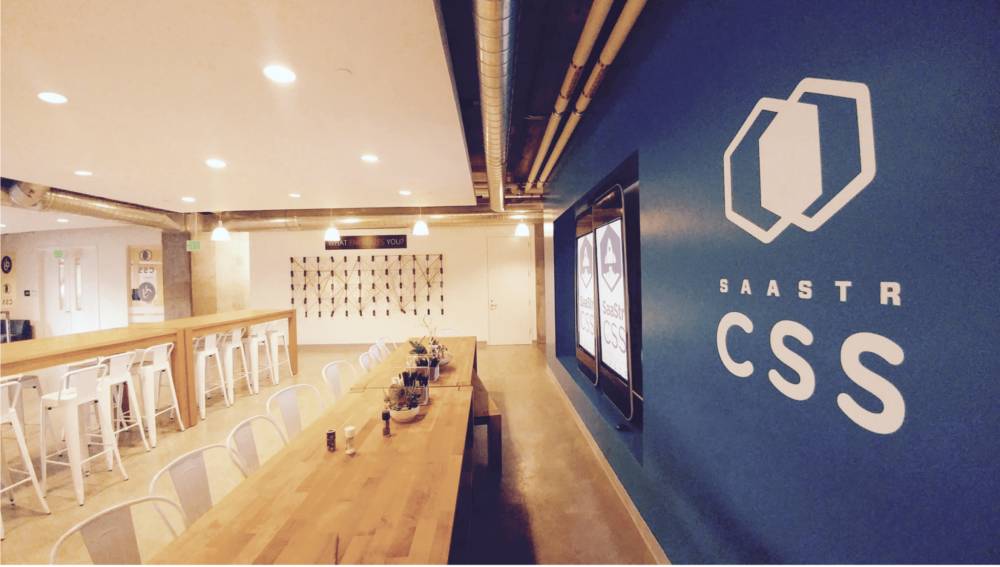
If your calendar has been quietly begging for something more useful than another “quick sync” that somehow becomes a 47-minute screen-share safari, consider this your nudge: the SaaStr CoSelling Space meetup is exactly the kind of room SaaS founders, revenue leaders, investors, and operators should want to walk into. Not because the chairs are magical. Not because the coffee has achieved product-market fit. But because the best SaaS conversations often happen when smart people stop performing for dashboards and start swapping real stories.
The original SaaStr CoSelling Space idea was simple but sharp: bring post-revenue SaaS startups together in a high-quality San Francisco workspace where teams could sell, learn, scale, and occasionally realize they were not the only founders Googling “how to hire first VP Sales without accidentally detonating culture.” The space was designed for companies that had moved beyond pure idea mode but still needed peer pressure, good meeting rooms, and honest conversations about go-to-market.
That is why a meetup at the SaaStr CoSelling Space matters. It is not just a networking night. It is a practical collision between founders trying to grow, sales leaders trying to build repeatable pipeline, marketers trying to make campaigns less decorative, and investors trying to understand which teams can turn momentum into durable revenue. In other words: business speed dating, but with better metrics and fewer awkward roses.
What Is the SaaStr CoSelling Space?
The SaaStr CoSelling Space, often shortened to CSS, was built around a very specific audience: B2B SaaS startups that already had revenue and were ready to scale more seriously. The early concept focused on teams learning to sell and market together rather than disappearing into isolated offices where the only feedback loop came from Slack notifications and the occasional cold pizza.
In its first version, the CoSelling Space was described as a 15,000-square-foot San Francisco office for post-revenue SaaS startups. Later, SaaStr expanded the idea into a larger 18,000-square-foot version in SOMA, with more desks, conference rooms, and proximity to the kind of tech ecosystem where you can bump into a founder, a VC, and someone explaining attribution modeling before you finish one latte.
The name “CoSelling Space” is important. This was not generic coworking with a SaaS sticker slapped on the wall. The goal was to create a place where startups could work near peers dealing with similar stages of growth: hiring salespeople, building outbound motions, improving customer success, refining pricing, expanding into the Bay Area, and figuring out how to move from founder-led selling to a real revenue engine.
Why This Meetup Is More Than a Calendar Invite
A good SaaS meetup does three things. First, it gets you out of your own echo chamber. Second, it gives you access to people who have already made some of the mistakes you are about to make. Third, it compresses learning. You might spend six weeks reading blog posts about sales compensation, or you might ask three operators over sparkling water and receive the answer in ten minutes, including the part no one puts in the polished LinkedIn version.
SaaStr’s early meetups grew from the same practical DNA. The larger SaaStr community began with content, founder lessons, and events, eventually becoming one of the most recognized communities for B2B SaaS founders, executives, and investors. The CoSelling Space extended that community into a physical environment where the topic was not abstract “growth,” but the daily grind of building a SaaS company that can sell, retain, and expand.
That is especially relevant now because B2B sales has become more complex, not less. Buyers research independently, involve more stakeholders, expect digital convenience, and still value human trust when the decision is high stakes. A room full of SaaS operators is useful because it brings the digital and human sides of selling back into the same conversation.
The Co-Selling Angle: Why Partnerships Matter
Co-selling is not just a trendy phrase that revenue teams use when “pipeline” feels too lonely. In practical terms, co-selling means collaborating with partners, platforms, ecosystems, or other sellers to identify, support, and close customer opportunities. Microsoft’s partner ecosystem describes co-selling as collaborative engagement that can include demand generation, sales planning, lead sharing, partner-to-partner selling, and marketplace-led commerce.
For SaaS companies, this matters because buyers rarely live inside one vendor’s universe. A customer might need a CRM, a data warehouse, a security tool, a workflow layer, and a services partner to make everything behave like one adult system. When companies understand how their product fits into a broader ecosystem, they can sell more intelligently. They stop acting like a lonely trumpet and start sounding like part of an orchestra.
That is why a CoSelling Space meetup is not just about collecting business cards. It is about finding adjacent companies, complementary products, trusted advisors, channel partners, and operators who understand the same customer pains from a different angle. A founder might walk in thinking, “I need leads,” and walk out realizing, “I need three integration partners, one better customer story, and a clearer reason for why my product belongs in the CFO’s budget.”
Who Should Show Up?
Post-Revenue SaaS Founders
If your startup has real customers, real revenue, and real growing pains, this is your kind of room. The CoSelling Space concept was never aimed at vague idea-stage wandering. It was created for teams that had something working and needed sharper execution. Founders can compare notes on hiring, pricing, churn, customer acquisition, investor conversations, and the eternal mystery of why every promising enterprise deal suddenly requires “one more stakeholder.”
Sales and Revenue Leaders
Revenue leaders should attend because the sales role is changing fast. Salesforce research has shown that reps spend a large share of their time on non-selling tasks, which means every actual customer conversation needs to count. Meetups help revenue leaders trade practical ideas about territory design, outbound workflows, sales enablement, qualification, pipeline inspection, AI-assisted selling, and the delicate art of forecasting without turning the whole team into a weather channel.
Marketing and Growth Operators
Modern SaaS marketing is not just “publish content and pray to the algorithm.” It is category positioning, partner marketing, customer proof, events, lifecycle messaging, intent signals, and sales alignment. HubSpot’s co-marketing guidance emphasizes the importance of audience fit, shared objectives, and personalized outreach. Those same principles apply beautifully in a meetup setting: the best partnerships start when two teams realize their audiences overlap and their promises do not cancel each other out.
Investors and Advisors
For investors, the value is signal. You can learn a lot from a pitch deck, but you learn something different from watching founders explain their market in a casual room full of peers. Do they understand their customer? Can they explain the pain clearly? Are they coachable? Do other founders respect their thinking? A meetup can reveal the human operating system behind the metrics.
What to Expect at a SaaStr-Style Meetup
Expect a room that mixes ambition with tactical conversation. The original SaaStr CoSelling Space meetup was positioned as an informal gathering with SaaS founders, VCs, executives, a tour of the space, and a discussion featuring respected SaaS voices. That format works because it keeps the night useful without making it feel like a corporate webinar wearing shoes.
You can expect introductions, founder conversations, quick product explanations, questions about go-to-market motion, and a few “Wait, you solved that?” moments. Those are the moments worth showing up for. They are not always dramatic. Sometimes the best advice sounds painfully simple: shorten the demo, qualify harder, stop selling to users who cannot buy, raise prices before you hire another SDR, or build partner motions only after your positioning is sharp.
And yes, there may be drinks. But the real beverage is pattern recognition. When you hear five founders describe the same buyer hesitation, you start seeing your own sales process differently. When a revenue leader explains why their first outbound motion failed, you save yourself a quarter of confusion. When someone casually mentions that their best channel came from a partner integration, your roadmap suddenly looks less like a product list and more like a distribution strategy.
How to Make the Most of the Night
Arrive With One Specific Question
The worst meetup strategy is walking in with the energy of a human brochure. Do not just recite what your company does. Bring one real question you are trying to answer. For example: “How do we move from founder-led sales to our first account executive?” or “Should we build a marketplace integration before or after our Series A?” Specific questions attract specific answers. Vague questions attract polite nodding, which is networking’s least useful currency.
Have a 20-Second Company Explanation
Your explanation should include who you help, what painful problem you solve, and why now. Not the entire company biography. Not the full feature list. Definitely not the phrase “end-to-end AI-powered platform” unless you want nearby founders to check whether the emergency exits are clearly marked.
Look for Complementary Companies
A co-selling mindset means asking: who sells to the same buyer but solves a different problem? A customer success platform may align with a revenue intelligence tool. A security compliance product may align with cloud infrastructure providers. A vertical SaaS product may align with specialized agencies. The best partnership conversations often begin with, “Our customers also ask for something like what you do.”
Follow Up Like a Professional Human
The follow-up is where meetup value either compounds or evaporates. Send a short note the next day. Mention the specific conversation. Offer something useful: an intro, a resource, a customer insight, or a sharper version of the idea discussed. Do not send a 900-word automated sequence that begins with “Just floating this to the top of your inbox.” Nothing says “strategic partner” like sounding like a printer jam.
Why In-Person SaaS Communities Still Matter
Remote work, AI tools, and digital buying channels have changed how SaaS companies operate. But they have not erased the value of trust. Gartner has reported that B2B buyers spend a limited share of their buying time meeting with suppliers, which makes every meaningful human interaction more valuable. McKinsey’s B2B research also points toward an omnichannel reality, where buyers move across in-person, remote, and digital self-service interactions.
That is the sweet spot for a SaaStr CoSelling Space meetup. It does not reject digital selling; it makes digital selling smarter by adding human context. A founder who understands the buyer’s real anxiety writes better content. A sales leader who hears peer stories builds better qualification. A marketer who meets integration partners creates stronger campaigns. A CEO who gets honest feedback from another CEO may avoid hiring the wrong leader six months too early.
The Bigger Lesson: Scaling Is a Team Sport
SaaS culture loves heroic founder stories, but durable growth usually comes from systems, teams, and ecosystems. Product matters. Timing matters. Pricing matters. But so do warm introductions, peer learning, partner channels, customer references, and the confidence that comes from knowing your challenges are not uniquely weird. They are often just stage-specific.
The SaaStr CoSelling Space captured that insight physically. It put ambitious B2B software teams in proximity to each other and encouraged them to learn while building. That is powerful because many SaaS mistakes are not caused by laziness or lack of intelligence. They happen because founders are making unfamiliar decisions under pressure: when to specialize sales roles, how to forecast, whether to move upmarket, how to structure customer success, when to hire marketing leadership, and how to build repeatable pipeline without burning the brand to a crisp.
A meetup gives those decisions a sounding board. It turns private confusion into shared learning. It also reminds everyone that the best SaaS operators are usually generous with practical knowledge, especially once they realize nobody in the room has everything figured out. The emperor may have clothes, but the CRM fields are still messy.
Experience Notes: What a Night Like This Can Feel Like
Picture arriving a few minutes early. The room is still warming up. A founder is adjusting a laptop near the wall. Two revenue leaders are already deep in conversation about pipeline quality. Someone near the entrance is explaining their product with the intensity of a person who has practiced the pitch 312 times and still believes version 313 will be the one. You grab a drink, scan the room, and make the brave decision not to stand next to the snack table pretending almonds are a networking strategy.
The first conversation is usually simple. “What are you building?” Then the real conversation starts. A founder says they are stuck between selling to mid-market customers and chasing enterprise logos. Another person laughs because they just escaped that exact maze. A sales leader explains that their enterprise deals looked bigger but took longer, required more security review, and created a support burden the team had not priced correctly. Suddenly, the conversation is no longer theory. It is a shortcut through someone else’s scar tissue.
Later, you meet a marketer who has been testing partner webinars. Not the fluffy kind where two brands trade logos and call it strategy, but targeted sessions built around a shared buyer problem. They explain that the best results came when both companies agreed on the exact audience, the pain point, the follow-up plan, and the sales handoff before announcing anything. That one idea may be worth the whole evening.
Then comes the informal discussion. The best SaaStr-style talks tend to be direct, tactical, and refreshingly low on fog machines. You hear about what SaaS companies are facing right now: tighter budgets, AI changing workflows, buyers doing more research before talking to sales, founders needing to prove efficiency earlier, and teams trying to balance automation with trust. Nobody needs another motivational slogan about “crushing it.” What people want is the operational truth: what is working, what is failing, and what should be ignored before it becomes an expensive company-wide initiative.
By the end of the night, you may not leave with a signed customer. That is fine. A good meetup is not a vending machine for pipeline. It is a trust-building surface. You leave with two follow-ups, one sharper positioning idea, one potential partner, and one uncomfortable but useful realization about your sales process. That is a strong return for an evening.
The real experience is momentum. You came in with a problem that felt isolated. You leave knowing three other teams have faced it, one solved it, one survived it, and one is currently wrestling it in public with admirable honesty. That is the quiet magic of the SaaStr CoSelling Space concept: the room makes scaling feel less lonely and more learnable.
Final Thoughts
“Come Meet-Up at the SaaStr CoSelling Space Tomorrow Night!” sounds casual, almost like a friendly reminder scribbled on the edge of a busy founder’s calendar. But behind it is a much bigger idea: SaaS companies grow faster when they learn together, sell smarter, and build relationships before they desperately need them.
For founders, the meetup is a chance to compare real notes with people facing the same stage of growth. For revenue leaders, it is a place to rethink sales execution, partnerships, and buyer engagement. For marketers, it is a reminder that the best campaigns often begin as conversations. For investors and advisors, it is a window into how operators think when the pitch deck is closed and the practical questions begin.
So yes, show up. Bring a clear question. Introduce yourself without sounding like a landing page. Listen more than you pitch. Follow up with the people who made you think. And if you leave with a new partner, a better sales idea, or simply the comforting realization that everyone else is also figuring it out in real time, the night has done its job.
Note: This article is written as an evergreen, publish-ready SaaS meetup feature inspired by the original SaaStr CoSelling Space community concept, while avoiding outdated registration instructions or obsolete event details.














