
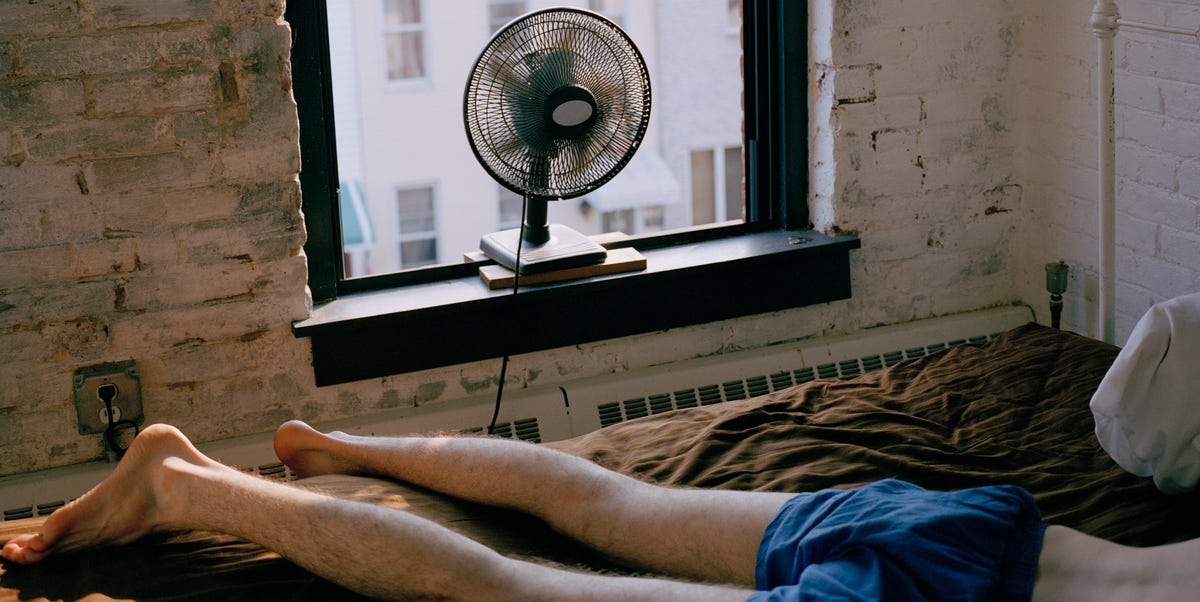
A room without air conditioning can go from “pleasant summer retreat” to “human-size toaster oven” surprisinglyy release heat, and that innocent-looking oven turns dinner into an indoor weather emergency.
Fortunately, you do not always need an air conditioner to make a meaningful difference. The most effective approach is to stop heat from entering, remove accumulated heat when outdoor conditions improve, increase safe air movement, and cool your body directly. The following strategies explain how to cool down a room without AC using practical methods that work in apartments, bedrooms, home offices, dorms, and older houses.
Understand Why the Room Is Getting Hot
Before moving every fan you own into one heroic tower, identify the room’s main heat sources. Most overheated rooms are affected by some combination of direct sunlight, warm outdoor air, poor ventilation, heat-producing appliances, high humidity, and heat rising from lower floors.
Check which windows receive direct sun and at what time. Notice whether the room becomes hotter after cooking, gaming, running a desktop computer, or using a clothes dryer. Compare indoor and outdoor temperatures in the morning, afternoon, and evening. This simple temperature check tells you when to seal the room and when to ventilate it.
The basic rule is straightforward: when outdoor air is hotter than indoor air, block it. When outdoor air becomes cooler, invite it inside like a long-awaited dinner guest.
1. Block Sunlight Before It Heats the Room
Close Curtains and Blinds Early
Do not wait until the room already feels hot. Close blinds, shades, or curtains before direct sunlight reaches the glass. Windows facing east may need covering early in the morning, while west-facing windows often create the fiercest late-afternoon heat.
Light-colored or reflective window coverings generally perform better than dark fabric facing the glass. Dark curtains can absorb solar energy and radiate some of that warmth into the room. If your curtains are dark, adding a pale liner can improve their performance.
Window coverings help regulate indoor temperatures by reducing solar heat gain, while exterior shading and efficient windows provide additional protection against summer heat. >Create a Temporary Reflective Barrier
For a low-cost solution, cut a piece of cardboard to fit the window and cover the outward-facing side with reflective material. Position it so sunlight is reflected toward the outdoors rather than trapped between layers of fabric.
Do not attach materials in a way that could damage the glass or create unsafe heat buildup. Some window manufacturers warn that certain films or coverings may affect warranties, especially on insulated glass. A removable insert placed inside the window frame is often the safer temporary option.
Shade the Window from Outside
Exterior shade is particularly effective because it intercepts solar energy before it reaches the glass. Awnings, exterior shutters, solar screens, balcony shades, pergolas, and leafy plants can all reduce the amount of heat entering a room.
Renters can use removable outdoor shade cloth where building rules permit. Even a patio umbrella positioned to shade a problem window can help during the hottest part of the day.
2. Open and Close Windows at the Right Times
Keep Windows Closed During Peak Heat
Opening every window at noon may feel logical, but it can fill the room with hotter air. If the outdoor temperature is higher than the indoor temperature, close the windows and cover them. Shut doors leading to warmer parts of the home as well.
Flush Out Heat After Sunset
Once the outdoor air becomes cooler than the room, open windows on opposite sides of the space or home. This creates cross-ventilation, allowing cooler air to enter while warmer air exits.
If the room has only one window, open the room’s door and another window elsewhere in the home. The larger airflow path can still replace trapped hot air.
Use the Stack Effect
Warm air naturally rises. In a multistory home, opening a lower-level window on the cooler side of the building and an upper-level window can help hot air escape upstairs while cooler air enters below.
Natural ventilation works best when nights are cool and outdoor air is relatively dry. In humid conditions, repeatedly bringing in moist air may increase discomfort and contribute to indoor moisture problems. Windows should also remain closed when outdoor smoke, pollution, or pollen creates an air-quality concern. ion>
3. Position Fans Strategically
Turn a Window Fan into an Exhaust Fan
During the evening, place a box or window fan so it blows hot indoor air out through a window. Open another window across the room or in a cooler part of the home. As the exhaust fan pushes hot air outside, cooler replacement air is drawn through the second opening.
This setup is often more effective than aiming a fan randomly at the center of the room. The goal is to create a clear route for air to enter, travel through the space, and leave.
Use Two Fans for Cross-Ventilation
If two windows are available, place one fan facing inward at the coolest or shadiest window. Place the other fan facing outward at the warmer window. The inward fan supplies cooler air, while the outward fan removes accumulated heat.
A hallway fan can also help move cool nighttime air from one room to another. Keep the path clear by opening interior doors and moving bulky furniture away from the airflow.
Make Ceiling Fans Work for People, Not Empty Rooms
A ceiling fan does not lower the room’s actual air temperature. It helps occupants feel cooler by moving air across the skin. Use the summer setting that pushes air downward, following the manufacturer’s instructions, and turn the fan off when nobody is in the room.
Know When Fans Are Not Enough
Fans can improve comfort in moderately warm rooms, but they are not a substitute for safer cooling during dangerous heat. Federal health and emergency guidance warns against relying on a fan when indoor temperatures reach approximately 90°F or higher. At that point, move to a cooler location, apply water to the skin, take a cool shower, and seek air-conditioned shelter when possible. ion>
4. Try Ice and Evaporative Cooling Carefully
Place Ice Near a Fan for Personal Relief
A bowl of ice or frozen water bottles placed in front of a fan may make the immediate airflow feel cooler. This technique provides localized comfort rather than cooling an entire room for hours. It works best when you are sitting close to the fan.
Keep melting ice and condensation away from electrical cords, outlets, and the fan motor. Frozen bottles are often less messy than an open bowl and can be returned to the freezer after use.
Use a Damp Cloth or Spray Bottle
Lightly misting exposed skin or placing a cool, damp cloth on the neck can enhance evaporative cooling. A fan moving across damp skin may increase the cooling sensation when the air is not dangerously hot.
Consider the Local Humidity
Evaporative cooling is most useful in dry climates. In humid areas, the air already contains substantial moisture, so additional water evaporates slowly and may make the room feel stickier. Purpose-built evaporative coolers can provide strong temperature reductions in low-humidity regions but are less suitable for muggy climates. ion>
5. Stop Creating Extra Heat Indoors
Avoid the Oven During the Hottest Hours
An oven does exactly what it was designed to do: create a large amount of heat. Unfortunately, it does not understand that the kitchen is already 87°F and everyone is becoming emotionally attached to the freezer.
Prepare no-cook meals, use a microwave, cook outdoors where permitted, or make hot meals early in the morning. Pressure cookers, toaster ovens, and countertop appliances may release less heat than a full-size oven, although they still add warmth to the room.
Turn Off Unnecessary Electronics
Computers, televisions, game consoles, lamps, chargers, and other electronics release heat while operating. Shut down equipment you are not using instead of leaving it in standby mode.
For a home office, move a desktop tower out from under the desk so heat does not collect around your legs. Keep ventilation openings clear and avoid placing equipment in direct sunlight.
Switch to LED Lighting
Traditional incandescent bulbs convert much of their energy into heat. LED bulbs operate more efficiently and generally release less heat into the room. During daylight hours, keep unnecessary lights off altogether.
Delay Laundry and Dishwashing
Clothes dryers and dishwashers can warm nearby rooms. Run them late at night or early in the morning. Use bathroom and kitchen exhaust fans when they vent outdoors, but turn them off after excess heat and moisture have been removed so they do not continue pulling hot outdoor air through leaks.
6. Cool Your Body Instead of Fighting the Entire Building
Cooling the person is often faster and cheaper than trying to cool every cubic foot of indoor air.
Take a Cool Shower
A cool shower or bath removes heat from the skin and can provide relief before bedtime. The water does not need to be painfully cold. Comfortable cool water is easier to tolerate and less likely to leave you shivering.
Apply Cool Cloths to Key Areas
Place a damp cloth on the neck, forehead, wrists, or behind the knees. Rewet it as needed. A wrapped cold pack can also help, but avoid placing ice directly against bare skin for long periods.
Stay Hydrated
Drink water regularly rather than waiting until you feel extremely thirsty. People with medical fluid restrictions should follow guidance from their healthcare professional rather than automatically increasing fluid intake.
Wear Loose, Lightweight Clothing
Choose breathable, loose-fitting sleepwear and everyday clothing. Heavy fabrics and tight garments can trap heat close to the body. At night, use light bedding and remove thick mattress toppers that retain warmth.
7. Make a Hot Bedroom Easier to Sleep In
Start cooling the bedroom several hours before bedtime. Keep the door closed during the day if the rest of the home is warmer, but open it at night when doing so improves cross-ventilation.
Use breathable cotton or linen sheets and replace thick comforters with a light blanket. Place a fan where it moves air across the bed without creating an obstacle or exposing cords to moisture.
Because lower areas are often cooler, a temporary sleeping setup on a lower floor may be more comfortable than an upstairs bedroom. In an apartment, the side of the room farthest from west-facing windows may also remain cooler.
Freeze a sealed water bottle, wrap it in a thin towel, and place it near your feet. Unlike an open ice pack, a sealed bottle reduces the chance of waking up in a mysterious indoor puddle.
8. Seal, Insulate, and Shade for Long-Term Improvement
Temporary tricks help during a hot afternoon, but rooms that overheat every summer may need structural improvements.
Seal gaps around windows and doors with appropriate caulk or weatherstripping. Add insulation where practical, particularly beneath hot attics or roofs. Install thermal shades, solar screens, exterior awnings, or window products designed to reduce solar heat gain.
If you own the property, consider attic ventilation, radiant barriers where suitable for the climate, shade trees, or a reflective roof. A cool roof absorbs less solar energy than a conventional dark roof and can reduce heat transferred into the building. ion>
9. Follow a Simple 24-Hour Cooling Schedule
| Time | What to Do |
|---|---|
| Early morning | Open windows while outdoor air is cool. Use fans to flush out stored heat. |
| Before temperatures rise | Close windows, curtains, blinds, and doors to hotter spaces. |
| Midday | Avoid cooking, turn off unused electronics, hydrate, and cool your skin. |
| Late afternoon | Keep west-facing windows shaded and monitor indoor temperature. |
| After sunset | Compare indoor and outdoor temperatures. Ventilate only when outdoor air is cooler and safe to breathe. |
| Before bed | Take a cool shower, use lightweight bedding, and direct safe airflow across the sleeping area. |
10. Recognize When the Room Is No Longer Safe
Cooling tricks have limits. If the room remains dangerously hot, relocate to an air-conditioned library, mall, community center, public cooling center, or the home of a friend or relative. Even several hours in a cooler environment can reduce heat-related health risks.
Watch for heavy sweating, weakness, dizziness, nausea, headache, muscle cramps, or fainting. Confusion, loss of consciousness, seizures, or very hot skin may indicate heat stroke, which is a medical emergency. Call 911 and begin rapid cooling while help is on the way.
Older adults, infants, pregnant people, people with chronic medical conditions, outdoor workers, and those taking certain medications may be especially vulnerable. Check on neighbors and household members rather than assuming they will ask for help. Federal emergency guidance recommends cool showers, lightweight clothing, hydration, and moving to a designated cool location when home air conditioning is unavailable. ion>
Conclusion: Combine Small Changes for a Cooler Room
The best way to cool down a room without AC is not one magical hack involving seventeen ice cubes and a heroic desk fan. It is a coordinated routine.
Block sunlight before it enters. Keep hot outdoor air outside during the day. Release stored heat when evenings become cooler. Position fans to create a clear airflow path, reduce heat from appliances, and cool your body with water, breathable clothing, and hydration.
Most importantly, recognize when home-cooling tricks are no longer sufficient. During dangerous heat, comfort takes second place to safety. Move to an air-conditioned location rather than trying to outsmart a severe heat wave with a bowl of frozen peas.
A Realistic Week Without AC: Experience-Based Lessons
The following composite scenario reflects common experiences in apartments and homes without central air conditioning. It is not presented as a personal testimonial, but it demonstrates how the methods above work together in everyday life.
On the first hot day, the occupants of a west-facing apartment made the classic mistake: they opened every window at noon and placed a fan in the middle of the living room. The fan moved plenty of air, but the incoming air was hotter than the room. By late afternoon, the apartment felt like a bakery that had misplaced its bread.
The next morning, they changed the routine. Windows were opened at 6 a.m., when the outdoor temperature was noticeably lower. One fan faced outward through the warmest window, while another pulled cooler air through a shaded bedroom window. After about an hour, the apartment felt fresher and several degrees more comfortable.
Before the sun reached the building, they closed the windows and lowered the blinds. Cardboard inserts with reflective outer surfaces were placed in the two windows receiving the strongest afternoon sun. The apartment was not cold, but it warmed much more slowly.
Cooking habits made another unexpected difference. On the first evening, baking dinner caused the kitchen and living room to remain hot long after sunset. For the rest of the week, breakfast was cooked early, while dinners included salads, sandwiches, microwave meals, and food prepared outdoors on an approved communal grill. Nobody considered cold pasta glamorous, but nobody had to sit beside a 400°F oven either.
The home office required its own adjustments. A desktop computer, two monitors, a gaming console, and several lights had been running simultaneously. Shutting down unused equipment and replacing an old incandescent desk lamp with an LED bulb reduced the heat accumulating around the workstation. Moving the computer tower out of the enclosed desk compartment also allowed its hot exhaust air to disperse.
Nighttime remained the hardest period because the brick building released stored heat for hours after sunset. The occupants delayed opening the windows until outdoor air was genuinely cooler. They then created cross-ventilation, took cool showers, used cotton sheets, and slept on the lower level of the apartment rather than in the loft.
A frozen bottle wrapped in a towel provided personal relief near the foot of the bed. It did not transform the bedroom into a ski lodge, but it helped enough to make falling asleep easier. Damp cloths on the neck and a small spray bottle also proved more useful than repeatedly opening the refrigerator and staring inside as though winter might be hiding behind the orange juice.
The most important lesson arrived during an extreme-heat afternoon when the indoor temperature continued climbing despite every precaution. Instead of depending on fans, the household spent several hours at the local library. That decision was not a failure of the cooling plan; it was part of the plan.
By the end of the week, the biggest improvement came from timing rather than expensive equipment. Morning ventilation, daytime shading, reduced appliance use, evening heat flushing, and direct body cooling worked together. No single step made the apartment chilly, but the combined routine kept moderate heat manageable and made it clear when leaving for a cooler location was the safest choice.













