
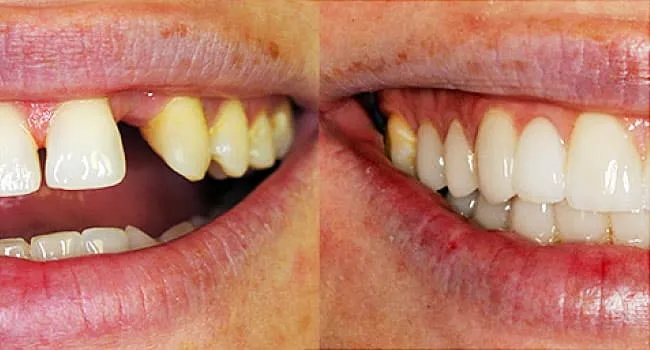
Before-and-after pictures are the movie trailers of cosmetic dentistry. In one frame, you see stained, chipped, crowded, uneven, or missing teeth. In the next, there is a brighter, cleaner, more balanced smile that looks like it finally got eight hours of sleep and a good publicist. But while these photos can be exciting, they can also be misunderstood. A great smile transformation is not just about making teeth white enough to guide ships through fog. It is about function, facial harmony, gum health, tooth structure, bite alignment, and realistic expectations.
Cosmetic dentistry before-and-after pictures can help patients understand what treatments such as teeth whitening, veneers, dental bonding, crowns, implants, gum contouring, and clear aligners may achieve. The key word is may. Every mouth has its own story: enamel thickness, bite pressure, gum shape, previous dental work, oral habits, bone support, and lifestyle all influence the final result. Two people can ask for the same “Hollywood smile” and still need completely different treatment plans. One may need whitening and bonding. Another may need orthodontics, gum therapy, and porcelain veneers. A third may simply need a better toothbrush and less iced coffee. Dentistry is humbling like that.
What Cosmetic Dentistry Before-and-After Pictures Really Show
Good before-and-after dental photos show more than “yellow teeth became white.” They show how a dentist corrected shape, symmetry, spacing, color, tooth length, gum balance, or missing teeth. In a strong photo set, the viewer should be able to compare the same angle, similar lighting, natural lip position, and consistent distance from the camera. If the “before” photo looks like it was taken in a basement during a power outage and the “after” photo looks like a luxury perfume ad, be cautious. Lighting can perform miracles, but it does not have a dental license.
Reliable cosmetic dentistry pictures usually include several views: full smile, close-up front view, side views, and sometimes bite views. These angles help patients understand whether the improvement is only cosmetic or also functional. For example, closing a gap between front teeth may look simple, but the dentist also has to consider speech, bite contact, gum shape, and long-term stability. A cosmetic result that looks great for a selfie but fails during chewing is not a success; it is a filter with a dental bill.
Popular Cosmetic Dentistry Treatments Seen in Before-and-After Photos
1. Teeth Whitening: The Fastest Visual Upgrade
Teeth whitening is one of the most common cosmetic dental procedures because it can produce a noticeable improvement without changing tooth shape. It works best for natural teeth with stains from coffee, tea, red wine, tobacco, aging, or certain foods. Professional whitening may be done in the dental office or with dentist-supervised take-home trays. Over-the-counter strips and whitening toothpastes can help with mild staining, but results are usually more limited.
Before-and-after whitening pictures often show teeth becoming several shades brighter. However, whitening does not change the color of crowns, veneers, fillings, bridges, or implants. That means a patient with old front crowns may end up with natural teeth that are brighter than the restorations. The result can look like the smile is wearing mismatched socks. A dentist may recommend whitening first, then replacing visible restorations to match the new shade.
2. Dental Bonding: Small Fixes, Big Personality
Dental bonding uses tooth-colored resin to repair chips, close small gaps, reshape edges, or cover minor discoloration. It is often completed in one visit and usually requires little or no enamel removal. Bonding before-and-after pictures can be dramatic when the original issue is small but noticeable, such as a chipped front tooth or an uneven tooth edge.
The advantage of bonding is speed and affordability. The limitation is durability. Composite resin can stain or chip over time, especially in people who bite nails, chew ice, grind their teeth, or believe their front teeth are emergency package openers. Bonding can be polished, repaired, or replaced, but it generally does not last as long as porcelain veneers.
3. Porcelain Veneers: The Smile Makeover Classic
Porcelain veneers are thin custom shells placed on the front surface of teeth. They can improve color, shape, length, spacing, and symmetry. Many of the most dramatic cosmetic dentistry before-and-after pictures involve veneers because they can transform multiple visible teeth at once.
Veneers are often used for teeth that are permanently stained, worn down, slightly misaligned, uneven, too small, or spaced apart. The process usually includes consultation, smile design, tooth preparation, impressions or digital scans, temporary veneers, and final bonding. Traditional veneers may require removal of a small amount of enamel, making the procedure permanent. No-prep or minimal-prep veneers may be possible for selected cases, but they are not magic stickers. If they are placed on teeth that are already bulky or poorly positioned, the final smile may look too thick.
4. Crowns: When Beauty Needs Strength
Dental crowns cover the entire visible portion of a tooth. They are often used when a tooth is cracked, heavily filled, worn, weakened, or treated with a root canal. In before-and-after pictures, crowns can make damaged teeth look natural again while restoring chewing strength.
Cosmetic crowns are not only about appearance. The dentist must consider bite forces, tooth structure, gum margins, material choice, and long-term maintenance. A front crown should blend with neighboring teeth in color and translucency. A back crown should survive chewing without turning dinner into a dental emergency. Modern ceramic crowns can look highly lifelike, but planning matters. A crown that is too opaque, too bright, or shaped like a tiny bathroom tile can stand out for all the wrong reasons.
5. Dental Implants: Replacing Missing Teeth Naturally
Dental implants are used to replace missing teeth. An implant is placed in the jawbone and later restored with a crown, bridge, or denture attachment. In before-and-after pictures, implants can fill gaps, support facial structure, improve chewing, and restore a complete smile.
Implant transformations often take longer than whitening or bonding because healing time is required. Some patients also need bone grafting or gum shaping before the final crown is placed. The most natural-looking implant results depend on careful placement, healthy tissue, good oral hygiene, and a restoration that matches nearby teeth. Replacing one missing front tooth is one of the most demanding cosmetic procedures because the tooth must match its neighbor in shape, color, gum height, and angle. The front of the mouth is not forgiving; it notices everything.
6. Clear Aligners and Braces: Moving Teeth Before Beautifying Them
Some before-and-after pictures show teeth that look better because they were moved into better positions. Clear aligners and braces can correct crowding, spacing, rotations, and bite issues. Orthodontic treatment may be recommended before veneers or bonding because straight teeth often require less drilling and create a more stable result.
For example, a patient with crowded front teeth may ask for veneers, but the dentist may suggest aligners first. Once the teeth are aligned, the patient might need only whitening and minor edge bonding. That is like remodeling a kitchen and discovering you do not need to replace the whole house after all.
7. Gum Contouring: The Frame Around the Smile
Teeth are the stars of the smile, but gums are the frame. If gum tissue is uneven, excessive, or asymmetrical, teeth may look short or unbalanced. Gum contouring can reshape the gumline to make teeth appear more proportional. Before-and-after pictures of gum contouring often show a cleaner, more open smile with better symmetry.
However, gum contouring must be planned carefully. Removing too much tissue can cause sensitivity, exposed roots, or an unnatural look. In some cases, a dentist or periodontist may need to evaluate bone levels and gum health before treatment. Healthy gums are not optional; they are the red carpet your smile walks on.
How to Read Cosmetic Dentistry Before-and-After Pictures Like a Smart Patient
Check the Lighting and Angle
The most honest dental photos use similar lighting, camera angle, and lip position. If the before photo is shadowy and the after photo is bright, glossy, and taken from a more flattering angle, the transformation may look bigger than it really is. This does not mean the dentist is dishonest, but it does mean you should look closely.
Look at Gum Health
A beautiful smile should not have swollen, inflamed, or uneven gums. Healthy gum tissue usually looks firm and balanced. In cosmetic dentistry, pink aesthetics are almost as important as white aesthetics. Teeth without healthy gums are like a sports car with flat tires: technically impressive, but something is clearly wrong.
Notice Natural Tooth Shape
Great cosmetic dentistry does not make every tooth the same size. Natural smiles have subtle variation. The central front teeth are usually slightly dominant, the lateral incisors are a bit smaller, and the canine teeth provide shape and character. If all teeth look identical, the smile may appear artificial. Real beauty usually has a little personality.
Ask What Treatment Was Done
Before-and-after pictures should ideally explain the treatment: whitening, bonding, veneers, crowns, implants, orthodontics, gum contouring, or a combination. Without that information, a patient may assume a result came from simple whitening when it actually required veneers, gum reshaping, and months of planning. That is like seeing a finished wedding cake and assuming it came from a toaster.
Ask How Long the Result Took
Some cosmetic changes take one visit. Others take months or more than a year. Whitening and bonding can be quick. Veneers usually take multiple appointments. Aligners may take months. Implants often require surgical placement and healing. Time matters because the most beautiful result is often the one that was not rushed.
Common Smile Problems Seen in Before Pictures
Patients seek cosmetic dentistry for many reasons. Common concerns include stained teeth, chipped teeth, worn edges, gaps, crowding, uneven gumlines, old dental work, missing teeth, small teeth, dark triangles near the gums, and teeth that appear too short. Some people want a dramatic celebrity-style makeover. Others simply want to look less tired in photos or feel comfortable laughing without covering their mouth.
A good dentist begins with diagnosis, not decoration. Stains may come from lifestyle habits, enamel changes, old fillings, or internal discoloration. Chipped teeth may be caused by trauma, grinding, bite problems, or weak enamel. Short teeth may be naturally small, worn down, or partly hidden by excess gum tissue. The best treatment depends on the cause, not just the appearance.
What Makes a Cosmetic Dentistry Result Look Natural?
Natural-looking cosmetic dentistry depends on proportion, translucency, texture, color, and facial harmony. Teeth are not flat white rectangles. They have subtle surface texture, light reflection, and variation near the biting edge. Younger teeth may appear brighter and more translucent. Mature teeth may have warmer tones. The goal is not always the whitest possible shade; it is the most flattering shade for the person’s face, lips, age, and personality.
Smile design also considers the curve of the smile, the amount of tooth shown at rest, the midline, the bite, and how the teeth appear during speech. A smile that looks good in a still photo must also look good when talking, laughing, eating, and making the face people make when they accidentally open the front camera.
Questions to Ask Before Choosing a Cosmetic Dentist
Before starting treatment, ask to see before-and-after pictures of cases similar to yours. Similar is important. If you have worn teeth, do not rely only on photos of simple whitening cases. If you need a front implant, ask for front implant examples. If you want veneers, ask how much enamel will be removed and whether alternatives such as orthodontics, bonding, or whitening are possible.
Useful questions include: How long will the result last? What maintenance is required? Will I need a night guard? Can the work stain or chip? What happens if I do not like the temporary version? Are my gums and bite healthy enough for this treatment? Will whitening affect my existing dental work? A confident dentist should welcome these questions. Good planning is not annoying; it is how expensive surprises are politely escorted out of the room.
Risks and Realistic Expectations
Cosmetic dentistry can improve confidence, but every procedure has limits. Whitening may cause temporary sensitivity. Bonding can chip or stain. Veneers and crowns may require enamel removal. Implants involve surgery and healing. Gum contouring must respect the biology of the tissue. Orthodontics requires patient compliance and retainers to maintain results.
Before-and-after pictures are helpful, but they are not guarantees. Your result depends on your oral health, anatomy, dentist’s skill, materials, maintenance, and habits. If you grind your teeth, smoke, sip coffee all day, or treat your teeth like multitools, the final result may not last as long. Cosmetic dentistry is a partnership. The dentist designs the smile, but the patient has to protect it.
Experience Section: What Patients Often Learn from Cosmetic Dentistry Before-and-After Pictures
One of the most common experiences patients describe when viewing cosmetic dentistry before-and-after pictures is surprise. Many people arrive thinking their only option is veneers, then discover that a more conservative plan may work. For example, someone with slightly yellow teeth and two small chips may assume they need a full smile makeover. After a consultation, the dentist may recommend whitening, two small bonding repairs, and polishing. The final photo may look fresh, natural, and confident without changing every tooth in the mouth.
Another common experience is realizing that “white” is not the same as “beautiful.” Patients often point to ultra-bright after photos and say they want that shade. Then, during shade selection, they see how a softer white may look more natural with their skin tone and facial features. The best cosmetic dentists usually guide patients toward harmony rather than shock value. A smile can be bright without looking like it has its own electrical grid.
Patients also learn that the before photo matters. Some feel embarrassed by close-up dental pictures, especially when stains, crowding, gaps, or old fillings are visible. But those images are not there to judge anyone. They are diagnostic tools. They help the dentist plan treatment and help the patient appreciate progress. In many cases, the before picture becomes a confidence booster later. It shows how far the smile has come, like a fitness progress photo but with less sweating and fewer protein shakes.
People who choose veneers often describe the temporary stage as especially helpful. Temporary veneers allow patients to preview shape, length, and overall smile design before the final porcelain is made. This stage can reveal whether the teeth feel too long, too square, too rounded, or too bold. A small adjustment at this stage can make the final result much more comfortable. The experience also teaches patients that cosmetic dentistry is not just a product; it is a design process.
Patients who choose aligners before cosmetic work often say the process requires patience, but the result feels more “earned.” Straightening teeth first can reduce the need for aggressive reshaping. It may also improve bite function and make the final cosmetic touches simpler. The before-and-after pictures in these cases are especially satisfying because they show gradual progress: crowded teeth becoming aligned, then brighter, then refined with bonding or whitening.
For patients replacing missing teeth, implant before-and-after pictures can be emotional. A missing front tooth or visible gap can affect speech, eating, smiling, and self-esteem. Seeing the final crown blend into the smile can feel life-changing. Still, the experience requires patience. Healing, tissue shaping, and color matching take time. The best implant results often come from careful staging rather than rushing to the final crown.
The biggest lesson from real cosmetic dentistry experiences is simple: the best before-and-after pictures are not about perfection. They are about a smile that fits the person. A successful result should look healthy, comfortable, and believable. Friends may notice that someone looks happier, younger, or more confident without immediately asking, “Who installed your teeth?” That is the sweet spot. Great cosmetic dentistry does not shout. It smiles.
Conclusion
Cosmetic dentistry before-and-after pictures are powerful because they turn possibilities into something visible. They can help patients understand whitening, bonding, veneers, crowns, implants, aligners, and gum contouring. But the smartest way to view them is with curiosity, not comparison. Look for consistent photos, natural shape, healthy gums, clear treatment details, and results similar to your own concerns. A beautiful smile makeover should respect your teeth, gums, bite, face, and budget.
The best cosmetic dentistry does not simply create whiter teeth. It creates balance, confidence, and a smile that feels like it belongs to you. Before choosing a treatment, meet with a licensed dental professional, ask questions, review similar cases, and understand the maintenance involved. Your smile deserves more than a quick filter. It deserves a plan.
Note: This article is for general educational purposes only and does not replace diagnosis, treatment planning, or advice from a licensed dentist or dental specialist.













