
Note: This is an original, publish-ready article written in standard American English and synthesized from current home, kitchen, textile, cleaning, and product-testing guidance.
Why the Country Plaid Tea Towel Still Belongs in Every Kitchen
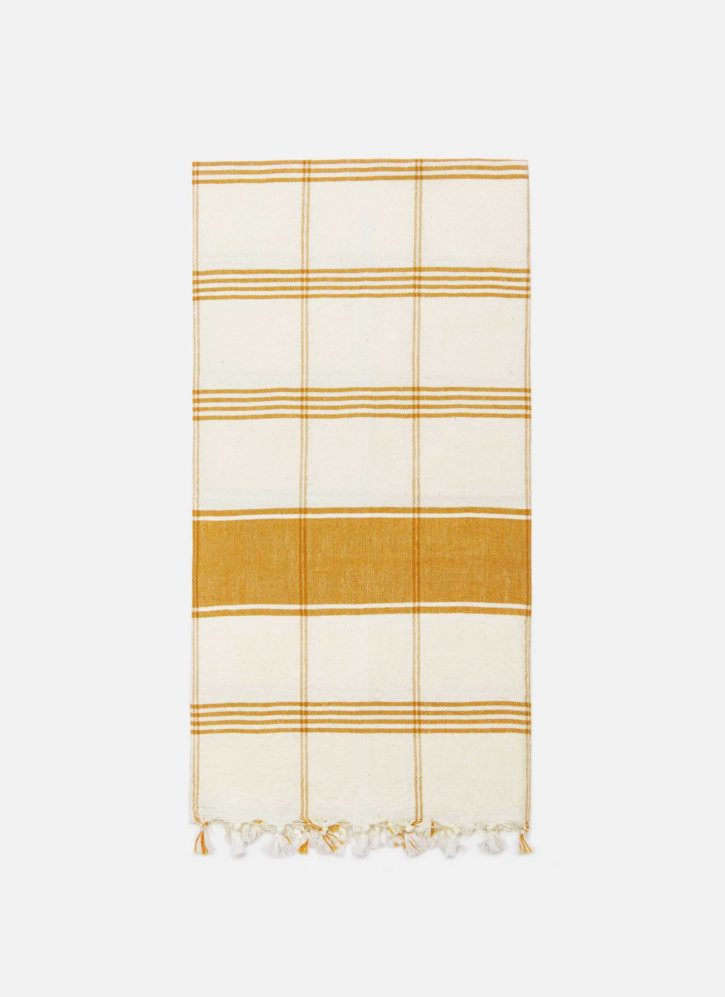
A country plaid tea towel may sound like a small thing. It is, after all, a rectangle of fabric with lines crossing other lines. But in the kitchen, small things often do heroic work. The spoon keeps soup from becoming a finger-based activity. The cutting board saves your countertop from looking like a crime scene involving tomatoes. And the humble country plaid tea towel? It dries hands, catches spills, softens hard kitchen edges, dresses up the oven handle, covers rising dough, lines a bread basket, and politely says, “Yes, someone cozy lives here.”
The charm of a plaid tea towel comes from its combination of usefulness and personality. It is practical enough to earn a spot next to the sink, yet stylish enough to be part of your farmhouse kitchen decor. Whether the pattern is buffalo check, gingham, tartan-inspired, windowpane plaid, or a faded rustic check, it brings a little countryside warmth into the room without requiring you to buy a rooster-shaped lamp. Though, honestly, no judgment if you already have one.
Today’s tea towels are more than decorative kitchen linens. A good cotton tea towel can help dry dishes, protect delicate glassware, wrap baked goods, absorb light moisture, and reduce paper towel waste. A country plaid tea towel, in particular, works beautifully in kitchens that lean farmhouse, cottage, rustic, traditional, lodge, vintage, or modern country. It is the kind of item that looks intentional even when it is casually draped over the sink. That is a rare talent. Most things casually draped over the sink just look like laundry with ambition.
What Is a Country Plaid Tea Towel?
A tea towel is a flat-woven kitchen towel, traditionally made from cotton or linen. Unlike thick terry dish towels, which are built with looped fibers for heavy absorbency, tea towels are usually smoother, lighter, and less bulky. This makes them especially helpful for drying glassware, covering baked goods, lining trays, or adding a decorative layer to the kitchen.
A country plaid tea towel takes that practical format and gives it a rustic pattern. Plaid is made from horizontal and vertical stripes that cross to form squares or rectangles. In a country kitchen, plaid feels friendly, familiar, and relaxed. It can look like a cabin weekend, a farmhouse breakfast, a fall market basket, or a fresh stack of linens in a pantry that somehow always smells like cinnamon.
Common Plaid Styles
Not all plaid kitchen towels look the same. A red and black buffalo check towel feels bold and cozy, especially in fall and winter. A soft blue and white gingham towel feels light, clean, and springlike. A green plaid towel can lean garden cottage or Christmas cabin, depending on the rest of the room. Neutral beige, cream, gray, and black plaid works well for modern farmhouse spaces because it adds pattern without making the kitchen look too busy.
The best country plaid tea towel is not just pretty. It should also feel good in the hand, wash well, dry reasonably fast, and hold up after repeated use. In other words, it needs to be cute and competent. Kitchens are no place for freeloaders.
Why Plaid Works So Well in Country Kitchen Decor
Plaid is one of the rare patterns that can feel both nostalgic and fresh. It has roots in traditional textiles, but it has been reinvented again and again in American homes. In a country kitchen, plaid creates instant warmth because it suggests handmade quilts, picnic blankets, flannel shirts, orchard baskets, and old-fashioned pantry shelves. It gives the room a lived-in feeling without clutter.
A country plaid tea towel is also an easy way to test a color palette. Want to add red to a white kitchen without painting the cabinets barn-door red? Hang a red plaid towel. Curious about sage green, navy, mustard, or charcoal? Try it first in a towel. Unlike tile, lighting, or countertops, tea towels do not require a contractor, a permit, or emotional recovery time.
Small Textile, Big Design Impact
In kitchen styling, textiles soften hard surfaces. Most kitchens are full of cabinets, counters, metal appliances, ceramic dishes, glass jars, and straight lines. A tea towel adds texture and movement. When the towel has a country plaid pattern, it also adds rhythm. The grid gives the eye something to follow, while the fabric keeps the room from feeling too stiff.
This is why designers often use kitchen towels as finishing pieces. A folded plaid dish towel on a counter can make a coffee station look more complete. A towel over the oven handle can tie together cabinet hardware, rug colors, and seasonal decor. A plaid tea towel in a bread basket makes biscuits look like they have their own public relations team.
Best Materials for a Country Plaid Tea Towel
Material matters. A towel can have the most charming farmhouse pattern in the county, but if it smears water around like a tiny fabric windshield wiper, it will not earn daily respect. The most common materials for tea towels are cotton, linen, and cotton-linen blends. Each has strengths.
100% Cotton Tea Towels
Cotton is popular because it is soft, absorbent, washable, and affordable. It is a strong choice for everyday kitchen tasks such as drying hands, wiping light spills, covering rolls, or polishing dishes. Cotton fibers naturally attract and hold water, which makes cotton kitchen towels useful for repeated drying. A 100% cotton plaid tea towel is usually the safest choice if you want a balance of performance, comfort, and easy care.
Cotton also tends to soften over time. Many new tea towels feel slightly crisp at first, especially if they have sizing from manufacturing. After a few washes, they often become more flexible and more absorbent. This is why the first wash matters. Your towel may arrive looking camera-ready, but it becomes truly kitchen-ready after laundering.
Linen Tea Towels
Linen is made from flax fibers and is loved for its smooth feel, durability, and low-lint finish. A linen plaid tea towel can be excellent for drying glassware because it is less likely to leave fuzz behind. Linen also dries quickly, which is helpful in a busy kitchen. The trade-off is that linen can wrinkle easily. Some people call that character. Others call it “why does my towel look like it has a mortgage?”
If you like a relaxed, European farmhouse look, wrinkles may be part of the charm. Linen looks natural, airy, and slightly imperfect in a beautiful way. For a country plaid tea towel that doubles as decor, linen is a lovely upgrade.
Cotton-Linen Blends
A cotton-linen blend gives you a little of both worlds. Cotton adds softness and absorbency, while linen adds strength and quicker drying. Blended towels often work well as decorative and functional kitchen linens. They may cost more than basic cotton towels, but they can also feel more refined.
Tea Towel vs. Dish Towel: Does It Matter?
People often use “tea towel,” “dish towel,” and “kitchen towel” interchangeably. In daily life, that is fine. No one is going to burst into your kitchen and issue a textile citation. Still, there are differences worth knowing.
A tea towel is usually flat-woven, smoother, and lighter. It is excellent for drying delicate items, lining trays, wrapping bread, covering dough, and adding style. A dish towel is often thicker and more absorbent, sometimes made with terry loops or waffle weave. It is better for heavy drying and bigger spills. A kitchen towel is the broad category that includes both.
For the most efficient kitchen setup, keep a few types on hand. Use a country plaid tea towel for visible, lighter-duty work and presentation. Use thicker dish towels or bar towels for serious cleanup. This approach keeps your pretty towel from becoming the designated spaghetti-sauce disaster responder.
How to Choose the Best Country Plaid Tea Towel
Choosing a towel should not feel like buying a used car. Still, a few details can help you avoid disappointment. Look at fabric, size, weave, color, stitching, and care instructions.
1. Choose the Right Size
Many tea towels are around 16 by 26 inches, 18 by 28 inches, or 20 by 30 inches. Larger towels are more versatile because they can cover a bowl of dough, line a tray, or wrap warm bread. Smaller towels are easier to hang and may look neater on an oven handle. If you cook often, choose a larger cotton tea towel. If your main goal is decorative styling, a standard rectangular size will work beautifully.
2. Check the Weave
Flat-weave towels are smooth and classic. Waffle-weave towels have a textured grid that can improve absorbency while still drying faster than very thick terry cloth. Flour sack towels are thin, soft, and highly versatile, though they usually look more casual. For a country plaid design, flat weave and waffle weave are especially attractive because they show the pattern clearly.
3. Look for Strong Edges
Hems matter. A towel with weak stitching may curl, fray, or warp after washing. Look for finished edges, reinforced seams, and a fabric that feels sturdy without being stiff. If the towel has a hanging loop, that is a bonus. It keeps the towel off the counter, where mysterious puddles gather like tiny kitchen ghosts.
4. Pick Colors That Match Your Kitchen
For a classic farmhouse look, try black and white buffalo check, red plaid, cream and tan, or navy and white. For cottage style, choose soft green, blue, yellow, or rose checks. For a modern rustic kitchen, choose muted colors such as charcoal, oatmeal, olive, clay, or faded denim. The goal is to make the towel feel connected to the room, not like it wandered in from a completely different picnic.
Practical Uses for a Country Plaid Tea Towel
A country plaid tea towel is not just decoration. It is one of the most flexible items in the kitchen. Once you start using it, you may wonder why you ever relied so heavily on paper towels.
Drying Hands and Dishes
Keep one tea towel near the sink for drying clean hands and another for dishes. Separating tasks helps keep the kitchen more hygienic. A flat-woven cotton towel is especially useful for glassware, silverware, and plates because it is less bulky than a terry towel.
Covering Dough and Baked Goods
A clean tea towel is perfect for covering bread dough, biscuits, rolls, or pastries while they rest. It protects food from dust while allowing a little airflow. A plaid towel over a bowl of rising dough looks so charming that you may briefly consider opening a bakery. Then you remember dishes exist.
Lining Baskets and Trays
Use a country plaid tea towel to line a bread basket, serving tray, picnic basket, or breakfast board. This small detail makes simple food feel more inviting. Muffins, cornbread, apples, biscuits, and rolls all look better nestled into plaid fabric.
Wrapping Gifts
A tea towel can become part of the gift. Wrap it around a jar of jam, a loaf of quick bread, a bottle of olive oil, or a set of wooden spoons. Tie it with twine, add a tag, and suddenly you are the thoughtful person everyone suspects has a secret gift closet.
Seasonal Decorating
Country plaid works all year. Red and green plaid feels festive in December. Blue gingham looks fresh in spring. Black and white buffalo check suits fall, winter, and modern farmhouse spaces. Warm tan plaid pairs nicely with pumpkins, wooden bowls, and copper accents. One towel can change the mood of the kitchen faster than rearranging furniture and with far less sweating.
How to Wash and Care for Plaid Tea Towels
Good care keeps a country plaid tea towel absorbent, fresh, and attractive. The first rule is simple: wash before first use. New towels may contain finishing agents that make them look crisp but reduce absorbency. Washing removes that coating and helps the fibers begin doing their job.
Wash Similar Colors Together
Plaid towels often include strong colors, especially red, navy, black, or green. Wash dark or bright towels with similar colors, particularly during the first few washes. This helps prevent color transfer. A red plaid towel is charming. A load of pink socks you did not ask for is less charming.
Avoid Fabric Softener
Fabric softener may make towels feel smooth, but it can leave residue on fibers and reduce absorbency. Dryer sheets can cause similar buildup. If your cotton tea towels start pushing water around instead of soaking it up, softener or detergent residue may be the culprit. Use a mild detergent, avoid overloading the washer, and skip heavy additives.
Dry Completely Between Uses
A damp towel left bunched on the counter can develop odors quickly. Hang tea towels so air can circulate. A towel bar, hook, oven handle, or cabinet pull can work, as long as the towel is not trapped in a wet heap. The country look is relaxed, but it should not smell like a forgotten canoe.
Use Separate Towels for Separate Jobs
Use one towel for clean hands, one for clean dishes, and another cloth for messy counters or food spills. If a towel touches raw meat juices, egg spills, or dirty surfaces, wash it right away. Decorative plaid towels can still work hard, but giving each towel a job helps keep the kitchen cleaner.
Country Plaid Tea Towels as Farmhouse Gifts
A country plaid tea towel makes an easy, useful gift because it fits almost any home. It is affordable, light, practical, and personal without being overly specific. You do not need to know someone’s shoe size, wall dimensions, or complicated candle opinions. A set of plaid kitchen towels feels warm and thoughtful.
For a housewarming gift, pair a plaid tea towel with a wooden spoon and a jar of local honey. For a holiday gift, add hot cocoa mix, cinnamon sticks, or a small cutting board. For a hostess gift, wrap the towel around homemade bread or a bottle of sparkling cider. For a wedding shower, combine it with measuring spoons and a handwritten recipe card. It is simple, but it feels complete.
Decorating Ideas with Country Plaid Tea Towels
There are several easy ways to style a plaid tea towel without making the kitchen look staged. First, fold it lengthwise and drape it over the oven handle. This is the classic move because it works. Second, fold it into thirds and place it beside a coffee station under mugs or syrup bottles. Third, use it under a fruit bowl to add color to the counter. Fourth, tuck it into a picnic basket or open shelf for texture.
For a balanced look, repeat the towel’s colors once or twice elsewhere in the room. A navy plaid towel can connect to navy mugs. A red plaid towel can echo red apples in a bowl. A green plaid towel can match herbs on the windowsill. The trick is repetition, not overload. You want “country kitchen,” not “plaid has taken command.”
Common Mistakes to Avoid
The first mistake is buying towels only because they are cute. Cuteness is important, but a towel that cannot dry anything is basically a fabric poster. Look for cotton, linen, or a quality blend. The second mistake is using one towel for everything. That creates hygiene problems and wears out your favorite towel faster. The third mistake is washing towels with too much detergent or softener. More detergent does not always mean cleaner; it can leave residue that makes towels stiff or less absorbent.
The fourth mistake is ignoring scale. A huge plaid can look bold and graphic, which is great in a simple kitchen. But in a kitchen with patterned tile, busy countertops, or colorful wallpaper, a smaller check may work better. The fifth mistake is not rotating towels. Keep several on hand so each one has time to dry and recover between uses.
Experiences with Country Plaid Tea Towels: Real Kitchen Lessons
After using country plaid tea towels in different kitchen routines, one thing becomes clear: they are not the loudest item in the room, but they are often the one you reach for most. A good plaid towel becomes part of the rhythm of cooking. It hangs near the sink in the morning while coffee brews. It catches the drip from a rinsed mug. It sits under a cooling loaf of banana bread. By dinner, it has probably dried three hands, one skillet handle, and the edge of a plate someone washed “just enough.”
One useful experience is learning that not every pretty towel should do every dirty job. The first time a new red-and-cream plaid tea towel meets a splash of tomato sauce, you understand the value of towel roles. Keep your best-looking plaid towel for drying clean dishes, lining baskets, or hanging decoratively. Keep tougher, darker towels for spills, counters, and cooking chaos. This little system makes towels last longer and keeps your kitchen looking less like it fought a lasagna and lost.
Another lesson is that cotton towels improve after a few washes. A brand-new country plaid tea towel may feel almost too polished. It might not absorb perfectly on day one. After several washes without fabric softener, the fibers loosen and the towel becomes softer, friendlier, and more useful. This is one of those rare household items that gets better with age, like cast iron, wooden spoons, and people who finally learn not to store plastic containers without lids.
Plaid also has a surprising emotional effect. A plain white towel feels clean and practical, but plaid feels welcoming. In a kitchen with white cabinets, a black-and-white buffalo check towel adds contrast. In a wood-toned kitchen, a tan or green plaid towel feels natural and warm. Around the holidays, red plaid instantly makes the room feel festive even before decorations come out. In spring, a light blue gingham towel can make the kitchen feel brighter. Changing one towel can refresh the whole space, which is very satisfying when your budget says “small update” but your imagination says “new farmhouse with wraparound porch.”
Country plaid tea towels are also excellent for entertaining. When serving biscuits, muffins, rolls, or sliced bread, lining the basket with a clean plaid towel makes the food look more intentional. Guests notice small touches, even if they do not mention them. A towel folded under a pitcher of lemonade, wrapped around a warm loaf, or placed beneath a pie server adds texture and hospitality. It suggests care without making the host look like they spent six hours arranging napkins with tweezers.
The best personal habit is keeping a small stack of tea towels within reach. Two near the sink, one by the stove, and a few folded in a drawer can reduce paper towel use dramatically. The stack does not need to match perfectly. In fact, a mix of plaid, stripe, and solid towels can look collected and homey. The country style is forgiving that way. It prefers charm over perfection, which is excellent news for anyone whose kitchen sometimes contains mail, keys, homework, and one mysterious screw no one wants to throw away.
In the end, the country plaid tea towel proves that useful objects can still bring joy. It is not expensive. It is not complicated. It does not need batteries, Wi-Fi, or a fifteen-step setup process. It simply hangs there, ready to help, while making the kitchen look a little warmer. That is a pretty good deal for a rectangle of fabric.
Conclusion
A country plaid tea towel is more than a decorative kitchen accessory. It is a practical, washable, reusable, and personality-packed tool that belongs in everyday cooking spaces. Whether you choose cotton, linen, or a blend, the right towel can dry dishes, cover dough, line baskets, wrap gifts, and bring rustic charm to your kitchen. Plaid patterns work especially well because they feel timeless, cozy, and easy to style across seasons.
For the best results, choose a quality fabric, wash before first use, avoid fabric softener, separate towels by task, and let them dry fully between uses. A well-chosen plaid tea towel can move from sink duty to bread basket duty to holiday decor without missing a beat. It is simple, affordable, and quietly hardworkingthe kitchen equivalent of a good neighbor who always brings pie.














