
Note: This article is written for web publishing in standard American English and synthesizes current U.S. outdoor-living, design, remodeling, lighting, and safety guidance without adding source links inside the article body.
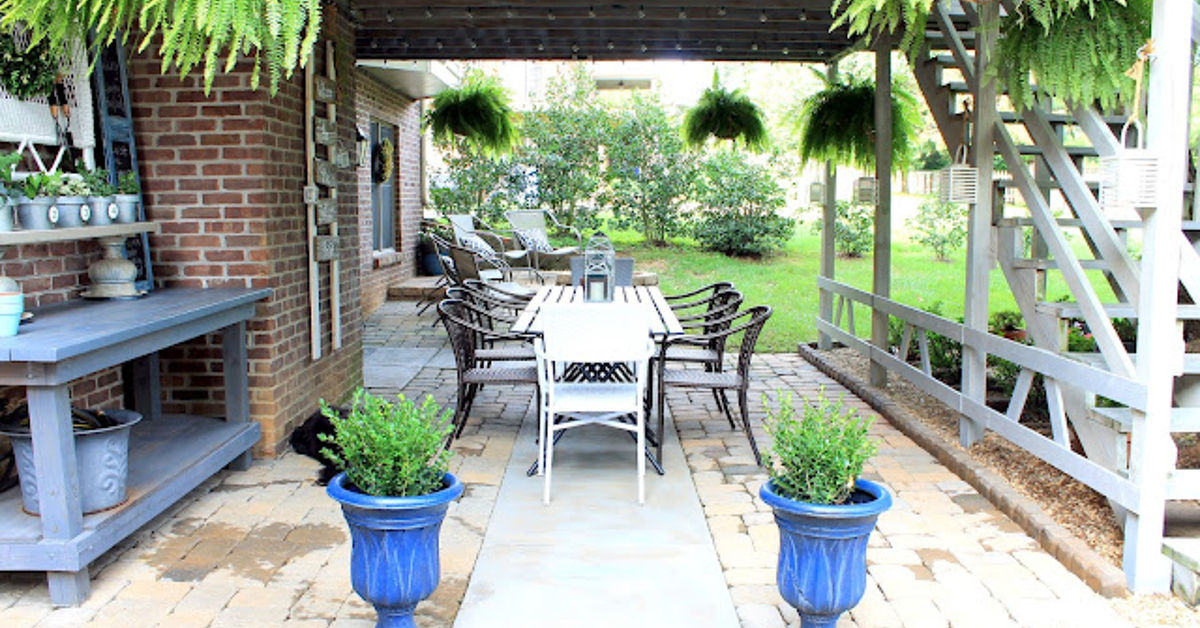
A covered patio dining area is what happens when your backyard decides to put on a nice shirt and become useful. It is not just a table under a roof. It is a weather-smart, mood-boosting, dinner-party-saving outdoor room where grilled chicken, iced tea, birthday cake, and “just one more cup of coffee” all feel a little more special.
For many homeowners, the covered patio has become the sweet spot between indoor comfort and outdoor freedom. You get shade when the sun is doing its best impression of a spotlight. You get protection from a light rain when the forecast lies, as it often does. You also get a natural extension of your home, turning a simple backyard into a place for family meals, weekend brunches, game-night snacks, and quiet dinners that do not involve balancing a plate on your lap.
The best covered patio dining area blends four things: smart layout, durable materials, comfortable furniture, and atmosphere. Think of it as building a dining room that happens to have fresh air, better lighting, and fewer walls. Done well, it becomes one of the most-used spaces in the home. Done poorly, it becomes a lonely table where cushions go to fade dramatically in the sun. Let’s make sure yours lands in the first category.
What Is a Covered Patio Dining Area?
A covered patio dining area is an outdoor eating space protected by some type of overhead structure. That cover might be a permanent roof extension, pergola, pavilion, awning, louvered roof, shade sail, or covered deck. The goal is simple: create a comfortable place to dine outside while reducing exposure to sun, rain, falling leaves, and the occasional bird with questionable timing.
Unlike an uncovered patio, a covered dining patio has more flexibility. You can add lighting, ceiling fans, outdoor curtains, heaters, rugs, and even an outdoor kitchen nearby. The cover gives the space definition, almost like a ceiling in an interior room. That single design move makes the patio feel intentional instead of like furniture wandered outside and got lost.
Why Covered Patio Dining Areas Are So Popular
The rise of outdoor living is not a mystery. People want more usable space without necessarily building a full room addition. A covered patio dining area can make a backyard feel bigger, more polished, and more functional. It supports everyday living, not just special occasions. Morning coffee tastes better outside. Dinner feels more relaxed. Even leftovers gain confidence when served under string lights.
They Extend Your Living Space
A covered patio creates a bridge between the home and the yard. When placed near the kitchen or family room, it becomes easy to carry food outside, refill drinks, and keep conversations flowing. This indoor-outdoor connection is one of the biggest reasons covered dining patios feel luxurious even when the design is simple.
They Improve Comfort in Different Weather
Shade matters. A roof, pergola, or retractable awning can make a hot afternoon more bearable and protect guests from direct sun. In many climates, a cover can also help keep the dining area usable during light rain. Add fans for summer, heaters for cool evenings, and curtains for wind control, and suddenly your patio has range. It is basically the theater kid of outdoor spaces.
They Create a Clear Entertaining Zone
A dining area under cover gives the backyard a natural destination. Guests know where to gather, plates have a real landing spot, and the host is not stuck saying, “Just sit anywhere,” while everyone hovers awkwardly near the grill. A defined covered patio dining area makes entertaining smoother and more inviting.
Best Types of Covers for a Patio Dining Area
The right cover depends on your climate, budget, style, and how often you plan to use the space. A family in Arizona may care most about shade and airflow, while a homeowner in the Pacific Northwest may prioritize rain protection. A Florida patio may need hurricane-aware planning, while a Minnesota patio has to think about snow load and seasonal storage. In other words, your patio cover should be designed for your real life, not just for a pretty photo.
Attached Roof Extension
An attached roof extension is one of the most seamless options. It connects to the home and often matches the existing roofline, siding, trim, and architectural style. This approach works beautifully when the dining area is directly outside a kitchen, breakfast nook, or living room.
The benefit is permanence and strong weather protection. The drawback is cost and complexity. Because it is connected to the house, it may require permits, structural planning, drainage coordination, and professional construction. Still, if you want the patio to feel like a true outdoor room, this is a top-tier choice.
Pergola
A pergola is a classic way to define an outdoor dining space. Traditional pergolas provide partial shade with open beams, while modern versions can include retractable canopies, polycarbonate panels, fabric covers, or adjustable louvers. A pergola is perfect if you want structure without making the patio feel closed in.
For dining areas, pergolas are especially useful because they frame the table visually. Hang pendant lights, string lights, or climbing plants, and the space instantly feels more designed. Just remember that an open pergola is better for shade than rain protection unless you add a waterproof covering.
Louvered Roof
A louvered roof is the high-tech cousin of the pergola. Its adjustable slats can open for sunlight and airflow or close for shade and rain protection. Some systems are motorized, and many can integrate lights, fans, heaters, and screens.
This option is excellent for homeowners who want year-round flexibility and a clean modern look. It is usually more expensive than a basic pergola or awning, but it gives you strong control over the outdoor dining experience. Basically, it lets your patio say, “I have settings.”
Retractable Awning
A retractable awning is a practical option for homeowners who want shade when needed and open sky when they do not. It works especially well for smaller patios, decks, and dining spots close to the house.
Awnings can reduce glare, make lunchtime more comfortable, and protect outdoor furniture from direct sun. However, they are not ideal for heavy wind or extreme weather, so they should be retracted when conditions get rough. Think of an awning as a stylish helper, not a superhero cape.
Pavilion or Freestanding Patio Cover
A pavilion is a freestanding covered structure, often built with a solid roof. It is a great choice for larger yards where the dining area is set away from the house, perhaps near a pool, garden, fire feature, or outdoor kitchen.
Pavilions can feel resort-like when designed well. They also allow more freedom in placement. The tradeoff is that you may need to plan utilities, lighting, pathways, and furniture storage more carefully because the structure is not directly attached to the home.
How to Plan the Layout
A beautiful covered patio dining area starts with a smart floor plan. Before buying furniture, measure the space. Then measure it again, because patio furniture has a funny way of looking smaller online and enormous in your backyard.
Allow Enough Room Around the Table
Dining areas need circulation. Leave enough space for chairs to slide out comfortably and for guests to walk behind seated diners. A cramped patio makes everyone perform a small obstacle course with a plate of ribs, and nobody wins that game.
For a compact patio, a round table may work better than a rectangular one because it improves flow. For larger families or frequent entertaining, a long rectangular table creates a classic gathering feel. Built-in benches can save space along walls or railings, while stackable or folding chairs add flexibility.
Keep It Close to the Kitchen
If possible, place the covered dining area near the kitchen or an outdoor cooking zone. The shorter the distance between food prep and table, the happier the host. Nobody wants to carry a tray of burgers across a yard while pretending the dog is not interested.
If the patio is farther from the house, consider adding a serving cart, outdoor buffet console, or small prep station. These pieces make dining smoother and prevent constant trips indoors.
Create Zones for Cooking, Dining, and Lounging
If your patio is large enough, separate the space into zones. The dining table should have a clear purpose, while a nearby lounge area can handle after-dinner conversation. If you have an outdoor kitchen or grill, keep enough distance between heat, smoke, and the dining table. Guests enjoy grilled food. They do not enjoy being lightly smoked like brisket.
Choosing the Right Patio Dining Furniture
Outdoor furniture needs to be comfortable, attractive, and durable. It faces sun, rain, humidity, dust, pollen, temperature swings, and occasionally a child using a chair as a spaceship. Choose materials that match your climate and maintenance tolerance.
Best Table Materials
Teak is a premium choice because it handles outdoor conditions well and develops a silvery patina over time. Aluminum is lightweight, rust-resistant, and easy to move. Powder-coated steel can be sturdy, but it needs a quality finish to resist corrosion. Concrete and stone tables are durable and dramatic, though they are heavy enough to make rearranging them feel like an Olympic event.
For a warmer look, consider wood or wood-look materials. For a modern style, metal and composite tables work well. Glass tabletops can look elegant, but they show fingerprints and may require more cleaning, especially near trees.
Comfortable Chairs Matter
A dining chair should invite people to stay. Look for supportive backs, comfortable seat depth, and cushions made with outdoor-rated fabric. If the patio is covered, cushions will last longer than they would in full exposure, but they still need protection from moisture and dirt.
For family-friendly spaces, choose wipeable materials and darker cushion colors or patterns that forgive spills. White cushions look dreamy until barbecue sauce enters the chat.
Use an Outdoor Rug to Anchor the Space
An outdoor rug can make a covered patio dining area feel finished. It defines the dining zone, adds texture, and softens hard surfaces like concrete, pavers, or tile. Choose a rug made for outdoor use, and make sure it is large enough that chairs remain on the rug when pulled out.
Lighting Ideas for a Covered Patio Dining Area
Lighting is where a patio goes from “nice place to eat” to “why does this feel like a boutique restaurant?” The best lighting plan uses layers: overhead light for visibility, accent light for mood, and task light for cooking or serving.
Pendant Lights and Chandeliers
If the structure allows it, a weather-rated pendant or outdoor chandelier above the table creates an instant focal point. Choose a fixture sized to the table and rated for damp or wet locations depending on exposure. The fixture should glow softly, not interrogate the salad.
String Lights
String lights remain popular because they are affordable, charming, and easy to install. They work beautifully along pergola beams, roof edges, fences, or posts. Warm white bulbs usually create the most flattering atmosphere for dining.
Wall Sconces and Path Lights
If the patio connects to the house, outdoor sconces can add architectural polish. Path lights help guide guests safely from the yard or driveway to the dining area. Downward-facing fixtures are often better because they reduce glare and help keep the night sky more peaceful.
Comfort Upgrades That Make the Space More Usable
A covered patio dining area should feel good at noon, sunset, and after dark. Comfort upgrades are not just fancy extras; they determine how often the space gets used.
Ceiling Fans
Outdoor-rated ceiling fans help move air, making hot days more comfortable and helping discourage flying insects from treating your dinner like a buffet. Make sure fans are rated for the location and installed with proper clearance.
Outdoor Curtains or Screens
Curtains add privacy, soften the structure, and help block low-angle sun. Screens can reduce insects and make the area feel more enclosed without eliminating the outdoor feeling. For windy areas, choose secure hardware and durable fabric.
Patio Heaters and Fire Features
In cooler climates, heaters can extend the dining season. Wall-mounted electric heaters, ceiling-mounted heaters, or freestanding units can work depending on the structure. Fire pits and fireplaces add atmosphere, but they require safe spacing, proper ventilation, and local code awareness.
Flooring Options for a Covered Dining Patio
The floor has to handle foot traffic, furniture movement, spills, weather, and cleaning. Popular choices include concrete, pavers, brick, natural stone, porcelain tile, and composite decking.
Concrete is versatile and can be stained, stamped, or polished. Pavers offer excellent design flexibility and can be repaired individually. Natural stone feels timeless but may require sealing. Porcelain tile can look sleek and resist stains, but it should be rated for outdoor use and slip resistance. Composite decking works well for raised patios and covered decks, offering a warm look with lower maintenance than some wood options.
Whatever material you choose, prioritize drainage and slip resistance. A dining patio should not become a surprise skating rink after rain.
Style Ideas for a Covered Patio Dining Area
Modern Minimalist
Use clean lines, a neutral palette, metal furniture, simple planters, and integrated lighting. A louvered roof or flat-roof structure works especially well with this style.
Modern Farmhouse
Combine a wood dining table, black metal lighting, woven chairs, white cushions, and simple greenery. Add a ceiling fan and warm string lights for a relaxed, welcoming look.
Coastal Casual
Choose light wood, white or blue cushions, woven textures, lanterns, and breezy curtains. This style feels fresh without trying too hard, which is basically the patio equivalent of good linen pants.
Rustic Retreat
Use stone flooring, exposed beams, a chunky wood table, iron lighting, and earthy textiles. Add potted herbs or climbing vines for a natural, lived-in feel.
Practical Safety and Planning Tips
Before building a covered patio dining area, check local requirements. Patio covers may need permits, especially if they attach to the house, include electrical work, exceed certain size limits, or must meet wind, snow, or fire standards. Rules vary by city and state, so local building departments matter.
For electrical features, use outdoor-rated fixtures, weather-resistant outlets, and GFCI protection where required. Extension cords should be rated for outdoor use and treated as temporary solutions, not permanent wiring. If you want ceiling fans, heaters, outlets, or built-in lighting, hire a licensed electrician. The goal is dinner ambiance, not sparks with a side salad.
Maintenance Tips for Long-Term Enjoyment
A covered patio is lower maintenance than a fully exposed space, but it is not maintenance-free. Sweep regularly, clean the dining table after meals, and store cushions during harsh weather. Inspect the roof or pergola for leaks, rust, loose fasteners, or wood damage. Clean gutters if the cover has them, and remove leaves before they become a soggy science project.
Wash outdoor rugs occasionally and let them dry fully. Seal wood furniture when needed. Touch up metal finishes if scratches appear. Trim nearby plants so they do not trap moisture against the structure. A little upkeep prevents the patio from aging like a forgotten beach chair.
Covered Patio Dining Area Ideas for Different Budgets
Budget-Friendly
Start with a simple dining set, outdoor rug, umbrella or shade sail, string lights, and potted plants. Add curtains or bamboo shades for privacy. Even without a permanent structure, you can create the feeling of a covered dining zone.
Mid-Range
Install a pergola with a retractable canopy or polycarbonate cover. Upgrade to better furniture, add wall sconces or pendant lighting, and use planters to define the space. This range often delivers the best balance of style and value.
High-End
Build a roof extension, pavilion, or motorized louvered system. Add integrated lighting, fans, heaters, outdoor kitchen features, privacy screens, and premium furniture. The result can feel like a private restaurant, minus the awkward moment when the server asks if you saved room for dessert. You did. Obviously.
Experience-Based Tips for Creating a Covered Patio Dining Area
After looking at countless outdoor dining setups, one lesson becomes clear: the best covered patio dining area is not always the most expensive one. It is the one that fits how people actually live. A huge table may look impressive, but if only two people use the patio on most nights, a smaller table with comfortable chairs may be smarter. A fancy outdoor kitchen sounds wonderful, but if the kitchen door is five steps away, a good serving cart might solve the problem for far less money.
One practical experience is to test the sun before finalizing the layout. Spend a few days watching how light moves across the patio. Morning sun may be lovely, but late-afternoon sun can turn dinner into a squinting contest. A covered patio should protect the table during the times you actually plan to use it. If dinner is your priority, check the light between 5 p.m. and 8 p.m. If weekend brunch matters more, study the morning angle.
Another helpful tip is to mock up the furniture footprint before buying anything. Use painter’s tape, cardboard, or even folding chairs to outline the table and walking paths. This quick test can prevent expensive mistakes. A patio that looks big when empty can shrink quickly once a table, chairs, grill, planters, and a cooler arrive. Outdoor spaces need breathing room.
Comfort also matters more than many homeowners expect. People will forgive a simple table if the chairs are comfortable. They will not forgive a beautiful chair that feels like punishment with armrests. Before buying a full set, sit in the chair for a few minutes. Pretend you are finishing dessert. Pretend someone is telling a long story. If the chair still feels good, it passes the test.
Lighting is another area where experience pays off. One bright overhead light can make a patio feel harsh, especially during dinner. Softer layers work better. A dimmable pendant, warm string lights, and low path lighting can make the space feel relaxed and flattering. Nobody has ever said, “Please make this dinner lighting more like a dentist’s office.”
Storage is the quiet hero of outdoor dining. A small deck box or storage bench can hold cushions, table linens, citronella candles, cleaning cloths, and extra placemats. Without storage, these items migrate indoors, disappear into random closets, or live on the table until a storm teaches everyone a lesson.
Plants can completely change the mood of a covered patio dining area. Large planters at the corners make the space feel grounded. Herbs near the dining table add fragrance and are useful for cooking. Tall grasses or evergreens can create privacy without building a wall. Just avoid plants that drop messy fruit, attract too many bees near the table, or require constant cleanup.
Finally, design for real meals, not just magazine moments. Leave space for serving dishes. Choose surfaces that clean easily. Make sure there is a place to put drinks, condiments, napkins, and a speaker. A covered patio dining area should look good, but it should also survive taco night, birthday cake, spilled lemonade, and that one uncle who insists he is “great with the grill.”
Conclusion
A covered patio dining area is one of the most rewarding ways to improve outdoor living. It adds comfort, structure, and style while making meals feel more memorable. Whether you choose a simple pergola, a retractable awning, a full roof extension, or a freestanding pavilion, the goal is the same: create a space that makes eating outside easy, comfortable, and enjoyable.
Focus on the basics first. Plan the layout carefully, choose durable furniture, add layered lighting, protect against sun and rain, and keep safety in mind. Then bring in personality with rugs, plants, curtains, table settings, and seasonal decor. The best patio dining spaces do not just look beautiful; they work beautifully. They invite people to sit down, relax, pass the bread, and stay a little longer.













