
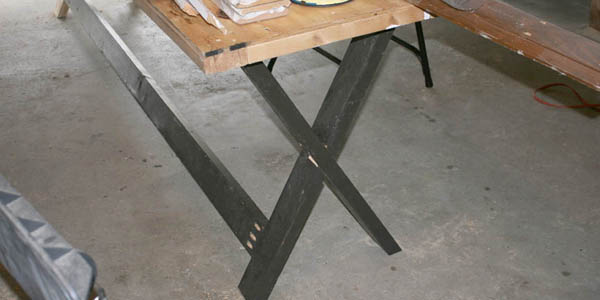
Building a table sounds simple until the wood starts acting like it has a calendar, a personality, and possibly a small legal team. One day your boards are flat and obedient. The next day, humidity shows up like an uninvited consultant and everything wants to expand, shrink, cup, twist, or generally behave like a dramatic office memo. That is why “Crafting Executive; Building a Table” is not just about cutting wood and attaching legs. It is about thinking like a leader, designing like a craftsperson, and building something that can survive meetings, coffee cups, laptops, family dinners, and that one person who always leans on the corner.
An executive table is more than furniture. It is a command center. It may become a desk, a meeting table, a creative workstation, or the place where big plans are discussed and small snacks mysteriously disappear. Whether you are making a custom executive table for an office, a refined dining table for a home, or a sturdy multipurpose table for daily use, the best results come from balancing beauty, strength, comfort, and long-term stability.
What Makes a Table Feel “Executive”?
The word “executive” often suggests size, confidence, polish, and purpose. An executive table should look intentional from across the room and feel reliable when someone actually uses it. That does not mean it must be enormous, glossy, or expensive enough to make your wallet file a complaint. It means the table should have clear proportions, solid construction, a comfortable working height, and details that feel deliberate.
A strong executive table usually includes a broad top, stable base, clean edges, and a finish that matches its environment. In a traditional office, walnut, cherry, oak, or maple can create a classic look. In a modern workspace, a lighter wood, simple rectangular form, or mixed-material base may feel more current. For a creative studio, reclaimed wood can add character, as long as it is prepared properly and not left looking like it escaped from a barn without permission.
Start With the Purpose Before You Touch the Lumber
Before building a table, decide what the table needs to do. A meeting table must allow people to sit comfortably around it. A desk-style executive table needs space for a monitor, keyboard, paperwork, lighting, and cable management. A dining table needs knee clearance, a durable food-safe finish, and enough width for plates, serving dishes, and elbows that occasionally forget boundaries.
For an office table, think about ergonomics. A typical fixed-height desk or table often lands around 28 to 30 inches high, but comfort depends on the user’s body, chair height, keyboard position, and whether the table is used for writing, typing, or meetings. If the table will serve as a computer workstation, the user should be able to sit in a balanced posture without shrugging shoulders or reaching awkwardly. In other words, the table should support work, not quietly train someone for a neck cramp championship.
Choosing Wood: Beauty Meets Behavior
Wood choice affects appearance, strength, cost, finishing, and movement. Hardwoods such as oak, maple, walnut, cherry, and ash are popular for quality tables because they offer durability and attractive grain. Walnut gives a rich executive look. Maple feels clean and contemporary. Oak is tough, visible, and proudly refuses to be ignored. Cherry darkens beautifully over time, like it has a five-year personal development plan.
The most important thing to remember is that wood moves. Solid wood expands and contracts across the grain as moisture levels change. This is normal, not a flaw. The mistake is pretending it will not happen. If a solid tabletop is locked too tightly to a base, seasonal movement can lead to cracks, failed joints, or warped surfaces. A good table design respects movement while still keeping everything secure.
Solid Wood vs. Plywood or Engineered Panels
Solid wood has depth, character, and repairability. It can be refinished, softened by touch, and made into a piece that ages with dignity. Plywood or engineered panels are more dimensionally stable and can be excellent for modern table designs, especially when paired with hardwood edging or veneer. The right choice depends on budget, tools, design goals, and the level of woodworking experience.
For a premium executive table, solid wood often wins emotionally. For a sleek office table where stability and consistency matter most, high-quality plywood with a hardwood veneer may be a smart choice. The best builders are not snobs about material; they are honest about the job the material must perform.
Designing the Tabletop
The tabletop is the star of the build. People see it, touch it, clean it, and judge the entire project by whether it sits flat and feels good. A well-made top starts with board selection. Choose boards with compatible grain, similar thickness, and moisture content suitable for indoor furniture. Arrange boards so the grain flows naturally across the surface. This step is part engineering, part art, and part staring at lumber until it confesses where it wants to go.
When gluing boards into a wider panel, the edges should meet cleanly. Clamps should apply even pressure without forcing the boards into a curve. The goal is not to squeeze the life out of the panel; it is to close the joint. Too much glue pressure can create problems, just like too much confidence in flat-pack furniture instructions.
Edge Profiles That Fit the Mood
The edge profile changes the table’s personality. A square edge feels modern and bold. A small roundover makes the table more comfortable and forgiving. A bevel can lighten the visual weight of a thick top. For an executive table, subtle edges often work best. They show craftsmanship without waving a tiny flag that says, “Look what my router can do.”
Building a Strong Base
A beautiful top on a weak base is just a future wobble with good lighting. The base must support weight, resist racking, and keep the table steady. Common options include four legs with aprons, pedestal bases, trestle bases, and metal frames. The classic leg-and-apron design remains popular because it is strong, understandable, and adaptable.
Aprons connect the legs and help prevent side-to-side movement. Mortise-and-tenon joinery is a traditional choice for strength and longevity. Pocket screws, dowels, floating tenons, and mechanical fasteners can also work when used thoughtfully. The best joint is not always the fanciest one; it is the joint that suits the design, tools, skill level, and expected use.
Leg Proportions Matter
Table legs should match the size of the top. Thin legs under a large executive table can look nervous. Overbuilt legs under a slim top can make the piece look like it skipped elegance day and went straight to powerlifting. Tapered legs are a useful trick because they create strength near the apron while making the table look lighter toward the floor.
Attaching the Top Without Starting a Fight With Nature
One of the most important parts of building a table is attaching the top to the base while allowing wood movement. Solid wood needs room to expand and contract across its width. This is why many woodworkers use tabletop fasteners, figure-eight fasteners, Z-clips, wooden buttons, or elongated screw holes. These methods hold the top down while letting it move slightly as humidity changes.
A beginner mistake is driving screws straight through an apron into a solid top and assuming strength equals success. It may feel solid at first, but the wood will still move. If it cannot move freely, it may split or warp. A smart attachment method is like a good executive decision: firm, flexible, and not overly dramatic.
Breadboard Ends: Classic Look, Serious Responsibility
Breadboard ends can make a tabletop look finished and traditional. They cover end grain and can help keep a panel visually straight, but they must be built correctly. A breadboard end should not be glued across the entire width of a solid-wood top. The center may be fixed, but the outer areas need room for seasonal movement. When done properly, breadboard ends are elegant. When done incorrectly, they are basically decorative crack generators.
For a clean executive table, breadboard ends are optional. They suit farmhouse, traditional, and craft-inspired styles especially well. For a sleek modern boardroom table, a clean uninterrupted top may look better.
Sanding and Surface Preparation
Sanding is where patience either shows up or sends a substitute. A table surface should be smooth, even, and free of glue residue before finish is applied. Start with appropriate grit for the surface condition and work progressively finer. Skipping grits can leave scratches that become painfully visible after staining. Glue spots are especially sneaky; they may look harmless until stain turns them into pale little ghosts.
Round over sharp corners slightly, even on a modern design. Tiny softened edges help the finish hold better and make the table more pleasant to touch. A table should not feel like it is trying to win an argument with your forearm.
Choosing a Finish for an Executive Table
The finish protects the table and defines its final look. Oil finishes bring out natural grain and are easy to refresh, but they may not offer the same surface protection as film-building finishes. Polyurethane offers strong resistance to moisture and wear, making it a practical choice for desks and dining tables. Lacquer can create a refined appearance but may require more controlled application. Water-based finishes dry clearer and often have lower odor than some solvent-based options.
Whatever finish you choose, test it on scrap wood from the same project. Wood species absorb stain differently, and the sample board is where surprises should happen. Surprises on the finished tabletop are less charming, especially after three weekends of work.
Ventilation and Safety
Finishing products can release fumes, so work in a well-ventilated area and follow the product label. Use appropriate protective equipment, manage dust carefully, and keep the workspace clean. Woodworking is rewarding, but it is still a shop activity with sharp tools, dust, chemicals, and noise. Respecting safety does not make the project less creative; it makes it more likely you will enjoy the next one.
Executive Details That Make the Table Stand Out
Small details can turn a good table into a memorable one. Consider cable pass-throughs for an office table, hidden channels under the top, felt pads under the legs, or a modest chamfer that catches light. If the table will be used for meetings, leave enough overhang so chairs fit comfortably. If it will be used as a writing desk, make sure the surface is smooth enough for paper and not so rustic that every signature looks like it was written during an earthquake.
Design restraint is powerful. A table does not need ten decorative features to look expensive. Clean proportions, quality material, tight joinery, and a consistent finish usually speak louder than ornament.
Common Mistakes to Avoid
The first mistake is ignoring wood movement. The second is building too heavy without considering how the table will be moved. A third mistake is choosing a finish based only on appearance rather than use. A conference table that sees coffee, laptops, and daily cleaning needs more protection than a decorative hallway table.
Another common issue is rushing the glue-up. Dry-fit the parts first. Check square. Make sure clamps are ready. Have a damp rag nearby for squeeze-out. Once glue is open, time speeds up in a way science has not fully explained. Suddenly every clamp is across the room and the dog is interested in woodworking.
Experience Section: Lessons From Building a Table With an Executive Mindset
The most valuable experience in building a table is learning that the project is not one big task. It is a chain of small decisions. Each decision either helps the next step or creates a problem that waits patiently until the worst possible moment. Choosing straighter boards makes milling easier. Milling accurately makes glue-up calmer. A calm glue-up makes flattening easier. A flat top makes finishing more satisfying. Good work compounds.
One practical lesson is to slow down during layout. When building an executive-style table, symmetry and proportion matter. A leg that is slightly misplaced may not ruin the function, but it can disturb the visual balance. Mark parts clearly. Keep reference faces consistent. Label the inside faces of legs and aprons. These tiny habits feel boring until they save you from assembling one apron backward and having a meaningful conversation with regret.
Another experience-based lesson is that wood selection should happen with the final room in mind. A dark walnut table can look powerful in a bright office, but it may feel heavy in a small room with limited natural light. White oak can look refined and warm without overpowering the space. Maple can feel clean and modern, but it may show blotchy stain if not prepared carefully. The smartest builders do not just ask, “Is this wood beautiful?” They ask, “Will this wood still look beautiful where the table will live?”
During construction, the base deserves more attention than beginners often give it. People admire the tabletop first, but they notice wobble immediately. A table that rocks slightly can make even the most expensive wood feel cheap. Dry assembly helps reveal problems before glue makes them permanent. Measuring diagonals, checking for twist, and placing the base on a known-flat surface can prevent frustration later.
Finishing also teaches humility. The first coat often reveals sanding scratches, glue marks, and tiny flaws that were invisible before. This is not failure; it is feedback. Experienced builders expect to inspect, adjust, and improve. They know a fine table is not made by never making mistakes. It is made by catching mistakes while they are still small enough to fix.
Finally, building a table teaches respect for use. A table is not a sculpture sealed away from life. It will hold coffee mugs, elbows, notebooks, laptops, plates, and ideas. An executive table may host contracts, business plans, interviews, design reviews, family budgets, or late-night projects. The best table is not merely impressive on delivery day. It remains useful, stable, and good-looking after years of real life. That is the quiet victory of craftsmanship: building something that does its job so well people stop noticing the effort and simply enjoy the result.
Conclusion
Crafting an executive table is a blend of design thinking, woodworking discipline, and practical problem-solving. The project begins with purpose, grows through smart material selection, depends on strong joinery, and succeeds when the builder respects wood movement. A table does not need to be complicated to feel impressive. It needs to be proportioned well, built honestly, finished carefully, and designed for the people who will use it.
Whether you are building a custom office table, a refined home desk, or a statement meeting table, the goal is the same: create a piece that looks confident, works comfortably, and lasts longer than the trends around it. Do that, and your table will not just hold objects. It will hold decisions, conversations, meals, projects, and maybe one suspiciously permanent coffee ring that becomes part of the family history.
Note: This article is written for general educational and publishing purposes. For any hands-on woodworking project, follow tool manuals, use proper safety equipment, work in a ventilated area, and seek qualified supervision when needed.














