
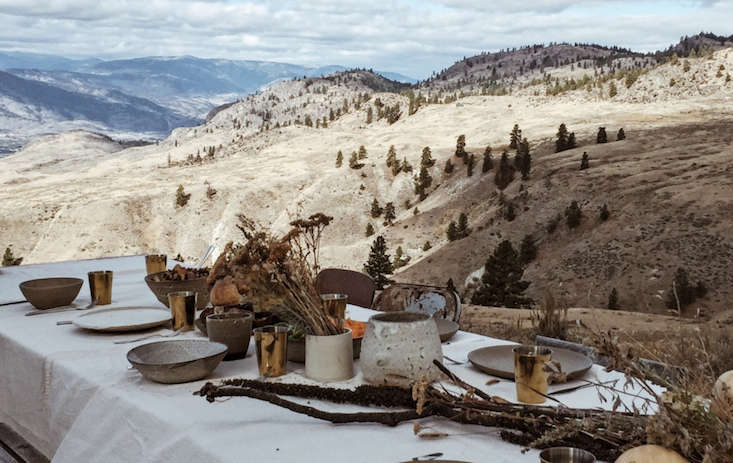
Some furniture whispers. Some furniture politely clears its throat. And then there is the harvest table, which walks into a room wearing boots, carrying a bowl of roasted squash, and saying, “Everyone sit down, we’re eating.” It is practical, beautiful, a little imperfect, and very good at making a house feel like somebody actually lives there.
The current obsession with the harvest table is not hard to understand. In a world of glossy surfaces, tiny apartments, remote work, delivery dinners, and phones that have somehow become additional family members, the harvest table feels gloriously human. It is a dining table, yes, but also a homework station, a flower-arranging bench, a laptop landing pad, a holiday command center, and the place where someone will inevitably put their keys even though there is a basket right by the door.
Whether your style leans modern farmhouse, rustic dining room, European country, vintage American, or “I bought this table and now I must learn how to host soup night,” the harvest table brings warmth without trying too hard. That is its superpower. It looks best when it is used, layered, and loved.
What Is a Harvest Table, Really?
A harvest table is traditionally a long, sturdy wooden table built for gathering. Historically, these tables were simple and hardworking, made for rural homes where eating, preparing food, sorting produce, mending, talking, and planning all happened in the same central space. Unlike formal dining tables that sometimes look as if they are waiting for a butler to approve the seating chart, harvest tables are comfortable with crumbs.
The classic version is usually rectangular, made from solid wood, and designed with clean lines, turned legs, trestle bases, or straightforward aprons. Some are rustic and knotty; others are smooth, pale, and minimalist. The best ones have visual weight without feeling fussy. They say, “This room has a center,” but not “Please do not touch anything.”
Why the Harvest Table Is Back in the Spotlight
The harvest table fits the way people want to live now: casually, beautifully, and with room for real life. Open-plan homes need anchors. Smaller homes need furniture that works hard. Dining rooms need a reason to exist beyond Thanksgiving and that one suspiciously ambitious dinner party planned six months ago.
A harvest table solves all of that. It makes a room feel warmer. It softens modern architecture. It gives a kitchen or dining area a sense of age, even if the house was built last Tuesday. It can dress up with linen napkins and taper candles or relax with mismatched mugs, pizza boxes, and a child’s science project involving too much baking soda.
The broader modern farmhouse trend has matured, too. The look is less about signs that say “Gather” and more about actual gathering. Today’s harvest table feels collected rather than themed. It pairs reclaimed wood with sculptural lighting, handmade ceramics with modern chairs, vintage benches with clean white walls, and natural textures with unfussy comfort.
The Anatomy of a Beautiful Harvest Table
1. Wood With Character
The heart of the harvest table is wood. Oak, pine, maple, walnut, reclaimed barn wood, and mango wood all bring different personalities. Pine can feel casual and old-soul. Oak is strong and timeless. Walnut adds drama. Reclaimed wood brings instant history, complete with knots, dents, and the occasional mark that makes guests ask, “Is this antique?” You may nod mysteriously.
A perfect harvest table does not need to be flawless. In fact, perfection can work against it. A small scratch on a glossy table feels like a tragedy. A small scratch on a harvest table feels like character development.
2. A Shape That Invites Conversation
Long rectangular tables are the classic choice because they seat a crowd and create that abundant, family-style mood. For smaller spaces, an extendable harvest table is a smart compromise. A round pedestal table can also borrow the harvest spirit when it is made from warm wood and styled with natural materials.
The goal is not just seating capacity. It is connection. A harvest table should make passing bread feel normal, not like a relay race. It should leave room for elbows, serving dishes, flowers, candles, and one person who always brings an extra dessert “just in case.”
3. A Base With Presence
Turned legs feel traditional and cozy. A trestle base feels architectural and old-world. Straight legs are clean and versatile. Chunkier bases give the table a farmhouse foundation, while slimmer profiles help the style work in apartments, townhomes, and modern dining rooms.
If the tabletop is rustic, consider cleaner chairs to balance it. If the table is simple, bring in texture through seating, rugs, lighting, and table linens. The best harvest table rooms usually mix, rather than match.
How to Style a Harvest Table Without Making It Look Like a Store Display
The harvest table shines when it looks lived in. That does not mean messy. It means layered, useful, and personal. A perfectly staged table can be beautiful, but a table with a bowl of pears, a folded linen runner, a ceramic pitcher, and two slightly crooked candles is more charming. It has a pulse.
Start With Texture
Texture is the secret ingredient. Try a linen runner, woven placemats, stoneware plates, vintage silverware, cotton napkins, rattan baskets, or a nubby wool rug underneath. These details keep the table from looking flat. They also make even a simple dinner feel intentional.
Keep the Centerpiece Low
A harvest table is for conversation, and no one wants to discuss mashed potatoes through a floral arrangement the size of a shrub. Low centerpieces work best: a wooden bowl of apples, a line of small pumpkins, a tray of candles, a few bud vases, or a garland of eucalyptus, magnolia leaves, herbs, or seasonal branches.
Use Food as Decor
The easiest harvest table centerpiece is also edible. Pears, figs, grapes, squash, artichokes, pomegranates, citrus, and loaves of bread look generous and natural. They bring color without requiring a glue gun, which is always a win for society.
Mix Old and New
Pair a new harvest table with vintage chairs. Put modern black candlesticks on a rustic pine surface. Use grandmother’s serving bowl next to simple white plates. The mix keeps the room from looking like it was ordered in one click at midnight.
Harvest Table Ideas for Every Style
Modern Farmhouse
Choose a sturdy wood table with clean lines, then add black Windsor chairs, a neutral runner, matte ceramic dinnerware, and a simple iron chandelier. Keep the palette warm: cream, oatmeal, charcoal, soft brown, and muted green. The result is cozy but edited.
European Country
Go for a timeworn table with turned legs, rush-seat chairs, antique pottery, striped linens, and a loose arrangement of garden flowers. Add a bowl of lemons or pears for color. This look should feel as if a delicious stew is simmering nearby, even if dinner is actually takeout.
Rustic Minimalist
Let the wood do the talking. Use a pale oak or reclaimed table, simple benches, white walls, handmade plates, and one sculptural vase. Keep the table mostly bare between meals. The mood is calm, grounded, and quietly expensive-looking, even when it is not.
Colorful Harvest
For a more playful approach, layer burgundy napkins, mustard candles, amber glassware, patterned plates, and jewel-toned flowers. A harvest table can handle color beautifully because the wood acts as a visual anchor. Think less “theme party” and more “fall dinner with excellent lighting.”
The Harvest Table as the Heart of Hosting
The harvest table is built for the kind of hosting people actually enjoy. Not stiff entertaining. Not the type of party where the host disappears into the kitchen and returns looking like they have fought a small dragon. The harvest table encourages family-style serving, shared dishes, casual seating, and a more relaxed rhythm.
Put soup in a big pot, bread on a board, salad in a wide bowl, and dessert somewhere guests can see it. Suddenly, the table is not just furniture. It is a stage for abundance. It makes even simple food feel generous.
For Thanksgiving, Friendsgiving, Sunday supper, birthdays, book club, or a random Tuesday that needs rescuing, the harvest table gives the meal a sense of occasion without demanding perfection. Cloth napkins are lovely. Paper napkins are fine. A pie with a cracked crust is still pie. The table understands.
How to Choose the Right Harvest Table
Measure Before You Fall in Love
Romance is wonderful, but a table that blocks the refrigerator is not. Leave enough space around the table for chairs to pull out comfortably. In most dining rooms, you want at least three feet of clearance on all sides if possible. If your space is tight, consider a narrower table, bench seating, or an extendable design.
Think About Daily Use
If children, pets, laptops, crafts, or frequent meals are part of your household, choose a durable finish. A raw or waxed surface is beautiful but may require more care. A sealed wood top is easier for spills, especially if your family includes someone who treats grape juice like performance art.
Choose Seating With Flexibility
Benches are classic for harvest tables because they tuck in neatly and seat extra guests. Chairs are more comfortable for longer meals. A mix of both often works best. Try chairs on the long sides and a bench near a wall, or upholstered end chairs for a little softness.
Common Harvest Table Mistakes to Avoid
Going too rustic everywhere. A rustic table, rustic chairs, rustic chandelier, rustic floors, and rustic wall decor can make a room feel like a theme restaurant that serves biscuits in buckets. Balance the table with clean lines, modern art, or simple lighting.
Choosing the wrong scale. A tiny table in a large room looks lonely. An enormous table in a small room looks like it moved in and took over the lease. Scale matters.
Overdecorating the surface. A harvest table does not need sixteen pumpkins, twelve candles, and a garland that attacks the gravy boat. Let the table breathe.
Forgetting comfort. Beautiful chairs are nice. Chairs people can sit in for two hours are better. The harvest table is about lingering, so give people a reason to stay.
Why This Obsession Feels So Timely
The harvest table has become popular again because it answers a very modern craving: the desire for homes that feel meaningful, not just styled. It is a reaction against disposable decor, overly precious dining rooms, and furniture that looks good online but cannot survive a casserole.
It also supports a slower, more generous way of living. You do not need a farmhouse to own one. You do not need a perfect kitchen. You do not need to grow your own tomatoes while wearing linen, although congratulations if you do. You simply need a table that invites people to gather, eat, work, talk, laugh, and occasionally argue about whether stuffing should be called dressing.
Experiences From the Harvest Table: Why It Works in Real Life
The first thing you notice about living with a harvest table is that people use it before they admire it. That is a compliment. A marble-topped showpiece may get a dramatic “wow,” but a harvest table gets elbows, coffee cups, grocery bags, and someone asking where the butter is. It becomes useful immediately, which is exactly the point.
One of the best harvest table experiences is the unplanned meal. You start with nothing impressive: a loaf of bread, a wedge of cheese, a bowl of soup, maybe roasted vegetables from the oven. Then you place everything in the middle of the table, add a few napkins, light two candles, and suddenly dinner feels like an event. Not a fussy event. A real one. The kind where people reach across the table, pour more water, split the last roll, and forget to check their phones for a while.
The harvest table also changes the way a room behaves between meals. It becomes the place where flowers are trimmed, birthday gifts are wrapped, recipes are opened, and holiday plans are negotiated with the seriousness of international diplomacy. During fall, it might hold pumpkins and a bowl of apples. In winter, it becomes a landing place for greenery, cookies, and cards. In spring, it looks good with tulips and muddy garden gloves. In summer, it handles tomatoes, lemonade, and the quiet chaos of guests coming in from the backyard.
Another experience: mismatched seating becomes a feature, not a problem. A bench, two old chairs, one modern chair, and a stool pulled from the kitchen can look intentional around a harvest table. The table is relaxed enough to make imperfection feel charming. It gives permission for the home to evolve instead of matching like a showroom set.
There is also emotional durability. A harvest table collects marks. A tiny dent from a dropped serving spoon. A faint ring from a glass someone forgot to place on a coaster. A scratch from an enthusiastic craft project. Instead of ruining the table, these marks become part of its biography. The table starts to remember things for you.
Perhaps that is why the harvest table obsession lasts. It is not only about design. It is about atmosphere. It helps create the kind of home where people can sit down without feeling staged, eat without feeling rushed, and stay a little longer than they planned. In the end, the harvest table is not current because it is trendy. It is current because gathering never goes out of style.
Conclusion: The Table That Makes a Home Feel Full
The harvest table remains one of the most compelling pieces in home design because it balances beauty with usefulness. It can be rustic, modern, traditional, or minimalist. It can host holidays, weekday dinners, work sessions, and quiet morning coffee. It welcomes patina, texture, food, flowers, and people. Especially people.
In a culture that often chases the new, the harvest table reminds us that the best rooms are not just decorated. They are lived in. They hold meals, stories, seasons, and the lovely little messes that prove a home is doing its job.













