
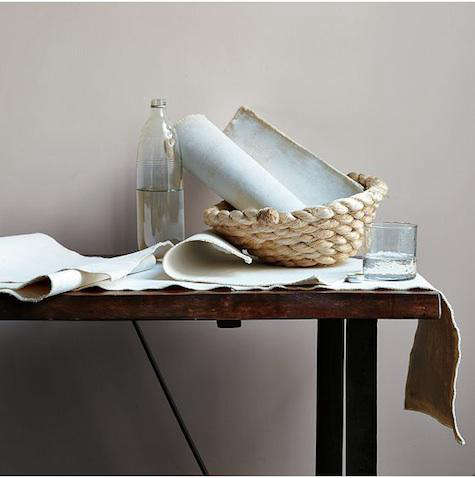
A table runner is a small strip of fabric with an oversized job description. It protects the table, creates a focal line, helps a meal look intentional, andwhen it is done wellmakes even Tuesday-night pasta feel like it was served by people who own more than one kind of olive oil. The David Stark Canvas Runner earned attention because it treated that humble job like a tiny art project: simple cotton canvas, soft white-on-white brushwork, and enough texture to make a table feel dressed without looking dressed up for a job interview.
What Is the David Stark Canvas Runner?
The David Stark Canvas Runner was a white-on-white painted cotton canvas table runner created for West Elm in collaboration with New York event designer David Stark. It belonged to a blue-and-white, Mediterranean-inspired tabletop collection and was designed to coordinate with matching canvas placemats and Brushstrokes dinnerware. At the time of its release, the runner was listed at $29 and described as wipe-clean cotton canvas.
Those details explain why the piece still feels interesting. This was not a precious embroidered heirloom intended to faint dramatically at the sight of tomato sauce. It was a practical surface made from an everyday workhorse material, then given a painterly treatment. The result sat comfortably between art-school minimalism and family-table common sense.
An archival product roundup identified the runner with a 90-inch dimension, which suggests its purpose was a long dining surface rather than a tiny decorative afterthought. Even without an original item in hand, the concept is clear: use a long, lightly painted canvas strip as the visual spine of the table.
Why This White-on-White Table Runner Still Works
It Gives Neutral Rooms Some Actual Personality
White-on-white can sound like a design decision made by someone who fears color will ask them to split the check. In practice, it can be wonderfully expressive when texture does the talking. The painted strokes on a canvas ground create quiet contrast: the eye notices movement, brush direction, and uneven areas before it notices a loud hue.
That makes the David Stark Canvas Runner especially useful in homes with oak, walnut, marble, concrete, black-painted furniture, or a table that has survived three apartments and one questionable “restoration” attempt. It does not compete with those materials. It gives them a little breathing room.
It Makes an Ordinary Material Feel Deliberate
Canvas has an honest, slightly rugged character. It recalls painter’s drop cloths, studio aprons, tote bags, and the cheerful mess of making something by hand. Stark’s wider design work often finds beauty in familiar, unexpected materials, and this runner translated that instinct to the dining table. It made a household fabric feel less formal, not less thoughtful.
It Leaves Space for the Food and the People
A busy tablecloth can be delightful, but it can also turn roasted vegetables into camouflage. A pale painted runner works differently. It creates a central lane for flowers, serving bowls, candles, or a loaf of bread that deserves an entrance. Around it, plates and glasses remain easy to see. The table feels composed, but nobody has to decode a jungle print before locating the salt.
How to Style a David Stark Canvas Runner
1. The Calm, Modern Everyday Table
Start with a bare wood table or a solid tablecloth. Run the painted canvas down the center, then add off-white dinnerware, clear glassware, and simple metal flatware. For a centerpiece, use three small bud vases instead of one tall arrangement. Keep flowers low enough that guests can see each other without conducting a game of floral hide-and-seek.
The key is variation within a narrow palette: creamy ceramic, cloudy glass, brushed steel, pale wood, and a few green stems. The runner supplies the texture; everything else can stay clean and useful. This setup is ideal for an everyday dinner, a casual lunch, or a dinner party where the host has cooked enough and does not need to construct a botanical parade as well.
2. The Blue-and-White Mediterranean Table
To echo the original collection’s inspiration, pair the runner with indigo-striped napkins, blue brushstroke plates, and clear or pale-blue drinking glasses. Add lemons, olive branches, or a bowl of artichokes in the center. The goal is not to build a movie set called Summer Somewhere Expensive. It is to create an easy, sun-washed mix of white, blue, green, and natural texture.
Use one pattern at a time. If the plates have a bold blue motif, choose solid napkins. If the napkins are striped, let the plates be plain. The runner’s subtle brushwork is flexible, but the rest of the table still needs a little editing. Style is partly knowing when to stop before the table begins applying for its own zip code.
3. The Pattern-Loving Dinner Party
David Stark’s tablescape approach is not limited to quiet rooms. A neutral runner can be the pause button that lets a bolder table breathe. Use it beneath patterned plates, colorful napkins, and mismatched vintage glassware. Repeat one or two colors across the settingperhaps cobalt and saffron, or rust and mossso the layers feel collected rather than accidentally assembled during a power outage.
Think of the runner as the outfit’s white T-shirt. It does not have to be the loudest item to make the entire combination work. A neutral base can unify a maximalist collection of tabletop pieces without sanding off their personality.
4. The Outdoor Brunch Version
Canvas is naturally suited to a relaxed outdoor table, although the original runner’s paint treatment means it should be handled with more care than a plain utility drop cloth. Use it on a picnic table or patio table with melamine or sturdy ceramic plates, stemless glasses, and weighted napkins. Keep the centerpiece compact: a small pitcher of daisies, citrus in a bowl, or a few potted herbs.
For breezy conditions, skip tall taper candles and loose paper decorations. A runner is there to make the table inviting, not to become a sail with ambitions. Place napkins under plates or in low bowls, and use a few heavier objects to keep the arrangement grounded.
Size, Proportion, and Table-Runner Placement
The most polished table runner is not necessarily the longest or widest one; it is the one that gives the table a clear center while leaving room for place settings and serving dishes. A traditional full-length runner usually extends beyond both ends of the table. Shorter runners can also work when the table surface is beautiful enough to show off or when you want the centerpiece to feel more contained.
For a rectangular table, aim for a runner that is visibly narrower than the table but wide enough to support a centerpiece or serving pieces. If you are recreating the David Stark Canvas Runner idea, a generous length is more important than a dramatic width. Long, slender brushstrokes reinforce the shape of the table and draw the eye from one end to the other.
There is also a crosswise option: lay several shorter runners across the table, one beneath each pair of place settings. This arrangement is especially useful when a long table is fully set for dinner and the center must remain accessible for shared dishes. It is less “art installation” and more “everyone can reach the potatoes,” which is a valid design goal.
Care Tips for Canvas Table Linens
Because the original David Stark Canvas Runner was listed as wipe clean, treat it as a decorative painted textile rather than a standard machine-washable cotton runner. Blot spills promptly with a soft, damp cloth. Avoid scrubbing, bleach, and aggressive stain removers, which can lift paint or create a very modern accidental ombré effect.
For a handmade canvas alternative, always test paint and cleaning methods on a scrap first. Fabric medium or textile paint is generally a safer choice for a washable project than ordinary wall paint, while a primer-and-paint effect may be better reserved for decorative use. Store the runner flat or loosely rolled in a dry place, away from direct sunlight, to help prevent hard creases and fading.
When buying a vintage or secondhand painted runner, examine the edges, paint condition, and any staining closely. A little irregularity is part of the charm; a mysterious sticky patch from an unidentified 2012 vinaigrette is not.
How to Recreate the Look with a DIY Canvas Runner
The appeal of this design is that it can inspire a credible do-it-yourself version without pretending the original is still sitting on a shelf waiting for you. Begin with lightweight cotton canvas or a clean painter’s drop cloth. Cut it to fit your table, allowing enough length for a modest overhang. Wash and dry the fabric first if you plan to make it washable, since cotton can shrink.
For a soft white-on-white effect, mix white textile paint with fabric medium and test the color on a scrap. Using a wide brush, make loose, overlapping strokes along the length of the runner. Do not aim for perfect symmetry. The beauty lies in variation: thinner marks beside heavier ones, a faint patch that fades into the canvas, and the occasional bristle line that proves a human hand was involved.
For a more graphic approach, use painter’s tape to create broad bands, then apply diluted white paint with a sponge or brush. Remove the tape carefully once the paint is dry to the touch. Heat-set the paint only if the manufacturer’s instructions call for it. Then place the runner on the table, add simple dishes, and resist the urge to “improve” it with twelve additional patterns. The runner has already done its job.
What the David Stark Canvas Runner Teaches About Good Table Design
The enduring lesson is not that every table needs an artistic white canvas runner. It is that an everyday table benefits from one clear idea. Maybe the idea is texture. Maybe it is blue and white. Maybe it is “the flowers came from the grocery store but I put them in three interesting jars.” A runner helps make that idea visible.
Good tabletop design also respects function. Guests need elbow room. Serving dishes need landing space. Candles should not wobble, and a centerpiece should not force people to communicate through interpretive eyebrow movements. A well-chosen runner creates a visual center without taking over the entire performance.
That is why the David Stark Canvas Runner remains worth discussing. Its materials were approachable, its palette was restrained, and its design invited experimentation. It was stylish without becoming preciousan increasingly rare skill, especially in a world where a bowl of decorative beads can somehow cost more than dinner.
Experiences Inspired by the David Stark Canvas Runner
A Sunday lunch that starts with the table: Imagine a long wood table, slightly scratched from real life, with a white painted canvas runner placed down the middle. Nothing else is elaborate at first: a basket of warm bread, a shallow bowl of oranges, and three jars holding clipped branches. The runner changes the temperature of the room. The table is still familiar, but it no longer feels like a landing pad for mail, keys, and yesterday’s receipts. It feels ready for people. That is the quiet thrill of a good table linen: before anyone arrives, it suggests that the day might become an occasion.
A dinner party with mismatched everything: The most useful experience with a neutral runner is discovering that it can make mismatched items look chosen. One guest brings a cobalt salad bowl. Another plate is cream with a navy rim. The napkins are striped because they were clean, and the water glasses do not quite agree on what decade they belong to. Against a white-on-white canvas base, those differences become character. The table looks layered rather than chaotic. It is a gentle reminder that entertaining does not require purchasing an entire matching universe; it requires giving the existing pieces a common place to land.
A creative project that survives imperfection: A handmade version of the David Stark Canvas Runner can be an unexpectedly forgiving first paint project. The first brushstroke may look too strong. The second may disappear. Somewhere around the fourth, the fabric starts to look less like a mistake and more like a surface with a point of view. That is the moment to stop chasing perfection. A runner benefits from movement and unevenness because a table is not viewed from six inches away under interrogation lighting. It is seen under plates, bowls, candlelight, conversation, and the occasional enthusiastic hand gesture.
A holiday table that avoids costume drama: During the holidays, a simple canvas runner gives seasonal objects a calmer stage. In fall, add pears, small pumpkins, and votives. In winter, use evergreen cuttings, tea lights in glass holders, and linen napkins. In spring, bring in tulips or flowering branches. The base does not need to change every season, which reduces both expense and the storage problem known as “the closet where table décor goes to multiply.” The runner acts as a flexible foundation, not a one-holiday costume.
An everyday reason to use the nice things: Perhaps the best experience is the least photogenic: a normal weeknight meal made a little more pleasurable. Put the runner down. Use the ceramic bowls instead of eating from the saucepan. Light one candle, not seventeen. The David Stark approach makes room for that kind of ordinary ceremony. It says a table can be artistic and useful at the same time. It can be painted, practical, a bit imperfect, and still fully prepared to hold a bowl of pasta, a pile of homework, or a conversation that lasts longer than dessert.
Final Thoughts
The David Stark Canvas Runner is a smart example of how understated design can stay memorable. Its white-on-white painted canvas look brings texture, flexibility, and a handmade edge to the table without demanding a complete decorating overhaul. Whether you are tracking down an original, styling with similar linens, or painting your own version, let the central idea stay simple: give everyday gatherings a beautiful place to happen.













