
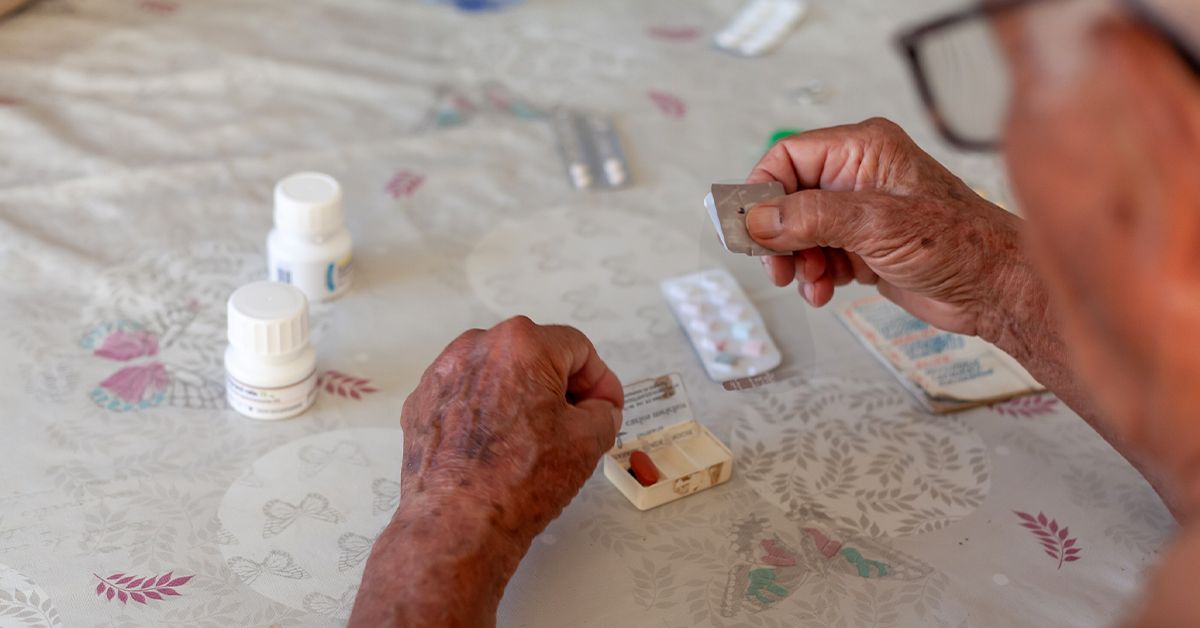
Depakote can be a very helpful medication. It can also be the kind of medicine that makes you and your doctor keep one eyebrow slightly raised during routine lab work. One reason is thrombocytopenia, a fancy word for a low platelet count. If that term sounds like it belongs in a spelling bee for hematologists, do not worry. The idea is simpler than the name: platelets are the tiny blood components that help your body form clots and stop bleeding. When the number drops too low, bruising and bleeding can become easier than anyone would like.
So, what is the connection between Depakote and thrombocytopenia? In short, Depakote can sometimes lower platelet counts, and the risk appears to increase as the dose or blood level goes up. That does not mean everyone who takes it will have this problem. It does mean the issue is real, recognized, and worth understanding before a random bruise starts looking suspiciously dramatic.
What Is Depakote, Exactly?
Depakote is the brand name for divalproex sodium, a medication in the valproate family. Doctors commonly prescribe it for seizure disorders, bipolar disorder, and migraine prevention. It has been around for years because it can work well for the right patient. The catch is that, like many effective medicines, it comes with a list of possible side effects that ranges from mildly annoying to medically important.
One of those medically important effects is its ability to affect blood counts and the body’s normal clotting process. That is where thrombocytopenia enters the chat.
What Is Thrombocytopenia?
Thrombocytopenia means you have fewer platelets than normal. Think of platelets as your bloodstream’s emergency repair crew. When a blood vessel gets nicked, they rush over, clump together, and help plug the leak. If there are not enough platelets on duty, your body may take longer to stop bleeding, and you may bruise more easily.
A normal platelet count is generally around 150,000 to 400,000 platelets per microliter of blood. Counts below that range are considered thrombocytopenia. Mild drops may cause no symptoms at all. Larger drops can lead to bruising, red or purple pinpoint spots called petechiae, nosebleeds, gum bleeding, heavy menstrual bleeding, or prolonged bleeding after a cut. In severe cases, the situation can become urgent.
So, What Is the Connection Between Depakote and Low Platelets?
The connection is not theoretical. Depakote and other valproate products are known to be associated with dose-related thrombocytopenia. In plain English, that means the medication can lower platelet counts, and the odds may go up as the dose rises or as valproate levels in the blood climb.
Researchers and drug-label data have noticed this pattern for years. Some people never have a platelet problem. Others develop a mild, temporary dip that shows up only on a complete blood count. A smaller group develops a more meaningful drop that forces a dose change, closer monitoring, or a switch to another medication.
There is also evidence that valproate can affect platelet function and other clotting-related lab values, not just the raw platelet number. That matters because someone may not only have fewer platelets, but the platelets may also be less efficient at doing their job. In other words, the body’s bandage squad may be both understaffed and having a slow day.
How Common Is It?
Different studies report different rates, partly because they use different definitions of thrombocytopenia. That said, the overall message is pretty consistent: this is a recognized adverse effect, not a rare medical ghost story.
In larger studies, thrombocytopenia has often been reported in roughly 12% to 18% of patients taking valproate. A prospective study of divalproex found that 17.7% of patients had at least one episode of thrombocytopenia after exposure. Official labeling also describes a clinical trial in which 27% of patients receiving about 50 mg per kilogram per day had at least one platelet value at or below 75,000 per microliter. Those numbers are not identical, but they all point in the same direction: platelet drops are common enough to deserve respect.
Why Does Depakote Cause Thrombocytopenia?
The exact mechanism is not fully settled, which is medicine’s polite way of saying, “We know this happens, but the complete behind-the-scenes documentary is still incomplete.” What experts do know is that valproate appears capable of lowering platelet counts and influencing clotting in more than one way.
Possible explanations include direct effects on bone marrow production, changes in platelet survival, and altered platelet function. The practical takeaway is more important than the laboratory detective work: if platelet numbers fall after someone starts Depakote or after the dose increases, the medication becomes a very reasonable suspect.
Who Is More Likely to Be Affected?
Not everyone has the same risk. Several factors appear to make valproate-related thrombocytopenia more likely.
1. Higher doses or higher blood levels
This is the big one. The risk seems to increase as valproate concentrations rise. That is why doctors sometimes order blood level testing, especially when adjusting doses, evaluating side effects, or trying to balance benefits with safety.
2. Female sex
Some studies have found that women are more likely than men to develop thrombocytopenia while taking valproate. Official prescribing information also notes higher probability thresholds in women at lower total valproate concentrations than in men.
3. Older age
Advanced age has also been identified as a risk factor in some reviews. Older adults are often more vulnerable to medication side effects in general, and platelet issues may be one more reason clinicians dose carefully and monitor closely.
4. Lower baseline platelet counts
If someone already starts with a platelet count on the low end of normal, there is less room for the number to drift downward before it becomes a real concern.
5. Other bleeding-related factors
Even when Depakote is the main issue, the overall bleeding picture may be affected by other medications, medical conditions, or surgery plans. This is one reason a full medication review matters. Aspirin, NSAIDs, anticoagulants, liver disease, and other platelet-affecting issues can turn a modest lab abnormality into a more practical problem.
What Symptoms Should You Watch For?
Some people with thrombocytopenia feel perfectly normal and find out only because of a routine blood test. Others notice clues their body is dropping like sticky notes all over the place.
Watch for:
- Easy or unexplained bruising
- Tiny red, purple, or brownish pinpoint spots on the skin called petechiae
- Nosebleeds
- Bleeding gums
- Bleeding that lasts longer than usual after a cut
- Blood in the urine or stool
- Black, tarry stools
- Vomiting blood or material that looks like coffee grounds
- Unusually heavy menstrual bleeding
If bleeding is heavy, persistent, or hard to control, that is not a “let me see how I feel tomorrow” situation. It needs urgent medical attention.
How Do Doctors Figure Out Whether Depakote Is the Cause?
Usually, the first step is simple: a complete blood count, or CBC. That tells your clinician whether your platelet count is actually low and how low it is. If the number has dropped, the next question is why.
Depakote may be the cause, but it is not the only possible cause. Viral infections, immune thrombocytopenia, liver disease, alcohol use, nutritional deficiencies, autoimmune conditions, and other medications can also lower platelets. So doctors usually look at timing, dose changes, other medicines, symptoms, and sometimes valproate blood levels.
In many cases, the timeline offers a big clue. If the platelet count was normal before starting Depakote, then drops after starting it or after a dose increase, the connection becomes more convincing. If the count improves after the dose is lowered or the medication is stopped, the case gets even stronger.
What Happens If Platelets Drop While You Are Taking Depakote?
Treatment depends on how low the platelet count is, whether there is active bleeding, and how important Depakote is for the condition being treated.
Possible next steps may include:
- Repeating the CBC to confirm the result
- Checking a valproate blood level
- Reducing the Depakote dose
- Temporarily holding the medication
- Switching to another treatment
- Evaluating for other causes of thrombocytopenia
Many patients improve after the dose is lowered or the medication is discontinued. That said, no one should stop Depakote suddenly without medical guidance unless a clinician has told them to do so. Abruptly stopping it can create other serious problems, including seizure recurrence or destabilization of mood symptoms. One medical problem should not be replaced with a sequel.
Can Thrombocytopenia Be Prevented?
There is no magic force field, but there are sensible ways to reduce risk.
Get baseline and follow-up labs
Blood counts and, in some cases, coagulation tests are commonly checked before starting therapy and again at periodic intervals. Monitoring becomes even more important if the dose increases, symptoms appear, pregnancy is involved, or surgery is planned.
Use the lowest effective dose
Because thrombocytopenia appears to be dose related, using the lowest dose that still controls symptoms is often the smartest long-game strategy.
Report bruising and bleeding early
Do not assume every new bruise is just proof that you walked into the coffee table again. Unusual bruising, petechiae, or other bleeding signs deserve a call to your clinician.
Review other medications
If you also take medicines that affect bleeding or clotting, your doctor may want to monitor you more carefully or adjust the plan.
When Should You Call the Doctor?
Call your healthcare provider promptly if you develop easy bruising, red or purple skin spots, nosebleeds, gum bleeding, blood in your urine or stool, or unusually heavy menstrual bleeding while taking Depakote.
Seek urgent care right away for severe bleeding, vomiting blood, black stools, confusion with other serious symptoms, or bleeding that will not stop with pressure. Better an unnecessary evaluation than a heroic attempt to negotiate with a nosebleed that has clearly chosen chaos.
The Bottom Line
Depakote and thrombocytopenia are connected in a way that is well documented and clinically important. Depakote can lower platelet counts, and the risk is more likely to show up at higher doses or higher blood levels. Women, older adults, and people with lower baseline platelet counts may be more vulnerable.
The good news is that this side effect is monitorable. Routine blood work, attention to symptoms, and timely dose adjustments can often catch the problem before it becomes dangerous. The even better news is that many cases improve when the medication is reduced or stopped under medical supervision.
If you take Depakote, the goal is not panic. It is awareness. Know the signs, keep up with labs, and talk to your clinician if anything seems off. Your platelets may be tiny, but they deserve a little respect.
Experiences Related to Depakote and Thrombocytopenia
The following examples are generalized, composite-style experiences based on common clinical patterns people report when dealing with Depakote and low platelets. They are not individual medical testimonials, but they can help illustrate what the issue may feel like in real life.
One common experience starts with surprise. A person feels mostly fine on Depakote. Their seizures may be better controlled, their mood may be steadier, or their migraines may finally stop treating every Tuesday like a personal challenge. Then routine lab work comes back, and the platelet count is lower than expected. The person often says some version of, “I had no idea anything was wrong.” That happens because thrombocytopenia can be silent at first.
Another common experience starts with bruising. Someone notices dark marks on their legs or arms and cannot remember bumping into anything dramatic enough to explain them. Maybe there are tiny red dots on the skin, or a nosebleed that suddenly seems longer and more annoying than usual. At first, they blame dry air, clumsiness, or bad luck. Then their clinician orders a CBC, and the lab result explains the mystery.
Many patients also describe the emotional whiplash of mixed feelings. On one hand, Depakote may be helping the condition it was prescribed for. On the other hand, seeing a low platelet count on paper can be unsettling. People often worry that they will have to stop a medication that has otherwise been working. That concern is understandable. In practice, some patients do need a dose reduction or a switch, but not every low platelet count turns into a full medication breakup.
Some experiences involve a dose change story. A person tolerates a lower dose just fine, then begins having platelet trouble after the dose is increased. Their doctor checks a valproate level, repeats the CBC, and decides the medication may still be usable, just not at that higher dose. In these cases, patients often describe relief when the platelet count improves after the dose is lowered. It can feel a bit like discovering the problem was not the whole medicine, but that the medicine had become too enthusiastic.
There are also patients whose experience is more frustrating because symptoms overlap with other issues. They may already have fatigue, dizziness, or other medication side effects, so bruising or bleeding does not immediately stand out as a separate problem. Others have more than one medication in the mix, which can make it harder to know what caused what. That is why clinicians usually look at the bigger picture instead of blaming the first suspect they see in the lineup.
For caregivers and family members, the experience is often about vigilance. They may be the first to notice unusual bruises, gum bleeding, or a change in how the person looks or feels. In pediatric or older adult settings, that outside observation can be especially important. Sometimes the patient does not recognize the signs as significant, but a spouse, parent, or caregiver does.
Perhaps the most reassuring pattern people report is recovery. When the problem is caught early and managed appropriately, platelet counts often improve after medical adjustments. That does not make the experience fun, but it does remind patients that thrombocytopenia is not automatically a catastrophe. It is a reason to act, monitor, and coordinate with a healthcare professional.













