
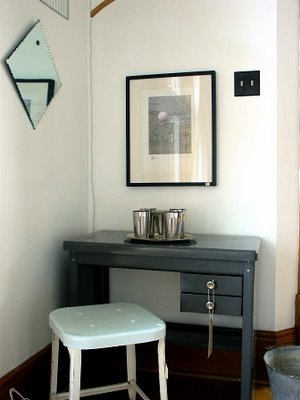
Some design details enter a room wearing a marching band uniform. Others sneak in quietly, adjust the lighting, straighten the cuffs, and make the whole place look more expensive. Black switchplates belong to the second group. They are small, flat, practical, and usually ignored until one day you notice the tired beige plastic plate by the kitchen door and think, “Ah. That tiny rectangle has been aging my wall like a bad yearbook photo.”
Black switchplates, also called black wall plates, black light switch covers, or black outlet covers, are the kind of detail that can make a room feel more intentional without requiring a construction crew, a second mortgage, or a dramatic speech about “starting fresh.” They bring contrast, polish, and a little architectural punctuation to walls. In the right setting, they look modern and crisp. In the wrong setting, they look like somebody dressed a light switch for a funeral. The trick is knowing where they shine, which finish to choose, and how to make them feel designed rather than randomly replaced at 11:30 p.m. after a home improvement spiral.
Why Black Switchplates Are Having a Design Moment
Black has always had a special job in interiors: it gives the eye somewhere to land. Designers often use black in small doses to ground a room, define edges, and sharpen a color palette. A black picture frame, black cabinet pull, black lamp base, or black door lever can make softer materials look more deliberate. Black switchplates do the same thing, only at outlet height.
The rise of matte black hardware helped make black switchplates feel less unusual. Once homeowners became comfortable with black faucets, black cabinet knobs, black light fixtures, and black-framed shower doors, the humble switchplate had a glow-up waiting in the wings. After all, if your faucet gets to be matte black and moody, why should your light switch be stuck in builder-grade white plastic purgatory?
Black switchplates work especially well because they are both functional and decorative. They cover electrical boxes, protect the wall around switches and outlets, and visually finish the installation. But unlike standard white plates, black covers announce themselves. That announcement can be elegant, graphic, industrial, vintage, or dramatic depending on the surrounding design.
What Exactly Are Black Switchplates?
A switchplate is the cover plate that sits around a light switch, outlet, dimmer, data jack, cable connection, or combination of devices. Black switchplates are simply wall plates finished in black, charcoal, graphite, onyx, satin black, matte black, gloss black, oil-rubbed black, or blackened metal tones.
They come in several common configurations:
- Toggle switch plates: designed for traditional up-and-down switches.
- Decorator or rocker plates: made for wide rectangular switches, dimmers, smart switches, and GFCI outlets.
- Duplex outlet covers: used for classic two-plug outlets.
- Combination plates: useful when one box includes different device types.
- Blank plates: used to cover unused wall boxes cleanly.
- Multi-gang plates: made for two, three, four, five, or more switches in one row.
The “gang” count refers to how many devices the wall box holds. A single switch is usually one-gang. A row of three rocker switches is three-gang. This sounds like switchplates have formed a tiny electrical street gang, but it is just industry language. Sadly, no leather jackets are included.
Matte Black vs. Gloss Black: Which Looks Better?
The finish matters more than most people expect. Matte black and gloss black may share the same color family, but they create very different moods.
Matte Black Switchplates
Matte black is the safest choice for most modern homes. It absorbs light, softens glare, and tends to look more expensive than shiny plastic. It pairs beautifully with white walls, warm neutrals, natural wood, limewash-style paint, concrete, black window frames, and modern metal fixtures. It also hides fingerprints better than glossy finishes, which is useful unless your household is made entirely of people who never touch light switches. In that case, congratulations on living with museum mannequins.
Gloss Black Switchplates
Gloss black is bolder and more reflective. It can look sharp in Art Deco rooms, lacquered interiors, glam bathrooms, polished kitchens, or spaces with high-gloss trim. The downside is that gloss finishes show dust, fingerprints, and wall imperfections more easily. Use gloss black when you want the plate to feel like a deliberate decorative accent, not when you are trying to hide flaws.
Satin and Soft Black Finishes
Satin black sits between matte and gloss. It offers a subtle sheen without becoming mirror-like. This finish is excellent for transitional homes because it can talk to both modern and traditional elements. Think of satin black as the friend who can attend a gallery opening and a backyard barbecue without changing outfits.
Where Black Switchplates Look Best
Black switchplates are not a universal magic wand, but they are surprisingly versatile. They work best when they repeat or support something else in the room.
1. White Walls with Black Accents
On crisp white walls, black switchplates create a clean, graphic contrast. This works beautifully in modern, Scandinavian, industrial, farmhouse, and minimalist spaces. To make the look feel intentional, repeat black elsewhere: door hardware, curtain rods, picture frames, lighting, stair railings, or cabinet pulls.
2. Kitchens with Black Fixtures
Kitchens are natural candidates for black wall plates. If you already have black faucets, black cabinet pulls, black pendants, dark appliances, or black-framed windows, black switchplates can tie the hardware story together. They are especially useful on kitchen islands, where outlets often sit in plain sight and need to look less like an afterthought.
3. Bathrooms with Matte Black Hardware
Bathrooms often contain repeated metal finishes: towel bars, vanity pulls, faucets, shower trim, mirror frames, and lighting. Swapping white wall plates for black ones can make a bathroom feel more finished, particularly when the switch is near a black-framed mirror or black sconce.
4. Moody Painted Rooms
Black switchplates can either blend into dark walls or add depth to richly painted rooms. On charcoal, navy, oxblood, forest green, or chocolate brown walls, a black plate can disappear just enough to avoid visual clutter. This is a smart move in powder rooms, home offices, dining rooms, and media rooms.
5. Wallpapered Spaces
Wallpaper is where switchplates get tricky. A white plastic switchplate on a gorgeous patterned wall can look like a refrigerator magnet stuck to a silk dress. Black switchplates may work if the wallpaper includes black details or dark outlines. For very busy wallpaper, matching the plate to the wallpaper or using a low-profile finish may be better.
6. Historic or Vintage-Inspired Homes
Black does not have to mean ultra-modern. Black metal switchplates, black ceramic-style plates, or blackened brass finishes can look beautiful in Craftsman, Victorian, Tudor, cottage, and traditional interiors. In older homes, a black plate with visible screws can sometimes feel more period-appropriate than a sleek screwless rectangle.
When Black Switchplates Might Not Work
Black switchplates are stylish, but they are not immune to bad decisions. In a room with no other black elements, they can look random. On pale beige walls with warm brass, cream trim, and no dark accents, black plates might feel harsh. In a child’s pastel bedroom, they may look too severe unless balanced with black furniture, art, or lighting.
They can also overcomplicate a wall that already has visual noise. If you have multiple switches, thermostats, security panels, outlets, and smart-home controls clustered together, black plates can make the whole area feel busier. In those cases, matching the plate to the wall color may be calmer.
Finally, black switchplates highlight crooked installations. A white plate on a white wall can hide a slight tilt. A black rectangle on a pale wall says, “Hello, I am leaning three degrees to the left, and I brought evidence.” Take time to level the device and plate before tightening everything.
Materials: Plastic, Metal, Wood, Ceramic, and More
Black switchplates come in several materials, and the material affects durability, cleaning, price, and style.
Plastic and Polycarbonate
Plastic and polycarbonate plates are common, affordable, and easy to find. Many modern screwless wall plates use durable molded plastic or polycarbonate. They are lightweight, washable, and available in many configurations. They are a practical choice for whole-house updates because buying thirty metal plates can make your wallet quietly file a complaint.
Metal
Black metal switchplates feel more substantial. They are ideal for industrial interiors, kitchens, mudrooms, workshops, offices, and spaces with black steel accents. Metal plates can be powder-coated, painted, hammered, stamped, or finished with a subtle texture. They often look more custom, but they may cost more and can show scratches depending on the finish.
Ceramic and Porcelain
Black ceramic switchplates can look charming in vintage, cottage, or handmade-style interiors. They bring a softer, crafted feeling than plastic or metal. Use them when you want the plate to feel decorative rather than invisible.
Wood or Composite
Black-stained wood and composite plates can add warmth, especially in rustic, farmhouse, cabin, or organic modern rooms. They work best when the texture is visible enough to feel intentional. Flat black faux wood can sometimes look like plastic trying to win an acting award.
Screwless vs. Traditional Switchplates
Screwless wall plates are popular because they hide visible screws and create a smooth, modern face. Typically, a back plate screws into the device, and the front plate snaps onto it. The result is clean and minimal. Screwless black switchplates can look especially sharp in contemporary spaces.
Traditional switchplates have visible screws. That is not a design failure. In fact, visible screws can look better in older homes, industrial rooms, rustic spaces, or interiors with vintage-inspired hardware. The key is alignment. Screw slots should face the same direction. Yes, this is the kind of tiny detail that makes design people pause in hallways. No, you do not need to apologize for caring.
If your walls are uneven, screwless plates may not sit perfectly flush. Oversized or midway plates can help cover rough drywall cuts, old paint shadows, or gaps around electrical boxes. However, oversized plates are more noticeable, especially in black, so use them strategically.
How to Choose the Right Black Switchplates
Before buying, take inventory. Count how many toggle switches, rocker switches, outlets, GFCI outlets, cable jacks, and blank covers you need. Note the gang count for each location. Check whether your switches are standard toggle style or decorator style. Smart switches, dimmers, and modern outlets often use the decorator opening.
Next, choose one finish family for the room or home. Mixing matte black, gloss black, graphite, oil-rubbed bronze, and dark bronze can look accidental. They are cousins, not identical twins. If they sit far apart, mixing may be fine. If they share the same wall, keep them consistent.
Also consider the device color. A black plate around a white switch creates a high-contrast outline. That can look cool and graphic, but it may not be what you want. A black plate with a black switch or outlet looks more seamless. If you are not replacing electrical devices, test one plate first before buying a cart full of them like a person preparing for a switchplate apocalypse.
Best Color Pairings for Black Switchplates
Black switchplates pair well with more colors than people expect. The secret is contrast and repetition.
- White walls: crisp, modern, gallery-like.
- Warm beige or greige: best when repeated with black lighting or hardware.
- Sage green: earthy and modern, especially with wood tones.
- Navy blue: tailored, classic, and slightly dramatic.
- Charcoal: subtle and monochromatic.
- Terracotta: warm and bold, especially with matte black fixtures.
- Wallpaper with black detail: cohesive and polished.
For trim, black plates look strongest when paired with white, black, natural wood, or deep painted trim. If your trim is cream, ivory, or antique white, choose matte or satin black rather than gloss black to soften the contrast.
Room-by-Room Ideas
Entryway
The entryway is the perfect test zone. Guests see it first, and it often includes door hardware, lighting, and art. A black switchplate near a black front door handle or black-framed mirror can make the whole entry feel more coordinated.
Living Room
In the living room, black switchplates work well near media consoles, dark lamps, black frames, or built-ins. If your walls are light, use them as tiny graphic accents. If your walls are dark, use them to reduce visual interruptions.
Kitchen
In the kitchen, match black switchplates with cabinet hardware, faucets, appliances, or pendant lights. For outlets on a backsplash, consider whether black will blend or contrast. On white subway tile, black plates look bold. On black, charcoal, or patterned tile, they may disappear beautifully.
Bedroom
Bedrooms call for restraint. Use black switchplates if the room already includes black lamps, bed frames, art, or curtain rods. If the bedroom is soft and romantic, black may still work, but matte black is usually kinder than glossy black.
Home Office
Black switchplates make sense in home offices with black desks, task lamps, shelving brackets, or tech equipment. They give the space a focused, streamlined look without making it feel like a server closet.
Installation Tips for a Cleaner Look
Most basic switchplate replacement is simple: turn off power if you are working near exposed wiring or replacing the device itself, remove the old plate, align the new plate, and tighten carefully. If you are only replacing the cover, you are usually not touching the electrical connections, but safety still matters. When in doubt, call a licensed electrician. Electricity is useful, but it has terrible manners when mishandled.
Do not overtighten screws. Overtightening can crack plastic plates, warp the plate, or make the switch look uneven. If using screwless plates, make sure the base plate is level before snapping on the cover. If the wall surface is uneven, gently adjust the device screws so the plate sits as flat as possible.
Clean the wall around the switch before installing the new plate. Old wall plates often leave a faint outline, paint ridge, or dust halo. A black switchplate can cover some of that, but not always. If needed, touch up paint first.
Common Mistakes to Avoid
The biggest mistake is replacing only one plate in a room where several are visible. One black switchplate can look like a sample. A consistent set looks like a decision. Another mistake is choosing black plates without considering the switches themselves. White toggles inside black covers can work, but black devices usually create a more finished appearance.
Also avoid using too many different styles. A hammered black metal plate, a screwless matte black plate, a glossy black toggle plate, and a bronze-black outlet cover in one room will not look eclectic. It will look like the clearance bin had a group project.
Finally, remember scale. Oversized black plates are useful for covering wall damage, but they are visually heavier. Use standard-size plates where the drywall is clean and save oversized plates for problem areas.
Are Black Switchplates Timeless or Trendy?
The honest answer is both. Matte black hardware has been trendy, but black itself is timeless. The staying power depends on how you use it. A black switchplate that relates to black window frames, lighting, furniture, or hardware will likely age well. A black switchplate added just because the internet said “matte black everything” may feel dated sooner.
The safest approach is to use black switchplates as part of a larger design language. When black appears at least three times in a room, the eye reads it as intentional. When it appears once, the eye reads it as “did we run out of white ones?”
Budget and Buying Advice
Black switchplates range from very inexpensive plastic covers to premium metal, ceramic, and designer versions. For a whole-house update, start with the most visible rooms: entry, kitchen, powder room, living room, and primary bedroom. You do not need to replace every outlet in the laundry closet unless your laundry closet has strong opinions about aesthetics.
Buy one or two samples first. Test them in daylight and at night. Check how the finish looks next to your wall color, trim, switch color, and nearby hardware. If you are ordering online, remember that “black,” “graphite,” “onyx,” and “dark bronze” may look different in person.
Experience Notes: What Black Switchplates Teach You After Living With Them
After you install black switchplates, you start noticing walls differently. That is the funny thing about small design upgrades: they train your eye. At first, the black plate seems like the star of the show. Then, after a few days, it settles into the room and makes everything around it feel sharper. A white wall looks whiter. A black lamp feels more connected to the architecture. A kitchen outlet suddenly looks like it belongs there instead of apologizing for existing.
In real homes, the best results usually come from restraint. The most successful black switchplate projects are not the ones where every plate screams for attention. They are the ones where the plates support a rhythm. For example, in a white kitchen with matte black cabinet pulls and a black faucet, black rocker plates can make outlets on the island feel intentional. In a hallway with black-framed art, black toggle plates can create a subtle line of continuity. In a powder room with dark floral wallpaper, a black plate can disappear into the pattern just enough to stop interrupting the wall.
One practical lesson: lighting changes everything. A matte black plate that looks soft and architectural in daylight may look more dramatic under a warm sconce at night. A gloss black plate that looks glamorous in a showroom may show fingerprints near a busy bathroom door. Before replacing an entire house, install one plate in a high-traffic location and live with it for a week. Let morning light, evening light, fingerprints, dust, and daily use vote on the decision.
Another experience-based tip is to pay attention to the switch device, not just the cover. A black plate surrounding a white switch can look fresh in some rooms, especially if the contrast is repeated elsewhere. But in many modern spaces, black-on-black looks cleaner. This is especially true for decorator-style switches and dimmers. A black rocker switch inside a matte black screwless plate has a built-in, architectural quality. It feels less like a cover and more like part of the wall system.
Older homes bring different lessons. Walls may not be perfectly flat. Electrical boxes may sit a little proud or slightly recessed. Paint may have built up around old plates. In those situations, screwless plates are not always the automatic winner. Traditional plates with visible screws can sit more forgivingly, and metal plates can add character. If the wall has texture, plaster waves, or vintage trim, a black plate with a classic profile may look better than a razor-flat modern one.
The most overlooked experience is cleaning. Black switchplates do not all age the same way. Matte and satin finishes tend to be more forgiving, while glossy plastic may show smudges. In kitchens, where hands are often damp, oily, floury, or mysteriously sticky, easy-to-wipe materials matter. In bathrooms, choose finishes that handle humidity well. In mudrooms, durability is not optional unless you enjoy replacing wall plates every time someone drops a backpack.
Finally, black switchplates can teach a broader design lesson: details do not have to be expensive to matter. A room can have nice furniture and still feel unfinished if the fixed elements look neglected. Switchplates, outlet covers, vents, hinges, knobs, and trim details are small, but they form the background music of a home. When they are coordinated, the room feels calmer. When they clash, the room may not look wrong exactly, but it feels slightly out of tune.
So yes, black switchplates are tiny. They are not a renovation. They will not knock down a wall, add a skylight, or convince your junk drawer to become emotionally stable. But they can make a room feel edited. They can turn a basic wall into a designed surface. And sometimes, that is the whole magic of interior design: noticing the small thing everyone else ignored and giving it just enough style to behave.
Conclusion: The Small Black Detail That Pulls a Room Together
Black switchplates are proof that good design does not always arrive by truck. Sometimes it comes in a small package with two screws and a surprising amount of attitude. Used thoughtfully, they add contrast, repeat black accents, modernize walls, and make everyday switches feel like part of the plan. The best black wall plates are chosen with the room in mind: matte for softness, gloss for drama, metal for character, screwless for modern simplicity, and traditional visible-screw styles for charm.
The design sleuth’s final clue is simple: do not treat switchplates as invisible. They are small, but they live on the wall, right where hands and eyes go every day. Choose them with the same care you give hardware, lighting, and trim, and your room will look more finished without shouting about it. And if anyone asks why the light switch suddenly looks chic, just nod knowingly. Great detectives never reveal all their sources.










