
“`
Some home objects whisper. Others walk into the room wearing a patterned Welsh blanket, carrying a jug of cream, and politely asking why your shelves are so beige. Melin Tregwynt pottery belongs to the second group. It is graphic, earthy, charmingly imperfect, and just rare enough to make design lovers start typing suspiciously specific search phrases at midnight.
The phrase “Melin Tregwynt pottery” can be a little misleading at first glance, because Melin Tregwynt is best known not as a pottery studio but as a historic Welsh woollen mill. Its fame comes from woven blankets, double-cloth textiles, cushions, fabrics, lampshades, bags, and other beautifully patterned pieces. Yet the brand’s design language once stepped confidently onto stoneware through collectible ceramic pieces, especially the Stone Circle Ceramics and Mondo Spots designs that have become quietly beloved among fans of Welsh craft and rustic-modern interiors.
This is where the design sleuthing begins. These ceramic jugs, bowls, and plates are not mass-market dinnerware you can casually add to cart while also buying socks and dish soap. Many pieces are discontinued, often found through resale, vintage shops, design archives, or lucky secondhand discoveries. In other words, finding one is less like shopping and more like birdwatching, except the bird is stoneware and looks fantastic with flowers in it.
What Is Melin Tregwynt?
Melin Tregwynt is a small woollen mill in Pembrokeshire, Wales, located in a wooded valley near the coast. Weaving was recorded at the site in the nineteenth century, and the modern business was founded in 1912 when Henry Griffiths bought the mill. Over time, Melin Tregwynt became known for Welsh tapestry blankets, reversible double-cloth patterns, rich colors, and a design approach that feels both traditional and surprisingly contemporary.
The name itself has texture. “Melin” means mill in Welsh, and Tregwynt refers to the place. The brand’s work is rooted in function: blankets that warm, fabrics that last, patterns that look good in a farmhouse, a city apartment, a boutique hotel, or beside a slightly judgmental cat. That functional beauty is central to understanding why its pottery appeals to collectors. The ceramics do not feel like decorative extras; they feel like extensions of a working design culture.
The Pottery Connection: From Woven Pattern to Hand-Painted Stoneware
The most intriguing pieces associated with Melin Tregwynt pottery include hand-painted stoneware from the Stone Circle Ceramics range and examples credited as ECP designs for Melin Tregwynt. The designs often feature circles, dots, and rhythmic surface patterns that echo the visual energy of woven Welsh textiles. Instead of threads crossing on a loom, you get painted marks moving across ceramic forms.
One of the best-known references is the Stone Circle Ceramic Jug, once sold in small, medium, and large sizes. Resale examples describe related pieces as hand-painted stoneware with a deliberate rustic look, often in neutral tones such as stone gray, green, brown, cream, and blue. A Mondo Spots jug, for example, brings together simple rounded forms and a playful spot pattern that feels handmade without looking fussy.
This is not glossy palace porcelain that expects you to sit up straight. It is pottery with mud on its boots and good taste in blankets. Its charm comes from the slight irregularity of the painted pattern, the weight of stoneware, and the way the design feels relaxed but considered.
Why Design Lovers Still Search for It
There are three big reasons collectors and interior design fans continue to search for Melin Tregwynt pottery.
1. It Carries a Recognizable Welsh Design Language
Welsh blankets are famous for geometry, repetition, and reversible patterns. Melin Tregwynt has built a modern identity around those qualities. When that language appears on pottery, it creates a rare crossover: textile heritage translated into ceramics. The result feels familiar to anyone who loves woven pattern, but fresh because the medium changes the mood.
2. The Pieces Are Collectible Because They Are Hard to Find
Many Stone Circle and Mondo Spots ceramic pieces are no longer in regular production. That scarcity gives them the glow of the “I found it” object. A vintage Melin Tregwynt jug on a shelf says, “Yes, I have hobbies, and one of them is being quietly victorious at secondhand shopping.”
3. They Fit the Rustic-Modern Interior Trend
Rustic-modern design is not about making your home look like a barn with Wi-Fi. It is about balancing natural materials, clean lines, handmade texture, and warmth. Melin Tregwynt pottery fits this beautifully. A spotted stoneware jug can soften a minimalist kitchen. A blue-and-white plate can wake up a neutral wall. A small bowl can hold lemons, keys, or the emotional burden of having too many beautiful objects and not enough surfaces.
Design Analysis: What Makes the Pottery Work?
The strongest Melin Tregwynt-related ceramic pieces share a few visual traits that make them useful for styling and collecting.
Simple Forms
The jugs, bowls, and plates tend to have approachable shapes. They are not trying to reinvent gravity. Their silhouettes are traditional enough to feel familiar, which gives the painted pattern room to do the talking.
Pattern With Breathing Room
The spots and circles are graphic, but not aggressive. A Mondo Spots piece has movement without visual shouting. This matters in interiors because patterned ceramics can quickly become exhausting if every inch is busy. Melin Tregwynt pottery keeps things lively but livable.
Earthy Color
Many pieces lean toward grounded tones: stone, brown, green, cream, and muted blue. These colors pair easily with wood, linen, wool, terracotta, brass, and matte black. They also look excellent against white shelves, which is helpful because white shelves have been doing a lot of heavy lifting in interiors for years.
A Handmade Feel
The appeal is not machine-perfect sameness. The hand-painted effect gives the pottery character. Small irregularities make the piece feel human. In an age when so much homeware looks like it was designed by an algorithm after drinking cold brew, that human touch is refreshing.
How to Style Melin Tregwynt Pottery at Home
If you are lucky enough to own a piece, do not hide it in a cabinet where only the soup bowls can admire it. Melin Tregwynt pottery is made for visible, everyday charm.
Use a Jug as a Vase
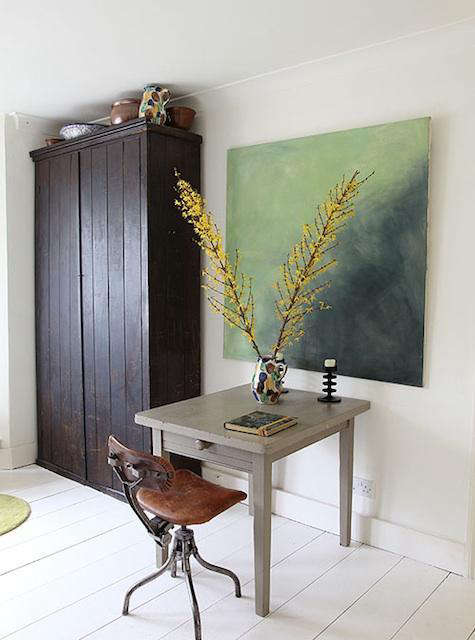
A stoneware jug with a spotted or circular pattern looks wonderful with loose flowers, garden clippings, eucalyptus, or even a few dramatic branches. The rustic pattern keeps arrangements from looking too polished. If the flowers flop a little, congratulations: you have achieved casual Welsh cottage energy.
Pair It With Textiles
Because the pottery’s appeal is linked to Melin Tregwynt’s textile heritage, try placing it near woven materials. A jug beside a wool throw, a patterned cushion, or a linen runner creates a layered look. The trick is not to match everything exactly. Let the patterns talk, but do not make them attend a committee meeting.
Create a Welsh Dresser Moment
A Welsh dresser or open kitchen shelf is an ideal home for this pottery. Mix a Melin Tregwynt-style plate with plain white dishes, wood boards, and a few vintage pieces. The patterned ceramic becomes the focal point without overwhelming the whole arrangement.
Let One Piece Be the Star
Because these ceramics can be rare, one piece is enough. You do not need a full matching set. In fact, the charm often comes from a single object that looks collected rather than coordinated. One Mondo Spots jug on a breakfast table can be more interesting than twelve identical mugs marching in formation.
Buying Guide: How to Find Melin Tregwynt Pottery
Since much of this pottery is discontinued, shopping requires patience. Search terms matter. Try combinations such as Melin Tregwynt pottery, Stone Circle Ceramics Melin Tregwynt, Mondo Spots jug, ECP Design Melin Tregwynt, Welsh pottery Melin Tregwynt, and hand painted stoneware Welsh jug.
Look at specialist Welsh gift shops, vintage homeware sellers, online marketplaces, auction platforms, and collector listings. When evaluating a piece, check the condition carefully. Stoneware is sturdy, but vintage ceramics can have chips, crazing, hairline cracks, staining, or repaired handles. Ask for clear photos of the base, rim, handle, interior, and any maker’s marks or labels.
Also confirm dimensions. A “small jug” can be charmingly tiny or unexpectedly capable of holding a full floral arrangement. Neither is bad, but your shelf may have opinions.
What to Pair With It
Melin Tregwynt pottery works best when surrounded by materials that share its honest, tactile character. Pair it with:
- Welsh wool blankets or patterned cushions
- Oak, pine, or reclaimed wood furniture
- Matte ceramic bowls in cream, blue, or gray
- Linen napkins and simple table runners
- Brass candlesticks or iron hardware
- Fresh herbs, wildflowers, or dried grasses
Avoid over-styling. These pieces look best when they appear useful. A jug with milk, water, flowers, or wooden spoons has more soul than a jug posed alone under a spotlight like it just released an album.
Why It Matters Beyond the Shelf
The appeal of Melin Tregwynt pottery is not only decorative. It points to a larger design story: the endurance of regional craft in a globalized homeware market. A pattern developed through weaving can inspire ceramic surface design. A working mill can influence not only blankets but also how people think about color, rhythm, utility, and heritage. A small stoneware jug can become a reminder that good design often travels across materials.
That cross-pollination is what makes the topic so interesting. The pottery is not famous because it is loud. It is memorable because it belongs to a broader world of Welsh craft: wool, water-powered history, local skills, pattern archives, and objects made to be used rather than merely admired.
A Design Sleuth’s Experience: Living With the Look
The first thing you notice about Melin Tregwynt pottery is that it does not behave like a precious object, even when collectors treat it like one. It has that rare quality of looking better when life happens around it. Put a spotted jug on a clean white shelf and it looks handsome. Put it on a kitchen table beside toast crumbs, a pot of tea, and a slightly chaotic bunch of flowers, and suddenly it looks like the room has acquired a personality.
That is the magic of this style. It does not demand perfection. In fact, perfection would make it nervous. The hand-painted pattern, the weight of the stoneware, and the earthy palette all suggest a home that is lived in, not staged for a silent furniture catalog where nobody owns a phone charger.
In a kitchen, a Melin Tregwynt-style jug can become part of a morning ritual. It might hold milk for coffee, water for the table, or flowers that were bought with noble intentions and trimmed with questionable skill. The shape feels practical, but the pattern gives it a little wink. It makes ordinary moments feel designed without making them feel dramatic.
In a study or reading corner, the pottery takes on a quieter role. A patterned plate propped on a shelf, a small bowl for paper clips, or a jug used as a pencil holder can warm up a workspace. This is especially effective in rooms with modern furniture. The ceramic introduces softness and history, while the graphic spots prevent the look from drifting into full grandmother’s-cupboard territory. Grandmothers have excellent cupboards, to be clear, but balance is everything.
The best experience comes from mixing the pottery with other honest materials. A wool throw nearby makes the textile connection obvious but not forced. A wooden table brings out the stoneware’s rustic quality. A linen cloth softens the scene. Add a few books, a candle, and something green, and the whole arrangement starts to feel collected over time.
There is also pleasure in the hunt. Because discontinued Melin Tregwynt pottery is not always easy to find, every discovery feels personal. You learn to scan listings carefully, compare patterns, zoom in on handles, and read descriptions like a detective who specializes in charming jugs. When you finally find a piece, it carries the story of the search with it. That is something new, mass-produced homeware rarely offers.
Living with Melin Tregwynt pottery is ultimately about appreciating objects with memory. It reminds us that useful things can be beautiful, regional design can be modern, and a small ceramic jug can do more for a room than an entire cart of trend-based accessories. It is humble, graphic, warm, and just odd enough to be interesting. In short: exactly the kind of object a good design sleuth hopes to find.
Conclusion: The Quiet Power of Patterned Welsh Pottery
Design Sleuth: Melin Tregwynt Pottery is really a story about translation. A Welsh woollen mill famous for woven pattern influenced a small but memorable world of hand-painted ceramics. The result is pottery that feels grounded, useful, collectible, and full of personality. Whether you find a Stone Circle Ceramic Jug, a Mondo Spots bowl, or an ECP-designed plate, you are not just buying a decorative object. You are bringing home a little piece of Welsh design thinking: pattern with purpose, craft with character, and utility with a very good sense of style.
For collectors, the advice is simple: be patient, check condition, learn the search terms, and do not underestimate the power of one excellent jug. For decorators, the lesson is even simpler: handmade texture and meaningful pattern can make a room feel alive. And for anyone wondering whether a small piece of pottery can carry a big design story, Melin Tregwynt has already answered with a cheerful, spotted, stoneware “yes.”













