
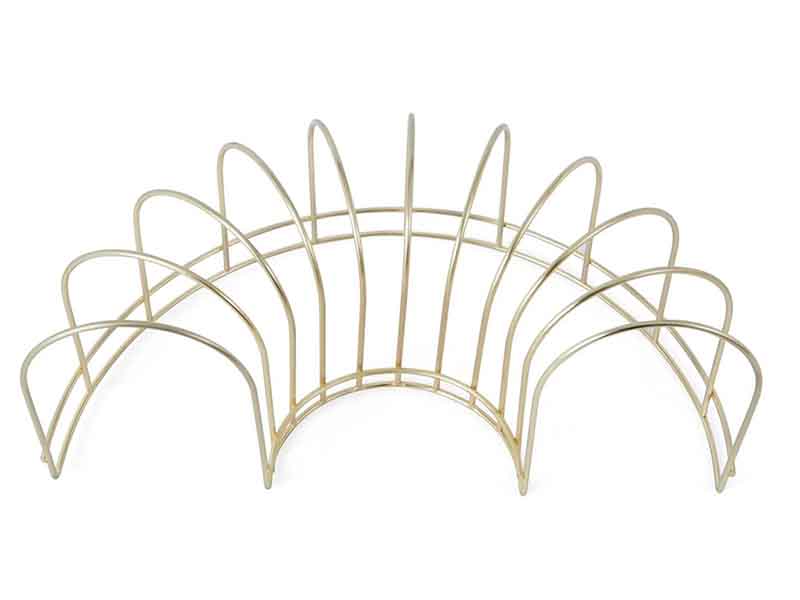
A dish drainer in brass is the kind of kitchen accessory that quietly says, “Yes, I wash dishes, but I also have taste.” It takes one of the least glamorous parts of daily lifewet plates, slippery bowls, and the suspiciously endless parade of coffee mugsand gives it a warm, polished, design-forward upgrade. Instead of a bulky plastic rack that looks like it was born in a break room, a brass dish drainer brings in color, structure, and a little countertop charm.
The phrase “Dish Drainer In Brass” is often associated with compact, decorative dish racks such as the OYOY Living Design brass-plated dish drainer, a small metal stand designed to hold plates upright while they dry. It is typically paired with a silicone dish tray or drying mat that catches runoff and protects the countertop. But the topic is bigger than one pretty rack. It touches material choice, kitchen workflow, countertop organization, cleaning habits, and the growing trend of making everyday tools attractive enough to leave out.
Because let’s be honest: in most homes, the dish rack is not a temporary guest. It lives beside the sink full-time, judging your cereal bowls.
What Is a Dish Drainer in Brass?
A dish drainer in brass is a drying rack or plate stand finished in a brass tone. Some are made from solid brass, but many modern kitchen versions are made from iron or steel with a brass-plated, gold-tone, or antique-brass finish. This matters because the care routine for brass-plated metal is gentler than the care routine for solid brass. Scrub too aggressively, and the finish may lose its shine faster than your motivation after Thanksgiving dinner.
The most recognizable brass dish drainers are compact wire-style racks with arched slots. They are designed to keep dinner plates, side plates, and sometimes lids upright so air can circulate between them. Many do not include a built-in drainboard, which is why they are often sold alongside silicone trays. The tray catches water, prevents puddles, and makes the setup more practical for modern countertops.
Common Product Features
A typical brass dish drainer may include a slim footprint, a brass-plated metal frame, vertical slots for plates, and a minimalist silhouette. Some models measure roughly 12 inches long, 6 inches wide, and 4 to 5 inches tall, making them better for small loads than giant family dinner cleanups. They are especially useful for daily dishes, delicate plates, lunchware, mugs, and items that need to air-dry after hand washing.
Unlike large stainless steel dish racks with utensil cups, wineglass holders, and rotating spouts, a brass dish drainer is usually more focused and decorative. Think of it as the espresso bar of drying racks: compact, stylish, and excellent at its job when you don’t overload it like a moving truck.
Why Brass Works So Well in Kitchen Design
Brass has become a favorite finish in American kitchens because it adds warmth without feeling too flashy. Stainless steel is practical, black metal is modern, chrome is crisp, but brass has personality. It pairs beautifully with white tile, marble, butcher block, dark green cabinets, navy paint, warm wood shelves, and matte black fixtures. A brass dish drainer can visually connect with cabinet pulls, faucets, light fixtures, or open-shelf accents.
That is why this small accessory can feel more intentional than ordinary sink-side storage. It works especially well in kitchens where every visible object matters. If you live in a small apartment, studio, or open-plan home, the dish rack is often on display from the sofa, the dining table, and possibly from the hallway where guests pretend not to notice your breakfast plate. A brass finish helps it look like part of the design, not a chore you forgot to finish.
Dish Drainer in Brass vs. Standard Dish Rack
The biggest difference between a brass dish drainer and a standard dish rack is not just appearance. It is the way the rack fits into your routine. A full-size dish rack is built for volume. It can handle plates, bowls, cups, pans, utensils, and sometimes cutting boards. A brass dish drainer, especially a compact brass-plated model, is built for curated drying. It is best for smaller loads and for kitchens where design matters as much as capacity.
Choose Brass If You Want Style and Simplicity
A brass dish drainer is ideal if you wash a few dishes at a time, already use a dishwasher for most items, or want a small rack for hand-washed pieces. It is also a smart choice for people who dislike large plastic racks taking over the counter. The slim profile makes the sink area feel cleaner and less crowded.
Choose a Larger Rack If You Need Heavy-Duty Capacity
If your household hand-washes everything, cooks multiple meals daily, or routinely creates a tower of pots that looks structurally questionable, a compact brass drainer may not be enough. In that case, consider a larger rack with a drainboard, removable utensil holder, and a sloped or directional spout. You can still use brass accents elsewhere, but your dish rack should match your workload.
How to Use a Brass Dish Drainer Properly
The best way to use a dish drainer in brass is to place it on a silicone dish tray, absorbent drying mat, or directly beside a sink with reliable drainage. Because many brass drainers are open-frame designs, water will drip straight down. Without a tray, your counter may develop puddles, mineral spots, or the kind of damp chaos that invites you to ask, “Why is everything wet?”
Load plates vertically with enough space for airflow. Avoid forcing thick stoneware plates into narrow slots if they do not fit comfortably. Overcrowding slows drying and can stress the frame. Bowls and mugs usually dry better beside the rack or on the silicone tray rather than wedged into plate slots. For utensils, use a separate cup or small caddy unless your drainer includes one.
After the dishes dry, empty the rack. This sounds obvious, but many dish racks accidentally become permanent storage. A brass drainer looks best when it is allowed to breathe between loads. Plus, regular emptying keeps moisture from sitting around the finish longer than necessary.
Material Matters: Solid Brass, Brass-Plated Metal, and Brass Finish
Not every “brass” kitchen product is made the same way. Solid brass is an alloy of copper and zinc. It is valued for its warm golden color, workability, and corrosion resistance. However, solid brass kitchen racks can be expensive and may develop patina over time. Brass-plated metal, on the other hand, usually has a thin brass-colored layer over a base metal such as iron or steel. It gives the look of brass at a more accessible price, but it requires careful cleaning to preserve the finish.
Some products labeled “brass” are actually gold-tone coated steel or iron. These can still be attractive and functional, but the coating may be vulnerable to scratches, chips, and rust if neglected. When shopping, look for words like “solid brass,” “brass-plated,” “powder-coated steel,” “iron with brass finish,” or “antique brass finish.” These terms help you understand what you are buying and how gentle you need to be with it.
Pros of a Dish Drainer in Brass
It Looks Beautiful on the Counter
The number one advantage is style. A brass dish drainer makes an everyday kitchen task feel more polished. It can turn the sink zone from “utility corner” into “tiny design moment.” For kitchens with open shelving, handmade ceramics, warm metals, or Scandinavian-inspired decor, this type of drainer blends in beautifully.
It Saves Space
Many brass dish drainers are compact. They are excellent for small kitchens, apartments, bar areas, office kitchens, guest suites, and coffee stations. If you only need to dry a few plates, a small brass rack may be more efficient than a large rack that hogs valuable prep space.
It Encourages Better Dish Habits
A smaller drainer quietly trains you not to let dishes pile up. Since it cannot hold an entire banquet, you are more likely to wash, dry, and put items away in smaller rounds. That may sound like a minor benefit, but countertop clutter often begins with one innocent plate. Then three mugs arrive. Then a pan appears. Suddenly, your sink is hosting a conference.
Cons to Consider Before Buying
It May Not Include a Tray
Some brass dish drainers are sold as the rack only. If a silicone tray or drainboard is not included, you will need to buy one separately. This is not a deal-breaker, but it affects the total cost and usability.
It May Require More Care Than Stainless Steel
Stainless steel dish racks are popular because they are durable, practical, and often designed with drainage systems. A brass-plated drainer may need gentler cleaning and faster drying. Harsh scrubbers, abrasive powders, and long soaking sessions can damage the finish.
It Is Not Always Best for Big Families
If you regularly dry large loads, choose a bigger rack or use the brass drainer as a secondary rack for plates, lids, or decorative items. It is charming, but charm alone will not hold a Dutch oven.
How to Clean and Care for a Brass Dish Drainer
Good care keeps a brass dish drainer looking fresh and prevents moisture problems. Start with mild dish soap, warm water, and a soft cloth or sponge. Wipe the rack regularly, rinse gently, and dry it completely. Drying is the magic step. Leaving water on brass-plated surfaces can encourage spotting, dullness, or corrosion on exposed base metal if the finish becomes scratched.
Avoid steel wool, harsh abrasive pads, bleach, ammonia-heavy cleaners, and acidic soaking. Solid brass can sometimes tolerate special brass polishes, but brass-plated kitchen accessories need a lighter touch. If you are not sure whether your drainer is solid brass or plated, treat it as plated. In other words, be gentle. Your rack is not a grill grate; it does not need a battlefield scrub.
Simple Weekly Cleaning Routine
Once a week, remove the dishes, lift the rack, and clean the tray underneath. Wash away soap residue, mineral deposits, and any food particles. Let both the rack and tray dry fully before reassembling. If you use a silicone mat, rinse it thoroughly and allow it to air-dry so moisture does not remain trapped underneath.
What to Look for When Shopping
Before buying a dish drainer in brass, measure your counter space. The prettiest rack in the world is less delightful if it blocks the faucet or forces your cutting board into exile. Check the length, width, and height, then compare those measurements with the area beside your sink.
Also think about plate thickness. Minimalist racks often have narrow slots, which work well for slim dinnerware but may not suit chunky handmade stoneware. If you own modern coupe plates, oversized pasta bowls, or heavy ceramic dishes, check spacing carefully. Look for a stable base, smooth finish, and protective feet if available.
Finally, decide whether you need a tray. A brass drainer without a drip tray is only half the system. A silicone tray gives the rack a landing zone, protects stone counters from standing water, and makes cleanup easier.
Best Kitchen Styles for a Brass Dish Drainer
A brass dish drainer works beautifully in Scandinavian, modern farmhouse, cottage, transitional, and minimalist kitchens. In a Scandinavian kitchen, it adds warmth to pale woods and clean white surfaces. In a farmhouse kitchen, it pairs with handmade pottery, linen towels, and butcher block. In a modern kitchen, it softens hard surfaces like quartz, steel, and tile.
It is also a clever accent in rental kitchens. You may not be able to replace the faucet, cabinets, or tile, but you can upgrade visible accessories. A brass drainer, matching soap pump, warm-toned towel bar, or small brass tray can make a basic sink area feel more intentional without calling a contractor or upsetting your landlord.
Is a Brass Dish Drainer Worth It?
A brass dish drainer is worth it if you value design, have moderate drying needs, and are willing to clean it properly. It is not the most industrial option, and it is not always the largest. But it offers something many dish racks do not: visual pleasure. That matters in a kitchen because the tools you see every day influence how the space feels.
If your kitchen is compact, curated, or open to the living area, a brass dish drainer can be a surprisingly satisfying upgrade. It makes the sink area look less utilitarian and more styled. It also pairs well with silicone trays, ceramic soap dishes, wooden brushes, and linen towels. Suddenly, washing one plate feels less like a punishment and more like a tiny scene from a design magazine. Almost. Let’s not get carried away.
of Real-Life Experience: Living With a Dish Drainer in Brass
In everyday kitchen life, a dish drainer in brass feels most successful when it is treated as a small, elegant station rather than a giant catch-all. The best experience comes from using it for the dishes that naturally appear between dishwasher cycles: breakfast plates, coffee mugs, snack bowls, water glasses, a paring knife, or the spoon used to stir peanut butter directly from the jar. No judgment. We have all been there emotionally.
The first thing people usually notice is how much the brass finish changes the mood of the sink area. A plastic rack can make the counter feel temporary, like someone is halfway through moving in. A brass drainer looks more intentional. Even when it holds a few wet plates, it still has a decorative quality. It catches light nicely, especially near a window, and the warm tone can make a white or gray kitchen feel less cold.
The second real-life lesson is that size discipline matters. A compact brass drainer is not designed for chaos. If you load it with too many plates, then add bowls, then balance a saucepan on top like a circus act, the whole setup becomes less useful. The best workflow is to wash in small batches and put things away once dry. That rhythm keeps the counter cleaner and prevents the rack from becoming a permanent sculpture titled “I’ll Deal With This Later.”
Another practical experience involves the tray. A silicone tray underneath makes the drainer much easier to live with. Without it, water can pool on the counter, especially if the rack is placed too far from the sink. With a tray, the drips are contained, the counter stays protected, and cleanup is faster. A tray with grooves or a slight slope is especially helpful because it keeps plates from sitting in moisture.
Cleaning habits also shape the experience. Brass-plated drainers reward gentle maintenance. A quick wipe after use, a weekly wash with mild soap, and thorough drying can make a big difference. The finish may dull if it is constantly wet or scrubbed with abrasive tools. For homes with hard water, drying the rack and tray regularly helps reduce spots and buildup. It is a small habit, but it keeps the rack looking like a design choice instead of a forgotten sink accessory.
The best part is how a brass dish drainer can make a routine task feel slightly nicer. It will not make dishes wash themselves. Sadly, science continues to disappoint us there. But it can make the cleanup zone feel calmer, prettier, and more organized. For people who enjoy thoughtful kitchen details, that small daily improvement is exactly the point.
Conclusion
A dish drainer in brass is more than a place to park wet plates. It is a compact kitchen accessory that blends function, style, and countertop organization. The best versions work well for small loads, pair beautifully with silicone trays, and add warmth to the sink area. They are especially appealing for apartment kitchens, design-conscious homes, and anyone tired of staring at a bulky plastic rack every morning.
The key is to buy with realistic expectations. Choose brass for beauty and everyday convenience, not for drying a mountain of cookware. Check the material, measure your space, use a tray, and clean it gently. Do that, and this small golden helper can make dishwashing feel a little less dulland possibly even a tiny bit glamorous. Yes, glamorous dishes. We are living boldly now.
Note: This article was created from synthesized product, material-care, kitchen-organization, and home-design information. It is written for clean web publishing without external source links or citation artifacts.













