
There are two kinds of people in this world: people who clean before guests arrive, and people who light a candle and hope for the best. If you are somewhere in the middle, welcome. DIY home cleaning hacks can save money, reduce clutter under the sink, and make your home feel fresher without turning Saturday into a full-blown archaeological dig through dust, crumbs, and mysterious sticky spots.
The best part? Many effective cleaning tricks use everyday items you may already own: white vinegar, baking soda, dish soap, microfiber cloths, lemon juice, rubbing alcohol, hydrogen peroxide, and plain warm water. The not-so-glamorous part? Not every viral cleaning hack is safe, smart, or worth your time. Mixing random products together because the internet said “watch it fizz” is not a personality trait. It is a chemistry experiment with poor supervision.
This guide breaks down practical, safe, room-by-room DIY cleaning hacks that actually make sense. You will learn how to clean faster, what ingredients work best, what not to mix, and how to build a simple routine that keeps your home from staging a rebellion.
Why DIY Home Cleaning Hacks Work
Good cleaning is less about owning 47 specialty sprays and more about understanding what you are trying to remove. Grease needs a surfactant like dish soap. Mineral buildup responds well to mild acids like vinegar or lemon juice. Odors often improve with ventilation, washing, or absorbent ingredients like baking soda. Dust behaves better when trapped by a damp cloth instead of being launched into the air like confetti.
The smartest homemade cleaning methods follow a simple order: remove clutter, dust from top to bottom, clean with soap or an appropriate cleaner, then disinfect only when needed. Cleaning and disinfecting are not the same thing. Cleaning removes dirt, grime, and many germs from surfaces. Disinfecting uses stronger products to kill germs on surfaces. In daily life, most messes need cleaning first. Disinfecting is more important after illness, raw meat prep, bathroom messes, or high-touch areas during cold and flu season.
Essential DIY Cleaning Supplies to Keep at Home
You do not need a cabinet that looks like a tiny chemical warehouse. A small, well-labeled kit can handle most household messes.
White Vinegar
White vinegar is useful for mineral deposits, soap scum, cloudy glass, and deodorizing certain surfaces. It works because it is mildly acidic. However, vinegar is not safe for every surface. Avoid using it on natural stone such as marble or granite, waxed wood, some electronics, and anything the manufacturer says should not be exposed to acids.
Baking Soda
Baking soda is mildly abrasive, which makes it helpful for sinks, tubs, stovetops, and stubborn residue. It can also help absorb odors in enclosed spaces like refrigerators, trash cans, and shoe areas. It is not a miracle deodorizer for every situation, but it is cheap, gentle, and very useful when used correctly.
Dish Soap
Dish soap is the quiet superstar of DIY cleaning. It cuts grease, lifts food residue, and works on counters, cabinet fronts, baseboards, and many washable surfaces. A few drops in warm water can outperform complicated homemade recipes that require a measuring cup, a chant, and suspicious confidence.
Microfiber Cloths
Microfiber cloths trap dust better than dry paper towels and reduce streaks on glass, mirrors, stainless steel, and countertops. Keep separate colors for the bathroom, kitchen, and general dusting so your cleaning routine does not become a bacteria exchange program.
Hydrogen Peroxide
Hydrogen peroxide can help with some stains and light brightening tasks. Store it in its original dark bottle because light weakens it over time. Never mix hydrogen peroxide with vinegar in the same container because that combination can create a harsh acid.
Rubbing Alcohol
Rubbing alcohol can help remove ink, sticker residue, and some greasy smudges from compatible surfaces. It evaporates quickly, but it is flammable, so use it away from flames, heat, and poorly ventilated areas.
Safety First: Cleaning Combos You Should Never Mix
DIY cleaning should make your home cleaner, not turn your bathroom into a science-fair disaster. The biggest safety rule is simple: do not mix bleach with anything except water unless the product label specifically says otherwise.
Never mix bleach with vinegar, ammonia, rubbing alcohol, toilet bowl cleaner, drain cleaner, or other cleaning products. These combinations can release toxic fumes. Also avoid mixing hydrogen peroxide and vinegar in the same bottle. Even natural ingredients can cause problems when combined incorrectly.
Always label homemade cleaners, store them away from children and pets, and make small batches. Homemade cleaners do not contain the same stabilizers as commercial products, so fresh is usually better. Also, never store homemade cleaners in drink bottles. Nobody needs a refreshing sip of “lemon bathroom spray.”
Kitchen Cleaning Hacks That Save Time
1. Steam-Clean the Microwave With Lemon or Vinegar
Fill a microwave-safe bowl with one cup of water and either a few tablespoons of vinegar or several lemon slices. Microwave it for three to five minutes, then let it sit with the door closed for another few minutes. The steam loosens food splatter, making it easier to wipe away. Your microwave will stop looking like spaghetti exploded in slow motion.
2. Deodorize the Garbage Disposal
Sprinkle a half cup of baking soda into the disposal, let it sit for 10 minutes, then rinse with hot water while running the disposal. For a fresher smell, grind a few small citrus peels. Avoid stuffing large peels or fibrous scraps down the disposal because your plumbing has boundaries.
3. Clean Greasy Cabinets With Dish Soap
Kitchen cabinets collect a thin film of cooking grease, dust, and the occasional fingerprint artwork. Mix warm water with a few drops of dish soap. Dip a microfiber cloth into the solution, wring it well, and wipe cabinet fronts. Follow with a clean damp cloth, then dry. This simple method is gentle and effective for many painted or sealed cabinets.
4. Freshen the Refrigerator
Remove old food first. Yes, even the container you are afraid to open. Wipe shelves with warm water and mild dish soap. For stuck-on spills, lay a warm damp cloth over the mess for a few minutes before scrubbing. Keep an open box or small bowl of baking soda in the back to help absorb odors.
5. Replace or Sanitize Sponges Often
Kitchen sponges can become germ hotels if they stay damp and full of food particles. Rinse them well, squeeze them dry, and replace them regularly. If you sanitize a sponge in the microwave, make sure it is wet and contains no metal. Better yet, use washable dishcloths or brushes that dry quickly.
Bathroom Cleaning Hacks Without the Drama
6. Use Baking Soda Paste on the Tub
For soap scum and dull tub surfaces, mix baking soda with enough water to make a paste. Spread it over problem areas, wait 10 to 15 minutes, then scrub with a non-scratch sponge. Rinse thoroughly. This gives you cleaning power without immediately reaching for the strongest product in the house.
7. Remove Hard-Water Spots With Vinegar
For faucets and showerheads with mineral buildup, soak a cloth in white vinegar and wrap it around the area for 15 to 30 minutes. Then scrub gently with an old toothbrush and rinse well. Do not use vinegar on natural stone tile or countertops, because the acid can etch the surface.
8. Keep Mirrors Streak-Free
Use a lightly damp microfiber cloth first to remove toothpaste dots and dust. Then spray glass cleaner or a vinegar-water solution onto the cloth, not directly onto the mirror. Wipe in an S-pattern and buff dry with a clean cloth. Spraying directly can let liquid seep behind the mirror and damage backing over time.
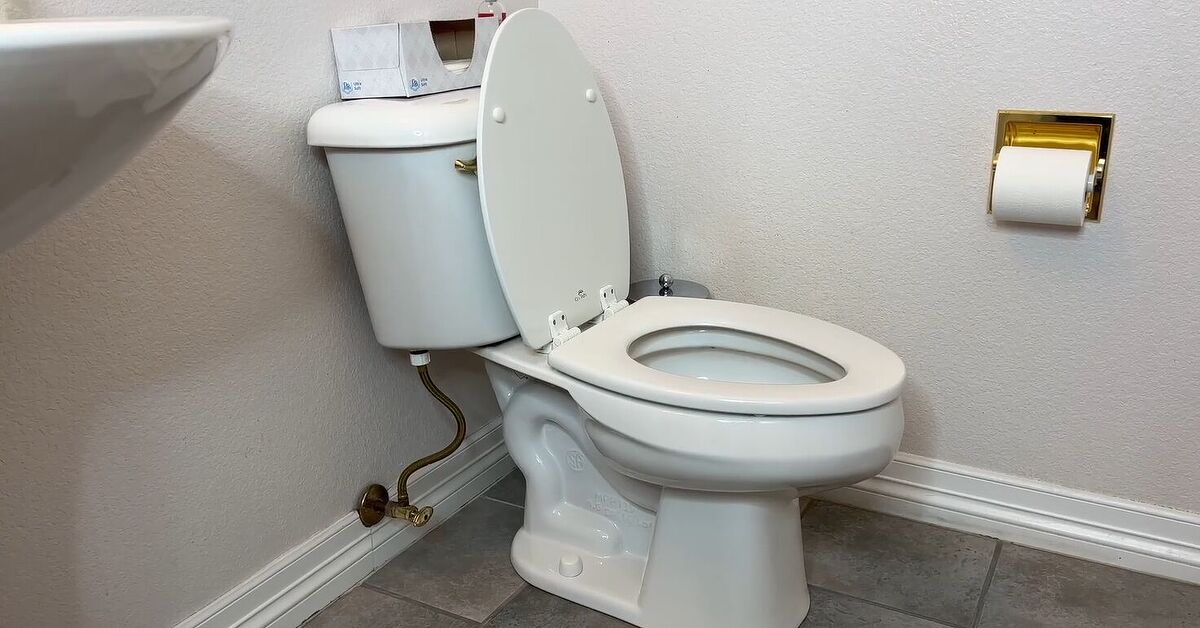
9. Make the Toilet Less Terrifying
Sprinkle baking soda into the bowl, add a small amount of vinegar, let it fizz briefly, then scrub with a toilet brush. This helps with mild buildup and odor. For true disinfection, use an appropriate disinfecting product according to label directions, especially after illness.
Living Room and Bedroom Cleaning Hacks
10. Dust Top to Bottom
Start with ceiling fans, shelves, curtain rods, and high surfaces. Then move to tables, lamps, baseboards, and floors. Dust falls downward, because gravity remains undefeated. Working top to bottom prevents you from cleaning the same surface twice.
11. Use a Damp Microfiber Cloth
Dry dusting often sends particles floating into the air, where they later resettle like they paid rent. A lightly damp microfiber cloth traps dust more effectively. For allergy-prone homes, regular damp dusting and HEPA vacuuming can help reduce dust, pet dander, and other indoor irritants.
12. Freshen Mattresses With Baking Soda
Strip the bed, sprinkle baking soda lightly over the mattress, and let it sit for several hours if possible. Vacuum thoroughly using an upholstery attachment. This helps absorb odors and freshen the surface. Wash sheets weekly, and consider hot water if allergies are a concern and the fabric care label allows it.
13. Clean Baseboards With a Sock
Put an old clean sock over your hand, dampen it slightly, and run it along baseboards. For stubborn grime, use a tiny amount of dish soap in warm water. This hack is oddly satisfying and gives lonely socks a second career.
Laundry Room Cleaning Hacks
14. Deodorize Towels the Smart Way
If towels smell musty, they may have detergent buildup or mildew from staying damp too long. Wash them with hot water if the care label allows. Use the correct amount of detergent, not half the bottle. More detergent does not mean cleaner towels; it can leave residue that traps odor.
15. Clean the Washing Machine
Run a cleaning cycle if your washer has one. If not, use a washing machine cleaner or follow the manufacturer’s instructions. Wipe the rubber gasket on front-load machines, clean the detergent drawer, and leave the door open after use so moisture can escape.
16. Remove Stains Before Heat Sets Them
Treat stains before tossing clothes into the dryer. Heat can set stains, turning a small spaghetti splash into a permanent fashion statement. Dish soap works well for grease. Cold water is better for many protein stains, such as blood. Always test delicate fabrics first.
Floor Cleaning Hacks for a Fresher Home
17. Vacuum Slowly
Fast vacuuming looks productive, but slow overlapping passes pick up more dust, crumbs, and hair. This matters especially for carpets, rugs, and homes with pets. Empty the vacuum canister or replace bags as needed, and clean filters according to the manufacturer’s instructions.
18. Mop With Less Water
More water does not mean cleaner floors. On wood and laminate, too much moisture can cause damage. Use a damp mop, not a soaking one. For many floors, warm water with a small amount of mild cleaner is enough. Always check the flooring manufacturer’s recommendations before using vinegar or homemade solutions.
19. Use Doormats Like a Cleaning Strategy
A good doormat outside and another inside can reduce tracked-in dirt. Ask family members to remove shoes at the door if possible. This one habit can cut down on sweeping, mopping, and the mysterious gritty feeling under bare feet.
DIY Cleaning Hacks for Odors
20. Find the Source First
Air freshener can cover odor, but it cannot solve a forgotten potato, damp towel, dirty trash can, or pet accident. Before adding fragrance, remove the source. Then clean the area, dry it fully, and ventilate the room.
21. Use Baking Soda in Small Spaces
Place baking soda in the refrigerator, closet corners, shoe bins, or trash-can bottoms to help absorb mild odors. Replace it regularly. For strong odors, cleaning and airflow matter more than any powder.
22. Open Windows When Weather Allows
Fresh air is one of the simplest home cleaning hacks. Ventilation helps remove stale smells, moisture, and fumes from cleaning products. Even 10 minutes can make a room feel less like yesterday’s dinner and more like a place where responsible adults live.
Common DIY Cleaning Mistakes to Avoid
The first mistake is believing every “natural” cleaner is safe for every job. Vinegar can damage stone. Baking soda can scratch delicate surfaces. Lemon juice can discolor some materials. Essential oils may smell pleasant, but they can irritate sensitive people and pets.
The second mistake is mixing too many ingredients. When a recipe includes vinegar, baking soda, dish soap, hydrogen peroxide, lemon juice, and a motivational quote, step away. Most cleaning jobs need one or two ingredients, not a potion.
The third mistake is disinfecting dirty surfaces. Disinfectants work best on surfaces that have been cleaned first. Dirt and grease can interfere with germ-killing performance. Clean first, disinfect second, and follow the product’s contact time.
The fourth mistake is using the wrong tool. A rough scrub pad may damage stainless steel, nonstick surfaces, acrylic tubs, or painted finishes. Start gentle. You can always increase cleaning power, but you cannot unscratched a countertop.
A Simple Weekly DIY Cleaning Routine
For a cleaner home without marathon cleaning sessions, divide tasks across the week. On Monday, wipe kitchen counters, clean the sink, and check the fridge for expired food. On Tuesday, dust living areas from top to bottom. On Wednesday, clean bathrooms. On Thursday, vacuum carpets and mop hard floors. On Friday, wash towels and bedding. On Saturday, tackle one rotating deep-clean task, such as windows, baseboards, oven cleaning, or decluttering a closet. On Sunday, do the bare minimum and accept applause from no one.
This routine works because it prevents mess from becoming a weekend monster. Small daily resets are easier than heroic monthly rescues. Even 15 minutes a day can change the way your home feels.
Personal Experience: What Actually Works in Real Life
After trying plenty of DIY home cleaning hacks, I have learned that the best ones are boring in the most beautiful way. They do not require glittery labels, dramatic fizzing, or a cleaning cart that looks ready for a hotel inspection. They work because they are simple, repeatable, and realistic for normal people with jobs, families, pets, hobbies, and a suspicious number of cups on the nightstand.
One of the most useful habits is keeping cleaning supplies where the mess happens. A small bathroom kit with microfiber cloths, baking soda, toilet cleaner, and a gentle spray makes it easier to clean toothpaste splatter before it hardens into bathroom cement. In the kitchen, keeping dish soap, a scrub brush, and a stack of washable cloths near the sink turns cleanup into a two-minute task instead of a psychological negotiation.
The second big lesson is that waiting is a cleaning tool. Many people spray and immediately scrub, then wonder why the mess is still clinging on like it signed a lease. Letting warm soapy water sit on greasy cabinets, letting baking soda paste rest on a tub, or letting steam soften microwave splatter can cut scrubbing time in half. Cleaning products need contact time. So does your patience. Fortunately, both can be measured in minutes.
Another real-life winner is the “one ugly basket” method. Before cleaning a room, place a basket in the center and collect everything that belongs somewhere else: toys, mail, chargers, socks, books, and the random screwdriver that appears in every home with no explanation. Once surfaces are clear, cleaning becomes faster. The room looks better immediately, which provides just enough motivation to keep going.
For pet homes, DIY cleaning needs a slightly different strategy. Baking soda can help freshen rugs before vacuuming, but pet accidents usually need an enzyme cleaner made for that purpose. Vinegar may not fully remove the odor markers pets detect, and the smell can encourage repeat visits to the same spot. The practical approach is to blot first, use the right cleaner, and avoid heat until the stain and odor are gone.
Microfiber cloths have also earned permanent VIP status. They work on mirrors, counters, appliances, shelves, and baseboards. Washing them separately without fabric softener keeps them effective. Fabric softener coats the fibers and makes them less grabby, which is rude considering grabbing dust is their entire job.
The biggest mindset shift is to stop chasing a perfectly spotless home. A clean home is not a museum. It is a place where people cook, sleep, spill coffee, shed hair, open mail, and occasionally pretend not to see crumbs. DIY home cleaning hacks are not about becoming obsessed with shine. They are about making maintenance easier, cheaper, safer, and less annoying.
When a cleaning hack saves time without damaging surfaces or risking fumes, keep it. When a hack feels complicated, unsafe, or suspiciously theatrical, skip it. The best cleaning routine is the one you will actually repeat. A little dish soap, a damp microfiber cloth, baking soda where it belongs, vinegar where it is safe, and a good top-to-bottom routine can take a home from “mild chaos” to “surprisingly together” faster than most people expect.
Conclusion
DIY home cleaning hacks can make your space cleaner, healthier, and easier to manage without overspending on specialty products. The secret is knowing which ingredients match which mess. Use dish soap for grease, baking soda for gentle scrubbing and odor control, vinegar for mineral buildup on compatible surfaces, microfiber for dust, and disinfectants only when the situation calls for them.
Most importantly, clean safely. Do not mix bleach with other products, label homemade solutions, ventilate rooms, and respect surface care instructions. A fresh home should smell like success, not like a chemistry lab calling for backup.










