
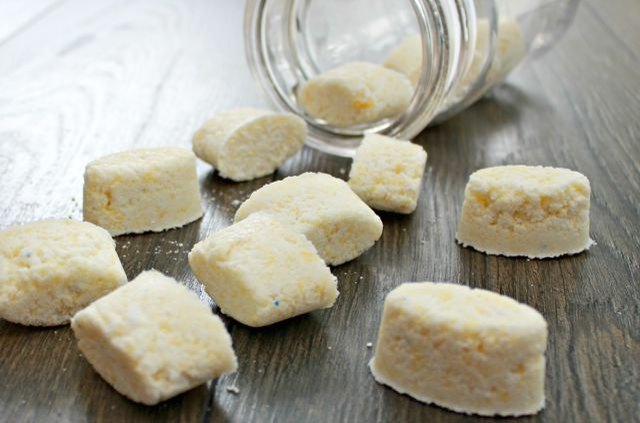
DIY laundry pods are the laundry-room equivalent of meal prep: a little mixing today, less measuring tomorrow, and fewer “Did I pour half the bottle?” moments when you are standing in front of the washer half-awake. Homemade laundry pods can be budget-friendly, customizable, and surprisingly satisfyinglike making tiny cleaning tablets that politely volunteer to handle your socks.
But let’s start with the grown-up truth hiding behind the fun: laundry pods, whether store-bought or homemade, should always be treated as cleaning products, not toys, candy, bath bombs, or “science snacks.” They should be stored in a sealed, labeled container and kept away from children, pets, and anyone who may mistake them for something edible. A cute pod is still a concentrated cleaner wearing a tiny disguise.
This guide explains how DIY laundry pods work, what ingredients to use, what to avoid, how to make them safely, and how to troubleshoot common laundry problems like residue, odors, dull whites, and pods that crumble like a dramatic cookie. You will also find practical experience-based tips at the end, because laundry advice is better when it has survived real towels, real stains, and at least one mysterious gym-shirt situation.
What Are DIY Laundry Pods?
DIY laundry pods are pre-measured homemade detergent portions made from dry laundry ingredients such as washing soda, baking soda, grated laundry soap or soap flakes, oxygen-based booster, and a small amount of liquid binder. Instead of scooping powder each time, you press the mixture into small molds, let it dry, and use one pod per normal load.
They are not exactly the same as commercial liquid laundry packets. Store-bought pods often contain concentrated surfactants, enzymes, stabilizers, fragrance systems, and dissolvable film. Homemade laundry pods are usually closer to compacted powdered detergent tablets. That difference matters because homemade pods may be gentler and simpler, but they may not perform the same way on heavy grease, body oil, athletic wear, or very hard water.
Why Make Homemade Laundry Pods?
1. You Control the Ingredients
Many people make homemade laundry detergent because they want a simpler formula. You can choose fragrance-free ingredients, skip dyes, reduce packaging waste, and avoid overly perfumed products that make your laundry smell like it fought a candle store and won.
2. Pods Make Measuring Easier
One of the biggest laundry mistakes is using too much detergent. More detergent does not always mean cleaner clothes. In fact, too much cleaner can leave residue, trap odors, and make towels feel stiff. DIY laundry pods help because each portion is already measured.
3. They Can Be Budget-Friendly
Basic ingredients such as washing soda, baking soda, and laundry bar soap can stretch across many loads. The exact savings depend on local prices, recipe size, and how much detergent your household normally uses, but homemade pods often cost less per load than premium commercial pods.
4. They Reduce Plastic Waste
When stored in a reusable jar or sealed container, DIY laundry pods can cut down on bulky plastic detergent jugs. That does not magically turn laundry day into an environmental parade, but it is a practical step.
How DIY Laundry Pods Clean Clothes
Laundry cleaning works best when several forces team up: water, detergent chemistry, wash movement, temperature, and time. In a good detergent formula, surfactants help loosen and suspend soil so it can rinse away. Builders such as washing soda help soften water and support cleaning performance. Boosters can help with odor and stains. Your washer provides the agitation, and water does the carrying-away part.
Homemade pods usually rely on soap and alkaline minerals rather than the full range of modern detergent enzymes and surfactants. That means they can work nicely for everyday laundry, lightly soiled clothing, sheets, and towels. However, for tough protein stains, heavy oil, cloth diapers, medical laundry, or performance fabrics, a commercial detergent may perform better.
Best Ingredients for DIY Laundry Pods
Washing Soda
Washing soda, also called sodium carbonate, is a classic laundry booster. It helps raise alkalinity and supports soil removal, especially when water contains minerals that interfere with cleaning. It is stronger than baking soda, so handle it carefully and avoid breathing in dust while mixing.
Baking Soda
Baking soda is milder than washing soda. It can help with odors and adds bulk to the pod mixture. Think of it as the calm roommate in the formula: not flashy, but useful.
Laundry Soap or Soap Flakes
Grated laundry bar soap or pure soap flakes provide cleaning power. Choose a plain laundry soap rather than a beauty bar full of moisturizers. Moisturizing soap belongs on skin, not inside your washing machine trying to create a residue documentary.
Oxygen-Based Booster
An oxygen-based laundry booster, often made with sodium percarbonate, can help brighten whites and handle organic stains. It is not the same as chlorine bleach. Store it dry and do not mix it with vinegar, ammonia, or random cleaners.
Salt
Some DIY recipes include a small amount of salt to help firm up the pods and support fabric freshness. It is optional, but it can improve texture.
White Vinegar: Use Carefully
White vinegar is popular in laundry routines, especially as a rinse aid, but it is not ideal inside dry laundry pods. Acidic vinegar can react with alkaline ingredients such as washing soda and weaken the formula before it ever reaches the washer. If you use vinegar, add it separately to the fabric softener compartment or rinse cycle, not directly into the pod mixture.
Essential Oils: Optional, Not Required
A few drops of essential oil can add scent, but they are not necessary for clean laundry. Use them sparingly because oils can bother sensitive skin and may leave residue if overused. For baby clothes, towels, workout clothing, or sensitive skin, fragrance-free is often the wiser choice.
Simple DIY Laundry Pods Recipe
This recipe makes compact, dry laundry pods suitable for many standard loads. Use gloves, work in a ventilated area, and label your storage container clearly.
Ingredients
- 1 cup washing soda
- 1 cup baking soda
- 1 cup finely grated laundry bar soap or soap flakes
- 1/2 cup oxygen-based laundry booster
- 2 tablespoons fine salt, optional
- 2 to 4 tablespoons water, added slowly
- 5 to 10 drops essential oil, optional
Tools
- Large mixing bowl
- Whisk or spoon
- Gloves
- Silicone mold or ice cube tray
- Airtight, labeled storage container
Instructions
- Put on gloves and make sure the area is dry and well ventilated.
- Add washing soda, baking soda, grated soap, oxygen booster, and salt to a bowl.
- Mix thoroughly, breaking up clumps with the back of a spoon.
- Add essential oil if using, then stir again.
- Add water one tablespoon at a time. Mix after each addition. The texture should resemble damp sand, not soup.
- Press the mixture firmly into a silicone mold or ice cube tray.
- Let the pods dry for 24 to 48 hours in a dry place.
- Remove the pods and store them in an airtight container with a clear label.
How to Use DIY Laundry Pods
Use one pod for a normal load. For a large or heavily soiled load, use one and a half to two pods only if your washer rinses well. Place the pod directly into the washer drum before adding clothes. This helps it dissolve properly, especially in front-load and high-efficiency machines.
For cold-water washing, dissolve the pod in a cup of warm water first, then pour the liquid into the washer drum. Homemade pods do not always dissolve as quickly as commercial pods, especially if the soap flakes are large or the pod was packed very hard.
Are DIY Laundry Pods Safe for HE Washers?
They can be used carefully, but caution is important. High-efficiency washers use less water, so excess soap can create residue and rinsing issues. If you have an HE washer, make smaller pods and test with one lightly soiled load first. Watch for excess suds, residue, or stiff fabrics. If your washer manual recommends only HE detergent, homemade soap-based pods may not be the best everyday choice.
A good rule: when in doubt, use less. Laundry is not chili; you cannot fix it by adding more of everything.
DIY Laundry Pods vs. Store-Bought Pods
Cleaning Power
Commercial pods usually win on stain-fighting technology because they may include enzymes and advanced surfactants. DIY laundry pods are better suited for routine laundry, not disaster-level stains.
Cost
DIY pods can be cheaper, especially if you buy ingredients in larger boxes and keep the recipe simple. Fancy essential oils and specialty additives can quickly turn “budget laundry” into “boutique sock spa,” so keep it practical.
Safety
Both homemade and commercial pods require careful storage. Commercial liquid packets are especially risky if children bite or squeeze them. Homemade pods are usually dry and less colorful, but they still contain concentrated cleaning ingredients and should be locked away.
Customization
DIY pods are easier to customize. You can make them fragrance-free, add oxygen booster, adjust pod size, or create a formula for your local water conditions.
Common Mistakes to Avoid
Using Too Much Soap
Soap is useful, but too much can leave buildup on fabrics and inside the washer. If clothes feel waxy, towels become less absorbent, or dark clothes look dull, reduce the soap in your next batch.
Adding Too Much Water
Pods need just enough moisture to hold their shape. Too much water makes them foam, expand, crumble, or dry unevenly. Add water slowly, as if you are negotiating with the mixture.
Making Pods Too Large
Huge pods may not dissolve well and can overdose smaller loads. Use small molds and aim for compact portions.
Mixing Random Cleaners
Do not mix bleach, ammonia, vinegar, hydrogen peroxide, or other cleaners into the pod recipe. Some combinations can release irritating or dangerous gases. Keep the formula simple and boring. In cleaning chemistry, boring is often beautiful.
Storing Pods in an Unlabeled Jar
A jar of white tablets can look like candy, dishwasher tabs, bath cubes, or something from a science fair. Label the container clearly: “Laundry Pods Do Not Eat Keep Away From Children and Pets.”
Troubleshooting Homemade Laundry Pods
Pods Crumble After Drying
The mixture may have been too dry or not packed firmly enough. Add a tiny bit more water next time and press the mixture tightly into the mold.
Pods Stay Soft
The room may be too humid, or you may have used too much liquid. Let them dry longer, move them to a drier area, or reduce water in the next batch.
Pods Leave White Residue
Residue can happen when pods do not dissolve fully, when water is cold, when the washer is overloaded, or when hard water interferes with rinsing. Try dissolving the pod in warm water before adding it, reduce pod size, or use warm water for loads that can handle it.
Clothes Still Smell Musty
Musty laundry may come from using too much detergent, leaving wet clothes in the washer, or having buildup inside the machine. Clean the washer according to the manual, use smaller loads, and move clothes to the dryer promptly.
Stains Remain After Washing
Pre-treat stains before washing. DIY pods are not magic erasers in cube form. Grease, blood, coffee, grass, and makeup often need targeted treatment before the wash cycle.
Best Laundry Loads for DIY Pods
DIY laundry pods work best for everyday clothing, pajamas, sheets, lightly used towels, cotton items, and household fabrics that are not heavily stained. They are less ideal for oily uniforms, athletic gear, delicate fabrics requiring special detergent, wool, silk, and items labeled dry-clean only.
For baby clothes or sensitive skin, skip fragrance and consider running an extra rinse. For cloth diapers, check the diaper manufacturer’s washing instructions; many recommend specific detergent types because residue can affect absorbency.
Storage and Safety Tips
- Store pods in an airtight container to prevent humidity from softening them.
- Keep the container locked or high out of reach of children and pets.
- Do not store pods in food containers.
- Do not let children help make or handle laundry pods.
- Wash hands after handling ingredients or pods.
- Keep pods dry until use.
- Call Poison Control or local emergency services if someone swallows or is exposed to concentrated detergent ingredients.
Eco-Friendly Laundry Habits to Pair With DIY Pods
The pod is only one part of a smarter laundry routine. Wash full loads when possible, but do not stuff the machine like it owes you money. Overloading prevents clothes from moving freely and rinsing well. Use cold water for many everyday loads to save energy and help preserve fabrics, but choose warm or hot water when the care label and hygiene needs require it.
Air-drying can reduce energy use and extend clothing life. Cleaning the lint filter, avoiding detergent overdose, and maintaining the washer also help. A simple laundry system often works better than a complicated shelf full of miracle bottles.
When You Should Not Use DIY Laundry Pods
Skip homemade pods if your washer manual forbids soap-based detergent, if your home has very hard water and residue problems, or if someone in your household has sensitive skin that reacts to homemade formulas. Also avoid DIY pods for specialized fabrics such as wool, silk, waterproof gear, and technical sportswear unless the garment label clearly allows it.
If laundry must be disinfected because of illness, follow public health and garment-care guidance rather than relying on a homemade pod. Cleaning and sanitizing are not the same thing, and your socks do not get to vote on microbiology.
Practical Experience: What Actually Helps When Making DIY Laundry Pods
The first thing most people learn when making DIY laundry pods is that texture matters more than ambition. The mixture should feel like damp beach sandthe kind that can hold a sandcastle, not the kind that turns into beach soup. If the mixture looks wet, you have gone too far. If it refuses to hold together, add moisture in tiny amounts. A spray bottle can help because it distributes water more evenly than pouring from a spoon.
Grating soap finely also makes a major difference. Large soap curls look charming, like laundry parmesan, but they dissolve slowly. A fine grater or food processor creates smaller flakes that blend better with the powders. If you use a food processor, clean it thoroughly afterward and do not use it for food at the same time. Laundry soap does not belong in tomorrow’s pancake batter, unless your breakfast goals are deeply confusing.
Another useful lesson is to make small test batches before committing to a giant container. Laundry conditions vary. Hard water, washer type, load size, fabric type, and water temperature all affect results. A recipe that works beautifully for one household may leave residue in another. Start with a half batch, wash a few normal loads, and check the results. Look at dark clothing for white streaks, towels for stiffness, and workout clothes for lingering odor.
Pod size is also worth testing. Smaller pods dissolve faster and give you more control. If you have a compact washer or usually wash small loads, oversized pods are unnecessary. Silicone candy molds, mini muffin trays, or small ice cube trays work well. Avoid molds that make pods look like candy, especially if children visit your home. Practical shapes are better than adorable shapes when safety is involved.
Humidity can ruin a good batch. If pods soften in storage, add a small food-safe desiccant packet outside the pods but inside the storage container, or store the container in a drier cabinet. Do not keep pods near the washer if that area gets steamy. Laundry rooms can be humid little jungles, and pods are not tropical plants.
For better performance, pre-treat stains instead of expecting the pod to do every job alone. Rub a small amount of liquid detergent or stain remover into greasy spots before washing. Soak dingy whites with an oxygen-based booster according to the product label. Separate lint-heavy towels from dark clothing. These basic habits often matter more than the detergent recipe itself.
Finally, pay attention to your washer. If clothes come out less fresh over time, the problem may not be the pod. Washers can develop buildup from detergent, fabric softener, soil, and moisture. Run a washer-cleaning cycle as recommended by the manufacturer. Leave the door or lid open after washing when safe to do so, allowing the drum to dry. A clean washer makes any detergent work better.
The best DIY laundry pod is not the fanciest one. It is the one that dissolves well, rinses cleanly, fits your washer, does not irritate skin, and makes laundry day easier. If the recipe saves money, reduces waste, and keeps your clothes fresh without turning your laundry room into a chemistry circus, congratulationsyou have won the quiet household victory known as “clean socks without drama.”
Conclusion
DIY laundry pods can be a smart, simple way to make laundry more organized and affordable. They are best for everyday loads, especially when made in small, well-measured portions and stored safely. The key is balance: enough cleaning power to handle normal soil, not so much soap that fabrics feel coated, and enough common sense to keep concentrated cleaners away from kids and pets.
For the best results, start with a small batch, use finely grated soap, keep the pods dry, and adjust based on your washer and water quality. Homemade laundry pods are not perfect for every fabric or every stain, but for routine washing, they can be a practical addition to a cleaner, calmer laundry routine.
Note: This article was written from synthesized laundry-care and safety guidance from reputable U.S. sources, including consumer product safety agencies, poison prevention resources, public health guidance, energy-efficiency resources, cleaning industry education, appliance-care guidance, and university extension materials.













