
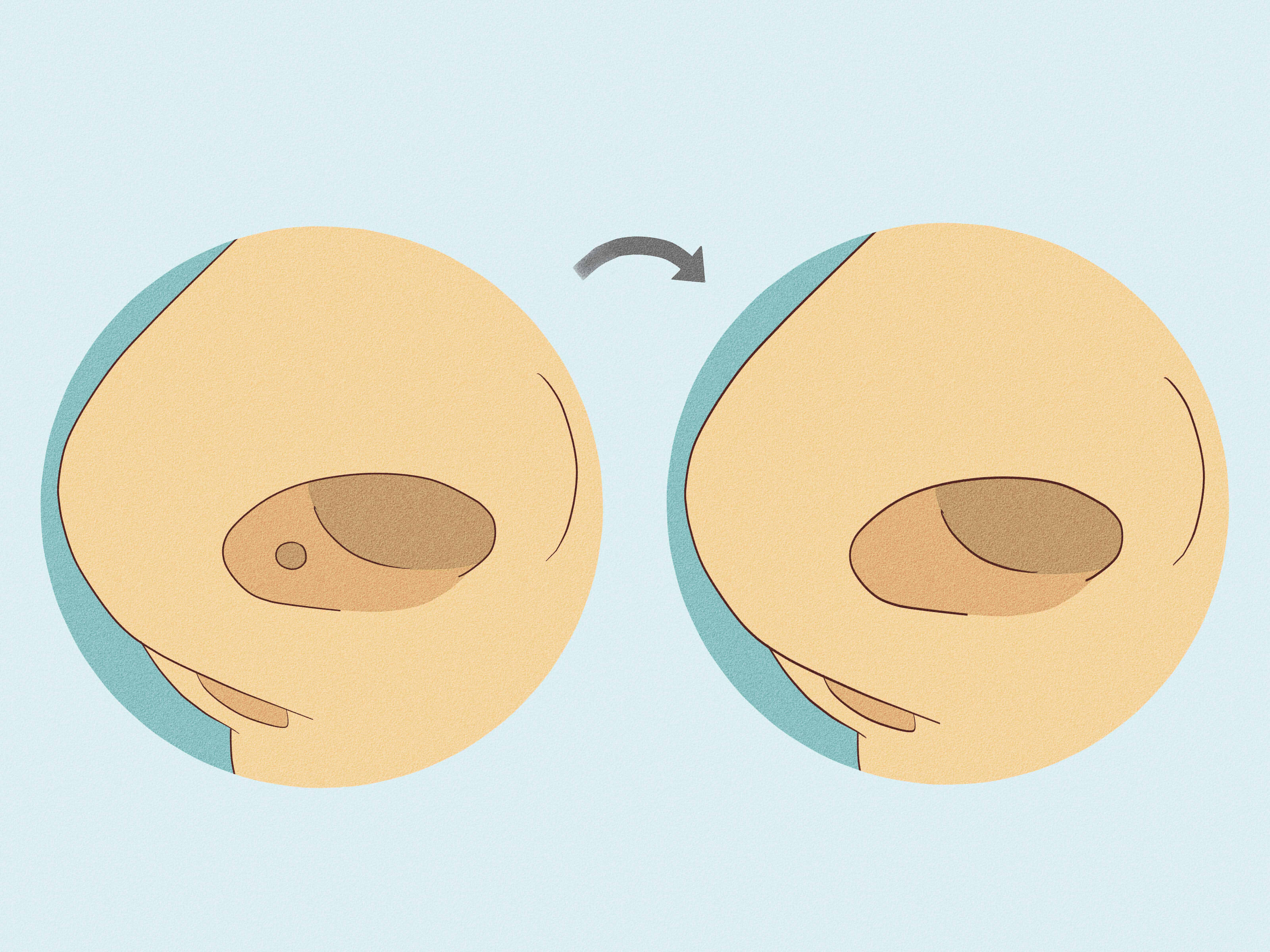
So, you took out your septum ring for work, school, a family dinner, a medical appointment, or simply because your nose needed a tiny vacation. Then panic hits: do septum piercings close? The short answer is yes, they can. The longer answer is a little more dramatic, because septum piercings are like houseplants, sourdough starters, and group chats: their behavior depends on age, care, timing, and how much chaos you introduce.
A septum piercing can shrink or close quickly when jewelry is removed, especially if it is new. A fresh piercing may begin tightening within minutes or hours. A well-healed septum piercing may stay open longer, but it can still shrink, narrow, or become difficult to reinsert. Some people can leave jewelry out for days with no problem. Others remove it for one afternoon and return to a tiny nasal betrayal.
This guide explains how long septum piercings take to close, why some close faster than others, how healing affects the timeline, what to do if your jewelry will not go back in, and how to protect your piercing without turning your nose into a full-time maintenance project.
What Is a Septum Piercing?
A septum piercing goes through the thin area of tissue inside the nose between the nostrils. A properly placed septum piercing usually sits in the soft “sweet spot,” not through the hard cartilage. This placement matters because soft tissue generally heals more comfortably than thick cartilage and is easier for a professional piercer to work with.
Common septum jewelry includes circular barbells, captive bead rings, clickers, retainers, and seamless hoops. Many people love septum piercings because they are stylish, gender-neutral, easy to hide with the right jewelry, and versatile enough to go from subtle to “yes, I absolutely own three pairs of platform boots.”
Do Septum Piercings Close?
Yes, septum piercings can close. More accurately, the piercing channel can shrink, tighten, or seal after jewelry is removed. The speed depends on whether the piercing is fresh, partially healed, fully healed, irritated, infected, stretched, or long-established.
Your body does not know that your septum piercing is part of your personal aesthetic. It sees a small wound or tunnel and thinks, “Great news, team, let’s repair this.” When jewelry is removed, the tissue may start contracting. In a new piercing, the body may close the opening very quickly. In an older piercing, the fistula, or healed tunnel of tissue, is more stable but not indestructible.
How Long Does It Take for a Septum Piercing to Close?
There is no universal stopwatch for septum piercings, but there are useful ranges. Think of them as weather forecasts for your nose: mostly accurate, occasionally rude.
If Your Septum Piercing Is Less Than 2 Months Old
A very new septum piercing can begin closing almost immediately after jewelry is removed. In some cases, reinsertion may become difficult within minutes. In others, the opening may remain visible for several hours but still tighten enough that pushing jewelry through becomes painful or impossible.
If your septum piercing is still tender, crusty, swollen, weepy, or easily irritated, it is not ready for jewelry removal. Removing jewelry too early can interrupt healing, trigger swelling, and allow the channel to collapse. This is the piercing equivalent of quitting a marathon at mile one and then wondering why the finish line did not come to you.
If Your Septum Piercing Is 2 to 6 Months Old
Many septum piercings do most of their initial healing in about two to three months, but full tissue maturity may take longer. During this middle stage, the piercing may feel fine, but the inside channel may still be fragile. Removing jewelry for a short time can still lead to shrinking.
Some people can leave jewelry out for a few hours at this stage. Others cannot. If you need to remove jewelry for a procedure, job requirement, sports activity, or appearance concern, ask a professional piercer about a safe retainer instead of going jewelry-free.
If Your Septum Piercing Is Fully Healed
A fully healed septum piercing is more forgiving, but it can still shrink. Some healed septum piercings stay open for days, weeks, or longer without jewelry. Others narrow within hours. Even if the hole does not fully close, the channel can become too tight for your usual jewelry gauge.
For example, someone who has worn a 16-gauge ring for years might remove it for a weekend and find that the hole still exists, but the jewelry no longer slides in smoothly. That does not always mean the piercing is gone. It may mean the channel shrank and needs professional help, a taper, or smaller jewelry.
If You Have Had the Piercing for Years
Long-term septum piercings are the most likely to remain open, but “most likely” is not the same as “guaranteed.” A piercing that has been in place for years may leave a small permanent channel, especially if it was stretched or worn consistently. However, it may still tighten enough that reinserting jewelry becomes uncomfortable.
If you love your septum piercing, do not test its loyalty just for fun. Your piercing is not a romantic partner in a movie. It does not need a dramatic separation to prove commitment.
Why Do Some Septum Piercings Close Faster Than Others?
Septum piercing closure depends on several factors. The biggest one is age. A fresh piercing is much more likely to close quickly than an old, stable piercing. Healing quality also matters. A piercing that healed smoothly may stay open longer than one that was repeatedly irritated.
Jewelry size can also play a role. A larger-gauge piercing may leave a more established channel than a very small-gauge piercing. However, bigger does not automatically mean permanent. Tissue elasticity, genetics, scar formation, inflammation, and your body’s healing speed all matter.
Your lifestyle can influence closure, too. Frequent jewelry changes, touching the piercing, sleeping face-down, using harsh cleaners, or wearing poor-quality metal can irritate the channel. Irritated tissue may swell and tighten more aggressively when jewelry is removed.
Can a Septum Piercing Close Overnight?
Yes, a septum piercing can close or shrink overnight, especially if it is new or not fully healed. For some people, one night without jewelry is enough to make reinsertion difficult. For others, nothing dramatic happens. That unpredictability is exactly why piercers often recommend keeping jewelry in place unless removal is necessary.
If you removed your septum jewelry before bed and cannot reinsert it in the morning, do not force it. The tissue may be swollen, narrowed, or partially closed. Forcing jewelry through can create a tear, bleeding, irritation, or a false passage. A professional piercer may be able to reopen the channel gently if it has not fully sealed.
Can You Reopen a Closed Septum Piercing?
Sometimes, yes. If the piercing is only slightly shrunken, a professional piercer may be able to guide jewelry back in with sterile tools. If the channel has fully closed, you may need to wait and get it re-pierced later.
The important rule is simple: do not shove jewelry through a closed or painful piercing at home. Your bathroom mirror, while emotionally supportive, is not a sterile piercing studio. If the jewelry does not slide in easily, stop. Wash your hands, leave the area alone, and contact a reputable piercer.
How to Tell If Your Septum Piercing Is Closed
A septum piercing may be closed if you cannot see or feel the opening, if jewelry will not pass through gently, or if trying to insert jewelry causes sharp pain. A piercing may be only partially closed if the hole is visible but tighter than usual.
Common signs of a shrinking septum piercing include resistance when inserting jewelry, mild tenderness, a smaller opening, or the need to use thinner jewelry than before. Common signs of irritation include redness, swelling, warmth, crusting, or discomfort. If you notice thick yellow or green discharge, worsening pain, spreading redness, or fever, seek medical advice.
What to Do If Your Septum Jewelry Will Not Go Back In
First, do not panic. Second, do not turn the jewelry into a tiny medieval weapon. If your septum jewelry will not go back in, wash your hands and check whether the area is swollen or painful. If there is resistance, stop trying.
Contact a professional piercer as soon as possible. If the piercing has only started to shrink, they may be able to use sterile insertion tools and proper jewelry to preserve it. The sooner you go, the better your odds. Waiting days may allow the channel to close more completely.
If the piercing is infected or very irritated, a piercer may recommend medical evaluation before reinsertion or re-piercing. If a doctor advises removing jewelry due to a serious infection or medical procedure, follow medical instructions. Otherwise, removing jewelry from an irritated piercing without guidance can sometimes make the situation worse.
How to Keep a Septum Piercing from Closing
Keep Jewelry In During Healing
The best way to prevent a septum piercing from closing is to keep jewelry in place, especially during the first several months. A new piercing needs time to form a stable channel. Removing jewelry early is one of the fastest ways to lose the piercing.
Use a Retainer When Needed
If you need a discreet option, ask a piercer about a septum retainer. Retainers can be flipped up inside the nose or made from suitable materials for temporary wear. This is helpful for work, school, family events, medical appointments, or any situation where you want your piercing to go undercover like a tiny metal spy.
Choose Quality Jewelry
High-quality jewelry can reduce irritation and support healthier healing. Common professional recommendations include implant-grade titanium, appropriate implant-grade steel, solid gold of suitable quality, niobium, or glass for certain healed piercings. Cheap mystery metal may save money upfront, but your nose may file a formal complaint later.
Avoid Frequent Jewelry Changes
Changing septum jewelry too often can irritate the channel, especially before it is fully healed. Wait until the piercing is stable, calm, and no longer tender. When in doubt, let a professional piercer change it for you.
How Long Should You Wait Before Changing Septum Jewelry?
Many people wait at least two to three months before changing septum jewelry, but the safest timeline depends on your healing. Some septum piercings need longer, sometimes six months or more, before they are fully mature. If the piercing is still sore, crusty, swollen, or producing fluid, it is not ready for a casual jewelry fashion show.
A good rule is to wait until the piercing feels calm, moves comfortably, and has had enough time to heal internally. If you are unsure, book a quick checkup with a piercer. A five-minute professional opinion can prevent a three-week irritation spiral.
Does Re-Piercing a Septum Hurt More?
Re-piercing may feel similar, easier, or more uncomfortable depending on scar tissue, placement, and how completely the old piercing closed. If the previous channel is fully healed over, the piercer may choose a nearby safe spot or re-pierce through the original area if appropriate.
Do not re-pierce your septum at home. Septum placement requires anatomy knowledge, sterile equipment, and precision. A crooked septum piercing can be uncomfortable, hard to heal, and visually uneven. In other words, this is not the time for “I watched one video, how hard can it be?” energy.
Can You Hide a Septum Piercing Without Removing It?
Yes, in many cases. A circular barbell can often be flipped up inside the nose once the piercing is healed enough and the jewelry fits your anatomy. A septum retainer is another option. However, you should not flip jewelry up and down constantly during early healing because movement can irritate the tissue.
If hiding the piercing is important for your job or school, discuss this before getting pierced. A piercer can help you choose jewelry that supports healing and makes concealment easier later.
When to See a Piercer or Doctor
See a professional piercer if your jewelry will not go back in, your piercing is shrinking, you need a retainer, or you want to change jewelry safely. See a healthcare professional if you notice signs of infection such as worsening pain, spreading redness, warmth, swelling, thick pus, fever, or symptoms that do not improve.
Piercers are excellent for jewelry, placement, troubleshooting, and aftercare guidance. Doctors are essential for infections, allergic reactions, severe swelling, and medical complications. The dream team is not “piercer versus doctor.” It is “use the right expert before your nose starts sending angry emails.”
Common Myths About Septum Piercing Closure
Myth 1: Once Healed, It Never Closes
A healed septum piercing may stay open longer, but it can still shrink. Some people keep the opening for years; others lose easy jewelry access after a short break.
Myth 2: You Can Always Force Jewelry Back In
Forcing jewelry can damage tissue. If it does not slide in easily, stop and see a piercer.
Myth 3: Septum Piercings Always Go Through Cartilage
A well-placed septum piercing usually goes through the softer tissue in front of the cartilage. This is one reason placement by a trained piercer matters so much.
Myth 4: Cleaning More Means Healing Faster
Over-cleaning can irritate a piercing. Gentle, consistent care is better than attacking your nose with every product in the medicine cabinet.
Real-Life Experiences: What People Commonly Notice When Septum Piercings Close
Septum piercing closure stories tend to fall into a few familiar patterns. The first is the “I only took it out for a little while” experience. Someone removes their jewelry for a job interview, sports practice, or family gathering. They plan to put it back in later that night. When they try, the jewelry catches, stings, or refuses to pass through. The piercing is not always fully closed, but it has tightened enough to cause trouble. This usually happens with newer piercings, but it can surprise people with older ones too.
The second common experience is the “I forgot about it” timeline. A person removes their septum ring because it feels annoying during a cold, allergy flare, or vacation. One day becomes three days. Three days becomes two weeks. By the time they remember, the hole may look smaller or feel completely gone. This is especially common when the piercing was already irritated, because swollen tissue can narrow the channel faster.
The third experience is the “still there, but not the same” situation. The opening remains, but the original jewelry no longer fits. Someone who wore a 16-gauge clicker may find that only a thinner piece can pass through. This can be frustrating, but it is not always a disaster. A reputable piercer may be able to assess the channel and recommend a safe path forward, whether that means smaller jewelry, gradual stretching later, or re-piercing after the tissue settles.
The fourth experience involves medical appointments. Some people remove metal jewelry for imaging, surgery, dental work, or workplace safety rules. This is where planning helps. Instead of removing jewelry at the last second and hoping for the best, ask your piercer in advance about non-metallic retainers or safe temporary options. Your future self, standing in a bathroom trying not to sneeze while reinserting jewelry, will be grateful.
The fifth experience is emotional. People often feel oddly sad when a septum piercing closes, even if they chose to remove it. Piercings can become part of identity, style, confidence, or a specific chapter of life. Losing one can feel like misplacing a tiny piece of your personal brand. The good news is that a closed septum piercing is not necessarily the end. Many people successfully re-pierce after the area heals, especially when they work with an experienced professional.
The best lesson from these experiences is simple: never assume your septum piercing will behave like someone else’s. Your friend may leave jewelry out for a month and still pop it back in. You may leave yours out during one movie and return to a locked door. Bodies heal differently. Piercings mature differently. Noses, frankly, have personalities.
Conclusion
So, do septum piercings close? Yes, they can. A fresh septum piercing may begin closing within minutes or hours. A partially healed piercing may shrink overnight. A fully healed piercing may stay open longer, but it can still narrow, tighten, or become difficult to reinsert. The safest strategy is to keep jewelry in during healing, use a retainer when needed, choose quality jewelry, avoid unnecessary changes, and ask a professional piercer for help before forcing anything.
A septum piercing can be low-maintenance once healed, but it is never completely maintenance-free. Treat it well, listen to your body, and do not gamble with jewelry removal unless you are ready for the possibility of closure. Your nose may be cute, but it is also efficient.














