
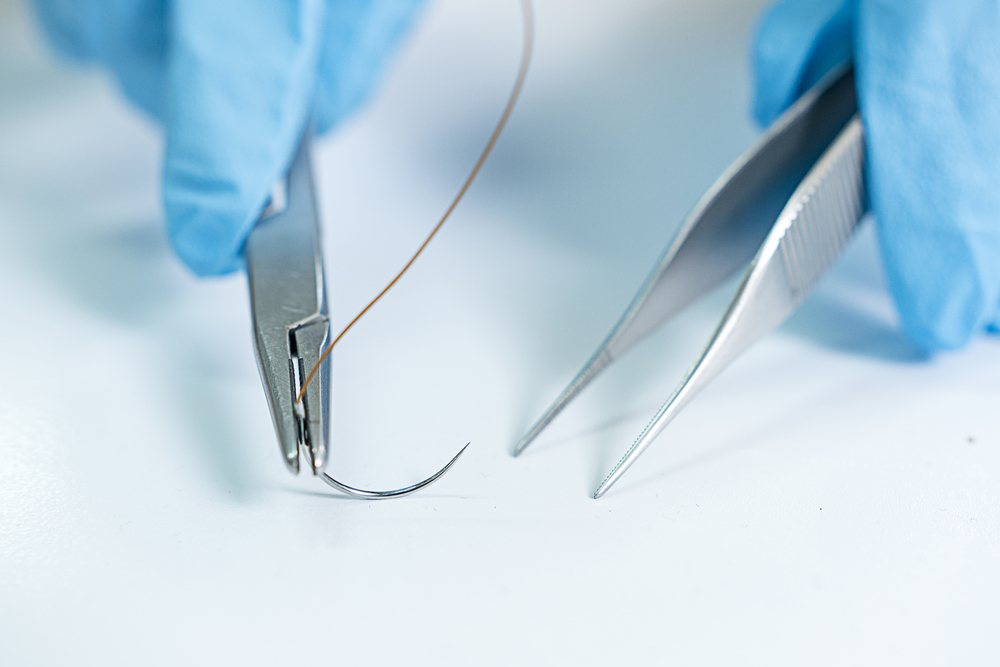
Note: This article is written for educational and clinician-facing publication. Suturing wounds should only be performed by trained medical professionals in an appropriate clinical setting.
Why Suturing Readiness Still Matters in Modern Medicine
In a world full of robotic surgery, telehealth visits, artificial intelligence, and electronic health records that seem to ask for one more password every 12 minutes, one old-school clinical skill remains surprisingly important: the ability to assess and close a wound properly. For doctors, being prepared to suture wounds is not just a technical skill. It is part of safe, practical, patient-centered care.
A laceration can walk through the door at any time. It may be a kitchen cut, a sports injury, a workplace accident, a fall, or a small wound that looks harmless until closer inspection reveals deeper tissue involvement. In primary care clinics, urgent care centers, emergency departments, rural practices, and even specialty offices, doctors may be the firstand sometimes onlyclinician available to decide what happens next.
Good wound repair is about much more than “putting in stitches.” The real work begins before the first suture is opened. A physician must evaluate bleeding, wound depth, contamination, function, sensation, circulation, cosmetic concerns, infection risk, tetanus status, pain control, and whether the patient needs referral. The needle may be tiny, but the decision-making is not.
The Main Goal: Safe Healing, Not Just a Neat Line
The best wound closure is not simply the prettiest one. The best repair protects function, lowers infection risk, supports healing, and produces the best cosmetic result possible for that specific wound. A clean facial laceration, a jagged hand injury, and a contaminated puncture wound all require different thinking. Treating every wound like the same little sewing project is how problems sneak in wearing comfortable shoes.
Doctors should approach laceration repair with a clear clinical sequence: assess, clean, anesthetize, explore when appropriate, choose the closure method, repair with the least tissue trauma possible, dress the wound, document the encounter, and give precise aftercare instructions. Skipping any step can turn a simple injury into a complicated follow-up visit.
Not Every Wound Should Be Closed Immediately
One of the most important lessons in wound care is that closure is not automatic. Some wounds are best closed right away. Others may need delayed closure, specialist evaluation, debridement, imaging, antibiotics for specific indications, or no closure at all. Bite wounds, heavily contaminated wounds, deep punctures, wounds with possible foreign bodies, and injuries involving tendons, nerves, joints, or fractures deserve extra caution.
Preparedness means having the skill to sutureand the judgment to know when not to.
What Doctors Should Be Ready to Assess Before Suturing
Before wound closure, a doctor should know what they are repairing. That sounds obvious, but in a busy clinical setting, obvious things occasionally hide under gauze.
1. Mechanism of Injury
How the wound happened matters. A clean cut from a kitchen knife has a different risk profile than a fall onto gravel, a crush injury, a rusty metal scrape, or an animal bite. The mechanism helps predict contamination, tissue damage, and whether deeper structures may be involved.
2. Wound Location
Location affects both function and cosmetic outcome. Facial wounds often require special attention to alignment and scar minimization. Hand wounds require careful evaluation of tendon function, sensation, and circulation. Wounds over joints may be under tension and can reopen if repaired too casually.
3. Depth and Structural Involvement
A wound may look small on the surface while extending deeper than expected. Doctors should consider whether the injury involves muscle, tendon, nerve, blood vessel, joint space, cartilage, or bone. When function is affected, sensation is altered, or the wound is near critical anatomy, referral may be safer than heroic stitching in the wrong setting.
4. Contamination and Foreign Material
Dirt, glass, wood, metal, and debris can increase infection risk and interfere with healing. Thorough wound cleansing and appropriate evaluation for retained foreign material are essential. A wound closed over debris is like painting over a leak: it may look better briefly, but the problem is still there.
5. Patient-Specific Risk Factors
Healing is not the same for every patient. Diabetes, immune suppression, poor circulation, smoking, certain medications, malnutrition, and advanced age can affect wound healing. A doctor should consider these factors when choosing closure strategy, follow-up timing, and aftercare instructions.
Essential Suturing Preparedness: Tools, Setup, and Clinical Mindset
A well-prepared doctor does not wait until the patient is on the exam table to discover the clinic has no needle driver, no local anesthetic, and one lonely piece of gauze guarding the supply cabinet. Suturing readiness requires reliable equipment, organized workflow, and a team that knows where everything lives.
Core Supplies for Wound Closure Readiness
A clinical setting that manages lacerations should have sterile gloves, antiseptic supplies, irrigation materials, local anesthetic, syringes, needles, suture material in commonly used sizes, needle drivers, tissue forceps, scissors, dressings, adhesive strips, skin adhesive when appropriate, and disposal containers for sharps. Good lighting is also essential. Trying to repair a wound in poor light is not “resourceful”; it is just a bad audition for a mystery movie.
Sterile Where It Counts, Clean Where Appropriate
Modern wound care emphasizes preventing contamination while staying practical. Instruments and materials that directly contact the wound must be sterile. The surrounding field should be clean and controlled. A careful setup helps the physician work efficiently without repeatedly reaching across the room or breaking concentration.
Pain Control Is Part of Good Care
Wound closure should not be treated as a test of patient bravery. Appropriate local anesthesia improves comfort and allows the doctor to clean, inspect, and repair the wound more carefully. In many cases, local infiltration or a nerve block may be considered depending on wound location and clinical judgment.
Choosing the Right Closure Method
Sutures are valuable, but they are not the only option. Doctors should choose the closure method based on wound depth, tension, location, contamination risk, patient age, cosmetic priorities, and follow-up reliability.
Sutures
Sutures are commonly used for wounds that are deeper, gaping, irregular, or under tension. They provide precise edge alignment and strength. Different suture materials and techniques may be selected depending on the wound and body area.
Staples
Staples can be useful for certain scalp or trunk wounds where speed and strength matter more than fine cosmetic alignment. They are not ideal for every location, but in the right setting they can be efficient and effective.
Skin Adhesives and Adhesive Strips
Skin adhesives and strips can work well for small, clean, low-tension wounds. They may reduce procedure time and eliminate the need for suture removal. However, they are not appropriate for every wound, especially wounds under tension, heavily contaminated wounds, or areas exposed to repeated moisture or movement.
Layered Closure
Some deeper wounds require closure in layers to reduce tension and dead space. A surface-only repair of a deeper wound can fail if the underlying tissue is not supported. Doctors should recognize when layered repair is appropriate and when the wound exceeds the setting’s capability.
Tetanus, Infection Risk, and Aftercare: The Unflashy Details That Matter
Suturing may get the spotlight, but wound care does not end with closure. Tetanus prevention, infection risk assessment, dressing choice, and patient instructions are all part of responsible wound management.
Review Tetanus Status
For traumatic wounds, clinicians should review the patient’s tetanus immunization history and determine whether vaccination or tetanus immune globulin is indicated based on wound type and immunization status. This is one of those quiet clinical steps that patients may not noticebut it matters.
Antibiotics Are Not Automatic
Not every sutured wound requires antibiotics. Decisions should be based on wound characteristics, contamination level, patient risk factors, and clinical guidelines. Overusing antibiotics can contribute to side effects and resistance, while under-recognizing high-risk wounds can invite complications. Good medicine lives in the middle: thoughtful, not automatic.
Give Clear Home Care Instructions
Patients should understand how to keep the wound clean, when dressings should be changed, what activities to avoid, when to return for suture removal if nonabsorbable sutures are used, and which symptoms should prompt medical attention. Warning signs may include increasing redness, swelling, warmth, worsening pain, drainage, fever, wound separation, or numbness.
Documentation: The Stitch Nobody Sees but Everyone Needs
Good documentation protects continuity of care and supports medical quality. A wound repair note should describe the wound location, length, depth when relevant, contamination, neurovascular status, anesthesia used, cleansing or irrigation performed, foreign body assessment, closure method, suture material if used, number of sutures when applicable, dressing, tetanus plan, patient instructions, and follow-up recommendations.
This may sound like a lot, but clear documentation prevents confusion later. If the patient returns with pain, redness, or wound separation, the next clinician should not have to solve a detective story titled The Case of the Mysterious Stitches.
When Doctors Should Refer Instead of Repair
Preparedness includes knowing when another specialist is needed. Referral should be considered for complex facial wounds, eyelid injuries, deep hand wounds, suspected tendon or nerve injury, open fractures, joint involvement, severe crush injuries, significant tissue loss, contaminated bites, wounds requiring operative exploration, and injuries in which cosmetic or functional outcome is especially critical.
There is no shame in referring. In fact, timely referral is often the most skillful decision. The goal is not to prove that every wound can be handled in one room. The goal is to get the patient the safest and most appropriate care.
Training and Practice: Suturing Skill Should Not Get Rusty
Suturing is a hands-on skill. Reading about it helps, but practice builds confidence. Doctors who work in settings where lacerations appear unpredictably should refresh their skills regularly through simulation, workshops, supervised practice, and review of current wound care recommendations.
Clinics should also run periodic supply checks. Expired anesthetic, missing forceps, poor lighting, or a disorganized procedure tray can turn a manageable repair into a stressful scavenger hunt. Prepared systems make prepared doctors.
Team Readiness Matters
Nurses, medical assistants, and front-desk staff all play a role in wound care workflow. Staff should know how to room patients with lacerations, identify urgent warning signs, locate supplies, assist with setup, support patient comfort, and communicate follow-up instructions. A calm, prepared team can make a bleeding patient feel much safer before the doctor even enters the room.
Experience-Based Lessons: What Wound Care Teaches Doctors Over Time
Experienced doctors often say that wound repair teaches humility. A laceration that looks simple at first glance may become more complicated after cleaning and closer inspection. A nervous child may need more time, reassurance, and creativity than the wound itself. A patient who says, “It’s just a scratch,” may be holding pressure over a cut that clearly did not get the memo.
One practical lesson is to slow down at the beginning. A few extra minutes spent asking how the injury happened, checking movement and sensation, reviewing tetanus status, and cleaning the wound properly can prevent many problems later. Rushing straight to closure may feel efficient, but speed is only useful when it does not skip judgment.
Another lesson is that communication is part of the procedure. Patients are often anxious when they see blood, instruments, or a suture tray. Explaining what will happen in plain language helps reduce fear. A simple sentence like, “First I’m going to numb the area, then clean it well, then decide the safest way to close it,” can turn panic into cooperation. Humor can help too, as long as it is gentle. The wound may be serious; the atmosphere does not have to be icy.
Doctors also learn to respect tension. Skin that is pulled too tightly may not heal well, and wounds over joints or mobile areas need extra thought. A repair should support healing, not fight against anatomy. This is where experience, training, and careful technique come together.
Follow-up is another underrated part of wound care. The patient leaves the clinic with the wound, not the doctor. That means instructions must be clear enough to survive real life: showers, school, work, pets, sports, curious toddlers, and the universal human urge to “just check it one more time.” Written instructions help. So does telling patients exactly when to return and what symptoms should not be ignored.
Finally, wound care reminds doctors that small procedures can have big emotional meaning. A facial cut before a wedding, a hand injury for a musician, a child’s first stitches, or a workplace injury for someone paid by the hour can carry anxiety beyond the visible wound. Preparedness is not only about having sutures in the drawer. It is about having the clinical skill, calm judgment, and human awareness to treat the whole situation.
The best doctors are ready before the wound arrives. They know where the supplies are. They know what questions to ask. They know when to close, when to wait, when to refer, and when to reassure. In wound care, preparation is not dramatic. It does not beep, flash, or announce itself. But when a patient walks in bleeding, preparation is exactly what turns a stressful moment into competent care.
Conclusion
Doctors should always be prepared to suture wounds because lacerations are common, unpredictable, and clinically important. The skill is not limited to placing stitches; it includes assessment, wound cleaning, pain control, closure selection, tetanus review, infection prevention, documentation, aftercare, and referral judgment. A well-prepared physician protects both function and appearance while helping patients feel safe during a stressful moment.
In modern medicine, suturing may seem like a basic skill, but basic does not mean simple. A small wound can test anatomy knowledge, communication, procedural confidence, and clinical decision-making all at once. When doctors stay prepared, patients benefit from faster care, safer healing, and fewer complications. That is a stitch worth making.













