
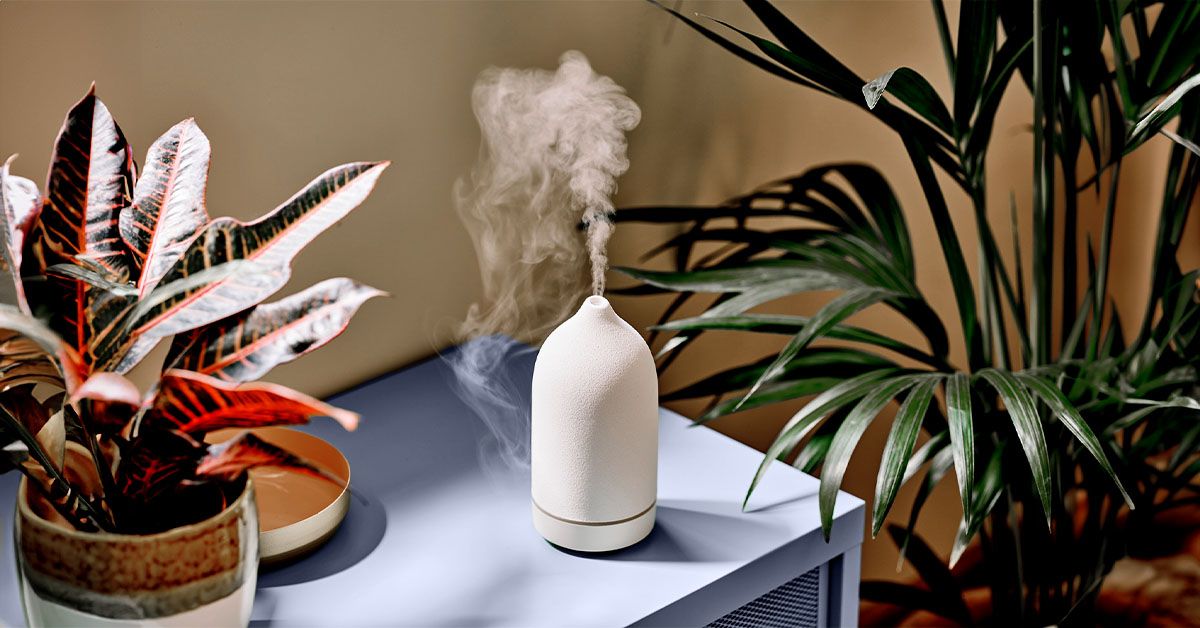
Asthma already has enough drama. One day your lungs are minding their business, and the next day a dusty couch, cold winter air, or a suspiciously damp basement decides to audition as the villain. So it is no surprise that many people ask a simple question: Does a humidifier help with asthma?
The honest answer is: sometimes, but only when used correctly. A humidifier can help if dry indoor air irritates your throat, nose, or airways. It may make breathing feel more comfortable during dry winter months, especially when indoor heating turns your home into a desert with furniture. But a humidifier is not an asthma treatment, and if it is dirty or overused, it can make asthma symptoms worse by spreading mold, bacteria, minerals, or encouraging dust mites.
In other words, a humidifier can be helpful, but it is not a magical lung spa. Think of it more like a kitchen knife: useful in careful hands, chaotic in careless ones.
What Is Asthma, and Why Does Indoor Air Matter?
Asthma is a chronic condition that causes the airways to become inflamed, narrowed, and extra sensitive. When a person with asthma encounters a trigger, the muscles around the airways may tighten, mucus can increase, and breathing may become difficult. Symptoms may include wheezing, coughing, chest tightness, and shortness of breath.
Indoor air matters because many asthma triggers live right at home. Common triggers include dust mites, mold, pet dander, smoke, strong odors, cleaning products, pollen brought indoors, pests, and poor ventilation. Humidity also plays a role. Air that is too dry can irritate the respiratory tract, while air that is too humid can encourage mold and dust mites. Your lungs are basically asking for balance, not a rainforest and not a cracker factory.
So, Does a Humidifier Help with Asthma?
A humidifier may help some people with asthma when indoor air is very dry. Dry air can irritate the nose, throat, and airways, which may increase coughing or make breathing feel uncomfortable. Adding moisture to the air may soothe dry nasal passages, reduce throat irritation, and help loosen mucus.
However, a humidifier does not reduce airway inflammation the way prescribed asthma medications do. It will not replace an inhaler, controller medication, asthma action plan, or medical care. It is best viewed as a comfort tool for managing dry indoor air, not as a direct treatment for asthma.
The key is keeping indoor relative humidity in a healthy range. Most public-health and allergy guidance recommends aiming for about 30% to 50% indoor humidity. Below that range, air may feel dry and irritating. Above that range, mold and dust mites may become more likely to thrive. Once humidity climbs too high, your helpful little mist machine can turn into a five-star resort for allergens.
Potential Benefits of Using a Humidifier for Asthma
1. It May Soothe Dry Airways
Dry air can make the nose, throat, and bronchial passages feel scratchy. For some people with asthma, that irritation may contribute to coughing or a tight-chested feeling. A properly used humidifier can add enough moisture to make indoor air feel gentler, especially during winter when heating systems reduce humidity.
2. It May Help with Dry Cough and Thick Mucus
Moist air may help keep mucus from becoming overly thick. When mucus is easier to clear, coughing may become more productive and less harsh. This can be especially noticeable during a cold, sinus congestion, or dry-season irritation. Still, if coughing is frequent, severe, or linked to wheezing, it is important to follow an asthma action plan and contact a healthcare professional.
3. It May Improve Sleep Comfort
Many people notice asthma or allergy symptoms more at night. Dry air can worsen a scratchy throat, stuffy nose, or nighttime cough. A humidifier may make the bedroom more comfortable when humidity is too low. Better comfort may support better sleep, and better sleep is never a bad thing. Even your immune system enjoys not being treated like an overworked intern.
4. It May Reduce Irritation from Winter Heating
Forced-air heating, space heaters, and cold outdoor air can make indoor air dry. If your skin feels tight, your lips are chapped, and your nose feels like it has filed a complaint, your indoor humidity may be low. In that case, a humidifier can help restore moisture to a more comfortable level.
5. It May Support Overall Indoor Comfort
Balanced humidity can make a home feel more comfortable. It may also reduce static electricity, dry eyes, and dry skin. While these are not asthma treatments, improving comfort can make daily life easier for people who are already managing sensitive airways.
When a Humidifier Can Make Asthma Worse
A humidifier can backfire if it is used without monitoring humidity or cleaning the device. Asthma-friendly indoor air is not just about adding moisture. It is about controlling moisture.
Too Much Humidity Encourages Mold
Mold loves damp environments. If a room stays humid, mold can grow on walls, windowsills, carpets, curtains, furniture, and inside HVAC systems. Mold exposure can trigger asthma symptoms in some people, even when they do not have a diagnosed mold allergy.
High Humidity Helps Dust Mites Thrive
Dust mites are tiny creatures that live in bedding, mattresses, upholstered furniture, carpets, and soft fabrics. They thrive in humid environments. Their waste particles are a common asthma and allergy trigger. If a humidifier raises indoor humidity too high, it may unintentionally create a dust mite paradise. Unfortunately, dust mites do not pay rent.
Dirty Humidifiers Can Spread Germs
A humidifier tank that is not cleaned regularly can grow bacteria, mold, or other microbes. When the machine runs, it may release those contaminants into the air. For people with asthma, allergies, young children, older adults, or anyone with lung disease, this can be risky.
Tap Water Can Release Mineral Dust
Some humidifiers, especially ultrasonic models, can release fine white mineral dust if filled with tap water. That dust may settle on surfaces and may also be inhaled. Using distilled or demineralized water can reduce this problem.
Fragrances and Essential Oils Can Trigger Symptoms
Essential oils may smell relaxing, but “natural” does not always mean “asthma-friendly.” Fragrances, oils, and additives can irritate sensitive airways. For people with asthma, it is safest to use plain water only unless a healthcare professional says otherwise.
The Best Humidity Level for Asthma
For most homes, the target indoor humidity range is 30% to 50%. This range is often comfortable enough to reduce dryness while still low enough to discourage mold and dust mites. A simple hygrometer, which is an inexpensive humidity gauge, can tell you where your home stands.
Do not guess humidity by vibes. A room can feel “fine” while quietly sitting at 60% humidity, especially in basements, bathrooms, or poorly ventilated bedrooms. A hygrometer gives you actual numbers, and numbers are very useful when your lungs are not in the mood for mystery novels.
How to Use a Humidifier Safely with Asthma
Use a Hygrometer
Place a hygrometer in the room where you use the humidifier. Keep humidity around 30% to 50%. If the reading goes above 50%, turn the humidifier down or off. If your home is already humid, you may need a dehumidifier instead.
Clean the Humidifier Often
Follow the manufacturer’s cleaning instructions. In general, empty the tank daily, dry it when not in use, and clean the unit every few days while it is running regularly. Do not let water sit in the tank for days. Stagnant water is not a wellness feature.
Use Distilled or Demineralized Water
Distilled water contains fewer minerals than tap water. This can reduce white dust and mineral buildup inside the machine. It may also make cleaning easier.
Replace Filters as Directed
If your humidifier has a filter or wick, replace it according to the manufacturer’s schedule. A dirty filter can become a source of contaminants and reduce the machine’s performance.
Do Not Add Essential Oils or Fragrances
Unless the device is specifically designed for oils and your healthcare provider approves, avoid adding scents. For asthma, plain mist is usually the safest mist.
Keep the Area Around the Humidifier Dry
If surfaces around the humidifier become damp, the room is getting too much moisture. Move the unit, lower the setting, or turn it off. Damp carpets, walls, and furniture can encourage mold growth.
Choose the Right Size
A humidifier that is too large for the room may raise humidity too much. A small unit may be enough for a bedroom. Whole-house humidifiers should be installed and maintained carefully because they affect the entire indoor environment.
Cool Mist vs. Warm Mist: Which Is Better for Asthma?
Both cool-mist and warm-mist humidifiers add moisture to the air. The best choice depends on safety, maintenance, and personal comfort.
Cool-mist humidifiers are commonly used in homes with children because they do not involve hot steam. However, they must be cleaned carefully because they can spread contaminants if neglected.
Warm-mist humidifiers heat water to create steam, which may reduce some microbes in the water. However, they can cause burns if tipped over or touched, making them less ideal around children and pets.
Evaporative humidifiers use a wick filter and fan. They may be less likely to over-humidify a room compared with some ultrasonic units, but they require filter replacement.
Ultrasonic humidifiers are quiet and popular, but they may release mineral dust when used with tap water. Distilled water is especially helpful with this type.
Who Should Be Extra Careful?
People with asthma should speak with a healthcare provider before using a humidifier if symptoms are poorly controlled, if asthma attacks are frequent, or if mold or dust mites are known triggers. Parents should also check with a pediatrician or asthma specialist before using a humidifier for a child with asthma.
Extra caution is important for infants, older adults, people with weakened immune systems, and anyone with chronic lung disease. These groups may be more vulnerable to airborne germs from poorly maintained humidifiers.
Signs Your Humidifier May Be Causing Problems
Stop using the humidifier and reassess if you notice new or worsening asthma symptoms after turning it on. Warning signs may include increased coughing, wheezing, chest tightness, shortness of breath, musty smells, visible mold, condensation on windows, damp walls, or white dust on furniture.
If symptoms are severe, follow your asthma action plan and seek medical help. A humidifier should never delay urgent asthma care.
Humidifier vs. Dehumidifier vs. Air Purifier
A humidifier adds moisture to dry air. A dehumidifier removes moisture from damp air. An air purifier filters particles from the air. They solve different problems.
If your home is dry and indoor humidity is below 30%, a humidifier may help. If humidity is above 50%, a dehumidifier is usually the better choice. If your main issue is pollen, pet dander, dust, or smoke particles, a HEPA air purifier may be more useful than changing humidity.
For many people with asthma, the best indoor-air strategy is a combination of habits: keep humidity balanced, clean regularly with low-dust methods, avoid smoking indoors, reduce mold, wash bedding, control pests, maintain HVAC filters, and follow medical treatment as prescribed.
Practical Examples
Example 1: Dry Winter Bedroom
A person wakes up with a dry throat, mild cough, and stuffy nose every morning during winter. Their bedroom humidity is 24%. In this case, a clean humidifier used at night to raise humidity to about 35% to 40% may improve comfort.
Example 2: Damp Basement Apartment
A person with asthma lives in a basement apartment where humidity is 62%, windows sweat, and the room smells musty. A humidifier would likely make things worse. A dehumidifier, mold control, ventilation, and landlord repairs may be more appropriate.
Example 3: Child with Dust Mite Allergy
A child with asthma and dust mite allergy has carpet, stuffed animals, and heavy bedding. Adding a humidifier without monitoring humidity may worsen symptoms. Better first steps may include dust-mite covers, washing bedding in hot water, reducing humidity below 50%, and discussing the plan with the child’s clinician.
Common Mistakes to Avoid
The biggest mistake is running a humidifier constantly without checking humidity. The second biggest mistake is forgetting to clean it. The third is adding essential oils because someone on the internet said eucalyptus mist would make your lungs “feel like a mountain sunrise.” Your lungs may disagree loudly.
Other mistakes include placing the humidifier too close to the bed, using tap water in an ultrasonic model, ignoring moldy smells, using a unit that is too large for the room, and assuming more mist means more benefit. With asthma, more is not always better. Better is better.
When to Talk to a Doctor
Talk to a healthcare professional if asthma symptoms are increasing, rescue inhaler use is becoming more frequent, symptoms wake you at night, or you are unsure whether humidity is a trigger. Also ask for guidance if you are buying a humidifier for a child with asthma.
A clinician can help determine whether dry air is actually contributing to symptoms or whether another trigger is more likely. They can also review your asthma action plan, medications, inhaler technique, and home environment.
Personal Experience Section: Living with the Humidifier Question
Anyone who has dealt with asthma, allergies, or sensitive airways knows that indoor air can feel personal. You may walk into one room and breathe normally, then step into another and suddenly feel like your lungs have opened a customer-service ticket. That is why humidifiers attract so much attention. They promise comfort, and when the air is painfully dry, that promise can feel very appealing.
In many homes, winter is when the humidifier question appears. The heater runs all day, the air gets dry, lips crack, noses feel irritated, and nighttime coughing becomes more noticeable. In that situation, using a small bedroom humidifier can feel like a relief. The air may feel softer. The throat may feel less scratchy. A dry cough may calm down enough to make sleep easier. For someone whose asthma is triggered by dry air, that comfort can be meaningful.
But the experience can change quickly when the humidifier is treated like a plug-in decoration instead of a device that needs care. A tank left half-full for several days can develop film. A filter that should have been replaced weeks ago may start smelling odd. A room that felt cozy at first may become damp, with condensation on windows or a musty odor near curtains. Suddenly, the same device that seemed helpful may become part of the problem.
A practical routine makes the biggest difference. First, measure the room humidity. This small step removes guesswork. If the number is already 45%, there may be no reason to run the humidifier. If it is 25%, a short period of use may help. Second, clean the machine consistently. Emptying the tank, rinsing it, drying it, and following the cleaning instructions is not glamorous, but neither is wheezing because the humidifier turned into a tiny swamp.
Placement also matters. Putting the humidifier right next to the bed may feel logical, but too much mist near bedding can create damp fabric. A better approach is often to place it several feet away on a stable, elevated surface where mist can disperse evenly. It should not point directly at walls, curtains, electronics, or pillows.
Another real-life lesson is that every home is different. Someone in Arizona may struggle with dry indoor air, while someone in Florida may need moisture removal, not moisture addition. A family in a drafty older house may have different humidity needs from someone in a tightly sealed apartment. Asthma triggers also vary. One person may feel better with balanced humidity, while another may flare because humidity encourages dust mites or mold.
The best experience with a humidifier usually comes from using it modestly, measuring humidity, keeping it clean, and paying attention to symptoms. If breathing improves when humidity is balanced, great. If symptoms worsen, stop using it and investigate other triggers. Asthma management is rarely about one gadget. It is about creating a healthier environment and pairing that with proper medical care.
So, does a humidifier help with asthma? It can, especially when dry air is part of the problem. But the safest answer is not “buy one and run it forever.” The safer answer is: use one only when needed, keep humidity in the recommended range, clean it like you mean it, and let your lungs be the judge.
Conclusion
A humidifier may help with asthma when dry indoor air irritates the airways, throat, or nasal passages. It can improve comfort, reduce dryness, and make breathing feel easier for some people. However, it is not an asthma treatment and should never replace prescribed medication or professional care.
The biggest rule is balance. Keep indoor humidity around 30% to 50%, use a hygrometer, clean the humidifier often, use distilled water when possible, avoid fragrances, and stop using the device if symptoms worsen. If your home is already humid, a dehumidifier or air purifier may be a better option.
For people with asthma, the goal is not simply more moisture. The goal is cleaner, healthier, better-controlled indoor air. A humidifier can be part of that plan, but only when it is used wisely.













