
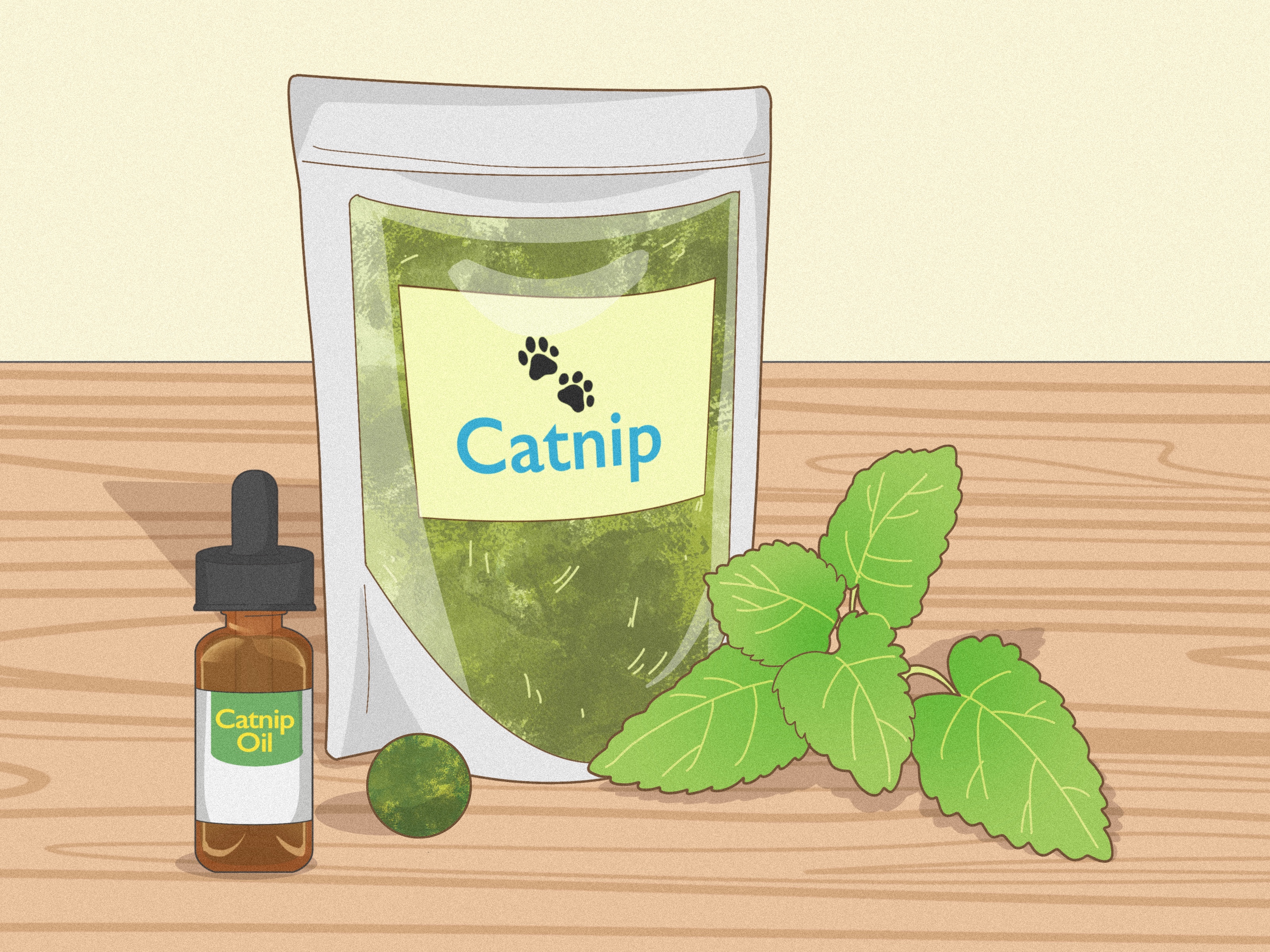
Catnip has a reputation. Mention it around cats and suddenly everyone pictures a whiskered little tornado rolling, chirping, bunny-kicking a toy, and looking like it just discovered jazz. But what happens when the family dog steals the cat’s catnip mouse, chews it with great confidence, and then stares at you like, “Was that the premium stuff?”
So, does catnip work on dogs? Yes, but not in the same dramatic way it works on many cats. For dogs, catnip is generally considered safe in small amounts, and instead of causing zoomies, it may have a mild calming effect. Some dogs seem sleepier, more relaxed, or a little less bothered by stressful situations. Other dogs react with the enthusiasm of a potato reading tax law: absolutely nothing happens.
The important part is knowing what catnip can do, what it cannot do, and when it is better to call your veterinarian instead of turning your dog into an herbal tea experiment. Catnip can be a helpful, gentle addition for some dogs, but it is not a cure-all, not a sedative substitute, and definitely not a reason to let your dog raid the cat’s toy basket like a furry raccoon.
What Is Catnip?
Catnip, also called Nepeta cataria, is a herb from the mint family. It has soft green leaves, a slightly earthy-minty smell, and a natural compound called nepetalactone. Nepetalactone is the famous ingredient that makes many cats roll, rub, purr, leap, or briefly act like they have joined a tiny feline theater troupe.
In cats, catnip mainly works through scent. When a sensitive cat smells nepetalactone, it can trigger a temporary behavioral response. This response usually lasts several minutes and then fades. Not all cats respond to catnip, and kittens often do not react until they are older.
Dogs, however, are not small cats wearing different software. Their bodies and brains respond differently. Catnip does not usually make dogs euphoric, hyperactive, or silly in the same classic catnip way. If it affects a dog at all, the effect is usually gentler and more relaxing.
Does Catnip Work on Dogs?
Catnip can work on dogs, but “work” needs a little explanation. If you expect your dog to roll across the carpet, slap a toy, and experience a spiritual awakening beside the laundry basket, you may be disappointed. Dogs generally do not respond to catnip with the playful excitement seen in cats.
Instead, catnip may act as a mild calming herb for some dogs. Pet owners sometimes use small amounts of dried catnip to help dogs relax before stressful events, such as thunderstorms, fireworks, car rides, grooming appointments, or vet visits. It may also help some dogs settle down at bedtime.
That said, not every dog responds. Some dogs may become slightly calmer. Some may become sleepy. Some may sniff it, sneeze, and walk away as if you offered them a salad with no dressing. A dog’s size, health, sensitivity, and personality can all influence the response.
How Catnip Affects Dogs
Catnip’s effects in dogs are usually subtle. Unlike prescription medications or veterinarian-approved calming supplements, catnip is not designed to produce a strong, predictable result. Think of it less like a light switch and more like a dimmer knob that may or may not be connected to anything.
1. Mild Relaxation
The most commonly discussed effect of catnip on dogs is mild relaxation. Some dogs may seem calmer after consuming a small amount. This is why catnip sometimes comes up in conversations about anxious dogs, nervous travel, or general restlessness.
For example, a dog who paces before a car ride may settle a little more easily after a tiny amount of catnip mixed into food. A dog who gets fidgety at night may appear more comfortable. However, catnip is not strong enough for severe anxiety, panic, aggression, or phobias. Those situations need a veterinary behavior plan, not a sprinkle of garden confetti.
2. Sleep Support
Some owners report that catnip helps dogs wind down before sleep. Because catnip may have a mild sedative effect in dogs, it is sometimes used as part of a bedtime routine. This does not mean catnip should be used to knock a dog out. A healthy bedtime routine should also include exercise, bathroom breaks, a comfortable sleeping space, and a predictable schedule.
If your dog suddenly cannot sleep, wakes repeatedly, pants at night, seems painful, or becomes restless without an obvious reason, talk with a veterinarian. Sleep changes can be linked to pain, cognitive decline, digestive trouble, urinary issues, anxiety, or other health concerns.
3. Digestive Comfort
Catnip has traditionally been used in herbal wellness for digestive comfort, and some dog owners use it when their dogs have mild stomach uneasiness. However, this is an area where caution matters. Dogs vomit or have diarrhea for many reasons, including dietary mistakes, parasites, infections, pancreatitis, toxins, allergies, and serious intestinal problems.
A tiny amount of catnip may be harmless for many healthy dogs, but it should not be used to treat ongoing vomiting, diarrhea, bloating, loss of appetite, bloody stool, or abdominal pain. If your dog’s stomach is acting like a haunted washing machine, your veterinarian is the correct next stop.
4. Possible Nutritional Compounds
Catnip contains plant compounds such as flavonoids, tannins, and essential oils, along with small amounts of nutrients. But before anyone starts calling it a “superfood,” let’s gently place that idea back on the shelf. The amounts dogs typically consume are tiny. Catnip should not be viewed as a major source of vitamins or minerals.
Your dog’s real nutrition should come from a complete and balanced dog food appropriate for their age, size, and health needs. Catnip is more of an occasional herbal add-on than a dietary superhero wearing a cape made of mint leaves.
Is Catnip Safe for Dogs?
Catnip is generally considered safe for dogs when used in moderation. Small amounts of dried catnip or fresh catnip leaves are unlikely to harm most healthy adult dogs. Many dogs can sniff or nibble catnip without any problem.
The trouble usually starts with too much. Large amounts may cause vomiting, diarrhea, or excessive sleepiness. Dogs are also talented at turning “a little taste” into “I ate the entire thing, including the packaging and possibly a receipt,” so supervision matters.
Catnip should be introduced slowly. Start with a very small amount and watch your dog’s reaction. If your dog becomes overly sedated, itchy, swollen, vomits, has diarrhea, drools excessively, or acts strangely, stop using it and contact your veterinarian.
Can Dogs Eat Catnip?
Yes, dogs can eat small amounts of catnip. Dried catnip is usually easier to measure than fresh leaves, and many owners sprinkle a tiny pinch over food. Fresh catnip leaves can also be offered in very small amounts if the plant has not been treated with pesticides, fertilizers, or chemicals.
However, not all catnip products are meant for dogs to eat. Catnip toys may include stuffing, bells, strings, plastic pieces, feathers, glue, or fabric that can become choking hazards or cause intestinal blockage. A dog chewing a catnip toy is not the same as a dog safely consuming a small pinch of dried herb.
If your dog steals a cat toy, take it away and inspect it. The cat may file a complaint with management, but your dog’s intestines will thank you.
How Much Catnip Can You Give a Dog?
There is no universal veterinary dosage for catnip in dogs. Because catnip is an herb rather than a standardized medication, strength can vary by product, freshness, and form. The safest approach is to start small.
For many dogs, a tiny pinch mixed with food is enough for a first trial. Small dogs should receive less than large dogs. Never assume that a “natural” product is automatically safe in large amounts. Nature also invented poison ivy and skunks, so nature clearly enjoys chaos.
Before using catnip regularly, ask your veterinarian, especially if your dog is very young, elderly, pregnant, nursing, taking medications, prone to seizures, has liver or kidney disease, or has a history of serious anxiety or digestive problems.
Best Ways to Use Catnip for Dogs
If your veterinarian says catnip is okay for your dog, use it thoughtfully. Catnip works best as a gentle support tool, not as a dramatic solution.
Sprinkle a Tiny Amount on Food
The simplest method is adding a small pinch of dried catnip to your dog’s regular food. This makes it easy to control the amount and observe any effects. Try it on a calm day first, not ten minutes before a thunderstorm when everyone in the house is already emotionally negotiating with the weather.
Use It Before Mild Stressful Events
Some owners use catnip about 30 minutes before a mildly stressful event, such as a short car ride or grooming appointment. This may help some dogs relax. If your dog has intense fear, destructive panic, or aggression, catnip is not enough. A veterinarian or certified behavior professional can recommend safer, more effective options.
Make a Weak Catnip Tea
Some pet owners steep dried catnip in hot water, let it cool completely, and offer a small amount. This should be plain catnip only, with no caffeine, sweeteners, essential oils, lemon, sugar, honey, or added herbs unless your veterinarian approves them. Never give hot tea to a dog. Dogs are wonderful, but they are not known for patiently checking beverage temperature.
Let Your Dog Sniff Fresh Catnip
If you grow catnip, your dog may enjoy sniffing the plant. Make sure the plant is free from pesticides and placed where your dog cannot destroy it, dig it up, or eat a large amount at once. Dogs and garden herbs sometimes have a short, tragic relationship.
Catnip Benefits for Dogs
Catnip may offer a few practical benefits for some dogs. The key phrase is “may offer.” Results vary, and scientific research on catnip use in dogs is limited compared with research and discussion about catnip in cats.
May Help With Mild Anxiety
Catnip may help some dogs feel calmer during low-level stress. It might be useful for dogs who get slightly nervous during travel, grooming, or schedule changes. For serious anxiety, consult your veterinarian. Signs such as trembling, hiding, howling, destructive chewing, escaping, snapping, or self-injury deserve professional help.
May Encourage Rest
Because catnip can have a mild relaxing effect, it may help some dogs settle. This can be useful for dogs who have occasional restlessness. However, if your dog is restless because of pain, itching, urinary problems, or illness, catnip will not fix the underlying issue.
May Be a Gentle Enrichment Tool
New smells can be enriching for dogs. Dogs experience much of the world through their noses, and a safe herb like catnip may provide a novel scent experience. You can let your dog sniff a small amount as part of a calm enrichment activity.
May Support a Calm Routine
Catnip can be paired with other calming routines: a quiet room, soft bedding, white noise, a predictable bedtime, gentle massage, or a food puzzle. The routine often matters more than the herb. Catnip is the backup singer, not the whole concert.
Risks and Side Effects of Catnip for Dogs
Most dogs tolerate small amounts of catnip well, but side effects are possible. The most common concerns are digestive upset and excessive drowsiness.
Vomiting or Diarrhea
Too much catnip can irritate a dog’s stomach. If your dog vomits once but otherwise seems normal, remove the catnip and monitor closely. If vomiting continues, diarrhea develops, your dog seems weak, or symptoms are severe, call your veterinarian.
Too Much Sleepiness
A mild calming effect may be the goal, but heavy sedation is not. If your dog seems unusually groggy, uncoordinated, confused, or difficult to wake, contact a veterinarian right away.
Allergic Reactions
Allergic reactions are uncommon but possible. Watch for itching, facial swelling, hives, drooling, coughing, trouble breathing, or sudden behavior changes. Breathing problems or swelling should be treated as urgent.
Medication Interactions
If your dog takes sedatives, anxiety medication, seizure medication, pain medication, or other regular prescriptions, ask your veterinarian before using catnip. Even gentle herbs can complicate medication plans.
Unsafe Catnip Products
Dried plain catnip is different from catnip sprays, essential oils, concentrated extracts, and stuffed toys. Essential oils are especially risky because they are highly concentrated and may irritate the skin, mouth, stomach, or respiratory system. Do not apply catnip essential oil to your dog or diffuse oils around pets without veterinary guidance.
When You Should Not Give Catnip to Dogs
Skip catnip unless your veterinarian approves it if your dog is pregnant, nursing, very young, medically fragile, or on medication. You should also avoid catnip if your dog has a history of severe gastrointestinal disease, seizures, liver disease, kidney disease, or unexplained lethargy.
Do not use catnip to delay veterinary care. If your dog is vomiting repeatedly, has diarrhea for more than a day, refuses food, collapses, has trouble breathing, shows signs of pain, or behaves abnormally, call your veterinarian. A dog who is sick needs medical evaluation, not a garnish.
Catnip vs. Anise: Which Works Better for Dogs?
Many people hear “catnip for dogs” and then discover another plant often called the dog version of catnip: anise. Anise has a licorice-like scent and can excite some dogs, which is why it has been used in scent games and dog toys. Catnip, by contrast, is more often associated with relaxation in dogs.
Both should be used carefully. Too much anise can cause stomach upset or other problems, and not every dog likes it. If your goal is calm, catnip may be the better herb to discuss with your veterinarian. If your goal is scent-based play, anise may be more exciting, but it should still be used in moderation.
What If Your Dog Ate a Catnip Toy?
If your dog ate a small amount of loose catnip, they will likely be fine, though you should monitor for vomiting, diarrhea, or unusual sleepiness. If your dog swallowed part of a toy, the concern changes. Fabric, stuffing, string, bells, plastic, or feathers can cause choking or intestinal blockage.
Call your veterinarian if your dog swallowed any non-food material, especially if your dog is small, the toy was large, or you notice vomiting, gagging, loss of appetite, abdominal pain, constipation, lethargy, or repeated attempts to vomit. Dogs are talented, but digesting toy parts is not one of their approved skills.
How to Choose Catnip for Your Dog
Choose plain, dried catnip from a reputable brand. Look for products with simple labeling and no added essential oils, artificial fragrances, preservatives, or mystery ingredients. Organic catnip can be a good option if you want to reduce pesticide exposure.
If you grow fresh catnip, keep it away from lawn chemicals and fertilizers. Wash leaves before use and offer only a small amount. Store dried catnip in a sealed container away from heat, moisture, and curious pets with excellent noses and questionable judgment.
Practical Example: Using Catnip Before a Car Ride
Imagine you have a 45-pound adult dog who gets mildly nervous during short car rides. The dog pants a little and looks worried but does not panic, vomit, or become destructive. With your veterinarian’s approval, you might test a tiny pinch of dried catnip in food on a normal evening first. If your dog tolerates it well, you might try the same small amount before a short practice drive.
You would still use the real anxiety-reducing tools: a secure harness or crate, calm handling, gradual training, fresh air, and positive reinforcement. Catnip may help a little, but it should not be doing the whole job while you simply shout, “Be peaceful!” from the driver’s seat.
Practical Example: Using Catnip for Bedtime
For a healthy adult dog who sometimes has trouble settling after a busy evening, a small amount of catnip may be part of a calming routine. You might offer a tiny pinch with dinner, then follow with a bathroom break, dim lights, and a quiet sleeping area.
But if your older dog suddenly starts pacing at night, staring at walls, panting, whining, or needing to go outside frequently, do not assume the issue is simple restlessness. Older dogs can develop pain, cognitive changes, urinary problems, or other medical issues. In that case, bedtime catnip is not the answer; a veterinary visit is.
Frequently Asked Questions About Catnip for Dogs
Can catnip make dogs high?
No, catnip does not usually make dogs “high” in the way people often describe cat behavior. Dogs do not typically experience the same euphoric catnip reaction. If affected, they may become calmer or sleepier.
Is catnip toxic to dogs?
Plain catnip is generally considered non-toxic to dogs in small amounts. Large amounts can cause stomach upset or excessive drowsiness. Catnip products with oils, additives, or toy parts may be unsafe.
Can puppies have catnip?
It is best to ask your veterinarian before giving catnip to puppies. Puppies have sensitive digestive systems and different health needs than adult dogs.
Can catnip help dogs with separation anxiety?
Catnip is unlikely to solve separation anxiety. It may mildly relax some dogs, but separation anxiety usually requires training, environmental changes, and sometimes veterinary-prescribed medication.
Can dogs have catnip every day?
Daily use should be discussed with your veterinarian. Occasional small amounts are usually safer than routine use, especially if your dog has health conditions or takes medication.
500-Word Experience Section: Real-Life Thoughts on Catnip and Dogs
In everyday pet homes, catnip usually enters a dog’s life by accident. The cat gets a cute little catnip mouse, bats it under the sofa, and the dog retrieves it with the proud face of someone who has discovered buried treasure. The cat is offended. The dog is thrilled. The human is Googling whether this is a medical emergency.
Most of the time, a dog sniffing or tasting a little catnip is not a crisis. Many owners notice no reaction at all. The dog may chew the toy, lick the herb, sneeze once, and move on to more serious canine business, such as guarding the kitchen from falling cheese. Other owners report that their dogs seem slightly calmer after catnip, especially during mild stress. The word “mild” is doing important work here. Catnip may take the edge off for some dogs, but it will not turn a thunderstorm-phobic Great Dane into a yoga instructor.
One practical experience many dog owners share is that catnip works best when expectations are realistic. If a dog is already exercised, fed, comfortable, and only a little restless, catnip may help support a calm mood. If a dog has been alone all day, heard fireworks, missed dinner, and is now vibrating like a furry espresso machine, catnip alone will probably not save the evening.
Another common lesson is that the form of catnip matters. Loose dried catnip is easier to manage than catnip toys. A toy made for cats is not automatically safe for dogs. Dogs have stronger jaws and fewer concerns about swallowing things that were clearly never meant to be swallowed. A cat may lovingly rub a catnip pillow; a dog may perform a full demolition project. For dogs, plain catnip added in a controlled amount is usually a better idea than letting them shred the cat’s toys.
Owners also learn that “natural” does not mean “unlimited.” A tiny sprinkle may be fine, while a large mouthful can lead to vomiting or diarrhea. Dogs are not known for moderation. This is the species that will eat grass, socks, and suspicious sidewalk items with equal optimism. Catnip should be stored like any other pet product: sealed, out of reach, and not available for unsupervised snacking.
The best experiences tend to happen when catnip is part of a broader routine. For example, before a car ride, an owner might combine a small vet-approved amount of catnip with a secure travel setup, calm praise, and short practice trips. At bedtime, catnip might be paired with a quiet room, predictable schedule, and a comfortable bed. In these cases, catnip is not the hero of the story. It is more like the helpful side character who brings snacks and keeps everyone from overreacting.
The biggest takeaway from real-life use is simple: catnip is usually safe for dogs in small amounts, sometimes useful, occasionally ignored, and never a replacement for veterinary care. If it helps your dog relax a little, great. If your dog does not care, that is normal too. And if your cat looks betrayed because the dog stole the catnip mouse again, you may need a second toy and a family meeting.
Conclusion: Should You Give Catnip to Your Dog?
Catnip can work on dogs, but not like it works on cats. For many dogs, catnip has little to no noticeable effect. For others, it may provide mild relaxation, gentle sleep support, or a small amount of comfort during low-level stress. Plain catnip is generally safe for healthy adult dogs in small amounts, but too much can cause vomiting, diarrhea, or unusual sleepiness.
The safest plan is to start small, use plain catnip only, avoid essential oils and unsafe toys, and talk to your veterinarian before using catnip regularly or giving it to dogs with medical conditions. Catnip is not a miracle cure, but for the right dog, used the right way, it can be a gentle little helper. Just do not expect your dog to react like a cat. Dogs already have their own hobbies, including barking at delivery trucks and pretending they have never been fed.














