
Before you toss that humble cardboard tube into the recycling bin, give it a respectful second look. Yes, it once had a very unglamorous job. No, it will not be appearing on a luxury home tour anytime soon. But old toilet paper rolls are surprisingly useful, especially if you like saving money, reducing household waste, organizing chaos, gardening on a budget, or keeping kids busy without buying another plastic craft kit shaped like a dinosaur wearing sunglasses.
The beauty of toilet paper roll crafts and hacks is their simplicity. You do not need a garage full of power tools, a professional glue gun holster, or the emotional stamina required to assemble flat-pack furniture. Most ideas need only scissors, tape, glue, string, soil, paper, or paint. Even better, cardboard tubes are lightweight, easy to cut, biodegradable in the right conditions, and available in a steady supply unless your household is somehow too sophisticated for toilet paper.
This guide gathers practical, realistic, and actually useful ways to reuse toilet paper rolls around the home, garden, craft table, and storage drawer. Some ideas are decorative. Some are functional. Some are so obvious that you may feel personally attacked by your past self for throwing these tubes away for years. Let’s turn bathroom leftovers into household heroes.
Why Toilet Paper Rolls Are Worth Saving
Toilet paper rolls are made from paperboard, a lightweight cardboard material that is firm enough to hold its shape but soft enough to cut, fold, decorate, and compost. That makes them a rare household item: sturdy, flexible, free, and not emotionally complicated.
They are especially useful because of their shape. A cardboard tube naturally holds cords, pencils, seedlings, napkins, wrappers, ornaments, small toys, and craft supplies. The round form provides structure without needing much engineering. In other words, the toilet paper roll already did most of the design work before you even picked up the scissors.
However, use common sense. Only reuse clean, dry rolls. If a tube has gotten wet, crushed, dirty, moldy, or suspicious in any way, retire it with dignity. Do not use toilet paper rolls for direct food storage, and wash your hands before kids’ crafts or garden projects. This is upcycling, not a bacteria internship.
1. Turn Toilet Paper Rolls Into Seed Starters
One of the best uses for old toilet paper rolls is making biodegradable seed starter pots. This is perfect for gardeners who want to start herbs, flowers, tomatoes, peppers, or other seedlings indoors without buying plastic trays every spring.
How to Make Them
Cut each toilet paper roll in half. Make four small cuts at one end, fold the flaps inward to create a bottom, and fill the tube with seed-starting mix. Plant your seeds according to the packet instructions, water gently, and place the tubes in a tray near bright light.
When the seedlings are ready to transplant, you can plant the tube directly into the soil, but here is the important part: loosen or slit the cardboard before planting. Cardboard can take time to break down, and roots need room to escape. A few vertical cuts help prevent the seedling from becoming root-bound inside its tiny cardboard apartment.
Best Uses
These DIY seed pots work especially well for plants that dislike root disturbance, such as beans, peas, cucumbers, and some flowers. They are less ideal for plants that need a very long indoor growing period because the cardboard can soften, mold, or dry unevenly over time. Keep them moist but not soggy, and make sure the tray has airflow.
2. Use Them as Plant Collars in the Garden
Young seedlings are basically salad bars for garden pests. Cutworms, slugs, and other tiny garden villains can damage tender stems overnight. Toilet paper rolls can help by acting as simple plant collars.
Cut a tube into two shorter rings, place one around each seedling, and push it slightly into the soil. The collar creates a barrier around the stem and gives new plants a better chance to establish themselves. This is especially helpful for vulnerable seedlings like tomatoes, peppers, brassicas, and young flowers.
For best results, bury the lower edge about half an inch into the soil and leave the top edge above ground. Remove or tear open the collar once the plant is strong enough, especially if the cardboard begins restricting growth.
3. Make a Quick Bird Feeder
A toilet paper roll bird feeder is one of the easiest backyard projects for kids and adults. It is cheap, fast, and delightfully messy in the way all good crafts should be.
What You Need
You need one clean cardboard tube, unsalted peanut butter or seed butter, birdseed, a butter knife, a plate, and string or twine. Spread a thin layer of peanut butter around the outside of the tube, roll it in birdseed, thread string through the center, and hang it from a branch.
Use bird-safe ingredients. Choose plain, unsalted peanut butter without xylitol or artificial sweeteners. Hang the feeder where birds can access it but where pets cannot turn it into a personal buffet. Also, treat this as a temporary feeder. Once the cardboard becomes soggy or empty, compost or discard it.
4. Organize Cords Before They Become a Snake Pit
Every home has a drawer where old chargers, mystery cables, earbuds, and extension cords gather to form a modern art installation called “Why Is This Tangled?” Toilet paper rolls are a simple fix.
Fold each cord neatly, slide it into a tube, and label the outside with a marker: “phone charger,” “camera cable,” “holiday lights,” “the cord nobody recognizes but everyone is afraid to throw away.” Store the labeled tubes upright in a box or drawer.
You can also decorate the tubes with wrapping paper, washi tape, or contact paper if you prefer your cable organization to look less like a recycling bin got ambitious.
5. Control Wrapping Paper Rolls
Wrapping paper has one hobby: unrolling itself at the worst possible moment. A toilet paper tube can stop the drama.
Cut the tube lengthwise from top to bottom, then slip it around a roll of wrapping paper like a cuff. It holds the paper in place without tearing it the way tape can or creasing it the way rubber bands often do. This also works for craft paper, drawer liner, parchment paper, posters, and vinyl sheets.
6. Create Desk Drawer Dividers
If your desk drawer contains paper clips, thumbtacks, rubber bands, lip balm, coins, and one battery of unknown age, toilet paper rolls can help. Cut tubes to different heights, arrange them upright inside a small box or drawer, and use them as compartments.
They are excellent for pens, pencils, markers, paintbrushes, binder clips, cotton swabs, craft sticks, and small tools. Glue the rolls together for stability, or glue them to a piece of cardboard to create a removable organizer tray. Paint them if you want the project to look intentional instead of “I cleaned my bathroom and got inspired.”
7. Make Firework-Free Party Poppers
For birthdays, New Year’s Eve, graduations, or Tuesday afternoons that need a little sparkle, toilet paper rolls can become simple party poppers. Wrap a tube in colorful paper, cover one end with tissue paper, fill it with confetti, and close the other end with more tissue or ribbon.
Guests can pull the ends apart or gently tear the paper to release the confetti. Use paper confetti instead of plastic glitter, because glitter is basically craft herpes: once released, it never truly leaves.
8. Build Kids’ Crafts Without Buying More Stuff
Toilet paper roll crafts are a classic for a reason. The tube can become almost anything: binoculars, rockets, owls, castles, butterflies, race cars, snowmen, unicorns, robots, puppets, or tiny people with yarn hair and googly eyes who look slightly alarmed to exist.
Easy Craft Ideas
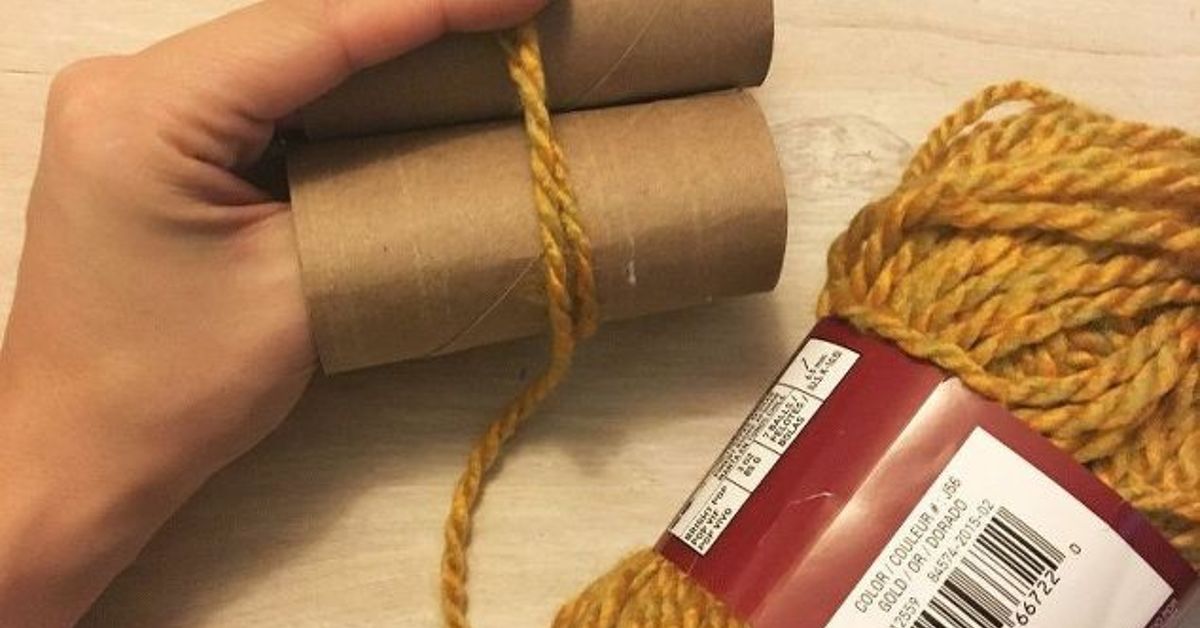
For binoculars, glue two tubes side by side, punch holes near the outer edges, attach yarn, and let kids decorate them. For rockets, wrap a tube in colored paper, add paper fins, and glue a cone to the top. For animals, paint the tube, add ears, eyes, tails, wings, or pipe cleaners, and let imagination do the rest.
These projects are great for rainy days, classroom activities, summer camp, or grandparents who need a low-cost way to entertain children without handing over a tablet and whispering, “May the Wi-Fi be with you.”
9. Make Napkin Rings for Casual Table Settings
Toilet paper rolls can become charming napkin rings with very little effort. Cut each roll into rings about one inch wide, then cover them with fabric scraps, twine, ribbon, burlap, decorative paper, or paint.
For holidays, customize them by season: orange paper and raffia for Thanksgiving, red ribbon for Christmas, floral paper for spring, or nautical twine for summer dinners. Nobody at the table needs to know the origin story unless you enjoy watching people process information in real time.
10. Store Holiday Lights and Garlands
Short strings of holiday lights love to tangle. Small garlands do too. A cardboard tube makes a handy spool.
Cut a notch at one end of the tube, tuck the end of the light string into the notch, wrap the lights around the tube, and secure the other end in a second notch. For delicate garlands, wrap gently and store the tube inside a labeled bin.
This works best for shorter strands. For longer lights, use paper towel tubes or cardboard rectangles. Still, even one tube can save you from the annual December ritual of muttering at a knot while pretending to feel festive.
11. Make a Plastic Bag Dispenser
If you reuse plastic grocery bags for small trash cans or pet cleanup, stuff several bags into a toilet paper roll and pull one out as needed. Keep the tube in a cabinet, car, laundry room, or pantry.
To make it tidier, cover the outside with decorative paper and label it. This turns a loose pile of bags into a compact dispenser. It is not glamorous, but neither is opening a cabinet and being attacked by 37 plastic bags.
12. Use Tubes for Craft Supply Storage
Ribbon, yarn scraps, elastic, embroidery floss, and twine can all be wrapped around toilet paper rolls. Cut a small slit in the tube to secure the end of the ribbon or string, then wrap neatly.
This is especially useful for people who craft often and have a drawer that looks like a craft store sneezed. Tubes keep supplies visible, separated, and less likely to knot themselves into a decorative crisis.
13. Start a Compost “Browns” Stash
Cardboard toilet paper rolls can go into compost as a carbon-rich “brown” material, as long as they are plain, dry, and free from plastic coating, glitter, tape, or heavy ink. Tear them into small pieces first so they break down faster.
Compost needs a balance of browns and greens. Greens include fruit peels, vegetable scraps, coffee grounds, and fresh plant material. Browns include dry leaves, shredded paper, cardboard, and paper towel rolls. Too many greens can create a smelly, wet pile. Browns help absorb moisture and improve airflow.
If you do not compost at home, check local rules before placing cardboard tubes in yard waste or organics bins. Municipal programs vary, and some accept paperboard while others do not.
14. Make Mini Gift Boxes
Toilet paper rolls can become tiny pillow boxes for small gifts. Flatten the tube gently, fold both ends inward in a crescent shape, and decorate with paper, ribbon, stamps, or stickers.
These little boxes are perfect for jewelry, hair clips, gift cards, candy, small toys, handmade notes, or party favors. They look surprisingly polished once decorated. The secret is crisp folding and nice wrapping paper. The cardboard does not need to confess its past.
15. Create a Phone Stand in a Pinch
Need a quick phone stand for watching a recipe video, video calling, or streaming while doing chores? Cut a horizontal slot into the side of a toilet paper roll wide enough to hold your phone. Add four pushpins or small folded cardboard feet to stabilize it.
This is not a luxury tech accessory. It will not win a design award. But for a free stand that takes two minutes, it does the job. Avoid using it near water, heat, or food messes, and do not expect it to hold a heavy tablet unless you enjoy suspense.
16. Make Drawer Sachets or Air Freshener Tubes
Fill a toilet paper roll with dried lavender, cedar chips, dried rosemary, or baking soda wrapped in breathable fabric. Cover both ends with fabric or tissue paper and secure with string. Place it in a drawer, closet, gym bag, or shoe area.
This is a simple way to add a light scent or absorb mild odors. Do not use wet ingredients or essential oils directly on cardboard if the tube will touch clothing, because oils can stain. Keep sachets away from pets and children if they contain botanicals that may not be safe to chew.
17. Build a Marble Run or STEM Toy
Save several rolls and tape them to a wall, cardboard board, or refrigerator using painter’s tape. Angle each tube so a marble, pom-pom, or small ball can travel from one tube to the next.
This turns recycling into a basic engineering lesson. Kids learn about gravity, angles, speed, problem-solving, and why tape never sticks where you want it to on the first try. Use larger pom-poms for younger children to avoid choking hazards.
18. Use Tubes as Boot Shapers
Short boots and soft-sided shoes can slump in the closet. Insert toilet paper rolls inside to help them hold their shape. For taller boots, use paper towel tubes or several toilet paper rolls taped together.
This trick helps closets look neater and can reduce creasing in soft footwear. It is especially useful for seasonal storage when boots sit unused for months.
19. Make Simple Wall Art
Cut toilet paper rolls into thin rings, pinch them into leaf or petal shapes, and glue them together into flowers, wreaths, snowflakes, or geometric patterns. Once dry, spray or brush paint the entire piece for a unified look.
This style of cardboard tube wall art can look surprisingly elegant when painted in a single color. Metallic paint, matte black, white, or soft neutrals can make the finished project look less like “trash craft” and more like “budget-friendly boutique decor.”
20. Use Them for Learning Games
Toilet paper rolls are useful for preschool and elementary learning activities. Write numbers on tubes and have kids drop the matching number of pom-poms inside. Write letters and ask children to match uppercase and lowercase pairs. Create color-sorting tubes, simple bowling pins, counting games, or word-family activities.
The tubes are light, replaceable, and easy to customize. If one gets crushed, nobody has to file an insurance claim. Just grab another roll from the stash and carry on.
Safety Tips Before You Start
Reusing toilet paper rolls is easy, but a few rules keep projects clean and practical. Use only dry, clean tubes. Avoid heavily dyed, glossy, waxy, or scented cardboard for composting and gardening. Do not use tubes for food contact. Supervise children with scissors, glue, string, small beads, marbles, and birdseed. Keep craft materials away from pets that may chew cardboard, string, or glue.
For garden use, watch for mold. Cardboard seed starters should be watered carefully and kept in a ventilated area. If a tube becomes fuzzy, soggy, or smelly, compost or discard it and start again. For bird feeders, keep the feeding area clean and remove old feeders before they become wet or spoiled.
What to Save With Your Toilet Paper Rolls
To make these projects easier, keep a small upcycling box with clean toilet paper rolls, paper towel tubes, fabric scraps, twine, seed packets, old wrapping paper, markers, glue, rubber bands, and labels. When the box is full, stop saving tubes until you use some. Otherwise, your eco-friendly habit may slowly become a cardboard tube empire, and nobody needs to explain that to guests.
A good rule is to save 10 to 20 tubes at a time. That is enough for crafts, garden starters, organizers, and gift boxes without turning your closet into a recycling facility with lighting problems.
Experience: What Actually Works When You Reuse Toilet Paper Rolls
The first time I saved toilet paper rolls for “future projects,” I felt very responsible for about three days. Then I opened a cabinet and discovered a leaning tower of cardboard tubes waiting for purpose, meaning, and possibly a union representative. The lesson was immediate: saving them is only useful if you have a plan. Now I keep a small shoebox under the sink. When the box is full, I either use the rolls that week or recycle the extras. This keeps the habit helpful instead of mildly alarming.
The cord organizer trick is the one I use most often. It is not glamorous, but it solves a real problem. Before using tubes, my charging cables lived together like spaghetti in witness protection. Now each cord has a labeled sleeve. I write the device name directly on the cardboard, and if the cord is important, I add the charging speed or location: “desk lamp,” “Bluetooth speaker,” “travel charger,” or “do not throw away unless you enjoy regret.” The best part is that the tubes stand upright in a small box, so I can see everything at once.
Seed starters are another favorite, but they taught me to be realistic. The tubes work beautifully for quick-growing seedlings, especially beans and peas. They are less charming when I overwater them and create a tiny swamp with plant labels. The fix is simple: use a tray, add drainage, water from the bottom when possible, and do not let the cardboard stay soaked. Before transplanting, I always tear the side of the tube so roots can escape. That one step makes the difference between a healthy seedling and a plant trapped in a cardboard turtleneck.
For kids’ crafts, toilet paper rolls are unbeatable because there is no pressure. Expensive craft kits can make adults hover nervously, trying to protect the “nice supplies.” Cardboard tubes invite experimentation. Paint them badly. Glue feathers on them. Turn them into rockets, owls, monsters, binoculars, or a family of emotionally complex robots. If the project collapses, congratulations: it was free, and you have learned something about tape.
The bird feeder project is fun, especially in colder months, but it is best treated as a temporary activity rather than a permanent backyard installation. I use plain peanut butter, birdseed, and twine, then hang the feeder where birds can perch safely. Once rain hits it or the seeds are gone, I remove it. Leaving soggy cardboard outside is not wildlife care; it is just litter with ambition.
The biggest surprise is how often these rolls solve tiny household annoyances. Wrapping paper stays rolled. Napkin rings appear five minutes before guests arrive. A drawer suddenly has compartments. A small gift gets a handmade box. None of these ideas will change your life in a dramatic movie-trailer voice, but together they make your home a little less wasteful, a little more organized, and a lot more satisfying. Sometimes the best household tool is not expensive, shiny, or sold in a twelve-piece set. Sometimes it is the cardboard tube you almost threw away.
Conclusion
Old toilet paper rolls may not look exciting, but they are one of the easiest household items to reuse. With a few cuts, folds, labels, or coats of paint, they can become seed starters, plant collars, cord organizers, desk dividers, bird feeders, napkin rings, gift boxes, learning games, and craft supplies. They help reduce waste, save money, and bring a little creativity into everyday routines.
The key is to save them with purpose. Keep the clean ones, skip anything damp or dirty, and choose projects that fit your life. Gardeners can turn them into seed pots. Parents can turn them into rainy-day crafts. Organizers can turn them into cable sleeves. Holiday hosts can turn them into napkin rings or gift boxes. And everyone can enjoy the small victory of using something twice before saying goodbye.
So the next time you reach the end of a roll, pause before tossing the tube. That little piece of cardboard may be your next garden helper, drawer organizer, bird feeder, or craft-table superstar. Not bad for something that started its career in the bathroom.













