
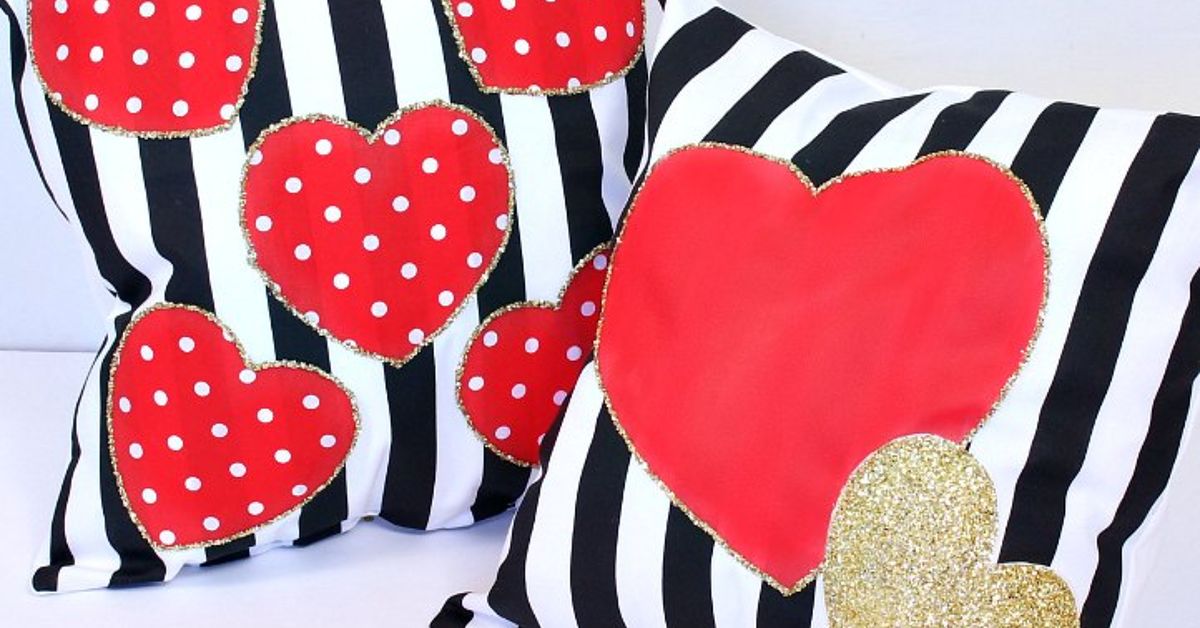
Valentine’s Day decorating does not have to involve glitter explosions, mysterious craft-store receipts, or a sewing machine that looks at you like it knows your weaknesses. Sometimes the sweetest seasonal upgrade is simply a pillow: soft, useful, personal, and charming enough to make your sofa look as if it has been emotionally preparing for February.
Easy Valentine’s Day pillows are one of the best DIY home decor projects because they can be made in many skill levels. Beginners can tie fleece, glue felt hearts, stencil words on a ready-made cover, or use iron-on designs. Sewers can create envelope pillow covers, heart-shaped cushions, patchwork fronts, appliqué details, or tiny pocket pillows that hold a love note. The project can be romantic, playful, rustic, modern, kid-friendly, budget-friendly, or delightfully over-the-top. In other words, your pillow can whisper “be mine” or shout “I bought every red fabric within a five-mile radius.” Both are valid.
This guide walks through simple techniques, material choices, design ideas, step-by-step pillow projects, styling tips, and real-life crafting experience so you can make Valentine pillows that look polished without requiring professional upholstery skills. Whether you want a quick no-sew pillow for a classroom party, a cozy heart pillow for your bedroom, or a handmade gift that does not wilt after three days like a bouquet left near a heater, you are in the right place.
Why Valentine’s Day Pillows Are the Perfect Easy DIY Decor
Throw pillows are small enough to finish in an afternoon, but visible enough to change the mood of an entire room. A few red, pink, cream, blush, or burgundy pillows can instantly warm up a couch, bed, reading chair, nursery rocker, entry bench, or dorm room. Unlike giant seasonal decorations, pillows are easy to store, easy to swap, and easy to customize.
They also make excellent handmade gifts. A Valentine pillow can be personalized with initials, a favorite phrase, a meaningful date, a pocket for a tiny card, or fabric that matches the recipient’s style. For someone who loves cozy nights, books, pets, rom-coms, or dramatic sighing under a blanket, a handmade pillow feels thoughtful without being fussy.
Easy Valentine Pillow Styles to Try
The best style depends on your time, tools, and patience level. Here are several beginner-friendly ideas:
- No-sew fleece heart pillow: Cut two heart shapes from fleece, fringe the edges, tie the strips together, stuff, and finish tying.
- Painted phrase pillow: Use fabric paint and stencils to add words like “love,” “xoxo,” “be mine,” or “sweetheart” to a plain cover.
- Felt appliqué pillow: Cut felt hearts and attach them to a pillow cover with fabric glue or simple stitches.
- Envelope pillow cover: Sew a removable cover with overlapping back panels. No zipper required. Your sewing machine can relax.
- Patchwork heart pillow: Use fabric scraps to create a quilt-inspired heart on the front panel.
- Love note pocket pillow: Add a small pocket to the front of a heart-shaped or square pillow for a card, candy, or secret message.
Best Materials for Easy Valentine’s Day Pillows
Choosing the right materials is half the battle. The other half is not losing your scissors under a pile of fabric even though they were literally just in your hand.
Fabric Choices
Fleece is excellent for no-sew pillows because it does not fray badly and feels soft. It is ideal for kids, group crafts, and cozy bedroom decor. Cotton is easy to sew, comes in endless Valentine prints, and works well for envelope covers or patchwork. Felt is perfect for appliqué hearts, letters, flowers, and layered decorations. Canvas or twill gives a more structured, modern look and works beautifully with stencils, fabric paint, or heat-transfer vinyl. Velvet or faux fur can look luxurious, but beginners should use them for simple covers rather than complicated shapes because slippery fabric enjoys chaos.
Stuffing and Inserts
You can use polyester fiberfill for shaped pillows, small decorative cushions, or no-sew fleece pillows. For square or rectangular pillow covers, a pillow insert gives the cleanest shape. A helpful trick is to choose an insert slightly larger than the cover. For example, an 18-inch insert inside a 17-inch cover can create a plump, designer-style look instead of a sad pancake with seams.
Decorative Supplies
Keep your embellishments simple. Fabric paint, iron-on vinyl, pom-pom trim, ribbon, lace, buttons, embroidery floss, felt, and fusible web can all add personality. If the pillow will be used by children or pets, skip small glued-on pieces that might come loose. Cute is wonderful; safe is better.
Project 1: No-Sew Fleece Heart Pillow
This is the easiest Valentine pillow project and a great choice for beginners, kids, parties, or anyone who believes sewing machines have too many opinions.
Supplies
- Two pieces of fleece, each large enough for your heart shape
- Paper heart template
- Fabric scissors
- Polyester fiberfill
- Fabric marker or chalk
Steps
First, fold a large sheet of paper in half and draw half of a heart. Cut it out, open it, and you have a symmetrical template. Place the template on two layers of fleece and cut two matching hearts. Keep the pieces aligned.
Next, cut small fringe strips around the edge of both fleece layers. The strips should be about one inch wide and two to three inches long. Do not cut too deeply into the center, or your heart will start looking like it survived a lawn mower.
Tie the top fleece strip to the matching bottom strip using double knots. Work around the heart, leaving a small opening. Add fiberfill until the pillow feels full but still soft. Tie the remaining fringe closed. Fluff the pillow, trim uneven fringe if needed, and admire your work dramatically.
Design Variations
Use red and pink fleece for a classic Valentine look, or try cream and blush for softer decor. Patterned fleece with hearts, lips, or conversation-candy colors can make the project more playful. For a modern style, use one solid color and keep the fringe short and tidy.
Project 2: Painted “Love” Pillow Cover
A painted pillow cover looks boutique-worthy but is surprisingly simple. This project works best with a plain cotton, canvas, or linen-blend pillow cover.
Supplies
- Plain pillow cover
- Fabric paint
- Letter stencils or adhesive vinyl stencil
- Foam brush or stencil brush
- Cardboard insert
- Painter’s tape
Steps
Wash and dry the pillow cover if the fabric instructions allow it. Slide cardboard inside the cover so paint does not bleed through. Position your stencil on the front. Painter’s tape helps hold everything in place and prevents the letters from wandering off like tiny alphabet rebels.
Apply fabric paint in light layers with an up-and-down tapping motion. Avoid dragging the brush under the stencil edges. Once the paint looks even, remove the stencil carefully and let the cover dry. Follow the paint manufacturer’s instructions for heat-setting if required. Add the insert, zip or close the cover, and place it somewhere guests can compliment it.
Phrase Ideas
Try “love,” “xoxo,” “be mine,” “hugs,” “kiss kiss,” “all you need,” “heart happy,” or “hello love.” For a family room, playful phrases work well. For a bedroom, a simple script word or monogram can feel more grown-up.
Project 3: Felt Heart Appliqué Pillow
Felt is a Valentine crafter’s best friend. It cuts cleanly, comes in rich colors, and does not demand complicated hemming. Use it to create hearts, flowers, scallops, letters, or a wreath-style design.
Supplies
- Plain pillow cover or fabric pieces for sewing a cover
- Felt sheets in red, pink, white, burgundy, or coral
- Fabric glue, fusible web, or needle and thread
- Heart templates in different sizes
- Scissors
Steps
Cut several felt hearts in different sizes. Arrange them on the pillow front before attaching anything. A scattered design feels playful, while a wreath shape feels polished. You can also layer smaller hearts on top of larger hearts for dimension.
Attach the felt using fabric glue for a quick project or hand stitches for a more durable finish. A simple running stitch around each heart adds handmade charm. If you prefer a clean look, use matching thread. If you want the stitches to become part of the design, use contrasting embroidery floss.
Project 4: Easy Envelope Pillow Cover
An envelope pillow cover is one of the most useful sewing projects because it looks finished without needing a zipper. Once you learn the basic method, you can make covers for every holiday, which is both practical and dangerous for your fabric budget.
Supplies
- Valentine fabric or solid cotton fabric
- Pillow insert
- Measuring tape
- Scissors or rotary cutter
- Pins or clips
- Sewing machine and thread
Steps
Measure your pillow insert. Cut one front panel the same size as your insert for a snug fit. For the back, cut two panels the same width as the front and about three-quarters of the height. Hem one long edge of each back panel. Place the front panel right side up. Place the two back panels right side down so the hemmed edges overlap in the center. Pin around all sides.
Sew around the pillow using a half-inch seam allowance. Clip the corners carefully, turn the cover right side out, push out the corners, and insert the pillow form through the envelope opening. The result is clean, removable, washable, and ready for seasonal glory.
Project 5: Patchwork Heart Pillow
A patchwork heart pillow is ideal if you have fabric scraps from quilting, sewing, or that one ambitious project you started and then quietly placed in a drawer. Small red, pink, floral, gingham, stripe, and neutral pieces can become a charming heart design.
How to Make It Beginner-Friendly
Instead of making a complicated quilt block, cut small squares and arrange them into a heart shape on a plain front panel. Sew or fuse the squares in place, then add simple stitching around the heart. The handmade look is part of the appeal. Do not worry if every square is not perfect. Valentine’s Day is about affection, not geometry.
For a cleaner version, use one large heart cut from patchwork fabric and appliqué it onto a solid pillow cover. This gives the cozy quilted look with fewer seams and less measuring.
How to Style Valentine’s Day Pillows Without Overdoing It
The secret to tasteful Valentine decor is balance. A room does not need to look like Cupid opened a franchise in your living room. Start with one or two statement pillows, then add supporting colors through blankets, candles, flowers, books, or small tabletop decor.
For the Sofa
Pair one heart pillow with neutral pillows in cream, beige, gray, or soft pink. Add a textured throw blanket for warmth. If your sofa is dark, red and blush pillows will pop beautifully. If your sofa is light, burgundy or berry tones add depth.
For the Bedroom
Use Valentine pillows as accents rather than replacing every pillow on the bed. A single “love” pillow in front of white bedding can look elegant. A pair of heart pillows can make a guest room feel cheerful and inviting.
For Kids’ Rooms
No-sew fleece pillows, candy-heart colors, and funny phrases work especially well. Let kids choose their own color combinations. The pillow may not match your design board, but it will match their enthusiasm, which is harder to buy.
Common Mistakes to Avoid
First, avoid overstuffing shaped pillows. Too much fiberfill can distort the heart shape and strain the seams or knots. Add stuffing gradually and check the shape as you go.
Second, do not use regular acrylic paint unless it is mixed with fabric medium. Fabric paint is made to stay flexible, while ordinary paint can dry stiff and crack. Your pillow should feel cozy, not like a decorative cracker.
Third, test glue and heat-transfer materials on scrap fabric when possible. Different fabrics react differently to heat, adhesive, and washing. A quick test can save your final pillow from becoming a cautionary tale.
Finally, keep washability in mind. If the pillow will be used often, choose removable covers, washable fabrics, and secure stitching. If it is purely decorative, you have more freedom to add lace, trims, and delicate embellishments.
Budget-Friendly Tips for Making Valentine Pillows
You do not need expensive supplies to make lovely Valentine pillows. Start by checking what you already own: old sweaters, unused pillow covers, fabric scraps, ribbon, buttons, felt pieces, or plain pillowcases. A thrifted sweater can become a cozy pillow cover. A clearance pillow cover can be transformed with stencils. Leftover quilting cotton can become patchwork hearts.
Craft stores often carry seasonal felt, fleece, trims, and pillow blanks, but you can also keep costs low by making only the pillow cover and reusing inserts you already have. After Valentine’s Day, remove the cover, fold it flat, and store it for next year. Your closet will thank you for not trying to store twelve fully stuffed heart pillows, unless that is the emotional support collection you deserve.
Gift Ideas Using Easy Valentine’s Day Pillows
A handmade pillow becomes even more meaningful when paired with a small extra gift. Add a pocket to the front and tuck in a love note, movie tickets, a printed photo, a gift card, or a tiny chocolate bar. For a best friend, make matching “galentine” pillows. For grandparents, use fabric printed with family photos or add children’s handprints with fabric paint. For a teacher, a small no-sew heart pillow can become a sweet classroom decoration.
You can also create a cozy Valentine basket with a pillow, blanket, tea, cookies, and a handwritten card. It is thoughtful, useful, and far less predictable than another candle named something like “Midnight Raspberry Moon Hug.”
Real-Life Experience: What I Learned Making Easy Valentine’s Day Pillows
The first time I made Valentine’s Day pillows, I assumed the hardest part would be sewing. It was not. The hardest part was deciding which shade of pink looked romantic and which shade looked like bubblegum had taken over my living room. I started with a plain cream pillow cover, red felt, and the brave confidence of someone who had watched too many craft videos. The plan was simple: cut hearts, arrange them in a wreath shape, glue them down, and enjoy my masterpiece.
What I learned immediately is that layout matters. When the hearts were scattered randomly, the pillow looked cute but a little confused, like it had forgotten the theme halfway through. Once I lightly marked a circle on the fabric and arranged the hearts around it, the whole design looked intentional. That small planning step made the difference between “homemade in a sweet way” and “homemade during a power outage.”
The second lesson was to use less glue than my instincts suggested. Fabric glue spreads when pressed, and too much can leave stiff spots. A thin line or small dots worked better. I also placed a piece of cardboard inside the pillow cover so the glue would not seep through to the back. That one trick saved the cover from becoming permanently sealed shut, which is not ideal unless you enjoy decorative envelopes with no opening.
My next experiment was a no-sew fleece heart pillow. This one was more forgiving and honestly more fun. Cutting the fringe took a little time, but tying the knots was relaxing. It is the kind of project you can do while watching a movie, as long as you do not get so distracted that one side has twenty fringe strips and the other side has twelve. The finished pillow looked cheerful, soft, and handmade in the best possible way. It also became the pillow everyone wanted to squeeze, which is a good sign.
Then I tried a painted phrase pillow. I used a stencil and fabric paint to add the word “love” to a plain cover. The biggest surprise was how professional it looked after drying. The trick was patience: light paint layers, no rushing, and removing the stencil carefully. I wanted to peel it off immediately like a dramatic craft reveal, but waiting a few minutes helped keep the edges crisp.
After making several versions, I realized that easy Valentine pillows work best when they match the maker’s actual lifestyle. If you have kids, pets, or snack-loving adults, washable covers are your best friend. If you decorate only for a week or two, a simple pillow cover makes more sense than a complicated heirloom project. If you are giving the pillow as a gift, personalization matters more than perfection. A slightly uneven heart stitched by hand can feel warmer than a flawless store-bought design.
The biggest takeaway is this: Valentine pillows are not just decorations. They are tiny comfort projects. They invite people to sit down, relax, smile, and feel thought of. And if one of them hides a chocolate bar in a pocket, congratulations, you have created both decor and emergency preparedness.
Conclusion: Make Valentine’s Day Softer, Sweeter, and Easier
Easy Valentine’s Day pillows are a practical and creative way to bring seasonal charm into your home without spending a fortune or learning complicated techniques. With fleece, felt, fabric paint, simple sewing, or a ready-made pillow cover, you can create decor that feels personal, cozy, and festive. Start with one project that matches your skill level. Make a no-sew heart pillow with kids, stencil a romantic phrase for the sofa, sew an envelope cover for the bedroom, or craft a pocket pillow with a hidden note.
The beauty of DIY Valentine pillows is that they do not have to be perfect. A handmade pillow carries texture, personality, and effort. It tells someone, “I made this for you,” or perhaps, “I made this for my couch because my couch deserves love too.” Either way, the result is warm, meaningful, and wonderfully huggable.













