
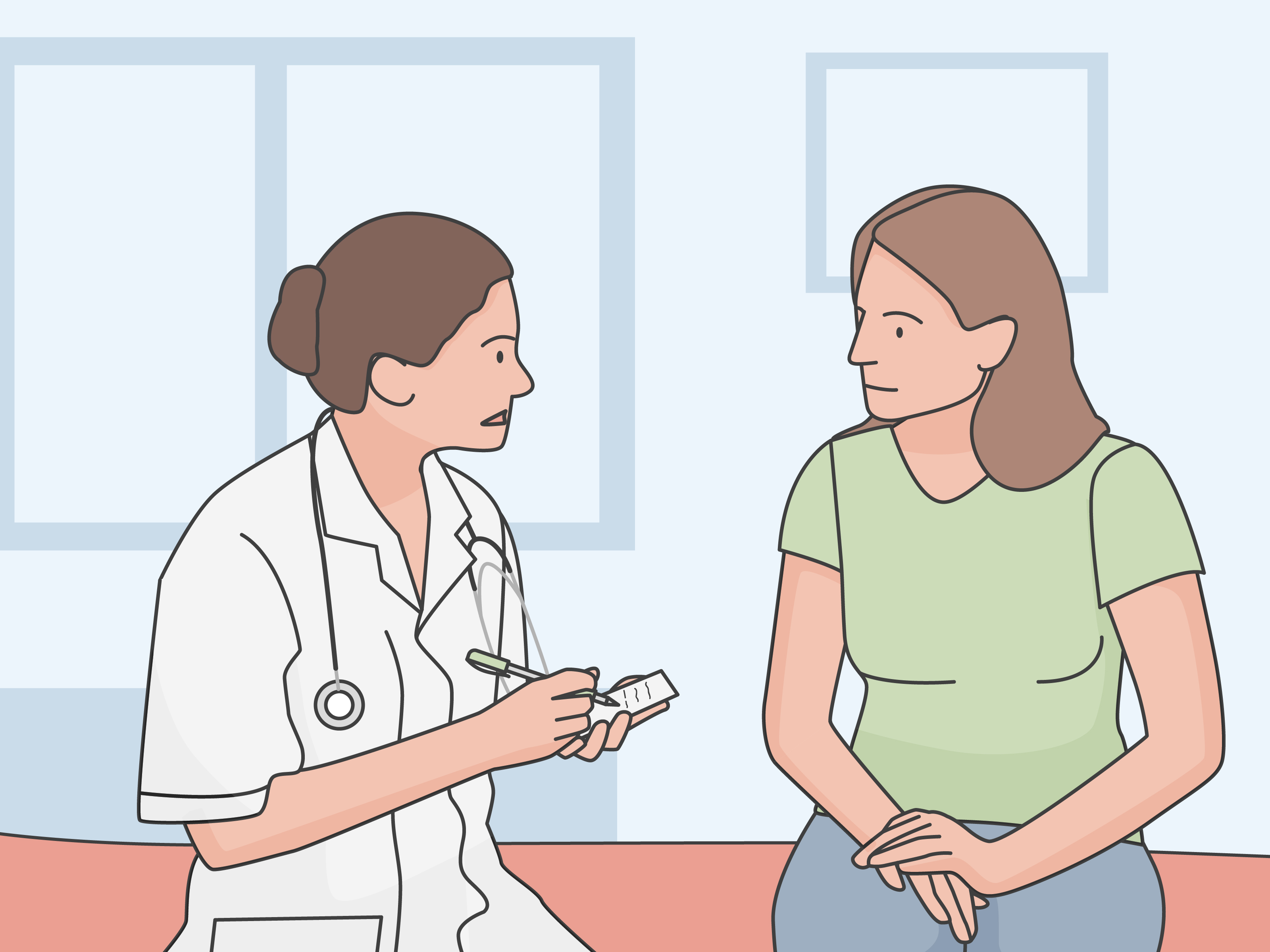
Having an IUD can make you feel like pregnancy is about as likely as being struck by lightning while folding laundry. In other words: possible, but not exactly your top concern. And to be fair, IUDs are incredibly effective. Still, “extremely unlikely” is not the same thing as “physically impossible,” which is why it helps to know what signs to watch for.
The tricky part is that pregnancy symptoms with an IUD do not arrive wearing a neon sign. Some can look like normal IUD side effects, a weird cycle, stress, or your body simply being dramatic on a Tuesday. Hormonal IUDs can also make periods lighter or disappear, which means a missed period may not wave a giant red flag the way it would otherwise. Copper IUDs, on the other hand, can make bleeding heavier, so sudden skipped periods or unexpected symptoms may stand out more clearly.
This guide breaks the topic down into 10 practical steps so you can spot what matters, ignore what does not, and know when to take action. It is educational, not a diagnosis, but it will help you understand when a home test makes sense, when an OB-GYN call should happen sooner rather than later, and why certain symptoms deserve immediate attention. Because when an IUD and a possible pregnancy enter the same group chat, you do not want confusion running the meeting.
Why Pregnancy with an IUD Can Be Hard to Spot
An IUD is one of the most reliable forms of birth control, but no birth control method is 100% effective. If pregnancy does happen, the early signs are often the same ones people experience without an IUD: nausea, breast tenderness, fatigue, bloating, frequent urination, light spotting, or a missed period. The problem is that many of those symptoms overlap with normal hormonal changes, PMS, or common IUD adjustment effects.
That overlap is especially annoying with hormonal IUDs. Some users stop having periods entirely, while others get lighter or shorter bleeding. So if you are waiting for a dramatic movie-scene missed period, your body may simply shrug and offer no useful clues at all. With a copper IUD, period changes may be easier to notice because most people continue having monthly bleeding. If a copper IUD user suddenly skips a period or notices a clear change in symptoms, that deserves attention.
There is another reason this topic matters: if someone becomes pregnant with an IUD in place, the pregnancy needs timely medical evaluation. That does not automatically mean something is wrong, but it does mean you should not treat the situation like a “wait and see sometime next month” issue.
10 Steps to Know if You Might Be Pregnant with an IUD
Step 1: Notice a missed period or a major cycle change
This is still one of the biggest clues, but context matters. If you have a copper IUD and your period is suddenly late or missing, take that seriously. Copper IUD users usually keep getting periods, so a skipped one is not something to casually file under “mystery of the month.”
If you have a hormonal IUD, the situation is trickier. A lighter period, random spotting, or no period at all may be totally normal. In that case, look for a change from your personal pattern. For example, if you usually have a little monthly spotting and suddenly have none, or if your body adds nausea and sore breasts to the plot, those changes may be worth investigating.
Step 2: Pay attention to classic early pregnancy symptoms
The usual early pregnancy signs still count when you have an IUD. Watch for breast tenderness, fatigue, nausea, bloating, increased urination, and a general feeling that your body is “off” in a way that is new for you. No single symptom proves pregnancy, of course. Bodies are wonderfully chaotic. But a cluster of symptoms is more meaningful than one random complaint.
For example, feeling a little tired after a busy week means almost nothing. Feeling tired plus nauseated plus unusually tender breasts plus a strange change in bleeding? That combination deserves a closer look.
Step 3: Do not automatically blame spotting or cramping on your IUD
This is where many people get tripped up. Spotting and cramps can happen with IUD use, especially in the first few months. But they can also happen in early pregnancy. That means new bleeding or cramping should be judged by timing, severity, and pattern, not by wishful thinking.
If the spotting is light and brief, it may still be benign. But if you also have pelvic pain, one-sided pain, worsening discomfort, or a positive pregnancy test, that is no longer a “probably nothing” situation. Think of it this way: minor cramping may be common, but common is not the same thing as harmless in every context.
Step 4: Check whether your IUD strings feel different
If you normally check your strings, notice whether they suddenly feel longer, shorter, missing, or just strangely different. Also pay attention if you can feel the hard plastic part of the device instead of only the strings. That may suggest the IUD has shifted or partially expelled.
This does not confirm pregnancy on its own. But if your strings feel different and you also have symptoms of pregnancy, the combination becomes more important. A moved IUD can reduce contraceptive reliability and should be assessed by a healthcare professional.
Step 5: Take a home pregnancy test at the right time
This is the simplest and smartest first check. A home pregnancy test works by detecting hCG in urine. For the best chance of an accurate result, test after the first day of a missed period. If your periods are irregular or mostly absent with a hormonal IUD, take a test when symptoms suggest pregnancy or about three weeks after the sex you are worried about.
Use first-morning urine if possible, follow the instructions like they are sacred text, and use a timer instead of guessing. Pregnancy tests are usually very accurate when used correctly, but testing too early is a classic way to invite confusion into your life.
Step 6: If the first test is negative but your symptoms continue, test again
A negative test does not always end the story, especially if you tested early. hCG rises quickly in early pregnancy, so a test taken too soon may miss it. If you still feel suspiciously pregnant, repeat the test in 48 hours to a few days, or see a clinician for follow-up testing.
This step matters because many people stop after one negative test even while their symptoms keep piling up. If your body is still sending weird little memos, read them.
Step 7: Treat a positive test like something that needs prompt follow-up
If your home pregnancy test is positive and you have an IUD, call your doctor, OB-GYN, clinic, or other qualified healthcare provider promptly. Do not panic, but do not put it off. Pregnancy with an IUD should be medically evaluated sooner rather than later to confirm where the pregnancy is located and what happens next.
And no, this is not the moment for DIY gynecology. Do not try to remove the IUD yourself just because the internet exists and someone somewhere once posted a terrible idea.
Step 8: Ask about blood testing and an ultrasound
If pregnancy is suspected or confirmed, a clinician may use blood hCG testing and ultrasound to confirm the pregnancy and determine whether it is inside the uterus. This step is important because a positive test tells you that pregnancy hormone is present, but it does not tell you where the pregnancy is located.
That distinction matters. A normal intrauterine pregnancy and an ectopic pregnancy can both start with the same positive stick from the pharmacy. The home test is the opening scene, not the whole movie.
Step 9: Learn the warning signs of ectopic pregnancy
This is the step nobody loves, but everybody should know. If pregnancy occurs with an IUD in place, ectopic pregnancy becomes a key concern. Warning signs can include one-sided pelvic or abdominal pain, vaginal bleeding, shoulder pain, dizziness, fainting, or severe worsening pain.
If those symptoms show up, seek urgent medical care. Do not wait to see whether it “settles down.” This is especially true if pain is sharp, severe, or paired with feeling faint. When your body starts sending emergency texts, answer them.
Step 10: Let a professional decide what happens with the IUD
If pregnancy is confirmed, the next step depends on the situation. A healthcare professional may recommend removing the IUD if it can be done safely, especially if the strings are visible. But that decision should be made in a medical setting after the pregnancy is evaluated.
The key point is simple: if you think you may be pregnant with an IUD, your job is to notice symptoms, test, and get appropriate care. Your job is not to become your own emergency OB-GYN with a bathroom mirror and misplaced confidence.
What Doctors Often Look At Next
Once you contact a provider, they usually want to answer a few important questions quickly. First, are you definitely pregnant? Second, where is the pregnancy located? Third, is the IUD still properly positioned? And fourth, are you having any warning signs that need urgent treatment?
A clinician may ask when your last period happened, what type of IUD you have, whether you can feel the strings, what symptoms you are having, and when they started. They may perform or order a urine or blood pregnancy test, then use ultrasound to determine whether the pregnancy is in the uterus or elsewhere.
If the pregnancy is intrauterine, they will talk through next steps based on your medical situation. If it is ectopic or strongly suspected to be ectopic, treatment needs to happen promptly. Either way, professional evaluation is the move. Google is a search engine, not a pelvic ultrasound.
Common Mistakes People Make
- Assuming an IUD makes pregnancy literally impossible.
- Ignoring symptoms because they seem “too mild.”
- Blaming every cramp or spotting episode on the IUD without considering timing and pattern.
- Testing too early, getting a negative result, and deciding the case is closed.
- Trying to remove the IUD at home.
- Waiting too long to seek care after a positive test or warning symptoms.
The good news is that all of these mistakes are avoidable once you know what to watch for. Awareness beats anxiety every time.
Experiences People Commonly Share About Suspecting Pregnancy with an IUD
Many people who later learn they are pregnant with an IUD say the first clue was not dramatic at all. It was usually something small and oddly specific. One person notices that coffee suddenly smells like a personal attack. Another realizes their breasts are much sorer than what they normally get before spotting. Someone else with a hormonal IUD, who has not had a real period in months, starts feeling unusually tired and cannot explain why climbing one flight of stairs feels like a full athletic event.
A very common experience is second-guessing yourself. Because IUDs are so effective, many people talk themselves out of the possibility at first. They think, “It can’t be pregnancy, I have an IUD,” and then spend several days blaming stress, poor sleep, travel, or the mysterious consequences of eating takeout at midnight. That hesitation is understandable, but it is also why simple symptom tracking helps. When you write things down, patterns become harder to ignore.
People with hormonal IUDs often describe the confusion of having no reliable cycle to compare anything against. Without a monthly period, there is no obvious missing date circled on the calendar. Instead, they notice a stack of subtler changes: nausea for several mornings in a row, unusual bloating, feeling overheated, a sudden aversion to favorite foods, or cramping that feels different from their usual IUD-related sensations.
Copper IUD users often tell a slightly different story. Because they usually still bleed monthly, a skipped period tends to get attention faster. But even then, some hesitate to test because they know copper IUDs can make periods weird in the first place. A late period becomes, “Maybe my cycle is just off,” until another symptom joins the party and the denial tour ends.
Another experience people mention is anxiety after noticing a string change. Maybe the strings seem longer. Maybe they cannot find them at all. Maybe sex feels uncomfortable in a way that is new. Those signs do not automatically mean pregnancy, but they often push people to finally take a test or schedule an appointment. In many cases, that is exactly the right move.
Emotionally, the experience is often a strange mix of disbelief and urgency. Disbelief because an IUD was supposed to be the reliable overachiever of birth control. Urgency because once a pregnancy test turns positive, the question is no longer just “Am I pregnant?” but also “Is the pregnancy in the right place?” That is why people frequently say the most helpful thing they did was seek care quickly instead of spiraling online for hours.
The biggest takeaway from these shared experiences is not that every odd symptom means pregnancy. It is that your normal pattern matters. If something feels significantly different from your usual IUD experience, trust that observation enough to check it out. A five-minute test can answer questions that your anxious brain will happily stretch into a three-day mini-series.
Conclusion
Knowing whether you might be pregnant with an IUD comes down to one smart principle: take changes seriously without jumping straight into panic mode. Watch for missed or unusual periods, classic pregnancy symptoms, unexpected spotting or cramping, and string changes. Use a home pregnancy test at the right time, repeat it if needed, and get prompt medical follow-up if the result is positive or your symptoms are concerning.
The headline here is simple. IUDs are excellent at preventing pregnancy, but rare things still happen. When they do, fast and informed action matters. If your symptoms seem off, test early, follow up quickly, and let a qualified clinician handle the next steps. Calm beats chaos, and information beats guessing.














