
“`
Buying a house is exciting in the same way adopting a golden retriever puppy is exciting: adorable at first glance, expensive five minutes later, and suddenly everyone has opinions. Most homebuyers remember to ask about the price, number of bedrooms, mortgage rate, school district, and whether the kitchen has enough counter space for both a coffee maker and emotional support snacks.
But the smartest homebuying questions are often the quiet ones. They do not show up on glossy listing photos. They hide in utility bills, HOA documents, drainage patterns, old permits, insurance quotes, neighbor conversations, and that suspiciously fresh patch of paint in the basement. These overlooked questions can reveal whether a home is a dream investment or a very charming money vacuum wearing shutters.
This guide covers eight questions no one thinks to ask before buying a house, along with practical examples, buyer-friendly analysis, and real-world experience to help you shop with confidence. A home is not just a purchase; it is a lifestyle, a financial commitment, a maintenance schedule, and occasionally a place where you discover the previous owner believed “DIY electrical work” meant “let the wires express themselves.”
Why the Forgotten Questions Matter More Than the Obvious Ones
Most buyers focus on affordability, location, and aesthetics. That makes sense. You need to know whether the monthly mortgage payment fits your budget, whether the commute will make you question your life choices, and whether the living room can hold your couch without blocking the front door like a furniture-based security system.
However, the deeper questions help you understand total ownership cost, safety, resale value, repair risk, and daily comfort. A house with a fair purchase price may become expensive if property taxes jump, insurance is hard to obtain, the HVAC system is near retirement, or the neighborhood has drainage problems after every storm. The goal is not to become suspicious of every house. The goal is to become curious before you become legally responsible for a roof.
1. What Will This House Cost Me After the Mortgage Payment?
The mortgage payment is only the headline number. It is the big neon sign. But homeownership has an entire supporting cast: property taxes, homeowners insurance, HOA dues, utilities, maintenance, repairs, lawn care, pest control, and sometimes private mortgage insurance. Closing costs also matter because they can add thousands of dollars to the cash needed at settlement.
Before buying a house, ask for a full monthly ownership estimate. Include principal, interest, taxes, insurance, HOA fees, flood insurance if applicable, average utilities, and a repair reserve. A simple rule of thumb is to budget at least 1% of the home’s value per year for maintenance, though older homes or homes with aging major systems may require more.
Example question to ask
“Can we estimate the true monthly cost of this home, including taxes, insurance, HOA fees, utilities, and maintenance?”
A $2,100 mortgage payment may sound comfortable until the full monthly number becomes $2,850 after taxes, insurance, HOA dues, and utilities. That is not a rounding error. That is a car payment wearing a tiny roof.
2. What Problems Are Not Covered by the Standard Home Inspection?
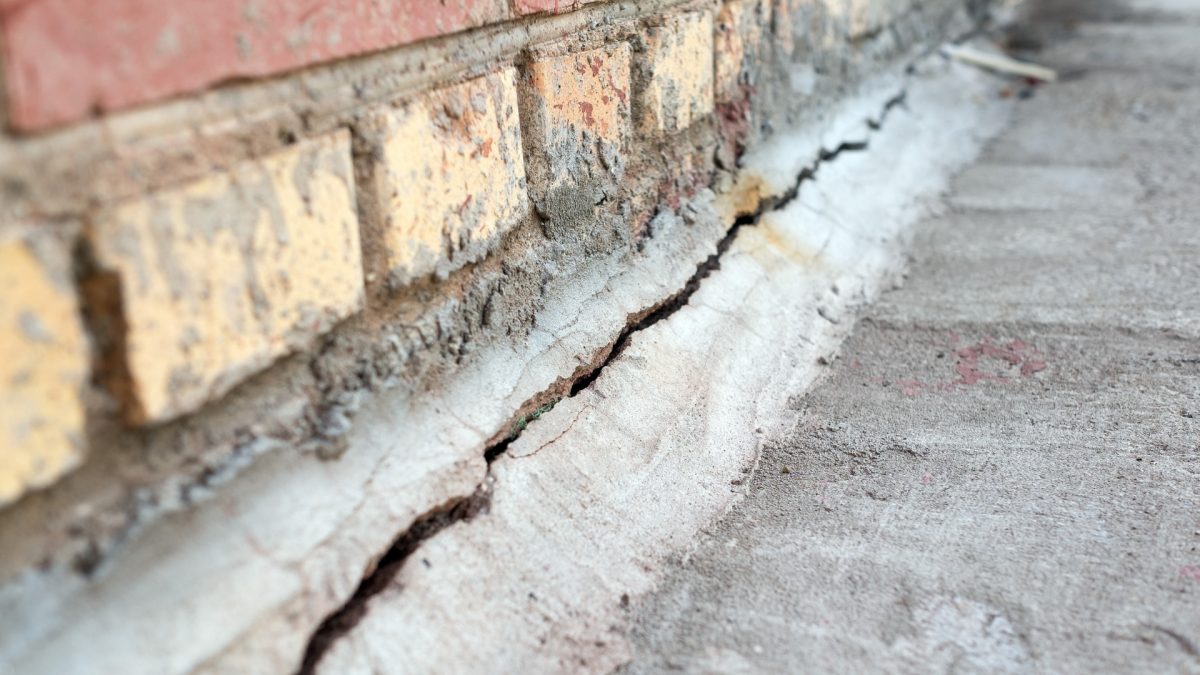
A home inspection is essential, but it is not a magic wand. A general inspector reviews visible and accessible systems, but many issues require specialized inspections. Sewer lines, septic systems, wells, chimneys, pools, pests, radon, mold, drainage, asbestos, and lead-based paint may need separate experts depending on the property.
This matters because some of the most expensive home problems are hidden underground, behind walls, or in places the general inspection cannot fully evaluate. A sewer scope, for example, may reveal root intrusion or a collapsed line before you buy. Without it, you may discover the problem later when your bathtub starts behaving like a swamp with plumbing credentials.
Smart follow-up questions
Ask the inspector: “What did you not inspect, and what specialists would you recommend for this property?” Also ask whether the roof, foundation, electrical panel, HVAC, plumbing, and drainage appear to need further review.
For homes built before 1978, buyers should pay close attention to lead-based paint disclosures. For older materials, renovation plans can also raise questions about asbestos. Environmental and safety issues should not automatically scare you away, but they should be understood before you sign.
3. Has Water Ever Been Where Water Should Not Be?
Water is peaceful in a lake, useful in a sink, and rude in a basement. Before buying a house, ask direct questions about past water intrusion, flooding, roof leaks, plumbing leaks, foundation seepage, grading problems, and sump pump history.
Look beyond the official flood zone. A home does not need to sit in a high-risk flood area to have water issues. Poor grading, clogged gutters, old drainage systems, nearby construction, heavy storms, and overloaded municipal systems can all create problems. Check whether the yard slopes toward the house, whether downspouts discharge close to the foundation, and whether the basement smells musty during a showing.
Questions worth asking
“Has the home ever had water in the basement, crawl space, garage, or lower level?” “Has the roof ever leaked?” “Is there a sump pump, and does it have a backup power source?” “Are flood insurance quotes available?”
Flood risk is also changing in many areas. Buyers should review available flood maps, local drainage history, and insurance requirements. A beautiful home near water may offer stunning views, but the water should remain scenery, not a roommate.
4. Can I Actually Get Affordable Insurance for This Home?
Many buyers assume homeowners insurance is automatic. In some markets, that assumption can be expensive. Insurance availability and cost can be affected by location, roof age, wildfire exposure, coastal risk, claim history, building materials, electrical systems, plumbing, and distance from fire protection.
Before making a final decision, request insurance quotes early. Do not wait until the week of closing, when your stress level is already high enough to hear colors. Ask whether the insurer has concerns about the roof, electrical panel, heating system, trees, prior claims, or regional risks.
What to ask an insurance agent
“Is this home easy to insure?” “What coverage exclusions should I understand?” “Do I need separate flood, earthquake, windstorm, or sewer backup coverage?” “Would the premium change if the roof, electrical, plumbing, or HVAC system were updated?”
Remember, a standard homeowners policy typically does not cover every disaster. Flood damage usually requires separate flood insurance. Sewer backup, earthquake coverage, and certain regional risks may require endorsements or separate policies. The cheapest policy is not always the best policy if it leaves obvious gaps big enough to drive a moving truck through.
5. What Do the HOA, Condo Rules, or Deed Restrictions Actually Allow?
HOA rules are not light reading. They are the kind of documents that can make a coffee table feel like a law library. Still, buyers should read them before closing. HOA or condo rules can affect pets, parking, rentals, exterior paint colors, landscaping, fences, holiday decorations, home businesses, short-term rentals, and renovations.
Ask for the covenants, conditions, and restrictions, bylaws, recent meeting minutes, budget, reserve study, fee history, and any pending special assessments. A low monthly HOA fee may look appealing, but if the association has weak reserves, owners may face special assessments for roofs, roads, elevators, siding, pools, or other shared repairs.
Practical questions
“Are there upcoming special assessments?” “How often have dues increased?” “Are rentals restricted?” “Are there lawsuits involving the association?” “Are there rules that could affect my plans for pets, parking, renovations, or resale?”
If you dream of painting your front door bright yellow, parking a work van in the driveway, or renting the home later, confirm the rules first. Otherwise, your HOA may introduce itself not with cookies, but with a violation letter written in the tone of a disappointed principal.
6. What Is the Permit and Repair History?
A renovated kitchen is lovely. An unpermitted renovated kitchen can be less lovely, especially if the wiring was performed by someone whose main qualification was owning a ladder. Before buying a house, ask about permits for additions, finished basements, decks, electrical upgrades, plumbing changes, HVAC replacements, roof work, and structural modifications.
Permit rules vary by location, but unpermitted work can create safety concerns, insurance issues, financing challenges, appraisal problems, or resale complications. Some buyers discover later that a finished basement is not legally recognized as living space, or that an addition does not comply with local code.
How to investigate
Ask the seller for receipts, warranties, contractor information, permits, and final approvals. Ask your agent how to check municipal records. Compare the listing description with public records: square footage, bedroom count, bathroom count, and major improvements should make sense.
Repairs also tell a story. A recently replaced roof, updated electrical panel, newer HVAC system, or upgraded plumbing can be a major plus. But vague answers like “the previous owner handled that” deserve follow-up. In homebuying, mystery is fun in novels, not in load-bearing walls.
7. How Does This Home Behave at Different Times of Day and Week?
A home showing is a staged performance. The lights are on, the counters are clear, the music is gentle, and somehow nobody’s laundry exists. Real life is less curated. Visit the neighborhood at different times: morning commute, evening, weekend, and after rain if possible.
Listen for traffic, train noise, barking dogs, school pickup chaos, nightlife, construction, or industrial sounds. Check street parking. Watch how fast cars move. Look at lighting at night. Notice whether neighbors maintain their homes. A house may feel peaceful at 2 p.m. on a Tuesday and very different at 9 p.m. on a Saturday when the nearby bar’s karaoke champion begins defending his title.
Questions to ask neighbors
“How do you like living here?” “Does the street flood?” “Is parking difficult?” “Are there noise issues?” “What do you wish you knew before moving here?”
Neighbors can provide context that listings cannot. Be polite, friendly, and respectful. You are not interrogating them like a detective in a cardigan. You are gathering daily-life information that can help you avoid surprises.
8. Will This Home Still Work for Me in Five to Ten Years?
A home should fit your life now, but it should also have some flexibility. Before buying, think about future needs: remote work, family changes, aging relatives, pets, hobbies, storage, accessibility, commuting, school changes, and resale value.
Ask whether the layout can adapt. Is there space for a home office? Can the main level support aging-in-place needs later? Is the yard manageable? Are there stairs everywhere? Can the garage actually fit a car, or is it mostly a ceremonial room for paint cans and holiday decorations?
Resale matters even if you plan to stay for years. Consider whether the home has broad appeal: functional layout, reasonable bedroom count, parking, location, school access, condition, and manageable ownership costs. Highly unusual homes can be wonderful, but they may take longer to sell. A purple castle-shaped house with seven spiral staircases might be your soulmate, but the buyer pool may be smaller than you hope.
Experience-Based Advice: What Buyers Often Learn the Hard Way
Experience has a way of teaching homebuyers lessons with a clipboard and a bill. One of the biggest lessons is that the “best” house is not always the prettiest one. A shiny kitchen can distract from an aging roof, tired HVAC system, damp crawl space, or insurance problem. Many buyers fall in love with finishes because finishes are visible. But the expensive parts of a house are often boring: roof, foundation, sewer line, electrical panel, plumbing, windows, insulation, and drainage. Boring is where the money hides.
A useful habit is to walk through a house twice. The first visit is emotional. You imagine furniture, weekend breakfasts, movie nights, and where the dog might nap even if you do not own a dog. The second visit should be practical. Open closets. Look under sinks. Check ceilings for stains. Stand in the basement quietly and smell the air. Look at the electrical panel. Ask the age of the water heater. Study the driveway, gutters, grading, and trees. A large tree close to the home can be beautiful, but roots, branches, and insurance concerns may matter.
Another lesson: monthly comfort matters more than maximum approval. Just because a lender approves a certain loan amount does not mean that number is your ideal budget. A buyer can be “approved” and still feel financially squeezed after moving in. Leave room for furniture, repairs, rising taxes, insurance changes, and the inevitable moment when an appliance decides to retire dramatically on a holiday weekend.
Buyers also learn that sellers’ disclosures are important but not complete protection. Sellers may not know about every issue, and disclosure rules vary by state. That is why inspections, document review, permit checks, insurance quotes, and local research matter. Think of disclosures as one piece of the puzzle, not the whole jigsaw box.
Neighborhood research is another area where experience pays off. Drive around, walk the block, talk to residents if appropriate, and search local planning or zoning updates. A quiet empty lot nearby may become new construction. A charming street may have limited parking. A perfect commute may become less perfect if traffic patterns change during school hours. You are not just buying a structure; you are buying daily routines.
Finally, do not ignore your own personality. Some buyers enjoy projects. Others become emotionally defeated by a loose doorknob. Be honest about your tolerance for repairs, contractors, dust, delays, and decision-making. A fixer-upper can be a smart purchase for the right buyer, but it is not automatically a bargain. Sometimes “needs a little TLC” means paint. Sometimes it means the house needs therapy, financing, and a structural engineer.
The best homebuying experience comes from balancing excitement with investigation. Love the home, but verify the details. Dream about the future, but read the HOA minutes. Admire the kitchen island, but ask about the sewer line. A smart buyer is not negative; a smart buyer is prepared. And prepared buyers sleep better after closing.
Conclusion
Before buying a house, ask the questions that reveal the real cost, condition, risk, and lifestyle fit of the property. The overlooked details can matter as much as the asking price. True homebuying confidence comes from understanding what you are buying, what you may need to repair, what you must insure, what rules you must follow, and how the home will support your life over time.
A house does not need to be perfect. No home is. Even new homes have quirks, and older homes often come with character, charm, and at least one mystery switch that appears to control nothing. The point is to know the trade-offs before they become your trade-offs. Ask better questions now, and your future self may thank you while sitting comfortably in a living room that does not smell like basement water.
Note: This article is for general educational purposes and should not replace advice from a licensed real estate agent, home inspector, insurance professional, attorney, lender, or local housing expert.
“`














