
Note: This article is based on current public product specifications and bathroom design guidance for vintage-style wall-mounted vessel sink faucets, including brass construction, 8-inch wall-mount centers, ceramic disc cartridge performance, and 1.2 GPM lavatory faucet flow standards.
A bathroom faucet is not usually the first thing people brag about at dinner parties. Nobody leans across the table and says, “You should see the water delivery angle in my powder room.” But maybe they should. The right faucet can quietly turn a plain sink area into a charming, intentional design moment. That is exactly where the Elements of Design Vintage Wall-Mounted Vessel Sink Faucet earns its place.
This style of faucet blends old-world character with practical modern function. It has the kind of vintage personality that looks like it belongs in a restored farmhouse, a moody powder room, a cottage-style guest bath, or a traditional bathroom with just enough drama to keep things interesting. Mounted on the wall rather than the countertop, it also clears valuable surface space and creates a cleaner, more custom-looking vanity setup.
For homeowners, remodelers, and design lovers searching for a vintage wall-mounted vessel sink faucet, the appeal is simple: it looks classic, saves counter space, and pairs beautifully with vessel sinks. But like all bathroom fixtures, the magic is in the details. Spout reach, mounting height, finish, handle style, water flow, and installation planning all matter. Choose well, and your sink area feels like a boutique hotel. Choose poorly, and you may accidentally create a tiny splash park next to your hand towel.
What Is the Elements of Design Vintage Wall-Mounted Vessel Sink Faucet?
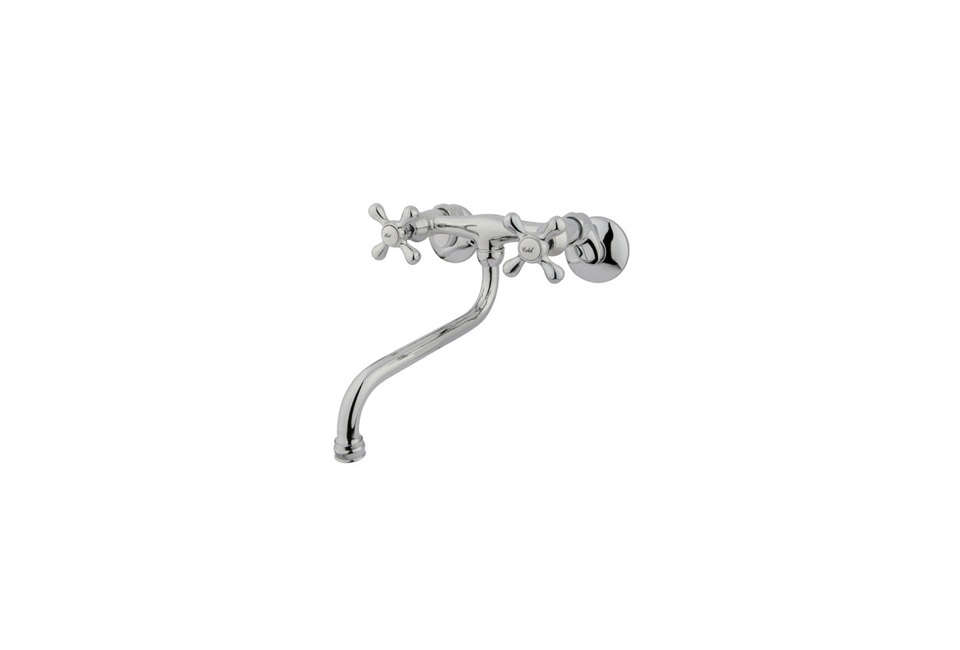
The Elements of Design Vintage Wall-Mounted Vessel Sink Faucet is a traditional-style bathroom faucet designed to install directly into the wall behind or above a sink. Unlike a deck-mounted faucet, which sits on the vanity top or sink rim, this faucet keeps the counter clear and lets the spout project outward from the wall.
The vintage design often includes cross handles, a low-arc or gently curved spout, and classic detailing that feels inspired by early 20th-century bathrooms. It is the opposite of a cold, ultra-minimalist faucet that looks like it came from a spaceship with excellent water pressure. This one is warmer, more decorative, and more architectural.
Many models in this category are built with solid brass construction, ceramic disc cartridges, and corrosion-resistant finishes. Those are not just marketing words sprinkled on the product page like parsley. Brass is valued in bathroom fixtures because it offers strength and durability, while ceramic disc cartridges help reduce dripping and provide smoother handle operation. In daily use, that means fewer annoying leaks, easier control, and a faucet that feels more substantial in the hand.
Why Wall-Mounted Faucets Work So Well With Vessel Sinks
Vessel sinks sit above the countertop like a bowl, basin, or sculptural object. Because they rise higher than standard undermount sinks, they often need a faucet with extra height or reach. A wall-mounted faucet solves this neatly by letting the water flow from the wall into the basin.
This setup is especially attractive in powder rooms, guest bathrooms, and compact vanities. Since the faucet does not take up counter space, the vanity can feel less crowded. That matters when your bathroom counter is already trying to host soap, a toothbrush cup, a candle, three skincare bottles, and one mysterious item nobody remembers buying.
Wall-mounted faucets also create a more custom appearance. They suggest that the bathroom was thoughtfully planned rather than assembled in a hurry during a weekend renovation fueled by coffee and panic. When paired with a vessel sink, the faucet becomes part of the design composition: wall, mirror, sink, vanity, and hardware all working together.
Key Design Features That Make It Stand Out
Vintage Cross Handles
Cross handles are one of the defining details of a vintage-style faucet. They immediately create a traditional look and offer easy grip control. In a bathroom with beadboard, marble, subway tile, antique brass lighting, or a furniture-style vanity, cross handles feel right at home.
They also give the faucet a tactile charm. Turning a cross handle feels more deliberate than flicking a modern lever. It is a small detail, but small details are often what make a bathroom feel finished instead of merely functional.
Wall-Mounted Installation
The wall-mounted format is both practical and stylish. It frees the countertop, simplifies the visual line around the sink, and can make a small vanity feel more spacious. This is particularly helpful with vessel sinks because the basin itself already occupies attention and space.
However, wall-mounted installation requires planning. The plumbing must be positioned inside the wall at the correct height and center spacing. If you are remodeling from scratch, this is manageable with a plumber. If you are replacing an existing deck-mounted faucet, the project can become more involved because supply lines may need to be moved.
Solid Brass Construction
Solid brass construction is a major selling point for quality bathroom faucets. Brass resists corrosion better than many lower-cost materials and gives the fixture a reassuring weight. A faucet should not feel like it might apologize and fall apart after three months. Brass helps avoid that situation.
In a vintage-style faucet, brass also supports the traditional character of the design. It is the kind of material that makes sense for a fixture meant to look timeless, not disposable.
Ceramic Disc Cartridge
A ceramic disc cartridge helps control water flow using two hard ceramic discs that open and close as the handle turns. Compared with older washer-style mechanisms, ceramic cartridges are known for smoother operation and improved drip resistance.
For homeowners, the benefit is simple: the faucet is less likely to develop that tiny, maddening drip that somehow sounds louder at midnight than a marching band in a hallway.
Oil-Rubbed Bronze, Chrome, Nickel, and Brass Finishes
The Elements of Design vintage wall-mounted faucet style is commonly associated with finishes such as oil-rubbed bronze, polished chrome, brushed nickel, and polished brass. Each finish changes the personality of the faucet.
Oil-rubbed bronze feels warm, traditional, and slightly rustic. It pairs well with dark mirrors, wood vanities, cream walls, stone, and farmhouse-inspired spaces. Polished chrome looks crisp and classic, especially in bathrooms with white tile or black-and-white contrast. Brushed nickel is softer and more transitional, making it useful when you want vintage charm without going fully antique. Polished brass brings drama, warmth, and a little “yes, I planned this” energy.
How to Choose the Right Sink Pairing
The best vessel sink pairing depends on the height, depth, width, and shape of the basin. The faucet’s water stream should land near the drain or lower center area of the sink. If the spout is too short, water may hit the back wall of the basin. If it is too long, it may overshoot the comfortable washing zone. If it is mounted too high, splashing can become the bathroom’s least charming feature.
For shallow vessel sinks, a low-arc faucet can help reduce splash, but only if the spout reach is correct. For deeper bowls, there is more forgiveness because the basin walls help contain water. Rectangular sinks can work beautifully with wall-mounted faucets, but the stream should still fall in a practical spot.
Before purchasing, measure the sink from front to back, note the drain position, and compare it with the faucet’s spout reach from the wall. This is not the glamorous part of bathroom design, but it is the part that keeps your countertop dry. Glamour is better when it does not require a mop.
Installation Considerations Before You Buy
Check the Wall-Mount Center Spacing
Many vintage wall-mounted bathroom faucets use an 8-inch center configuration. That means the hot and cold connections are spaced 8 inches apart from center to center. Some models allow slight adjustment, which is helpful when rough plumbing is not perfectly aligned.
This measurement matters. If the wall plumbing does not match the faucet, installation becomes frustrating, expensive, or both. Always review the specification sheet before ordering and confirm with a plumber if the wall is already closed.
Plan the Faucet Height Carefully
Height is one of the most important decisions with a wall-mounted vessel sink faucet. The spout must clear the sink rim while still staying low enough to reduce splash. The ideal height depends on the vanity height, vessel sink height, sink depth, and spout shape.
A common approach is to position the faucet so the water falls comfortably into the basin with enough room for handwashing. Too low, and your hands feel cramped. Too high, and every hand wash becomes a countertop weather event.
Think About the Backsplash and Mirror
Because the faucet mounts to the wall, it competes for space with tile, backsplash material, mirrors, medicine cabinets, and lighting. A beautiful faucet can look awkward if it crowds the bottom of the mirror or interrupts a decorative tile pattern.
During planning, sketch the wall elevation or use painter’s tape to mark the faucet, sink, mirror, and backsplash placement. It may feel overly careful, but it is much easier than discovering after installation that the faucet handle hits the mirror frame.
Where This Faucet Looks Best
The Elements of Design Vintage Wall-Mounted Vessel Sink Faucet is especially well suited to bathrooms with character. It can work in traditional homes, renovated bungalows, farmhouse-style powder rooms, cottage bathrooms, vintage-inspired apartments, and even eclectic modern spaces that need a warmer focal point.
In a small powder room, it can become the star of the vanity wall. Pair it with a round mirror, a compact vessel sink, patterned wallpaper, and warm sconces, and suddenly the smallest room in the house has main-character energy.
In a farmhouse bathroom, oil-rubbed bronze or polished brass can pair nicely with a wood vanity, white shiplap, or stone countertop. In a more classic bathroom, polished chrome with white subway tile and marble creates a look that feels clean, timeless, and hard to regret.
Pros and Cons of a Vintage Wall-Mounted Vessel Sink Faucet
Pros
One of the biggest advantages is counter space. Because the faucet is mounted on the wall, the vanity top is easier to keep clear. This is useful in small bathrooms and powder rooms where every inch counts.
Another benefit is visual impact. A vintage wall-mounted faucet looks intentional and often more custom than a standard deck-mounted option. The cross handles, traditional spout, and classic finish can instantly elevate a simple sink area.
Durability is also a strong point when the faucet uses solid brass construction and a ceramic disc cartridge. These features are associated with longer-lasting performance and smoother use over time.
Cons
The biggest downside is installation complexity. Wall-mounted faucets usually require plumbing inside the wall, which can increase labor costs during a remodel. This is not always a casual “swap it out after lunch” project.
Another concern is splash control. Wall-mounted vessel sink faucets must be carefully matched to the sink. Poor height or reach can cause water to splash outside the basin.
Finally, repairs can be slightly more involved than with deck-mounted faucets, depending on wall access and valve placement. That does not make the faucet a bad choice, but it does mean planning matters.
Maintenance and Cleaning Tips
To keep a vintage wall-mounted faucet looking beautiful, clean it gently and consistently. A soft cloth, mild soap, and water are usually enough for routine cleaning. After use, wiping the faucet dry can help prevent water spots and mineral buildup, especially in areas with hard water.
Avoid abrasive pads, harsh chemicals, and aggressive cleaners. These can damage finishes, especially darker or specialty finishes like oil-rubbed bronze. The goal is to clean the faucet, not punish it for having style.
If mineral deposits appear around the aerator or spout, use a gentle approach and follow manufacturer care instructions. For specialty finishes, always test carefully and avoid anything that could strip or dull the surface.
Buying Advice: Who Should Choose This Faucet?
This faucet is a strong choice for homeowners who want a bathroom fixture with personality. It is ideal for people who appreciate traditional design, vintage hardware, and a more tailored vanity area.
It is especially smart for powder rooms and guest baths, where visual impact matters and daily heavy use may be lighter than in a family bathroom. It can also work in a primary bathroom, as long as the sink pairing and installation are carefully planned.
However, if you want the simplest possible installation, a deck-mounted faucet may be easier. If your bathroom is used by young children, consider whether a vessel sink and wall-mounted faucet combination will be practical for everyday splashing, reaching, and cleaning.
Real-World Experience: Living With a Vintage Wall-Mounted Vessel Sink Faucet
Using a vintage wall-mounted vessel sink faucet in real life feels different from using a standard bathroom faucet. The first thing most people notice is the extra counter space. Without a faucet base sitting behind the sink, the vanity looks cleaner and more open. Soap dispensers, small trays, and decorative items have more breathing room, and cleaning around the sink becomes easier because there are fewer tight corners on the countertop.
The second thing people notice is the visual charm. A wall-mounted faucet draws the eye upward and makes the sink area feel designed from the wall out, not just decorated on top of a cabinet. In a powder room, this can be surprisingly powerful. Guests may not say much about the faucet, but they notice the room feels special. That is the secret power of good hardware: it does its job while quietly making everything around it look more expensive.
In everyday use, the cross handles offer a satisfying, classic feel. They are easy to grip, and the separate hot and cold controls give the faucet an old-fashioned rhythm. Some users prefer a single lever for speed, but the two-handle setup fits the vintage personality. It encourages a slower, more intentional interaction, which sounds dramatic for washing hands, but bathroom design is full of tiny rituals.
The most important experience-related lesson is that installation accuracy matters more than the product photo. Online images can make any faucet look perfect, but your actual sink, wall, vanity height, and mirror placement decide whether the setup works beautifully. If the spout lands too close to the back of the basin, water may bounce. If it lands too far forward, handwashing feels awkward. If the faucet is mounted too high, splash becomes part of the morning routine, and nobody wants their bathroom counter participating in aquatic sports.
Another real-world detail is finish maintenance. Oil-rubbed bronze looks rich and warm, but it benefits from gentle care. Wiping it dry after use helps prevent mineral marks. Chrome is usually more forgiving and easy to polish, while brushed nickel hides fingerprints better than shiny finishes. Brass can look stunning, especially in vintage bathrooms, but it should be coordinated with lighting, mirror frames, cabinet pulls, and towel hardware so the room feels collected rather than chaotic.
From a design perspective, this faucet works best when it has supporting characters. A vintage faucet above a plain builder-grade vanity can still look nice, but it shines when paired with thoughtful materials: a stone countertop, a ceramic vessel sink, beadboard walls, handmade-looking tile, or a mirror with traditional lines. Even a small powder room can feel layered and charming when the faucet, sink, and wall treatment speak the same design language.
One practical tip from real renovation experience is to choose the faucet before the plumbing rough-in is finalized. Waiting too long can limit your options. Wall-mounted faucets are less flexible than deck-mounted faucets because the supply lines are hidden in the wall. Once tile is installed, moving the faucet height or spacing becomes a much bigger project. In other words, do the measuring before the tile goes up, not after your contractor has already packed the wet saw.
For homeowners who enjoy classic design, the Elements of Design Vintage Wall-Mounted Vessel Sink Faucet offers a satisfying mix of beauty and function. It is not the most casual fixture choice, and it asks for more planning than a basic faucet. But when the measurements are right and the finish suits the room, it can transform a sink area from ordinary to memorable. That is a pretty impressive achievement for something whose main job is, technically, to pour water.
Conclusion
The Elements of Design Vintage Wall-Mounted Vessel Sink Faucet is a compelling choice for anyone who wants a bathroom fixture with timeless charm, durable construction, and a custom-installed look. Its vintage cross handles, wall-mounted profile, and traditional finishes make it especially appealing for powder rooms, farmhouse bathrooms, cottage-inspired spaces, and classic remodels.
The key is planning. Measure the sink, confirm the wall-mount centers, choose the right finish, and position the faucet so the water flows neatly into the basin. When installed correctly, this faucet does more than complete a sink. It gives the entire vanity wall a sense of craftsmanship, character, and quiet confidence.










