
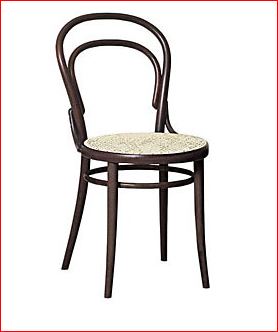
The Era Chair with cane is the kind of furniture piece that quietly walks into a room, adjusts its imaginary bow tie, and makes everything look more intentional. It is simple, light, graceful, and practical, yet it carries more design history than many oversized “statement chairs” that look like they were assembled during a furniture identity crisis.
Known for its bentwood frame, airy cane seat, and classic café-chair silhouette, the Era Chair connects modern interiors with one of the most important chapters in furniture design: the rise of steam-bent wood seating inspired by Michael Thonet’s 19th-century innovations. Today, it remains popular because it feels both antique and fresh, both European and casual, both decorative and useful. In other words, it does what great furniture should do: it earns its place without shouting for attention.
Whether you are styling a dining room, breakfast nook, home office, reading corner, café, or compact apartment, the Era Chair with cane offers an appealing balance of comfort, craftsmanship, and visual lightness. This guide explores its history, materials, styling ideas, buying tips, care advice, and real-life experience with using cane chairs in everyday spaces.
What Is an Era Chair With Cane?
An Era Chair with cane is typically a lightweight bentwood chair inspired by the classic Thonet café chair tradition. The design usually features a curved wooden back, slim legs, a rounded or slightly sculptural frame, and a woven cane seat. Some versions include arms, while others keep the profile narrow for dining and commercial use.
The “Era” name is often associated with reproductions or modern interpretations of the historic bentwood chair form. The most recognizable inspiration comes from Michael Thonet’s work in the 1800s, especially the famous café chairs that changed furniture manufacturing by using steam-bent beechwood instead of heavy carved joints. This made chairs lighter, easier to produce, easier to ship, and surprisingly strong.
The cane seat is not just a pretty woven detail. Cane adds flexibility, ventilation, and texture. It gives the chair that relaxed, breezy look people associate with Parisian cafés, vintage kitchens, Scandinavian apartments, and stylish dining rooms where someone definitely owns linen napkins but may or may not iron them.
Why the Era Chair With Cane Still Looks Modern
The magic of the Era Chair is that it avoids the trap of looking too trendy. Many furniture styles arrive with fireworks, become overexposed, and then vanish faster than a throw pillow on clearance. The Era Chair survives because its form is rooted in function.
The bentwood frame is thin but strong. The curved back follows the body instead of fighting it. The cane seat keeps the chair visually light, which is especially helpful in small rooms. Instead of blocking sightlines, the open woven surface allows light and shadow to pass through. That makes a dining area feel calmer, brighter, and less crowded.
Its design also works across many interiors. In a traditional room, it feels historic. In a modern room, it adds warmth. In a minimalist space, it brings texture. In a farmhouse kitchen, it looks relaxed. In a café, it looks like it has been waiting there for a cappuccino since 1895.
A Brief History of Bentwood and Cane Chairs
The Thonet Influence
Michael Thonet helped transform furniture production by perfecting methods for bending wood with steam. Instead of carving wood into curves, manufacturers could soften beechwood, bend it into elegant shapes, and allow it to harden. This approach produced chairs that were strong, repeatable, affordable, and graceful.
The famous No. 14 chair, introduced in the 19th century, became one of the most influential chairs in design history. Its simple parts, efficient construction, and cane seat helped make it a standard in cafés, restaurants, and homes. The Era Chair with cane borrows from this heritage, especially the curved wood silhouette and woven seat.
Why Cane Became a Natural Partner
Cane comes from the outer skin of the rattan vine. It is lightweight, flexible, and strong enough for woven seating when properly installed. Historically, cane was valued because it made chairs breathable and comfortable while keeping them light. It also looked refined without requiring heavy upholstery.
That combination still matters. A cane chair feels crafted, not mass-produced in spirit, even when made at scale. The woven seat introduces a handmade texture that softens wood furniture and prevents a room from looking too flat or showroom-perfect.
Key Design Features of the Era Chair With Cane
1. Bentwood Frame
The curved wooden frame is the chair’s signature. It gives the Era Chair a graceful outline and allows the back and rear legs to feel visually connected. In many classic versions, beechwood is used because it bends well and offers reliable strength.
2. Cane Seat
The cane seat is practical and decorative at the same time. It provides a slight give under pressure, which can feel more comfortable than a rigid wooden seat. It also creates a distinctive woven pattern that adds natural texture.
3. Lightweight Profile
One of the biggest advantages of the Era Chair with cane is its lightness. It is easy to move, easy to pull away from a table, and easy to use in flexible spaces. This is especially useful in apartments, breakfast corners, and dining rooms that double as work-from-home zones.
4. Classic Café Shape
The chair’s silhouette feels familiar because variations of it have appeared in cafés and homes for generations. That familiarity makes it approachable. It does not demand that the rest of the room become a museum exhibit. It simply says, “I have taste, but I also eat toast here.”
Best Places to Use an Era Chair With Cane
Dining Rooms
The most natural home for the Era Chair with cane is around a dining table. Its slim profile works well with round, rectangular, and oval tables. For a classic look, pair black or dark wood chairs with a marble or walnut table. For a lighter look, choose natural beech or white-painted finishes with oak, pine, or pale stone surfaces.
Breakfast Nooks
In a small breakfast nook, cane chairs are excellent because they do not visually crowd the room. Their airy seats and curved backs make the space feel open. Add a small pedestal table, a pendant light, and a ceramic vase, and suddenly your morning coffee feels like it deserves a soundtrack.
Home Offices
An Era Chair with cane can work as an occasional desk chair if you do not need heavy ergonomic support for long hours. It is best for writing desks, vanity tables, or laptop stations used for shorter sessions. Add a thin seat cushion if you want more comfort without hiding the cane entirely.
Entryways
A cane chair near the front door creates a stylish landing spot for shoes, bags, or guests. Because it is light and narrow, it fits well in hallways and small foyers. It also gives the entryway a welcoming, lived-in feeling.
Restaurants and Cafés
The Era Chair’s heritage makes it especially suitable for hospitality spaces. It is light, easy to arrange, and visually timeless. In cafés, it pairs beautifully with bistro tables, tiled floors, brass lighting, and wood counters. It says “European charm” without requiring the owner to install a fake Eiffel Tower in the corner.
How to Style the Era Chair With Cane
Pair It With Natural Materials
Cane chairs love natural materials. Wood tables, jute rugs, linen curtains, stoneware dishes, ceramic lamps, and woven baskets all make the chair feel at home. The goal is to create texture without clutter.
Use Contrast for a Modern Look
If you want a more contemporary interior, pair cane chairs with a sleek black table, polished concrete floor, or minimalist pendant lighting. The contrast between old-world curves and modern surfaces keeps the room from feeling predictable.
Mix Chair Styles Carefully
The Era Chair with cane can be mixed with benches, upholstered host chairs, or modern side chairs. Keep at least one element consistent, such as wood tone, seat height, or color family. This prevents the room from looking like every chair was adopted from a different garage sale.
Add Cushions Only When Needed
A thin cushion can make cane seating more comfortable, especially for long dinners. However, avoid bulky cushions that hide the woven seat completely. The cane is part of the charm, so let it show off a little.
Era Chair With Cane vs. Other Cane Chairs
Not every cane chair is an Era Chair. Some cane chairs have square backs, upholstered frames, metal legs, or mid-century silhouettes. The Era Chair stands apart because of its bentwood form and café-inspired profile.
Compared with a Cesca-style cane chair, the Era Chair usually feels more traditional and rounded. Compared with a rattan lounge chair, it is slimmer and more dining-friendly. Compared with upholstered dining chairs, it is lighter, easier to move, and less visually heavy. It may not provide the plush softness of upholstery, but it wins when you want elegance without bulk.
Buying Tips: What to Look For
Check the Frame Quality
Look for smooth bends, stable joints, and an even finish. A quality bentwood-style chair should not wobble or creak dramatically. A tiny sound is normal in older chairs; a full percussion performance is not.
Inspect the Cane Seat
The cane should be evenly woven and properly tensioned. Avoid seats with broken strands, sagging centers, or dry, brittle cane unless you are prepared for repair. On vintage chairs, some age is expected, but structural weakness should affect the price.
Measure Seat Height
Most dining chairs have a seat height around 18 inches, but always measure before buying. The chair should slide comfortably under the table, leaving enough legroom. If the chair has arms, check that the arms fit under the tabletop.
Consider Finish and Color
Black, natural wood, walnut, coffee, and white finishes are common choices. Black looks crisp and classic. Natural wood feels warm and Scandinavian. White can brighten a cottage or coastal space. Dark brown or coffee finishes add vintage café energy.
Decide Between New and Vintage
New Era-style cane chairs offer consistency, warranty options, and predictable sizing. Vintage versions offer character, patina, and sometimes better craftsmanship, but they may need repair. If buying secondhand, inspect the cane carefully and sit gently before making it your daily dining chair.
How to Care for an Era Chair With Cane
Dust Regularly
Use a soft cloth, microfiber duster, or vacuum brush attachment to remove dust from the cane and frame. Dust collects inside the weave, so a gentle brush helps keep the seat looking fresh.
Avoid Soaking the Cane
Cane is a natural material. It can handle light moisture, but it should not be soaked. Wipe spills quickly with a slightly damp cloth, then let the chair dry fully in a well-ventilated area.
Keep It Away From Extreme Dryness
Very dry air can make cane brittle over time. Avoid placing cane chairs directly beside heating vents, radiators, or strong sunlight for long periods. If your home becomes extremely dry in winter, a balanced indoor humidity level can help preserve natural materials.
Use the Chair Properly
Do not stand on cane seats. Do not kneel on them. Do not let one chair become the household ladder, trampoline, and laundry shelf. Cane is strong when weight is distributed normally, but concentrated pressure can damage the weave.
Repair Instead of Replacing
One benefit of cane seating is that it can often be repaired. A skilled caner can replace damaged cane and restore the chair’s function. For older or higher-quality chairs, repair is often more sustainable and satisfying than replacement.
Common Mistakes to Avoid
Choosing the Wrong Scale
Era Chairs are usually slim, which is wonderful in small rooms. However, around a very large, heavy dining table, they may look too delicate unless you use enough chairs or balance them with stronger lighting and accessories.
Overloading the Room With Cane
Cane is beautiful, but too much cane can make a room feel like it is auditioning for a tropical resort brochure. Mix it with solid wood, fabric, metal, ceramic, or stone for balance.
Ignoring Comfort
Cane seats are flexible, but they are not plush. If your household enjoys three-hour dinners, test the chair first or add slim cushions. Good design should support real life, not just look photogenic for six seconds.
Buying Without Checking Maintenance Needs
Cane requires more care than plastic or fully upholstered seating. It is not difficult to maintain, but it does need gentle cleaning and protection from harsh conditions. If you want furniture that can survive spilled soup, muddy shoes, and indoor soccer, choose carefully.
Why Cane Furniture Is Popular Again
Cane and rattan furniture have returned strongly in modern interiors because people want warmth, texture, and natural materials. After years of flat, glossy surfaces and overly minimal rooms, many homeowners are craving pieces that feel human and tactile.
The Era Chair with cane fits this movement perfectly. It has history, but it does not feel dusty. It has craftsmanship, but it does not feel precious. It adds personality without overwhelming a space. This is why designers often use cane chairs to soften modern kitchens, brighten dining rooms, and add relaxed elegance to neutral interiors.
Experience-Based Notes: Living With an Era Chair With Cane
Using an Era Chair with cane in a real home is different from admiring it in a perfectly lit product photo. In daily life, the first thing you notice is how easy it is to move. Pulling it out from a table does not feel like dragging a small wooden animal across the floor. It is light, cooperative, and practical.
The second thing you notice is how much visual space it saves. In a compact dining area, heavy upholstered chairs can make the room feel crowded even when there is technically enough square footage. Cane chairs solve this problem by allowing light to pass through the seat and around the frame. The room feels less blocked, more breathable, and more relaxed.
Comfort depends on expectations. For breakfast, coffee, casual meals, or a quick laptop session, the cane seat feels supportive and pleasant. For a long dinner party, some people may prefer a cushion. A thin, tied cushion works well because it adds comfort without hiding the chair’s best feature. Choose linen, cotton, or a simple neutral fabric if you want the chair to keep its classic personality.
In styling, the Era Chair with cane behaves like a friendly guest. It gets along with almost everything. Around a round pedestal table, it looks charming and intimate. Beside a rectangular farmhouse table, it adds lightness. Against a modern black table, it creates a sharp, editorial contrast. In a white kitchen, natural cane warms the space so it does not feel like a laboratory where someone might be testing designer toast.
Maintenance is straightforward, but consistency helps. A weekly dusting keeps the cane from looking tired. Spills should be handled quickly, especially dark liquids like coffee or wine. The chair should not be left in direct harsh sun day after day, because natural fibers can dry out. If the cane starts to sag slightly with age, that does not automatically mean the chair is doomed. Many cane seats can be tightened, repaired, or replaced by a professional.
One unexpected benefit is emotional. The Era Chair with cane brings a sense of history into ordinary routines. Sitting on one can make a weekday lunch feel a little more intentional. It has the quiet romance of old cafés, handwritten menus, and rooms that were designed to age gracefully. That does not mean it is fragile or formal. It simply has character, which is harder to buy than a matching furniture set.
For families, the chair works best when everyone understands that cane is not a step stool. It can handle normal sitting, but sharp pressure from knees, shoes, or climbing can damage the weave. In homes with young children, pets, or very active dining rooms, consider using cane chairs as accent pieces or host chairs rather than the only seating option.
For apartments, the Era Chair with cane is especially useful. It can serve as a dining chair, desk chair, entryway chair, or extra guest seat. Because it looks good from every angle, it does not need to hide against a wall. That flexibility makes it a smart choice for renters and small-space decorators who need furniture to work harder than it complains.
Overall, living with an Era Chair with cane is a reminder that practical furniture can still be beautiful. It is not the loudest chair in the room, and that is exactly its strength. It brings texture, history, and elegance into everyday life without turning your dining area into a furniture lecture. Though, to be fair, if chairs could lecture, this one would probably have excellent posture.
Conclusion
The Era Chair with cane remains beloved because it combines timeless design, natural materials, and everyday usefulness. Its bentwood-inspired frame connects it to one of the most important furniture innovations of the 19th century, while its cane seat keeps it fresh, breathable, and visually light for modern homes.
It works in dining rooms, cafés, kitchens, entryways, and small apartments. It pairs beautifully with wood, stone, linen, metal, and neutral color palettes. It requires gentle care, but not complicated care. Most importantly, it adds character without demanding attention. That is rare in furniture, and frankly, rare in people too.
If you want a chair that feels classic but not old-fashioned, decorative but not fussy, and practical but not boring, the Era Chair with cane deserves a serious look. It is a small piece with a long story, and it still knows how to make a room feel complete.














