
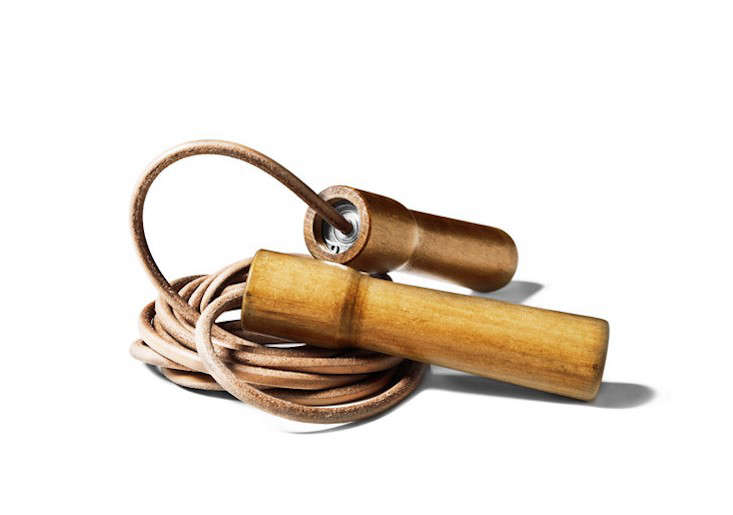
A European-made leather jump rope sounds like the kind of fitness tool that should arrive with a passport, a tiny espresso, and a strong opinion about craftsmanship. But beneath the elegant materials and old-school charm is a serious training accessory: compact, durable, stylish, and surprisingly demanding. It is not just a rope. It is cardio with manners.
For anyone building a home gym, refining boxing footwork, upgrading from a plastic rope, or looking for a fitness gift that does not scream “I bought this at 11:58 p.m.,” a leather jump rope made or designed in Europe can be a smart choice. These ropes often combine genuine or braided leather cords, wood or walnut handles, smooth bearings, and a timeless look that feels closer to classic boxing gyms than blinking app-connected gadgets.
This guide explores what makes a European-made leather jump rope different, who it is best for, how to choose the right one, how to use it safely, and why this humble piece of equipment still deserves a place in modern fitness routines.
What Is a European-Made Leather Jump Rope?
A European-made leather jump rope is a skipping rope built with leather as the main cord material and produced, assembled, or crafted by a European brand or workshop. Some premium versions use braided leather, while classic boxing-style models use a smooth leather cord paired with wood, metal, or leather-wrapped handles.
The best examples usually focus on three things: material quality, rotation feel, and durability. A good leather rope should swing with enough weight to provide feedback without feeling like a medieval punishment device. The handles should be comfortable, balanced, and easy to grip. If bearings are included, they should help the rope rotate smoothly instead of twisting like a phone charger pulled from the bottom of a backpack.
Why Leather Still Matters in a World of Speed Cables
Modern jump rope shelves are packed with PVC ropes, steel speed cables, weighted ropes, beaded ropes, and digital ropes that count your jumps while quietly judging your snack choices. So why does leather still matter?
Leather offers a distinct training feel. Compared with ultralight speed ropes, leather tends to move more deliberately. That extra feedback helps many users develop rhythm, timing, and control. For boxing, martial arts, general conditioning, and traditional fitness training, that rhythm matters. You feel the rope travel around your body, making it easier to sync your hands, feet, breathing, and posture.
Leather also has a tactile quality that synthetic materials rarely match. It softens slightly with use, develops character, and looks better hanging on a wall hook than a neon plastic rope that resembles leftover party supplies. In short, leather brings performance and personality.
Key Features to Look For
1. Genuine or Braided Leather Cord
The cord is the star of the show. Genuine leather cords are common in boxing-style jump ropes because they offer weight, durability, and smooth swing control. Premium designer options may use braided leather, creating a more luxurious look and a slightly different feel. Braided leather can be beautiful, but buyers should still evaluate it as fitness equipment, not just as a very athletic bracelet.
2. Smooth Ball Bearings
Ball bearings help the rope rotate cleanly through the handles. This is especially useful for faster skipping, boxing drills, and longer sessions. Without good rotation, the rope may twist, snag, or slow down. A leather rope does not need to spin like a competition speed cable, but it should not feel like it is negotiating every rotation with a committee.
3. Wooden or Walnut Handles
Wooden handles are a classic pairing with leather. They feel warm in the hand, offer a traditional gym look, and can provide reliable grip when properly shaped. Some luxury European designs use walnut handles with leather inserts, blending exercise equipment with interior design. That may sound fancy, but comfort still matters more than elegance. A handle that looks stunning but slips during double-unders is basically furniture with consequences.
4. Adjustable or Correct Length
Jump rope length can make or break the experience. If the rope is too short, it catches under your toes. If it is too long, it slaps the floor loudly enough to alert neighbors, pets, and possibly local authorities. A common beginner sizing method is to stand on the middle of the rope and pull the handles upward. The handles should generally reach around the armpits or lower chest, depending on skill level and rope style.
5. Indoor-Friendly Design
Leather ropes perform best on smooth indoor surfaces, rubber gym flooring, or mats. Rough concrete can chew up leather quickly. Outdoor use is possible, but repeated contact with abrasive pavement or moisture will shorten the rope’s life. Leather is classy, yes, but it is not thrilled about being dragged across a driveway in the rain.
European-Made vs. European-Designed: Know the Difference
When shopping, pay close attention to wording. “European-made,” “made in Italy,” “made in Germany,” “crafted in Europe,” and “European-designed” do not always mean the same thing. A brand may be based in Europe while manufacturing elsewhere. Another product may use European leather but be assembled in a different country. A premium rope may be handmade in Italy with luxury materials, while a budget rope may simply use European branding.
There is nothing automatically wrong with any of these models, but transparency matters. If country of origin is important to you, look for specific statements about where the rope is manufactured, where the leather is sourced, and where final assembly takes place.
Who Should Use a Leather Jump Rope?
A leather jump rope is ideal for people who want a classic training feel rather than the lightest possible speed rope. It is especially suitable for boxing, kickboxing, MMA warm-ups, coordination training, home cardio, and stylish gym setups. It can also work well for intermediate users who want more feedback than a thin cable provides.
Beginners can use leather ropes too, but they should start slowly. Leather ropes may sting if they hit your legs, and they require a bit more control than lightweight PVC ropes. Consider that free motivation from the rope. It teaches form quickly, with the persuasive power of a tiny leather reminder.
Fitness Benefits of Jumping Rope
Jumping rope is one of the most efficient cardio workouts available. It raises the heart rate quickly, challenges coordination, trains rhythm, and uses the lower body, core, shoulders, and wrists. Because it requires timing between the hands and feet, it is also mentally engaging. Translation: it is hard to be bored when your ankles are negotiating survival.
Regular jump rope training may support cardiovascular fitness, balance, agility, coordination, muscular endurance, and bone-strengthening activity. For busy people, it also delivers a major advantage: time efficiency. You can complete a short rope session in a garage, bedroom, hotel room, or gym corner. Just check ceiling height first, unless you want to learn about drywall repair.
Leather Jump Rope vs. Other Rope Types
| Rope Type | Best For | Main Advantage | Possible Drawback |
|---|---|---|---|
| Leather jump rope | Boxing, rhythm, classic conditioning | Durable feel and strong feedback | Needs care and smooth surfaces |
| PVC rope | Beginners and casual fitness | Affordable and easy to use | Less premium feel |
| Steel speed cable | Double-unders and speed training | Very fast rotation | Less forgiving for beginners |
| Weighted rope | Strength-cardio workouts | More upper-body engagement | Can fatigue shoulders quickly |
| Beaded rope | Learning rhythm and freestyle | Excellent audible feedback | Bulkier than leather or cable |
How to Choose the Best European-Made Leather Jump Rope
Check the Cord Thickness
Thicker leather cords usually feel heavier and slower, which can be great for conditioning and rhythm. Thinner leather cords may feel faster and better for boxing-style footwork. If you are new to leather ropes, choose a moderate thickness rather than the heaviest option available. Your shoulders will send a thank-you note.
Look for Replaceable Parts
Premium ropes sometimes allow cord replacement or handle maintenance. This is useful because the cord experiences the most wear. A replaceable leather cord can extend the life of the handles and make the rope a longer-term investment.
Evaluate Handle Shape
Handles should feel secure without requiring a death grip. Contoured wooden handles, leather-wrapped grips, or lightly textured finishes can help. If your hands sweat heavily, consider whether the handle material will remain easy to hold during longer sessions.
Match the Rope to Your Training Style
For boxing rhythm, choose a leather rope with smooth bearings and medium weight. For luxury home-gym style, a braided leather rope with walnut handles may be worth considering. For beginner cardio, prioritize adjustability and comfort. For high-speed CrossFit-style double-unders, a steel cable rope may still be the better tool.
How to Use a Leather Jump Rope Safely
Start with short intervals. Try 20 to 30 seconds of jumping followed by 30 to 60 seconds of rest. Repeat for 5 to 10 rounds. As your coordination improves, increase the work period gradually. Jump on the balls of your feet, keep your knees soft, and avoid jumping too high. Most beginners leap as if avoiding lava. In reality, the rope only needs a small amount of clearance.
Use your wrists to turn the rope, not giant arm circles. Keep elbows close to your sides and shoulders relaxed. If your shoulders are burning after 45 seconds, there is a good chance your arms are doing the job your wrists were hired for.
Simple Beginner Workout
10-Minute Leather Rope Starter Session
Begin with two minutes of light mobility: ankle circles, calf raises, arm swings, and gentle marching. Then complete the following circuit:
- 30 seconds of basic bounce
- 30 seconds of rest
- 30 seconds of alternating feet
- 30 seconds of rest
- 30 seconds of boxer step
- 30 seconds of rest
- 30 seconds of basic bounce
- 60 seconds of rest
Repeat the circuit twice. Finish with calf stretches and relaxed breathing. The goal is not to look like a highlight reel on day one. The goal is to build timing, confidence, and enough stamina to keep coming back.
Care and Maintenance Tips
Leather rewards basic care. Wipe the cord after sweaty sessions, store it loosely coiled, and avoid leaving it in damp gym bags. Do not soak it, fold it sharply, or leave it in direct sunlight for long periods. If the leather begins to dry, a small amount of appropriate leather conditioner may help, but always follow the manufacturer’s guidance.
Inspect the points where the cord meets the handles. This area takes repeated stress during rotation. If you see cracking, fraying, or weak attachment points, stop using the rope until it is repaired or replaced. A failing rope can turn a workout into slapstick comedy, minus the charming soundtrack.
Is a European-Made Leather Jump Rope Worth It?
Yes, if you value craftsmanship, classic training feel, and long-term usability. A quality European-made leather jump rope is not the cheapest option, but it can offer a better experience than many disposable fitness accessories. It also looks good enough to leave out in a home gym, which is helpful because visible equipment often gets used more than gear buried under laundry.
However, it is not the perfect rope for every athlete. If your main goal is competitive double-unders, choose a speed cable. If you train outdoors on rough pavement, pick a rope designed for abrasion. If you want the most beginner-friendly tool, a simple PVC or beaded rope may be easier at first. But if you want a rope with heritage, texture, rhythm, and style, leather makes a strong case.
Real-World Experience: Living With a European-Made Leather Jump Rope
The first thing you notice about a European-made leather jump rope is the feel. It has presence. A plastic rope often feels like exercise equipment. A leather rope feels like a small object with a story. The cord has weight, the handles sit naturally in the hands, and the whole thing gives off the energy of an old boxing gym where someone named Marco definitely knows how to wrap hands properly.
During the first few sessions, the rope may feel slower than a cable rope. That is not a flaw; it is part of the charm. The slower, more deliberate rotation helps you hear and feel the timing. You begin to notice the sound of the cord brushing the floor, the rhythm of your feet, and the way your wrists guide the movement. It becomes less about frantic jumping and more about controlled movement.
There is also a learning curve. When a leather rope catches your shin, it does not whisper. It makes its point clearly. That feedback encourages better posture, smaller jumps, and cleaner wrist action. After a week or two of short sessions, many users find that their timing improves noticeably. The rope teaches patience. It is cardio, but with a slightly strict European tutor.
In a home gym, the leather rope has another advantage: it looks intentional. Hanging beside resistance bands, gloves, or a pull-up bar, it adds a classic athletic touch. Premium versions with walnut handles or braided leather can almost double as decor. Of course, the best decor is still the kind that makes your heart rate climb.
For warm-ups, the rope shines. Five minutes before strength training can raise body temperature, wake up the calves, activate the core, and sharpen coordination. For boxing or martial arts, it helps build light footwork and relaxed shoulders. For general fitness, it is an efficient way to squeeze cardio into a crowded day. You do not need a treadmill, subscription, screen, or dramatic motivational playlist. Though, admittedly, the playlist helps.
The biggest practical lesson is surface choice. Use the rope on rubber flooring, a smooth gym surface, or a jump rope mat. Rough concrete will age leather quickly. Moisture is another enemy. A leather jump rope can handle sweat, but it should be wiped down and stored properly. Treat it like a quality leather belt or pair of shoes: use it, enjoy it, and do not abandon it in a damp bag next to a banana you forgot about in 2023.
Over time, a good leather rope becomes more personal. The handles develop familiar grip points. The cord relaxes slightly. Your jumps become quieter and more efficient. It may not count reps or connect to an app, but that can be refreshing. The feedback is immediate and honest: either the rope clears your feet, or it does not. No firmware update required.
For buyers who appreciate both function and craftsmanship, that is the appeal. A European-made leather jump rope is not merely a fitness accessory. It is a training companion that asks for rhythm, rewards consistency, and makes even a short workout feel purposeful. It brings a little old-world craft into a very modern problem: we all need to move more, but preferably with better-looking equipment.
Conclusion
A European-made leather jump rope blends classic craftsmanship with practical fitness performance. It offers a satisfying swing, strong feedback, timeless style, and excellent usefulness for boxing, cardio, coordination, and home workouts. It may require more care than a basic plastic rope, but that care is part of the ownership experience. Choose the right length, use it on the right surface, build your sessions gradually, and this simple tool can become one of the most reliable pieces in your fitness routine.
In a world of complicated machines and fitness gadgets that need charging before they can tell you to exercise, the leather jump rope remains beautifully direct. Pick it up. Start swinging. Try not to trip. Repeat. Progress has rarely looked so elegant.













