
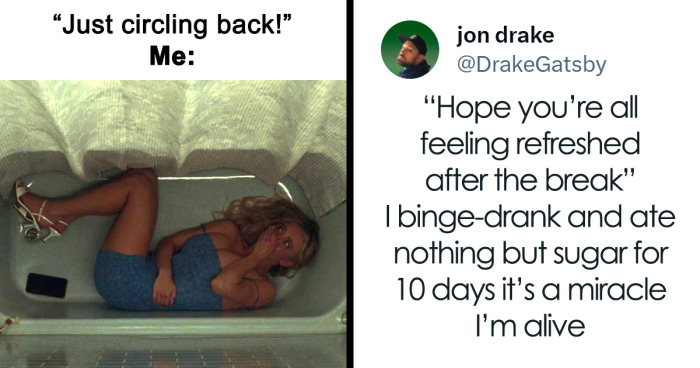
Returning to work after a holiday, long weekend, vacation, remote-work stretch, or even a suspiciously peaceful lunch break can feel like being gently lowered into a spreadsheet-filled swamp. Your inbox has multiplied. Your coffee is somehow both too hot and emotionally unavailable. Your calendar contains a meeting called “Quick Sync,” which is corporate language for “abandon hope, all ye who click Join.”
And honestly? Everyone is miserable right now in the most relatable way possible. Not dramatically miserable. Not movie-villain miserable. More like “I put my laptop password in the microwave clock” miserable. The return-to-work struggle has become its own genre of online comedy because it hits a universal nerve: people want purpose, stability, money, health insurance, flexibility, quiet mornings, and at least one email that does not begin with “Just circling back.”
The modern workplace has changed fast. Hybrid work, return-to-office mandates, endless notifications, after-hours messages, AI tools, unclear expectations, and burnout have all mashed together into one giant professional casserole. No wonder funny work posts, office memes, back-to-work jokes, and Monday morning humor keep going viral. They give people a safe way to say, “I am doing my best, but my best currently needs another coffee and fewer passwords.”
So let’s laugh through the pain, the meetings, the commute, the unread emails, and the mysterious office fridge container that has achieved legal personhood. Here are 30 original, funny post-style observations about returning to work, plus a deeper look at why back-to-work humor feels so comforting right now.
Why Returning To Work Feels So Brutal Right Now
Returning to work has always been a little rough, but lately it feels extra crunchy. Many workers are not simply going back to a desk; they are returning to a workplace still trying to define what “normal” means. Some companies want employees in the office more often. Some teams are hybrid. Some people are fully remote but somehow still trapped in meetings all day. The result is a confusing mix of freedom, control, convenience, and calendar chaos.
Workplace stress is not just a dramatic internet complaint. It is a real pattern connected to workload, leadership, communication, mental health, flexibility, and job satisfaction. Employees are dealing with information overload, pressure to be constantly available, and the weird emotional whiplash of being told that collaboration is best in person, then spending the entire office day on video calls with people in other buildings.
That is why “returning to work” humor lands so well. It does not need a complicated setup. The punchline is already sitting in your inbox wearing business casual.
30 Funny Posts About Returning To Work
Below are 30 original, workplace-inspired funny posts that capture the mood of returning to work when your soul is still on vacation and your calendar has other plans.
1. The Password Amnesia Post
“First day back at work and I forgot my password, my desk location, and what industry I’m in. Strong start.”
2. The Inbox Horror Movie Post
“Opened my email after time off. Pretty sure the inbox hissed at me.”
3. The Calendar Betrayal Post
“My calendar said ‘Welcome back’ by scheduling four meetings before lunch. That is not a welcome. That is a threat.”
4. The Coffee Dependency Post
“Returning to work has reminded me that my true job title is Beverage-Based Problem Solver.”
5. The Commute Reality Check Post
“Forgot how commuting works. Apparently you just sit in a car and practice patience while everyone around you also loses theirs.”
6. The Zoom Muscle Memory Post
“Back in the office and still said ‘You’re on mute’ to someone standing directly in front of me.”
7. The Lunch Break Fantasy Post
“I packed lunch like an adult and then bought a sad desk sandwich like a person with free will and no plan.”
8. The Monday Math Post
“Monday after vacation should count as three business days and one emotional support day.”
9. The Office Small Talk Post
“Coworker asked how my break was. I said ‘too short’ with the kind of honesty normally reserved for courtroom testimony.”
10. The Email Archaeology Post
“Digging through old emails like an archaeologist, except every artifact says ‘Following up.’”
11. The Motivation Search Post
“Looking for motivation this morning. So far I found one pen, three receipts, and a granola bar from a different era.”
12. The Meeting Survival Post
“First meeting back was called a ‘quick touch base.’ It lasted 47 minutes and touched every base except productivity.”
13. The Corporate Translation Post
“When someone says ‘Let’s circle back,’ I hear ‘This problem has entered its sequel.’”
14. The Out-of-Office Grief Post
“Turning off my out-of-office reply felt like deleting the only employee who respected my boundaries.”
15. The Desk Personality Post
“My desk looks exactly how I left it, which is unfortunate because I apparently left it in a cry for help.”
16. The Spreadsheet Betrayal Post
“Opened one spreadsheet and immediately understood why pirates buried treasure instead of tracking it in cells.”
17. The Notification Avalanche Post
“My work apps sent so many notifications this morning that my laptop needs a tiny spa weekend.”
18. The Professional Voice Post
“First call back and I used my professional voice so hard I almost started charging myself a consulting fee.”
19. The Office Fridge Post
“Returned to work and the office fridge still contains the same mystery container. At this point, it has seniority.”
20. The Task List Post
“My to-do list has a to-do list. We are no longer managing tasks; we are raising them.”
21. The Hybrid Confusion Post
“Came into the office for collaboration and spent six hours messaging people who were working from home. Inspiring.”
22. The Badge Swipe Post
“Forgot my badge worked automatically and whispered ‘please’ to the door. The door and I have a relationship now.”
23. The Vacation Brain Post
“My body returned to work today, but my brain is still wearing flip-flops and refusing to check Teams.”
24. The Deadline Surprise Post
“Nothing says ‘welcome back’ like discovering a deadline you apparently agreed to before becoming a vacation person.”
25. The Office Chair Post
“Adjusted my office chair 19 times and still ended up sitting like a question mark with benefits.”
26. The Snack Drawer Post
“Returned to my snack drawer expecting comfort. Found one mint and betrayal.”
27. The Status Update Post
“Manager asked for a status update. My status is ‘physically present, spiritually buffering.’”
28. The Printer Post
“The office printer jammed on my first day back. Nice to see some traditions survived.”
29. The Focus Time Post
“Blocked focus time on my calendar. Someone scheduled a meeting over it to discuss focus.”
30. The End-of-Day Post
“Survived my first day back at work. Please respect my privacy as I become horizontal furniture.”
Why Funny Work Posts Go Viral
Funny posts about returning to work spread quickly because they describe ordinary discomfort in a way that feels instantly recognizable. They are short, specific, and emotionally accurate. A joke about forgetting your password after vacation works because it is not really about the password. It is about the sudden shift from relaxed human being to productivity machine with login credentials.
Work humor also gives people permission to admit they are tired without sounding like they are giving up. A meme about Monday morning can say what a formal employee survey often cannot: people are overwhelmed, distracted, and craving a little more control over their day. Humor is the unofficial suggestion box of the internet, except with better timing and fewer mandatory fields.
Another reason these posts work is that modern office life contains built-in absurdity. Employees are told to be innovative, but also to use a ten-step approval process to change a document title. They are encouraged to collaborate, but their calendars are so packed that collaboration has to be scheduled three weeks from Thursday. They are asked to prioritize wellness, then invited to a lunchtime webinar called “Managing Burnout During Your Lunch Break.” Comedy does not have to exaggerate much. The workplace already brought snacks.
The Return-To-Office Tension Behind The Jokes
Return-to-office policies remain one of the biggest workplace debates because they touch everything at once: productivity, trust, commuting, childcare, mentoring, company culture, real estate, team bonding, and personal energy. For some workers, going back to the office feels helpful. They enjoy face-to-face collaboration, clearer boundaries between home and work, spontaneous conversations, and the simple pleasure of leaving the house in pants with structure.
For others, returning to the office feels like losing flexibility without gaining much in return. If someone commutes an hour to sit in a cubicle and join video meetings, the logic can feel thinner than office coffee. Workers may wonder why “collaboration” requires fluorescent lighting when the actual collaboration is happening through chat messages.
The best workplace strategies usually avoid one-size-fits-all thinking. Instead of treating the office like a magic productivity machine, smarter organizations ask: What work is better together? What work requires deep focus? When does in-person time help mentoring, trust, and creativity? When does it simply drain time and energy? Employees can handle structure better when the reason behind it makes sense.
Common Back-To-Work Feelings That Deserve Their Own Department
The Sunday Scaries
The Sunday scaries are that special moment when the weekend is technically still alive, but your brain has already opened Monday’s inbox in a haunted basement. Returning to work makes this feeling louder, especially after time away. Even people who like their jobs can feel it. The human nervous system was not designed to go from pancakes to performance reviews in under 24 hours.
The Inbox Dread
Email is one of the main villains of returning to work. It piles up quietly while you are gone, pretending to be harmless. Then you return and find newsletters, urgent requests, fake urgent requests, meeting notes, actual problems, and one message from three days ago that simply says “Thoughts?” with no attachment, no context, and no mercy.
The Meeting Fog
Meetings after a break can feel like being dropped into season five of a show you forgot you were watching. Everyone is referencing projects, timelines, acronyms, and decisions that apparently happened while you were trying to remember what day it was. The correct expression is “engaged and thoughtful,” but the internal monologue is often just elevator music.
The Commute Comeback
For many workers, commuting is the least funny part of returning to work, which is exactly why people joke about it. A commute takes time, money, energy, and sometimes your last remaining faith in turn signals. It can also make the workday feel longer before work even begins. The moment you arrive at your desk already tired, you understand why coffee has its own economy.
How To Make Returning To Work Slightly Less Miserable
Humor helps, but people also need practical ways to make the transition easier. One useful trick is to avoid treating the first day back like a normal full-speed workday. If possible, use the first hour to scan your inbox, identify true priorities, and ignore anything that only looks urgent because it used an exclamation point.
Another helpful move is to create a “re-entry list” before leaving for time off. Write down where projects stand, what needs attention first, and who is waiting on what. Future you will be grateful. Future you may still be tired, but at least future you will not have to decode past you’s mysterious calendar event called “thing???”
Workers can also protect their energy by batching messages, setting realistic response times, and using calendar blocks for actual work. Managers can help by not scheduling big decision meetings first thing Monday morning after a holiday. That is not leadership. That is emotional dodgeball.
Most importantly, teams should talk openly about workload and communication norms. If everyone is drowning in notifications, the answer is not another notification about notification wellness. The answer is fewer interruptions, clearer priorities, and a culture where “I need focus time” is treated like a normal work need instead of a rebellious act.
What Returning To Work Teaches Us About Modern Office Life
The funniest back-to-work posts reveal something serious: people are not lazy for wanting flexibility, clarity, and humane schedules. They are reacting to systems that often make work harder than it needs to be. The joke about the meeting that could have been an email is funny because it is true. The joke about going into the office just to video call someone remote is funny because it exposes a mismatch between policy and reality.
Good work does not happen just because people are visible. It happens when people understand priorities, have enough time to think, receive support from managers, and can recover from busy periods without being treated like broken printers. The best workplaces recognize that morale is not built by slogans. It is built by daily experiences: a reasonable workload, useful meetings, trust, flexibility, respect, and maybe a snack drawer that is not emotionally devastating.
That is why funny return-to-work posts matter. They are not just jokes; they are tiny employee experience reports wearing clown shoes. They tell leaders what people notice. They show where friction lives. They reveal the gap between what work is supposed to feel like and what it actually feels like on a Monday morning when the coffee machine is broken.
Experiences Related To Returning To Work: The Real-Life Comedy Of Coming Back
Anyone who has returned to work after time away knows the experience has stages. The first stage is denial. You tell yourself, “It will not be that bad.” You lay out clothes, prepare a lunch, set an alarm, and imagine yourself gliding into the workday like a calm professional in a software commercial. Then the alarm rings, and you wake up with the personality of a damp envelope.
The second stage is technological betrayal. Your laptop demands an update. Your password has expired. Your authentication app wants approval from a device you last saw near the couch. By the time you finally log in, you have already completed a full emotional workout. Nobody tracks password recovery as cardio, but they should.
The third stage is social re-entry. People ask, “How was your time off?” and you must compress rest, travel, family chaos, laundry, snacks, weather, and existential dread into one office-safe sentence: “It was good, too short!” This phrase is the national anthem of returning employees. It says everything and nothing, which makes it perfect for the elevator.
The fourth stage is inbox triage. You begin with confidence, sorting messages into categories like urgent, later, informational, and “why was I copied on this?” Eventually, the categories collapse into one folder called “I will become a farmer.” Somewhere in the pile is an email that matters, but it is camouflaged between automated reminders and a thread where twelve people replied “Thanks.”
The fifth stage is calendar grief. You discover meetings scheduled by optimistic people who apparently believed your first day back would be powered by sunlight and ambition. There is a planning meeting, a recap meeting, a follow-up meeting, and a meeting to prepare for a meeting. By midafternoon, you are nodding with the focused intensity of someone whose brain left to get snacks.
Then comes the office environment itself. Maybe your chair has been adjusted by a mysterious ergonomic goblin. Maybe your favorite mug is missing. Maybe the printer is blinking in a way that suggests it has seen things. Maybe someone brought pastries, briefly restoring your faith in teamwork. Returning to work is full of these small details. They are not dramatic, but they shape the day.
The deeper experience is emotional. Returning to work can make people question their routines. Do I like how my days are structured? Am I spending too much time reacting and not enough time thinking? Is my job busy because it matters, or busy because nobody has cleaned up the process since 2014? These are big questions, and naturally they arrive while you are trying to find a working pen.
Still, there is something oddly comforting about knowing everyone else is going through the same thing. The coworker quietly reheating soup at 11:03 a.m. is also adjusting. The manager saying “Happy Monday” with suspicious brightness is also adjusting. The person in the next cubicle whispering at their computer is not okay either, but they are trying. Workplaces are full of people performing competence while privately negotiating with their energy levels.
That shared struggle is why humor works. A funny post about returning to work makes the day feel less lonely. It turns frustration into recognition. It says, “Yes, this is absurd, and yes, we are still showing up.” Sometimes that is enough to get through the first day back. Sometimes the victory is not inbox zero or a perfect productivity score. Sometimes the victory is remembering your password, attending the meeting, drinking water, and not saying your inner monologue out loud.
Returning to work may never be anyone’s favorite activity, but it can be made more human. Better boundaries, smarter meetings, clearer priorities, flexible policies, and honest communication all help. Until then, funny work posts will continue doing what they do best: turning collective misery into a laugh people can share before opening the next email.
Conclusion
Returning to work is a strange little ritual: part productivity, part performance, part group therapy with fluorescent lighting. It can be stressful, annoying, funny, exhausting, and weirdly bonding all at once. The reason funny posts about returning to work are so popular is simple: they tell the truth without making everyone sit through a slide deck.
Whether you are battling a monstrous inbox, commuting again, pretending to understand a meeting recap, or mourning your out-of-office message, you are not alone. The modern worker is tired, caffeinated, over-notified, and still somehow capable of making excellent jokes. And that may be the most hopeful part of all. If we can laugh at the chaos, we can also start asking for better systems, better boundaries, and better workdays.













