
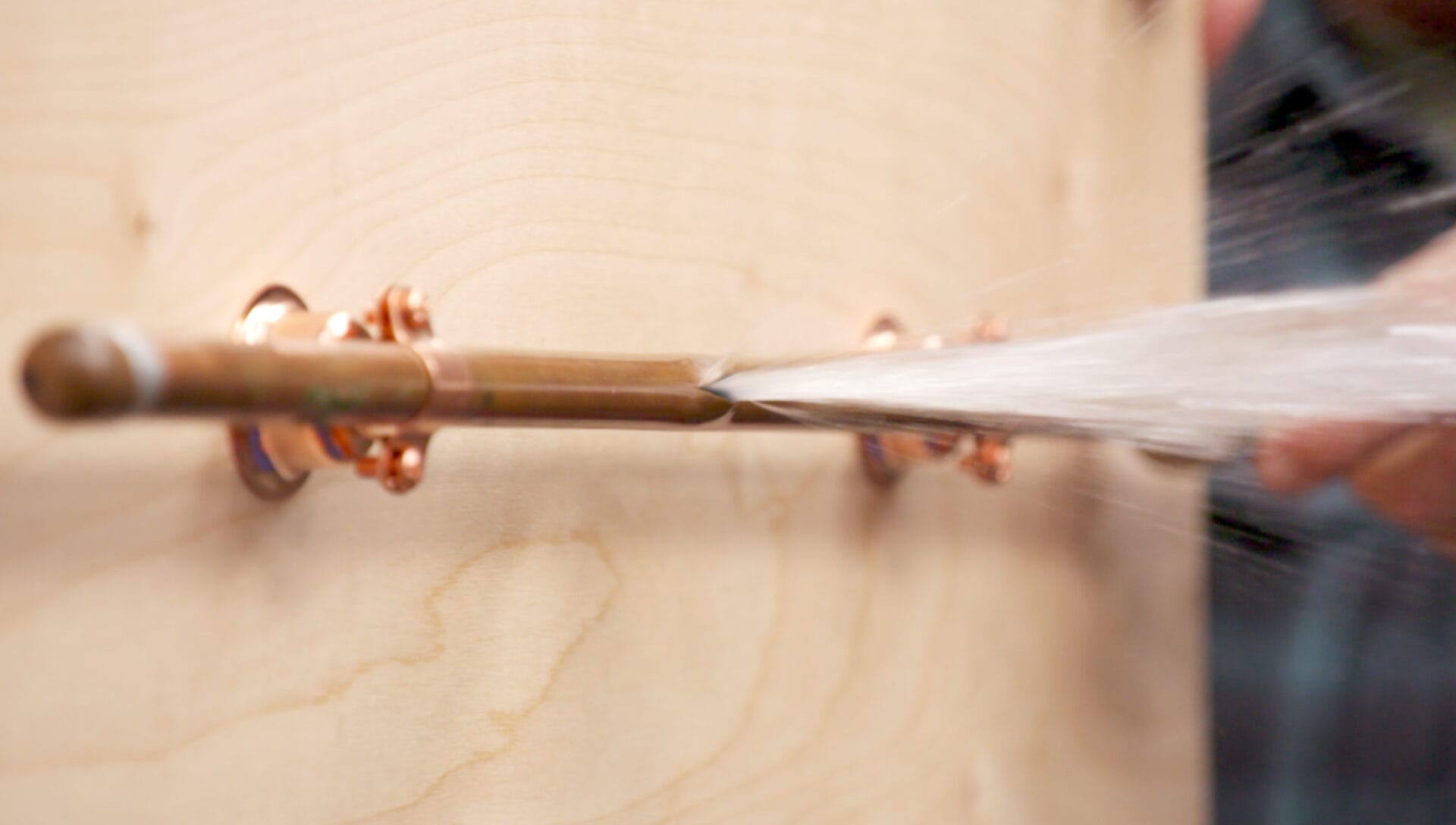
Few winter household problems are as sneaky as frozen pipes. One minute, you are admiring the snow from the warm sad drip, and somewhere behind the wall your plumbing is quietly preparing a very expensive surprise.
Frozen water pipes can interrupt your water supply, crack plumbing materials, damage fixtures, and release large amounts of water once the blockage begins to thaw. Homes in traditionally cold states are vulnerable, but houses in warmer regions may face even greater risk during an unusual cold snap because their pipes are often installed with less insulation and more exposure to outdoor air.
Understanding why pipes freeze, why they burst, and what to do before touching a hair dryer can help you avoid turning a cold night into a flooring, drywall, and insurance adventure.
What Happens When a Water Pipe Freezes?
Water begins freezing when its temperature reaches approximately 32 degrees Fahrenheit. However, a pipe does not necessarily freeze the moment the outdoor temperature touches 32 degrees. The water inside must lose enough heat for ice crystals to form, which depends on wind exposure, insulation, pipe location, indoor temperature, and the length of the cold spell.
Pipes become especially vulnerable during prolonged periods of temperatures around 20 degrees Fahrenheit or lower, particularly when they run through unheated or poorly insulated spaces. A strong draft can also cool a small section of pipe surprisingly quickly. In other words, your plumbing does not care that the thermostat says 68 degrees if the pipe is hiding beside a freezing crawl-space vent. >Where the ice blockage forms
Freezing usually begins in the coldest portion of the line. As ice develops, it narrows the passage through which water normally flows. Continued freezing can eventually create a solid plug that blocks the pipe.
The most vulnerable pipes are commonly found in:
- Attics, crawl spaces, garages, and unfinished basements
- Exterior walls with inadequate insulation
- Kitchen and bathroom cabinets positioned against outside walls
- Outdoor faucets, hose connections, and irrigation lines
- Areas where the main water service enters the foundation
- Vacant rooms, additions, workshops, and seasonal properties
Both hot- and cold-water supply lines can freeze. A pipe does not receive diplomatic immunity merely because it usually carries hot water. When the water sits still and the surrounding area becomes cold enough, either line may be affected. ion>
Why Do Frozen Pipes Burst?
The usual explanation is that water expands as it freezes and pushes directly against the pipe wall until the pipe splits. Expansion is certainly part of the process, but the complete explanation is more interesting.
After an ice plug forms, additional ice growth can push unfrozen water away from the blockage. If that water becomes trapped between the ice and a closed faucet or valve, pressure rises dramatically. The pipe may eventually rupture at its weakest point, which can be several feet away from the frozen section.
This explains why the visible split is not always covered in ice. It also explains why leaving a vulnerable faucet slightly open can help. An open faucet gives expanding water and pressure somewhere to go, while the movement of relatively warmer water through the line may slow freezing. >Why a burst may not leak immediately
A cracked pipe may remain surprisingly quiet while it is frozen because the ice plug restricts water movement. The real flood can begin after temperatures rise and the ice melts. Water pressure returns, finds the opening, and introduces itself to your insulation, ceiling, cabinets, and hardwood floors.
That delayed leak is why a frozen pipe should never be treated as harmless simply because no water is visible. A silent pipe may be intact, or it may be waiting for the thaw like a tiny plumbing villain with excellent timing. ion>
Which Types of Pipes Can Freeze?
Copper, steel, CPVC, PVC, and PEX plumbing can all experience freeze-related damage. Their behavior differs, but no common residential water line is completely freeze-proof.
Rigid metal and plastic pipes may crack or split when pressure becomes excessive. Flexible PEX tubing can sometimes expand enough to survive an isolated freeze, but fittings, valves, connectors, and sharply bent sections may still fail. Repeated freezing can also weaken a system that appeared to survive the first incident.
The safest approach is to protect every exposed water line rather than assuming a particular material will rescue the house from winter.
Common Signs of a Frozen Pipe
The first warning is often a change in water flow. A faucet may produce no water, a weak stream, or an unusual trickle. One fixture may stop working while others operate normally, helping you narrow the problem to a particular branch of the plumbing system.
Additional warning signs include:
- Unusually low water pressure
- Frost or condensation on an accessible pipe
- A visibly bulging, cracked, or distorted section of pipe
- Strange smells coming from a drain when normal airflow is blocked
- Whistling, bubbling, or banging sounds
- Damp drywall, ceiling stains, puddles, or dripping water after a thaw
If one pipe is frozen, inspect other vulnerable areas. The same cold air that reached the bathroom line probably did not stop there out of professional courtesy. ion>
What to Do When You Suspect a Frozen Pipe
1. Locate the main water shutoff
Know where the main shutoff valve is before winter arrives. It is commonly found near the point where the service line enters the house, such as in a basement, utility room, garage, crawl space, or exterior meter box.
If you see a split pipe, leaking water, or signs of structural damage, close the main valve immediately. When no leak is visible, some authorities still recommend shutting off the supply before thawing because a hidden crack may begin pouring water as soon as the ice melts. A plumber can advise you based on the system and location. >2. Open the affected faucet
Leave the faucet connected to the frozen line open. This relieves pressure and allows water to escape as the ice begins melting. Flowing water also helps carry warmth into the frozen area.
3. Find the likely frozen section
Trace the pipe backward from the affected fixture. Check exterior walls, cabinets, unheated rooms, foundation entry points, and areas exposed to drafts. Frost, extreme cold, or a slight bulge may reveal the blockage.
4. Check for existing damage
Before applying heat, look for cracks, separated fittings, or evidence of leaking. Keep towels and buckets nearby. If water is near electrical outlets, wiring, appliances, or a breaker panel, stay clear and contact qualified professionals.
How to Thaw a Frozen Pipe Safely
If the pipe is accessible, undamaged, and away from standing water, apply gentle heat. Start near the open faucet and move gradually toward the colder section. This approach allows melting water to flow out instead of becoming trapped behind the ice.
Safer heating methods may include:
- An electric hair dryer used in a dry area
- An electric heating pad wrapped around the pipe
- Towels soaked in hotnot boilingwater
- A portable space heater positioned safely away from combustible materials
- UL-listed heat cable installed according to the manufacturer’s directions
Continue warming the pipe until normal water pressure returns. Then inspect the full line carefully for leaks. A small crack can be easy to miss until the system is fully pressurized. >Never use an open flame
Do not use a blowtorch, charcoal stove, propane heater, kerosene heater, or other open-flame device. Flames can ignite nearby wood, insulation, paint, dust, or building materials hidden inside the wall. Rapid heating may also create steam and additional pressure.
Do not use electrical equipment while standing in water. At that point, the pipe is no longer your only problem. Call a licensed plumber and, when necessary, an electrician or emergency service. ion>
What to Do If a Pipe Has Burst
- Shut off the main water supply. Stop the source before reaching for towels.
- Turn off electricity where appropriate. Do not enter standing water to reach a breaker or electrical device.
- Open faucets. Drain remaining water and relieve pressure within the system.
- Call a licensed plumber. Damaged pipe sections, fittings, and valves must be repaired properly.
- Document the damage. Photograph affected rooms, flooring, walls, furniture, and personal belongings.
- Contact your insurer. Report the incident promptly and follow instructions regarding emergency cleanup.
- Remove water and begin drying. Fast moisture removal can reduce additional damage and the risk of mold growth.
Homeowners insurance often covers sudden and accidental water damage resulting from a burst pipe, although the damaged pipe itself and losses related to neglect may be treated differently. Policies vary, so coverage should always be confirmed with the insurer. Failing to maintain heat in a vacant home may complicate a claim. ion>
How to Prevent Frozen Pipes
Insulate vulnerable plumbing
Install foam pipe sleeves, fiberglass insulation, or another suitable product around pipes in basements, crawl spaces, attics, garages, and exterior walls. Insulation slows heat loss, but it does not generate heat. A severely exposed pipe may require air sealing, additional building insulation, rerouting, or approved heat cable.
Seal drafts and cold-air leaks
Cold air entering through cracks around utility penetrations, vents, doors, windows, and sill plates can focus directly on a pipe. Seal appropriate openings with caulk, weatherstripping, or insulation while preserving ventilation required for combustion appliances and building safety.
Disconnect garden hoses
Remove, drain, and store hoses before freezing weather. Close the interior shutoff supplying the outdoor faucet when one is available, then open the exterior faucet to drain residual water. A connected hose can trap water and contribute to freezing inside the wall. >Maintain indoor heat
Keep the thermostat at a consistent temperature during severe cold. Many disaster-prevention and property-protection organizations recommend maintaining at least 55 degrees Fahrenheit when a home is vacant. Areas containing plumbing may need more heat if they are poorly insulated or exposed to drafts. >Open cabinet doors
Opening sink cabinets can help warm indoor air reach pipes along exterior walls. Move household chemicals and cleaners out of the reach of children and pets before leaving doors open.
Let selected faucets drip
During extreme cold, allowing a small trickle from faucets served by exposed pipes may help reduce the risk of freezing and relieve pressure. Follow local water-utility guidance, especially during regional freezes when conservation requirements may also apply. A drip is a temporary defense, not a replacement for insulation and repairs. >Close garage doors
Keep garage doors closed when water lines pass through the garage. Even a few hours of direct cold airflow can lower temperatures around exposed plumbing.
Prepare vacant properties
For an extended winter absence, consider professional winterization. Depending on the property, this may involve shutting off the main water supply, draining plumbing lines, protecting traps with an appropriate product, monitoring indoor temperature, and arranging regular inspections. Never disable a fire-sprinkler system without professional guidance. ion>
Real-World Experiences and Lessons From Frozen-Pipe Emergencies
Frozen-pipe incidents tend to follow recognizable patterns. The houses and names may change, but the mistakes are remarkably consistent: one overlooked draft, one attached garden hose, or one thermostat lowered a little too enthusiastically.
The kitchen faucet that stopped overnight
Consider a homeowner who wakes during a cold snap and discovers that the kitchen faucet produces no water. Every other fixture works normally. The sink is positioned against an exterior wall, and opening the cabinet reveals that the copper supply lines are extremely cold.
The homeowner opens the faucet, removes stored products from the cabinet, and checks the visible pipe for splits. After confirming the area is dry, gentle heat from a hair dryer is applied near the faucet and moved slowly toward the colder section. Water begins dripping, then returns to a normal stream. No leak appears.
The important work happens after the emergency. A closer inspection reveals cold air entering through an oversized hole around the drain and supply lines. The opening is sealed appropriately, foam sleeves are added to the pipes, and the cabinet doors are left open during future cold warnings. Thawing restored the water; correcting the draft prevented a repeat performance.
The vacation home with the thermostat turned down
In another common scenario, a family leaves for a week and lowers the thermostat to save energy. A severe freeze arrives while the house is empty. A pipe running through an unheated ceiling cavity freezes and cracks, but the ice initially blocks the opening.
When outdoor temperatures rise, the blockage melts. Pressurized water escapes for hours before a neighbor notices water running from beneath a door. By then, ceiling drywall has collapsed, insulation is saturated, and flooring has begun to swell.
The experience shows why frozen-pipe prevention is not limited to the pipe itself. Reliable heating, temperature sensors, water-leak alarms, automatic shutoff devices, and a trusted person checking the property can create several layers of protection. Turning the heat down by a few extra degrees may save a modest amount of energy, but it becomes a poor bargain when the living room develops an indoor waterfall.
The outdoor hose nobody disconnected
A third situation begins with an ordinary garden hose left attached to an exterior faucet. Water remains trapped in the hose and faucet assembly. During a hard freeze, the trapped water expands and contributes to damage inside the wall.
Nothing looks wrong from outdoors. Months later, the homeowner uses the hose for the first time in spring. Water sprays normally outside, but it also leaks from a split pipe inside the wall, soaking insulation and the room below.
This type of delayed discovery is especially frustrating because the original freeze may be long forgotten. The preventive routine is simple: disconnect hoses, drain outdoor lines, close interior supply valves where available, and inspect frost-free faucets for proper installation. A frost-free model still needs room to drain and may not work as designed when a hose remains attached.
The lesson shared by nearly every incident
Frozen pipes are rarely caused by one dramatic failure. They usually result from several small conditions lining up: prolonged cold, limited airflow, inadequate insulation, trapped water, and no one noticing the warning signs.
The best response is similarly layered. Learn the location of the main shutoff. Insulate exposed lines. Seal drafts. Maintain dependable heat. Drain outdoor plumbing. Use leak and temperature sensors in vulnerable areas. During extreme weather, check faucets and plumbing spaces rather than assuming the furnace is protecting every corner of the building.
Most importantly, take reduced water flow seriously. A sluggish faucet is not merely being moody. It may be the earliest and least expensive warning your plumbing system gives you.
Final Thoughts
Frozen pipes burst when ice formation creates blockages, traps liquid water, and allows pressure to climb beyond what the plumbing system can withstand. The break may occur away from the visible ice and may remain hidden until thawing restores water flow.
Fortunately, most residential freeze risks can be reduced with basic preparation: insulate exposed pipes, seal cold drafts, disconnect hoses, drain outdoor lines, maintain indoor heat, open cabinets when necessary, and let vulnerable faucets trickle during extreme cold. Just as important, every household member should know how to close the main water valve.
If a pipe freezes, open the faucet and use only gradual, safe heat. If the pipe is inaccessible, visibly damaged, close to electrical hazards, or unwilling to cooperate despite your finest hair-dryer technique, call a licensed plumber. Knowing when to step away is also a valuable home-maintenance skill.














