
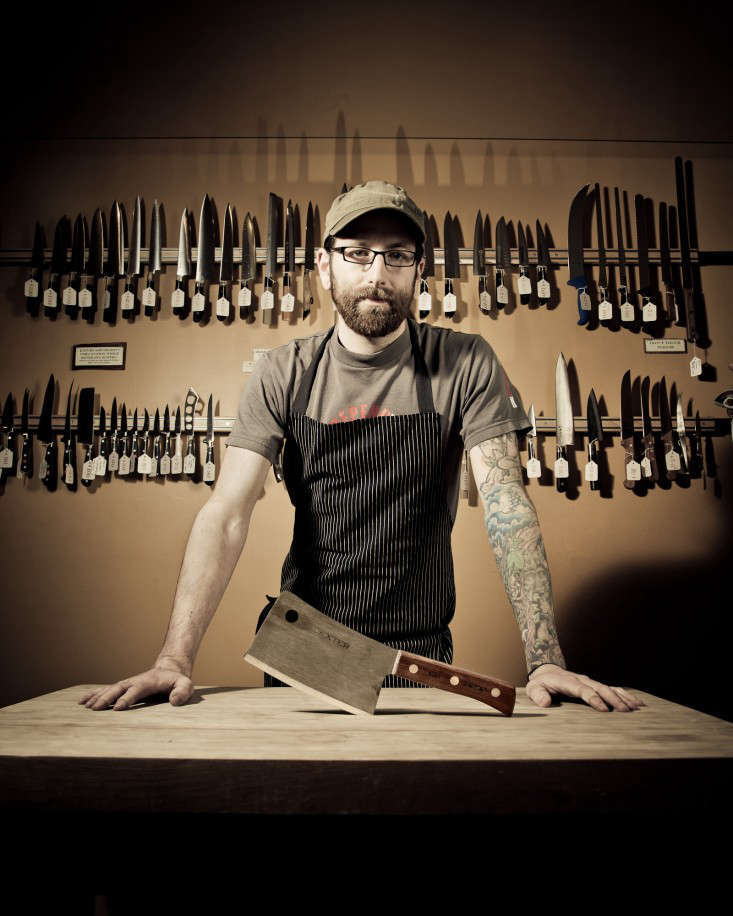
A great kitchen knife does not need a dramatic origin story, a dragon etched into the blade, or a price tag that requires financing. It needs to feel comfortable, hold a useful edge, and perform the jobs you actually do. The best knife for a professional butcher may be entirely wrong for someone who mostly chops vegetables and occasionally negotiates with a stubborn butternut squash.
Choosing the right kitchen knives becomes easier once you understand blade materials, construction, balance, sharpening, storage, and safe cutting technique. The following expert knife advice draws on guidance from culinary schools, food-safety authorities, professional sharpeners, university extension programs, and independent kitchen-equipment testers.
15 Essential Things Every Cook Should Know About Knives
1. A Chef’s Knife Should Be Your First Purchase
An 8-inch chef’s knife is the most useful starting point for most home cooks. Its broad blade can chop onions, mince herbs, slice meat, crush garlic, and transfer prepared ingredients from the cutting board. A 6-inch model may feel more manageable in smaller hands, while a 9- or 10-inch blade offers greater reach for large ingredients.
Do not assume longer automatically means better. A blade that feels like a medieval broadsword will not improve your weeknight stir-fry. Choose the length you can control confidently.
2. You Probably Do Not Need a Giant Knife Set
Those impressive 15-piece blocks often contain several blades that spend their lives gathering crumbs. Most kitchen tasks can be handled with three good knives: a chef’s knife, a paring knife, and a serrated bread knife.
The chef’s knife manages general preparation. A 3- to 4-inch paring knife handles peeling, trimming, coring, and detailed work. A serrated knife cuts crusty bread, cakes, ripe tomatoes, and other foods that are firm outside but delicate within. Add a boning, fillet, carving, or cleaver-style knife only when your cooking habits justify it.
3. Comfort Matters More Than Brand Prestige
Whenever possible, hold a kitchen knife before buying it. Pay attention to the handle shape, blade weight, balance point, and clearance between your knuckles and the cutting board. A comfortable knife should feel secure without forcing you to squeeze the handle.
Balance preferences vary. Some cooks enjoy a forward-weighted blade that helps with chopping, while others prefer a neutral balance near the heel. Neither choice is universally correct. Your wrist gets a vote, and it is notoriously unimpressed by marketing copy.
4. German- and Japanese-Style Knives Feel Different
German-style chef’s knives are generally heavier, thicker, and more curved along the cutting edge. They work well with a rocking motion and tolerate demanding everyday preparation. Japanese-style knives are often thinner, lighter, and made from harder steel. They can produce exceptionally precise cuts but may be more vulnerable to chipping if twisted or used against bones and frozen food.
A santoku typically has a shorter, flatter edge suited to chopping and push-cutting. A gyuto resembles a Western chef’s knife but usually feels lighter and more agile. Choose according to your cutting motion and maintenance habits, not according to which design looks most intimidating on social media.
5. Stainless and Carbon Steel Require Different Care
Stainless steel resists corrosion and is practical for busy kitchens. It is not completely stain-proof, however, so leaving it wet or coated with lemon juice overnight remains a poor science experiment.
Carbon steel can take a keen edge and is often straightforward to sharpen, but it reacts more readily with moisture and acidic foods. It gradually develops a patina, which is normal, yet orange rust is not. Carbon blades should be wiped during use, washed promptly, dried completely, and occasionally treated with food-safe blade oil when recommended by the maker.
6. Steel Quality Is More Than a Fancy Alloy Name
Hardness, toughness, edge retention, corrosion resistance, and ease of sharpening involve trade-offs. A very hard blade may stay sharp longer but can be more difficult to sharpen and less tolerant of rough handling. A softer blade may need frequent honing or sharpening but can withstand everyday bumps without chipping as easily.
Heat treatment is especially important because it determines how the steel’s potential is translated into actual performance. Two knives made from a similarly named alloy can behave differently when their manufacturing and heat-treatment processes differ. Reputation, quality control, and real-world testing therefore matter as much as the steel printed on the box.
7. Forged Is Not Automatically Better Than Stamped
Forged knives are shaped from heated steel and are often thicker, heavier, and equipped with a bolster. Stamped blades are cut from sheets of steel and commonly feel lighter and thinner. Traditionally, forging suggested premium construction, but modern manufacturing has produced excellent stamped knives that perform beautifully at modest prices.
A full tang, in which metal extends through the handle, can add strength and influence balance. It is a useful feature, but not a magical certificate of quality. Evaluate the complete knife rather than buying one construction term with a handle attached.
8. A Sharp Knife Is Usually Safer Than a Dull One
A sharp kitchen knife cuts with less force and behaves more predictably. A dull blade may slide across tomato skin, skid off an onion, or require enough downward pressure to make an accident more severe. Sharp does not mean harmless; it means controllable when paired with sound technique.
Test performance on food rather than by casually running a finger along the edge. If the blade crushes herbs, tears rather than slices paper, or refuses to enter a ripe tomato without pressure, it probably needs maintenance.
9. Honing and Sharpening Are Not the Same Job
Sharpening removes metal to create a new cutting edge. Honing maintains or realigns an edge between sharpening sessions, although abrasive ceramic and diamond rods may also remove a small amount of material.
Traditional honing steels are most suitable for relatively tough, softer blades. Very hard Japanese knives may require a ceramic rod, fine stone, strop, or another method approved by the manufacturer. Hone only when it improves performance. When honing no longer restores the edge, it is time to sharpen.
10. Sharpening Angles Must Match the Knife
Many Western chef’s knives use edge angles in the neighborhood of 15 to 20 degrees per side, while some Japanese blades use narrower angles. These are broad ranges, not universal commandments carved into a whetstone. Follow the manufacturer’s guidance when available.
Consistency is more important than chasing a heroic angle. Whetstones provide control and can create excellent edges, but they require practice. Guided systems and reputable professional sharpeners are sensible alternatives. Avoid aggressive grinding that removes excessive steel or overheats the blade. Your knife should become sharper, not return looking as if it lost an argument with a lawn mower.
11. Use a Stable, Knife-Friendly Cutting Board
Wood and quality plastic boards are generally kinder to knife edges than glass, stone, granite, or ceramic surfaces. Hard countertops can dull or damage a fine edge surprisingly quickly. If a cutting board slides, place a damp kitchen towel or nonslip mat beneath it.
End-grain hardwood boards can be durable and gentle on blades when maintained properly. Plastic boards are lightweight and often dishwasher-safe. Whichever material you choose, replace a board when deep grooves, cracks, or damage make thorough cleaning difficult.
12. Learn the Pinch Grip and Claw Grip
For controlled chef’s-knife work, pinch the blade near the handle between your thumb and index finger while wrapping the remaining fingers around the handle. This grip places your hand close to the knife’s balance point.
Use your other hand to form a claw around the ingredient. Curl the fingertips inward and keep the thumb behind them, allowing the knuckles to help guide the side of the blade. Start slowly and aim for consistent movement. Speed is a side effect of repetition, not something you create by pretending the onions have issued a deadline.
13. Stabilize Food Before Making the Main Cuts
Round ingredients roll, and rolling ingredients are terrible coworkers. Cut a small slice from one side of an onion, squash, potato, or similar food to create a flat base. Place that surface against the board before continuing.
Use an appropriate blade for the ingredient. A chef’s knife is not designed to cut frozen food, heavy bones, glass jars, screws, or mysterious packages from the garage. Use a bone cleaver, saw, kitchen shears, or another purpose-built tool when the task demands it. Never twist a thin blade sideways to pry food apart.
14. Wash Knives by Hand and Dry Them Immediately
Wash kitchen knives individually with warm water, mild dish soap, and a nonabrasive sponge or cloth. Keep the edge facing away from your hand, rinse carefully, and dry the knife before putting it away. Do not leave sharp blades hidden in a sink full of cloudy water.
Dishwashers expose knives to heat, harsh detergent, moisture, and contact with other utensils. These conditions can dull edges, damage handles, encourage corrosion, and create an unloading hazard. Even when a manufacturer labels a knife dishwasher-safe, hand-washing is the more protective habit.
After preparing raw meat, seafood, or poultry, wash the knife, board, hands, and nearby work surfaces with hot, soapy water. Keep raw ingredients separate from ready-to-eat foods to reduce cross-contamination.
15. Safe Storage Protects Both Fingers and Edges
Never toss knives loosely into a utensil drawer. Blade guards, fitted drawer trays, quality knife blocks, and securely installed magnetic strips prevent the edges from colliding with other tools. They also prevent the thrilling but unwanted experience of reaching for a spoon and finding a chef’s knife instead.
A wood-covered magnetic strip is gentle on blades, but its magnet must be strong enough to hold each knife securely. Mount it beyond the reach of children and away from areas where a falling knife could land on someone. Remove a knife by rotating the spine away from the holder before lifting the blade, rather than pulling the sharp edge directly against the surface.
What Real Kitchen Experience Teaches You About Knives
The Tomato Reveals More Than the Price Tag
One of the most revealing kitchen experiences begins with an ordinary tomato. A cook may own a beautiful, expensive knife and still find the blade skating over the skin. Another cook may use an inexpensive, well-maintained stamped knife and produce clean slices without crushing the fruit. The lesson arrives quickly: current sharpness and control matter more during dinner preparation than prestige.
The same principle becomes obvious with herbs. A sharp edge leaves basil cleanly cut and aromatic. A dull knife bruises it into dark ribbons. Onions provide another test; a keen blade passes through cell walls with less crushing, which can make preparation feel smoother and may reduce the amount of irritating spray released into the air.
A Bigger Collection Does Not Create Better Technique
Many enthusiastic cooks begin by buying a large block set. Months later, they discover that one chef’s knife performs most daily work, the paring knife handles small jobs, and the serrated knife appears whenever bread enters the room. Several mysterious blades remain untouched, quietly enjoying rent-free housing on the counter.
A more useful experience comes from working with one comfortable chef’s knife long enough to understand its balance and cutting profile. The cook learns where the blade rocks smoothly, where it makes full board contact, and how much pressure dense vegetables require. Familiarity improves efficiency in a way that constantly switching among specialty knives rarely does.
Board Stability Changes Everything
A slippery cutting board can make even an excellent knife feel unpredictable. Placing a damp towel beneath the board often transforms the entire station. Suddenly the cook can concentrate on the ingredient rather than chasing the work surface across the counter.
Creating a flat side on round produce has a similar effect. The first time someone stabilizes a winter squash instead of trying to hold it upright through optimism alone, the value of careful setup becomes obvious. Good knife skills begin before the blade moves.
Maintenance Is Easier When It Becomes Routine
Knife care often feels inconvenient only when it is postponed. A quick hand wash and immediate drying take less than a minute. Ignoring a carbon-steel blade after slicing lemons can lead to stains or corrosion that require far more work later. Likewise, brief edge maintenance is easier than waiting until the knife struggles through everything softer than a brick.
Home cooks also learn that sharpening schedules cannot be reduced to a single calendar rule. A knife used twice a month may remain effective for a long time. One used daily on an abrasive board will dull sooner. Performancenot an arbitrary dateshould determine when the edge receives attention.
The Best Knife Is the One You Can Control
Trying different knives often overturns expectations. A heavy forged model can feel reassuring to one person and exhausting to another. A thin Japanese-style blade may feel wonderfully precise, yet an owner who routinely cuts through joints or twists the knife in dense squash may be happier with a tougher, more forgiving design.
The practical experience is simple: buy for your hand, food, technique, and willingness to provide care. A knife should make preparation calmer and more accurate. If it spends every meal making you nervous, it may be an impressive object, but it is not the right kitchen partner.
Conclusion: Choose Carefully, Cut Confidently
Excellent kitchen knives combine suitable steel, thoughtful construction, a comfortable handle, and an edge that can be maintained. Start with a few versatile blades, use a stable cutting surface, practice a controlled grip, and match each knife to an appropriate task. Wash and dry it promptly, store it securely, and sharpen it when performance declines.
A good knife will not turn dinner into a televised cooking competition. It will, however, make preparation faster, safer, and more enjoyableand it will stop your tomatoes from looking as though they were opened by an angry raccoon.














