
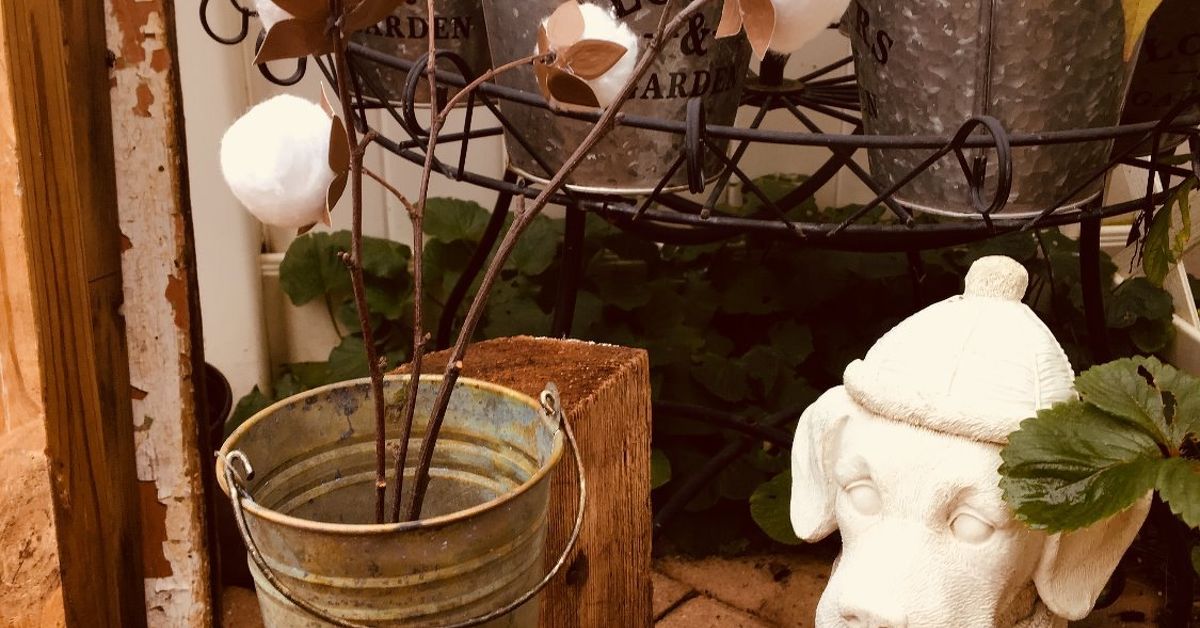
There is a special kind of decorating satisfaction that comes from finishing a projectou have the container, a vague vision, and perhaps a shopping bag of craft supplies quietly judging you from the closet. Then, one afternoon, everything clicks. That is exactly the spirit behind this finally finished faux cotton plant arrangement.
A faux cotton arrangement combines soft white cotton bolls, rustic branches, subtle greenery, and a well-chosen container to create an easy decorative accent with year-round appeal. It feels cozy without being overly seasonal, farmhouse-inspired without requiring a barn, and polished without looking as though a professional florist arrived with a clipboard.
Best of all, artificial cotton stems do not wilt, spill water, demand sunlight, or become dramatically offended when you forget about them for three weeks. Once the arrangement is complete, its main request is an occasional dusting.
Why a Faux Cotton Plant Arrangement Works So Well
Cotton branches have an unusual visual balance. The natural-looking stems are angular and slightly rugged, while the cotton bolls are soft, rounded, and bright. That contrast creates texture without requiring a loud color palette. It is one reason cotton decor fits comfortably into farmhouse, cottage, rustic, coastal, transitional, and even minimalist interiors.
A cotton boll naturally consists of fluffy fiber surrounding seeds inside a protective casing. Good artificial cotton stems imitate this structure with soft fiber, irregular brown bracts, and branching stems. The most convincing versions are not perfectly white, perfectly round, or perfectly symmetrical. Nature rarely uses a ruler, and your arrangement should not look as though it did either.
It Adds Texture Without Adding Clutter
Neutral rooms can sometimes feel flat when every surface is smooth and every object is beige. Faux cotton introduces softness, shadow, and organic shape while remaining visually quiet. It gives the eye something interesting to study without turning the room into a craft-store parade.
It Is Easy to Maintain
Fresh-cut branches and flowers are beautiful, but they require water, trimming, cleanup, and eventual replacement. A faux cotton plant arrangement provides the decorative effect without the botanical responsibilities. This makes it especially useful in guest rooms, offices, entryways, dark corners, vacation homes, and other places where regular plant care is inconvenient.
It Transitions Between Seasons
Cotton stems are often associated with fall, but their neutral colors make them adaptable throughout the year. In spring, pair them with pale green foliage. In summer, use a light ceramic pitcher or clear glass vase. For fall, add wheat-colored grasses or rust-toned leaves. During winter, mix in pine sprigs, small pinecones, or muted berries.
Materials for a Realistic Faux Cotton Arrangement
The project does not require a complicated supply list. A few carefully selected pieces will produce a better result than an overloaded cart full of random stems.
Essential Supplies
- Three to seven artificial cotton stems, depending on the container size
- A vase, pitcher, crock, basket, galvanized container, or ceramic pot
- Dry floral foam or a reusable floral support
- Wire cutters suitable for thick artificial stems
- Floral tape, floral wire, or a strong rubber band
- Preserved moss, decorative stones, wood chips, or shredded paper for covering the base
- Optional artificial eucalyptus, lamb’s ear, olive branches, or dried-look grasses
How to Choose Convincing Cotton Stems
Examine the cotton bolls first. The fiber should look fluffy and slightly irregular rather than like identical white pom-poms. Brown or tan bracts around each boll add depth and help define the shape. Avoid stems with excessive glue, bright plastic joints, or a glossy finish.
Next, inspect the branch structure. Wired stems are valuable because they can be bent and adjusted after the arrangement is assembled. Look for branches with natural forks and cotton bolls placed at different distances. Identical spacing is a strong sign that your cotton plant recently graduated from the artificial-flower factory.
Subtle color variation also improves realism. Cream, soft white, oatmeal, tan, and muted brown generally look more natural together than a single brilliant shade of white.
Choosing the Right Container
The container determines the personality of the arrangement. A galvanized bucket creates a casual farmhouse look. A white ceramic pitcher feels clean and classic. Amber glass adds warmth, while a black stoneware vase provides modern contrast. Vintage crocks, old jars, wooden boxes, and thrifted pottery can make the finished piece feel collected rather than mass-produced.
Scale matters. A wide, heavy arrangement needs a container with enough visual weight to support it. Tall branches placed in a tiny vase may resemble a cotton plant attempting to escape. As a practical guideline, the finished arrangement can be roughly one and a half to two times the height of its container, although loose branch arrangements may extend higher.
How to Make the Faux Cotton Plant Arrangement
Step 1: Study the Display Location
Before cutting anything, decide where the arrangement will live. A dining table arrangement should remain low enough for people to see one another. A mantel can support a wider, more horizontal silhouette. A floor arrangement needs greater height and fullness, while a small shelf may require only three carefully shaped stems.
Measure the available space and look at the arrangement from the main viewing angle. An entryway display may be seen primarily from the front, while a dining table centerpiece must look finished from every side.
Step 2: Prepare the Container
Cut dry floral foam so it fits firmly inside the container. It does not need to fill every inch, but it should remain stable when the stems are inserted. For a transparent vase, hide the foam inside a smaller opaque cup or cover it with decorative stones.
If you prefer not to use floral foam, bundle the stems with floral tape or wire and stabilize them with pebbles, glass beads, or a reusable flower-arranging grid. A narrow-necked vase may hold the stems securely without any additional structure.
Step 3: Shape Every Stem
Artificial stems are often compressed during packaging. Separate the branches gently and bend them outward. Angle some cotton bolls forward, some sideways, and a few slightly downward. Real plants respond to light, weather, and gravity; they do not stand at attention like a tiny botanical army.
Vary the bends from stem to stem. One can lean left, another can reach upward, and a shorter branch can extend toward the front. This shaping stage often makes a greater difference than buying more materials.
Step 4: Establish the Height
Begin with the tallest cotton branch. Position it slightly off center rather than placing it directly in the middle. Add two supporting stems at different heights to create a loose triangular or asymmetrical framework.
Stand back and check the silhouette. The arrangement should feel open, not crowded. Cotton bolls need negative space around them so their shape remains visible. Packing every branch together creates one large white cloud, which is excellent for weather forecasting but less effective as home decor.
Step 5: Build the Middle Layer
Add medium-length branches around the structural stems. Turn the container as you work, even when the arrangement will face forward. This helps prevent accidental flat spots and makes the composition feel dimensional.
Keep the stem lengths uneven. Trimming everything to the same height is one of the fastest ways to make an artificial arrangement look artificial. A natural-looking design should include several visual levels, with some cotton bolls close to the container and others floating above them.
Step 6: Add Greenery Sparingly
Cotton can stand alone, but a small amount of greenery adds color and movement. Dusty eucalyptus, lamb’s ear, olive leaves, or slender grasses work especially well because their muted tones complement the cotton instead of competing with it.
Use fewer greenery stems than you initially think you need. Insert them between the cotton branches, allowing some leaves to extend beyond the main silhouette. The goal is to soften the arrangement, not disguise the cotton under an artificial shrubbery incident.
Step 7: Hide the Mechanics
Cover visible foam, plastic, wire, or bundled stems with moss, wood chips, shredded kraft paper, or small stones. This finishing layer is important because exposed construction materials can ruin an otherwise convincing arrangement.
For a rustic look, let a little moss sit unevenly around the base. In a modern container, use smooth stones or a clean layer of dark decorative gravel. The material should suit the vessel and the room.
Step 8: Edit the Arrangement
Take a photograph with your phone and study the image. A photo often reveals crowding, awkward gaps, or strange angles that are easy to miss in person. Remove one stem if the design feels too dense. Bend a branch if two cotton bolls overlap. Shorten a stem that appears disconnected from the rest.
Editing is not an admission of failure. Professional-looking arrangements are usually shaped through repeated small adjustments. The first version is simply the arrangement introducing itself.
Styling Ideas for Different Rooms
Entryway Console
Use a medium-height ceramic pitcher or vintage crock and place the arrangement beside a lamp, tray, or framed artwork. Keep the surrounding accessories simple so the cotton branches remain the focal point. A stack of two books can raise a smaller container and help balance a tall lamp.
Dining Table
Choose a low container and angle the cotton branches outward rather than upward. This preserves sightlines across the table. For a long table, consider three smaller arrangements instead of one large centerpiece. Repetition creates rhythm while leaving room for serving dishes.
Fireplace Mantel
A mantel arrangement can be slightly asymmetrical. Place the vase to one side and balance it with candlesticks, framed art, or stacked books on the other. Let one branch extend toward the center to connect the separate elements visually.
Bedroom or Guest Room
A small cotton arrangement adds softness to a dresser or nightstand without introducing strong fragrance or plant-care duties. Use a compact vase with three stems and avoid making the design so large that it competes with bedside lighting.
Home Office
Place a narrow arrangement on a bookshelf or cabinet rather than directly beside your keyboard. Cotton fiber and artificial leaves can collect dust, so keeping the arrangement away from frequently handled work surfaces makes maintenance easier.
Common Faux Cotton Decorating Mistakes
Using Too Many Identical Stems
Buying six copies of the same branch and placing them at the same height produces repetition that the eye immediately recognizes. Rotate the stems, trim them differently, and bend individual branches to break up the pattern.
Ignoring the Container
Even excellent faux stems can look inexpensive in a lightweight plastic pot with visible seams. Moving them into real pottery, glass, metal, or a vintage vessel instantly gives the arrangement more credibility.
Making Everything Too Perfect
Perfectly upright branches and evenly spaced cotton bolls may appear neat, but they rarely appear natural. Introduce controlled imperfection through varied height, gentle bends, and slight asymmetry.
Overcrowding the Display
A cotton arrangement already has strong texture. Surrounding it with signs, beads, figurines, baskets, candles, picture frames, and three decorative chickens may create more farmhouse than the farm itself can reasonably support. Give the arrangement breathing room.
Leaving Dust on the Cotton
Dust quickly reveals that a plant is artificial. Use a soft brush, microfiber duster, or cool hair dryer on a low setting to loosen surface dust. Support the cotton bolls with your hand while cleaning so they do not pull away from the stems.
Care and Long-Term Maintenance
Keep the arrangement away from prolonged direct sunlight, which can fade artificial materials. This is especially important for brown stems and green leaves because uneven fading makes them look less convincing.
Dust the arrangement lightly every few weeks. For more thorough cleaning, remove individual stems when possible and follow the manufacturer’s care instructions. Test any damp cleaning method on a hidden section first. Cotton-like fiber can lose its shape if it becomes saturated, and certain dyes or adhesives may react poorly to moisture.
When storing the arrangement, use a tall box and avoid crushing the cotton bolls. Wrap delicate sections loosely in tissue paper. Label the box clearly unless you enjoy opening five containers of holiday decorations while searching for one innocent vase.
Can a Faux Cotton Arrangement Be More Sustainable?
Artificial decor is not automatically waste-free simply because it lasts. Its value depends heavily on how long it is used and whether it replaces repeated purchases. Choose durable stems that can be reshaped, repaired, and reused for multiple seasons rather than inexpensive pieces intended for a single event.
Thrifted containers, existing pottery, salvaged jars, and reusable floral supports can reduce the number of new materials required. Instead of gluing every component permanently, build the arrangement so it can be disassembled. Cotton stems can later become part of a wreath, fall centerpiece, holiday display, or smaller shelf arrangement.
A timeless neutral design is also less likely to be discarded when trends change. Good decorating does not need to sprint after every seasonal fad wearing a tiny burlap bow.
My Experience Finally Completing a Faux Cotton Plant Arrangement
The word “finally” belongs in the title because this arrangement did not begin as an organized weekend project. It began as a container on a shelf, several cotton stems in a closet, and a recurring thought that sounded suspiciously like, “I will definitely finish that soon.” Apparently, “soon” is a flexible unit of time in the decorating world.
My first attempt was too rigid. I placed the tallest stem in the exact center, surrounded it with branches of nearly identical height, and stepped back expecting rustic elegance. Instead, the arrangement looked like a cotton-themed microphone. Every boll faced forward. Every branch was upright. Nothing moved, leaned, or surprised the eye.
The breakthrough came when I removed all the stems and treated each one as an individual branch rather than part of a matching set. I bent the wired sections gently, turned several bolls to the side, and shortened two stems dramatically. That simple change transformed the shape. The arrangement stopped looking manufactured and began to resemble something gathered from a field.
The second lesson involved the container. I originally used a tall, lightweight vase because it happened to be available. Its narrow shape forced the stems into a tight bundle, and the proportions felt top-heavy. I replaced it with a wider ceramic crock that had a slightly weathered finish. The arrangement immediately looked more grounded, even before I changed another branch.
I also learned that more material does not always create more beauty. At one point, I added eucalyptus, several sprays of leaves, dried-look grass, small white flowers, and decorative twigs. The cotton disappeared into a botanical crowd. It was technically full, but it had lost the calm simplicity that made the idea appealing in the first place.
Removing half the greenery was the best decision in the entire process. I kept only a few muted leaves and allowed open space between the cotton bolls. The white fiber became the focus again, while the greenery acted as a supporting texture rather than a competing attraction.
Another useful discovery was the phone-camera test. In person, I thought one side looked balanced. In a photograph, it was obvious that three cotton bolls had merged visually into one oversized lump. Rotating one stem and lowering another fixed the problem in less than a minute. Since then, I have used photographs to evaluate nearly every tabletop arrangement I make.
The finished piece now sits on an entryway console beside a small lamp and a shallow wooden tray. I resisted the urge to surround it with additional rustic accessories. That restraint made the arrangement feel more intentional and less like the craft aisle had exploded near the front door.
Living with the arrangement also confirmed the practical advantages of faux cotton. It remains bright in a location where a live plant would receive inconsistent light. It does not shed petals, require water, or develop a mysterious personal crisis while I am away. A soft brush every few weeks keeps it presentable.
Most importantly, the project reminded me that realistic faux decor is not primarily about buying the most expensive stems. The strongest improvements came from shaping, spacing, proportion, and editing. A modest collection of materials can look excellent when every piece has a reason to be there.
After all the delayed decisions, unnecessary additions, and one unfortunate cotton microphone, the arrangement finally feels finished. It is soft, rustic, simple, and flexible enough to remain on display throughout the year. Sometimes the project that waits the longest becomes the one that teaches you the mostalthough the supplies in the closet may argue that it simply teaches you to procrastinate more decoratively.
Conclusion
A faux cotton plant arrangement is an approachable way to introduce natural-looking texture and relaxed warmth into a room. The key is not filling a vase with as many artificial stems as possible. It is choosing believable materials, varying the branch heights, bending stems into organic shapes, hiding the construction, and pairing the arrangement with a container that supports its scale and style.
Whether displayed in a farmhouse kitchen, modern entryway, cottage bedroom, or neutral office, cotton branches can provide lasting softness without demanding ongoing plant care. Build the arrangement carefully, edit it without mercy, and allow a little imperfection to remain. That is usually where the realismand the charmbegins.













